
 English
 中文简体
中文简体 русский
 Español
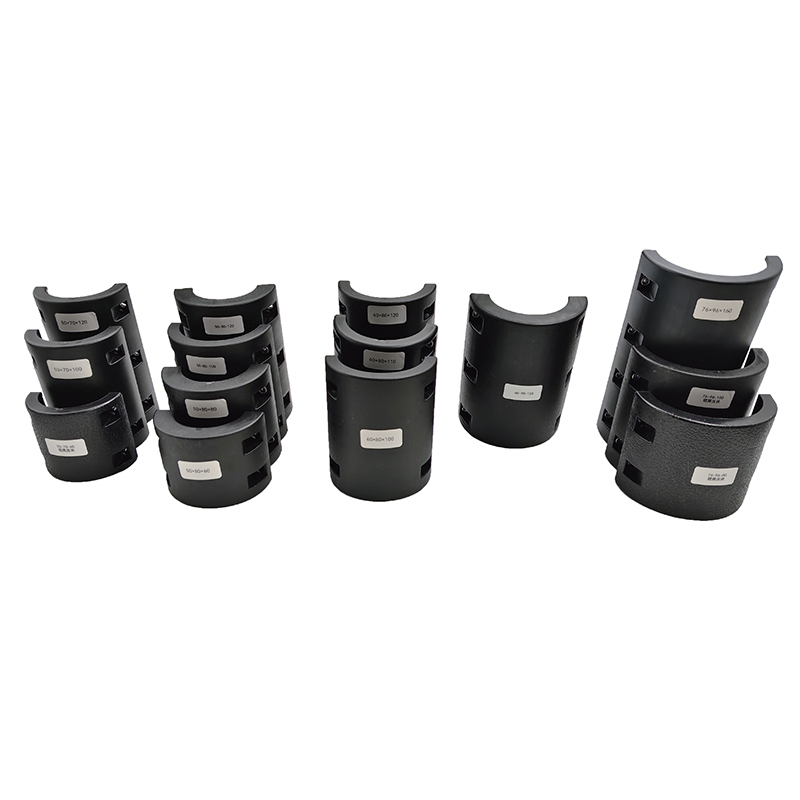
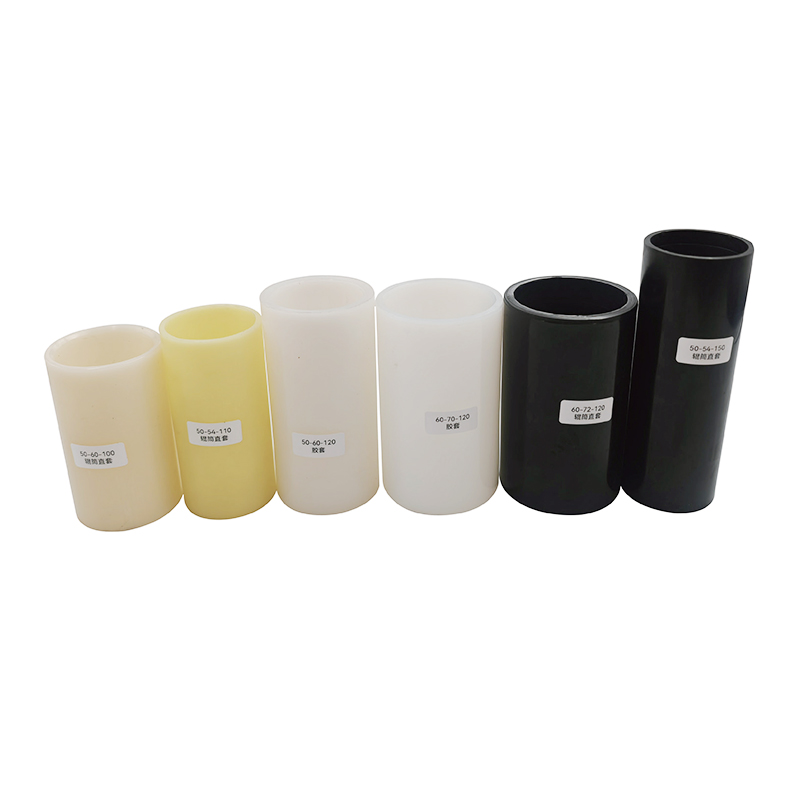
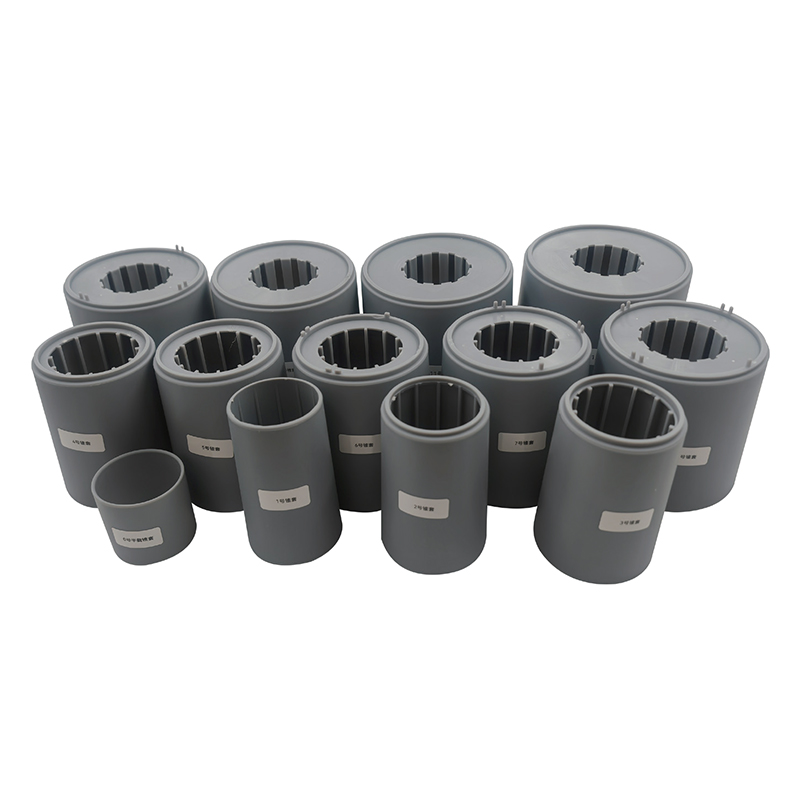
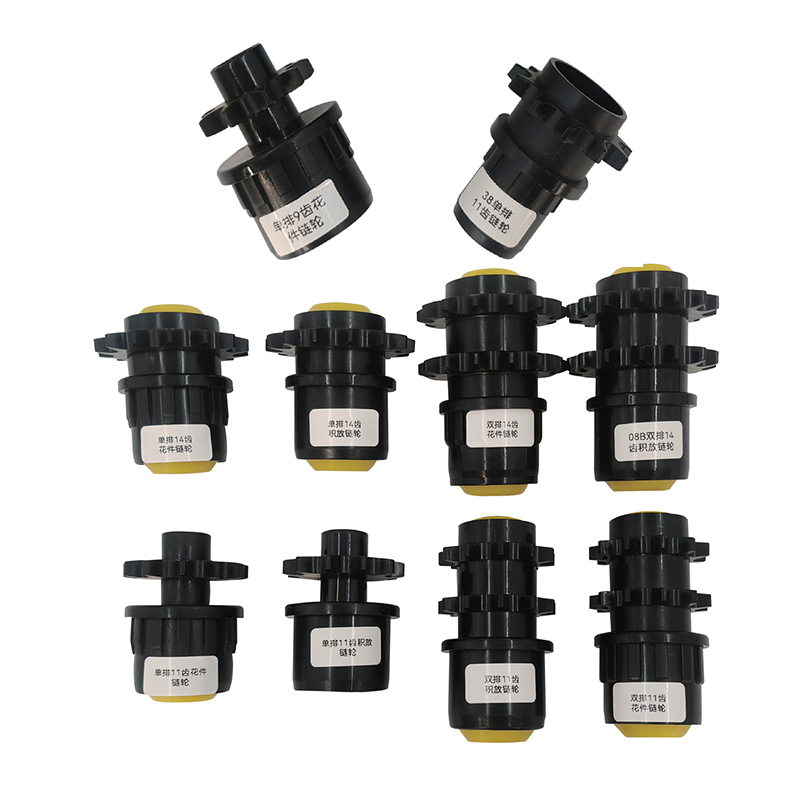
1. Product Definition The chain conveyor head frame serves as the primary drive-end suppor...

Chain Conveyor Parts Manufacturers
-
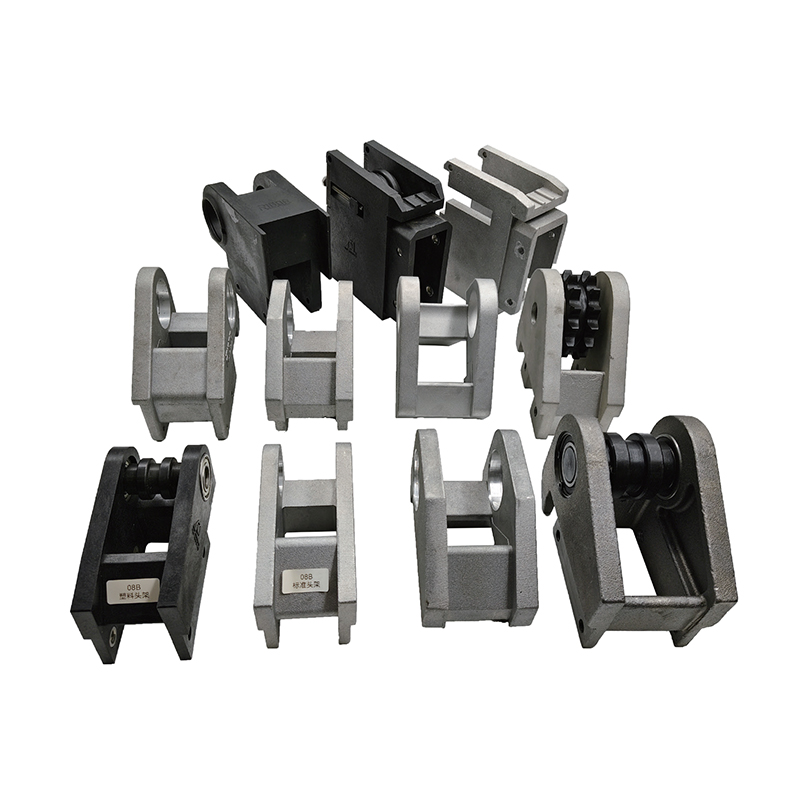
-
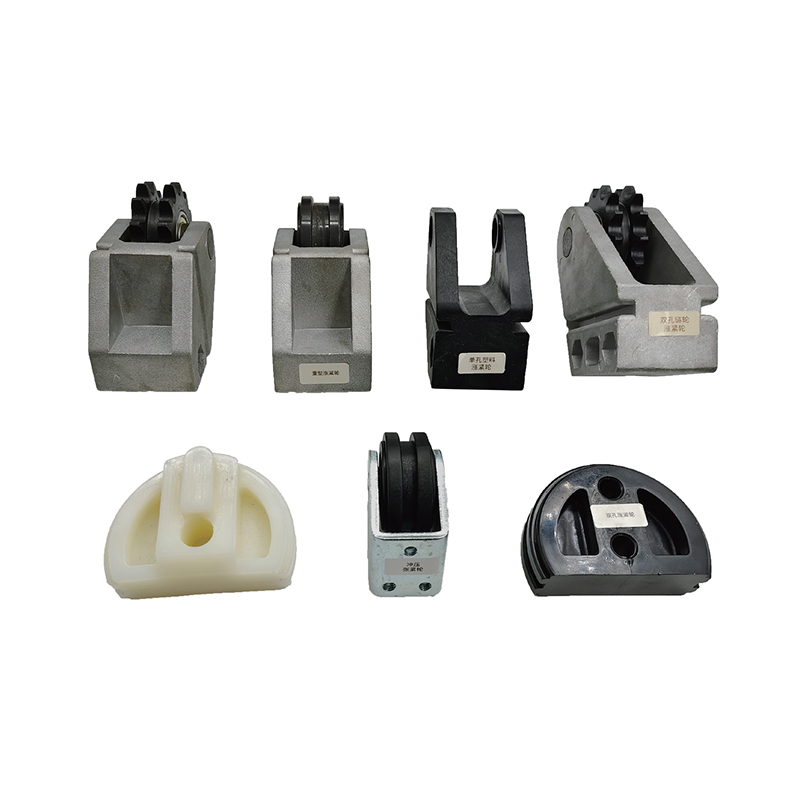 Chain Conveyor Tension Wheel
The chain conveyor tension wheel is a tension adjustment device used in chain drive system...
-
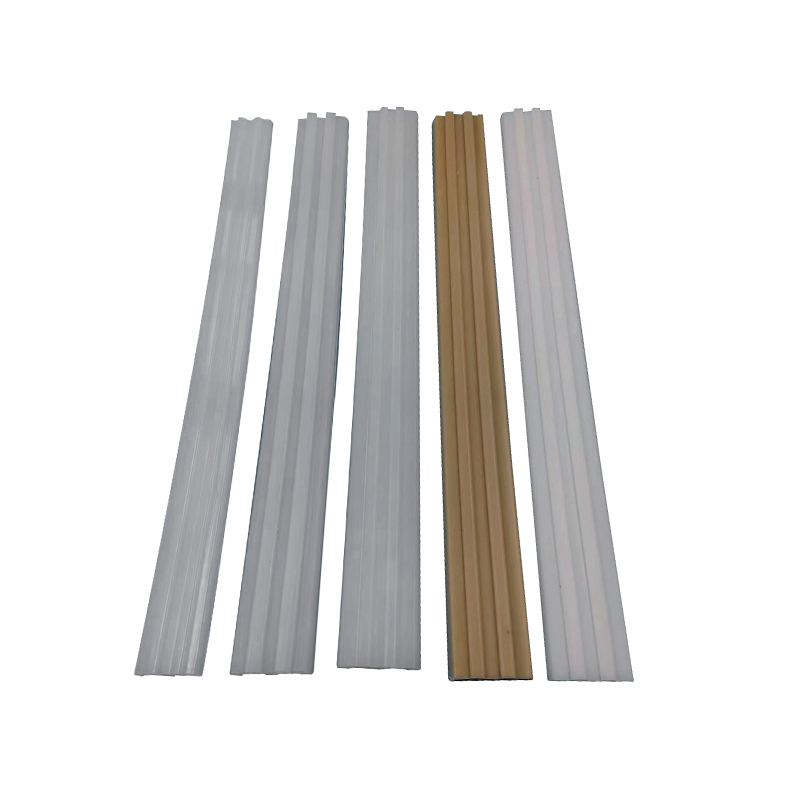 Chain Conveyor Chain Support
The chain conveyor chain support is a structural component designed to support and guide c...
-
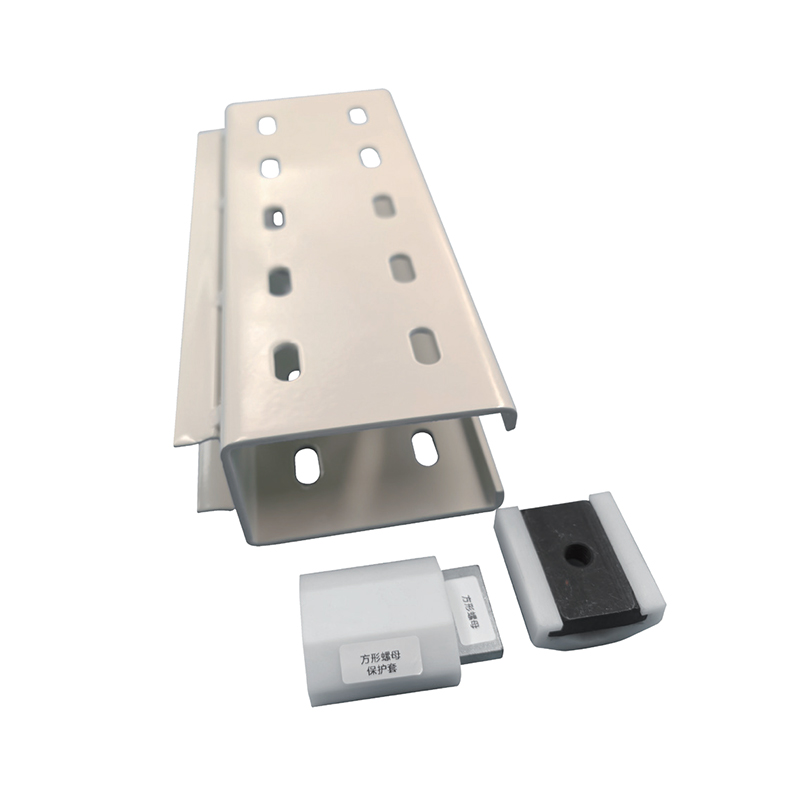 Chain Conveyor Accessories
Chain conveyor accessories are functional components designed for use with chain conveyor ...
A chain conveyor is a conveying device that uses chains as both traction and load-bearing components. Its main characteristic is high conveying capacity, and it is typically used to transport pallets, large containers, etc. These conveyors come in various chain structures and are equipped with a variety of accessories, making them very easy to implement for accumulation and conveying. Besides being part of an assembly line, they can also be used as material storage and conveying equipment. They are widely used in automobile manufacturing, logistics warehousing, food processing, and many other fields.
About Us
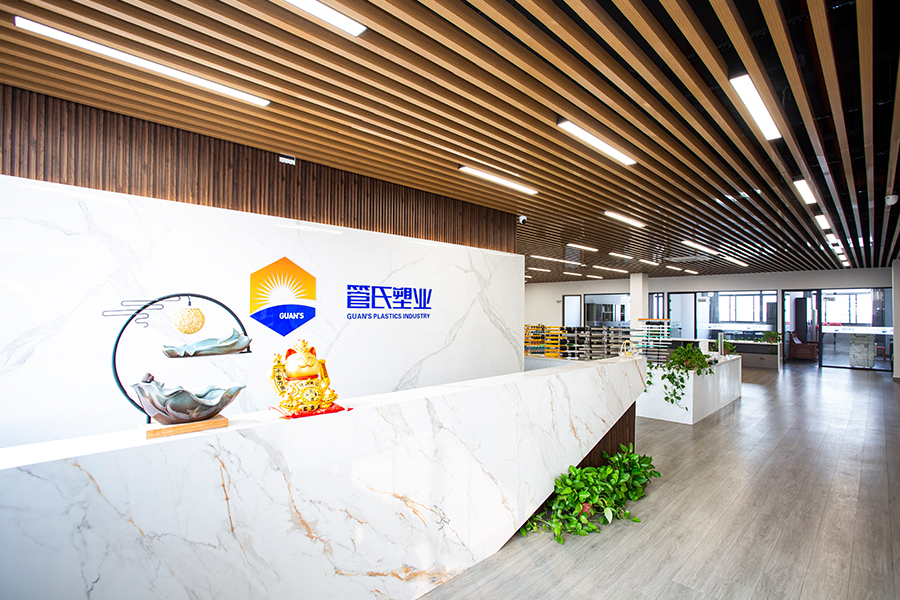
Huzhou Nanxun Guan's Plastic Industry Co., Ltd.
Huzhou Nanxun Guan's Plastic Industry Co., Ltd. was established in 2006, with its headquarters located in Huzhou, Zhejiang. Since its inception, the company has established three plastic product manufacturing bases and a laser cutting workshop in Zhejiang and Jiangsu provinces. We now have a large production, R&D, and operational space, with a growing team of employees. Our annual production volume has reached tens of millions of pieces, making us a well-known plastic product manufacturer and service provider both domestically and internationally.
As China Chain Conveyor Parts Manufacturers and custom Chain Conveyor Parts factory, our products and services are widely applied in various industries, including logistics, pharmaceuticals, food and beverages, warehousing, organic produce, tobacco, tire manufacturing, and airport ground services. To meet the ever-growing demands of our customers, we have also developed a laser cutting project to further enhance our production capacity and technical capabilities.
News
-
November 3–6, 2026 | Shanghai New International Expo Centre | Hall W5 Invitation Huzhou Nanxun Guanshi Plastic Industry Co., Ltd. cordially invites you to visit...
READ MORE -
A conveyor roller looks simple from the outside: a tube, a shaft and a few small fittings. But the parts that decide whether it runs quietly for years or start...
READ MORE -
If you have ever pulled a roller out of a conveyor frame, you already know that the part which gives up first is rarely the roller tube itself. It is the small...
READ MORE -
Most people who buy a conveyor line eventually see a finished frame. Behind it, there is a supply chain of molds, injection machines, extrusion lines and inspe...
READ MORE -
Conveyor lines rarely stop because of a frame or a motor. Far more often the culprit is a worn sleeve, a cracked roller seat, or a guide rail that has lost its...
READ MORE
Message Feedback
Industry knowledge
Why Chain Conveyor Parts Determine System Reliability
In continuous-flow material handling, the weakest component in a conveyor chain dictates the maintenance interval for the entire line. Unlike belt conveyors where surface wear is gradual and visible, chain conveyor failures tend to be sudden — a single broken link, a seized sprocket tooth, or a worn guide rail segment can halt a full production run within seconds. This makes component selection and condition monitoring far more consequential than it may appear from a parts-cost perspective.
The most maintenance-intensive components in a typical chain conveyor system are the chain itself, the drive and idler sprockets, the wear strips and guide rails, and the attachments or flights fitted to the chain. Each of these wears through a different mechanism — fatigue in the chain links, abrasive wear on sprocket teeth, sliding wear on guide rails — and each has a distinct optimal inspection interval. At Huzhou Nanxun Guan's Plastic Industry Co., Ltd., chain conveyor parts are manufactured across multiple production bases to allow rapid replenishment of high-turnover components without extended lead times.
Material Selection for Plastic Chain Conveyor Components
The shift from steel to engineered plastic in conveyor chain components has accelerated over the past two decades, driven by cleaner industry regulations, noise reduction requirements, and the need to eliminate lubrication in food-grade and pharmaceutical environments. However, not all plastics perform equally across operating conditions, and material selection errors are a leading cause of premature component failure.
The primary materials used in plastic chain conveyor parts and their key characteristics:
- Acetal (POM): The standard choice for conveyor chain links and wear strips in dry or mildly wet environments. Acetal offers an excellent balance of stiffness, low friction coefficient (0.10–0.25 against steel), and dimensional stability. It is not suitable for prolonged contact with acids or oxidizing chemicals.
- Nylon (PA6 / PA66): Higher impact resistance and better performance under sustained load than acetal, but absorbs moisture and will expand dimensionally in humid or wet wash-down environments. Nylon chain components require tighter dimensional tolerances at manufacture to compensate for in-service swelling.
- UHMW-PE: Ultra-high molecular weight polyethylene is the preferred material for guide rails, wear strips, and side guards due to its exceptionally low friction surface, outstanding abrasion resistance, and chemical inertness. It machines and cuts cleanly, making it well-suited to custom-profiled rail sections.
- Polypropylene (PP): Selected where chemical resistance to acids, alkalis, and cleaning agents is the primary requirement, typically in pharmaceutical and food processing lines that undergo aggressive daily washdown cycles.
The laser cutting workshop operated by Guan's Plastic enables tight-tolerance profiling of UHMW-PE and PP guide components — particularly relevant for curved conveyor sections where standard extruded rail profiles cannot match the required geometry.
Key Wear Mechanisms and Inspection Intervals
Understanding how individual chain conveyor parts wear helps maintenance teams prioritize inspections and avoid unplanned downtime. The three dominant wear modes in plastic chain conveyors are:
Chain Elongation
Chain elongation occurs as pin and bushing contact surfaces wear under load, increasing the pitch of each link incrementally. A standard inspection method is to measure a fixed number of links under tension and compare against the nominal pitch dimension. Chains exceeding 2–3% elongation will begin to skip on sprocket teeth, generating impact loads that accelerate damage exponentially. In high-cycle logistics applications, chain pitch should be checked every 500–1,000 operating hours.
Guide Rail and Wear Strip Erosion
Wear strips carry the sliding load of the chain's return run and must be inspected for thickness reduction at the highest-load zones — typically around drive units, curves, and transition points. A minimum retained thickness threshold (commonly 50% of original section) should trigger replacement before the underlying steel support structure is exposed to chain contact, which would cause rapid chain link damage.
Sprocket Tooth Profile Wear
Sprocket teeth wear into a hooked or pointed profile as the chain's pitch increases. Worn sprockets accelerate chain elongation even after a new chain is fitted, making simultaneous sprocket and chain replacement the correct practice when chains have reached their wear limit. Visual gauging of tooth tip radius against a profile template is sufficient for periodic field inspection.
Industry-Specific Requirements for Chain Conveyor Components
The performance requirements for chain conveyor parts differ substantially across the industries that rely on them. A component specification acceptable in a tire manufacturing plant may be entirely unsuitable in a food processing line, and vice versa. The following considerations apply across the core industries served:
- Food and beverage: Components must be manufactured from FDA-compliant or EU 10/2011-compliant materials and must withstand daily CIP (clean-in-place) or high-pressure washdown without absorbing cleaning chemicals. Open-link chain designs that allow drainage and minimize water retention are strongly preferred. Metal-detectable plastic grades add an additional safety layer for processing lines with inline metal detection.
- Pharmaceutical: Chain and guide components in pharmaceutical environments are often subject to EMA or FDA validation processes. Material traceability — documented lot numbers and material certificates for each component batch — is a non-negotiable procurement requirement rather than an optional quality add-on.
- Logistics and warehousing: High operating speeds (up to 60–100 m/min on sortation lines) place fatigue loading rather than abrasive wear as the primary failure driver. Chain links must maintain consistent tensile strength across millions of cycles, making injection molding process control and material consistency more important than material selection alone.
- Tobacco and airport ground services: These applications typically involve enclosed or semi-enclosed conveyors where noise and dust generation are regulated. Low-friction plastic chain running on UHMW-PE guide rails operates without lubrication, eliminating oil mist contamination and significantly reducing particulate generation versus steel-on-steel alternatives.
With an annual production volume in the tens of millions of pieces and direct application experience across logistics, pharmaceuticals, food and beverage, warehousing, and tobacco industries, Guan's Plastic supplies chain conveyor components calibrated to the specific demands of each operating environment rather than generic catalogue specifications.


+86-13250912999
Huzhou Nanxun Guan's Plastic Industry Co., Ltd.
Email: [email protected]
Address: Building 8, North Zone, Dehao Industrial Park, Linghu Town, Nanxun District, Huzhou City, Zhejiang Province, China
Navigation
Products
About us
Copyright © Huzhou Nanxun Guan's Plastic Industry Co., Ltd.
All Rights Reserved.
Privacy
 Custom Chain Conveyor Parts Manufacturers