
 English
 中文简体
中文简体 русский
 Español
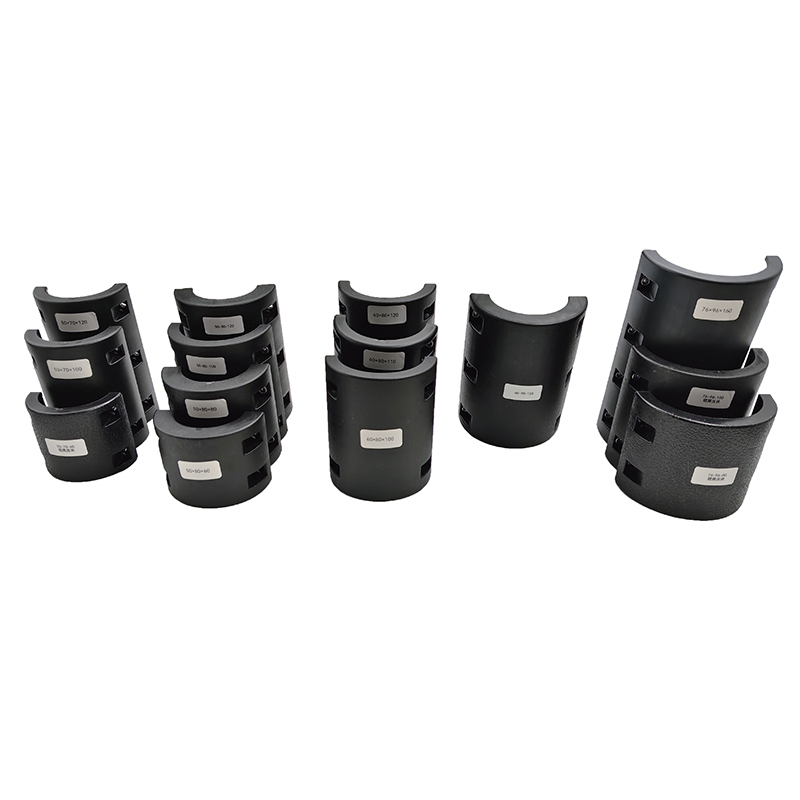
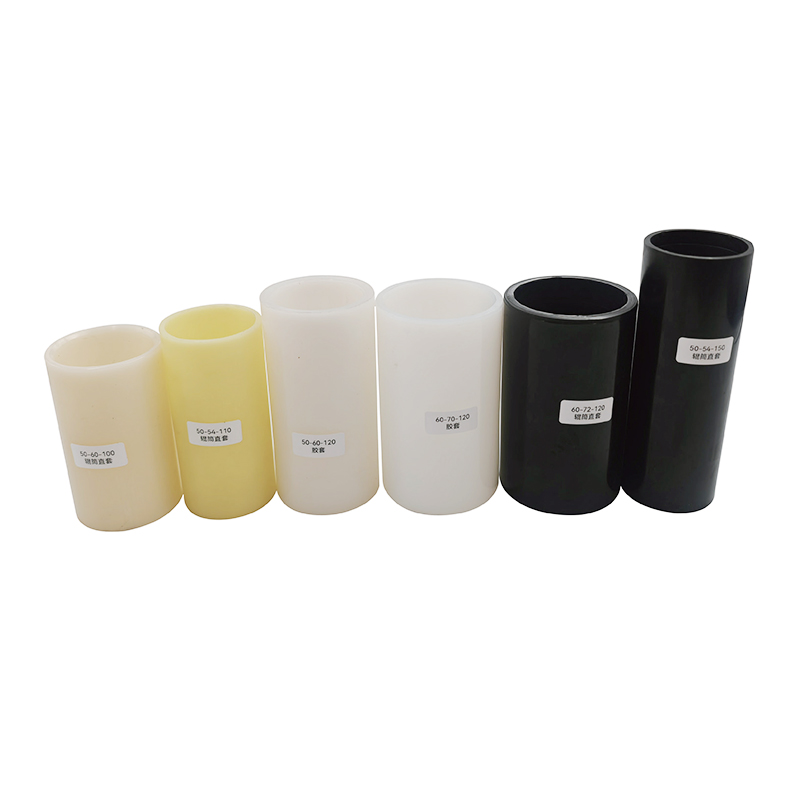
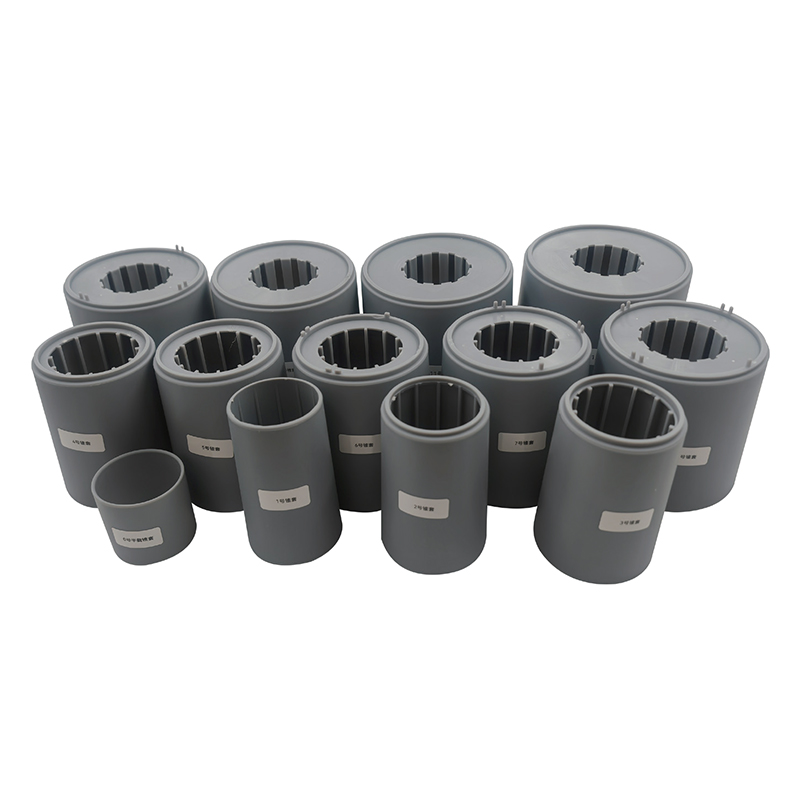
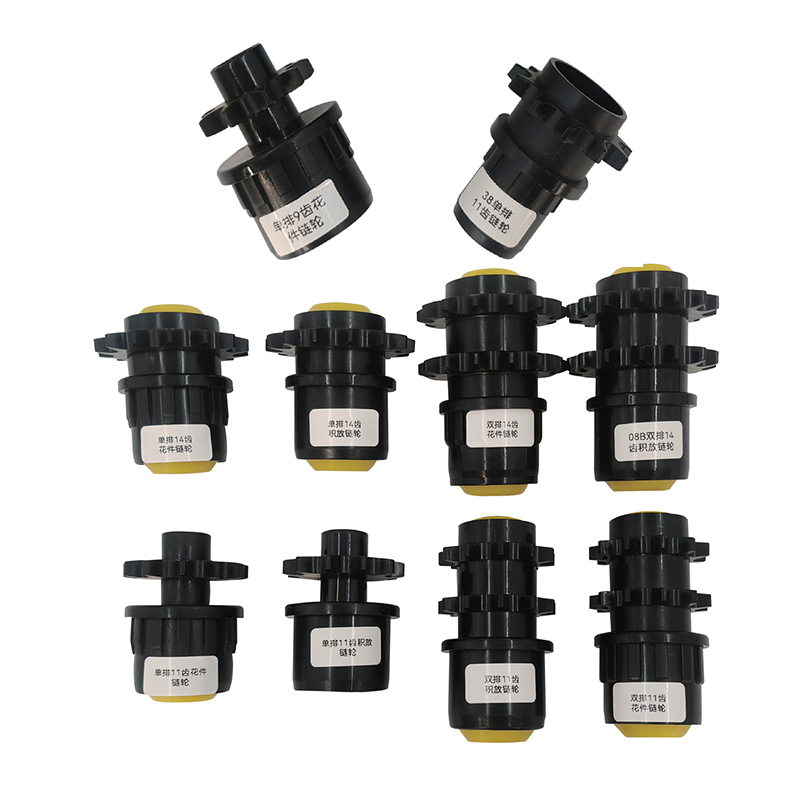
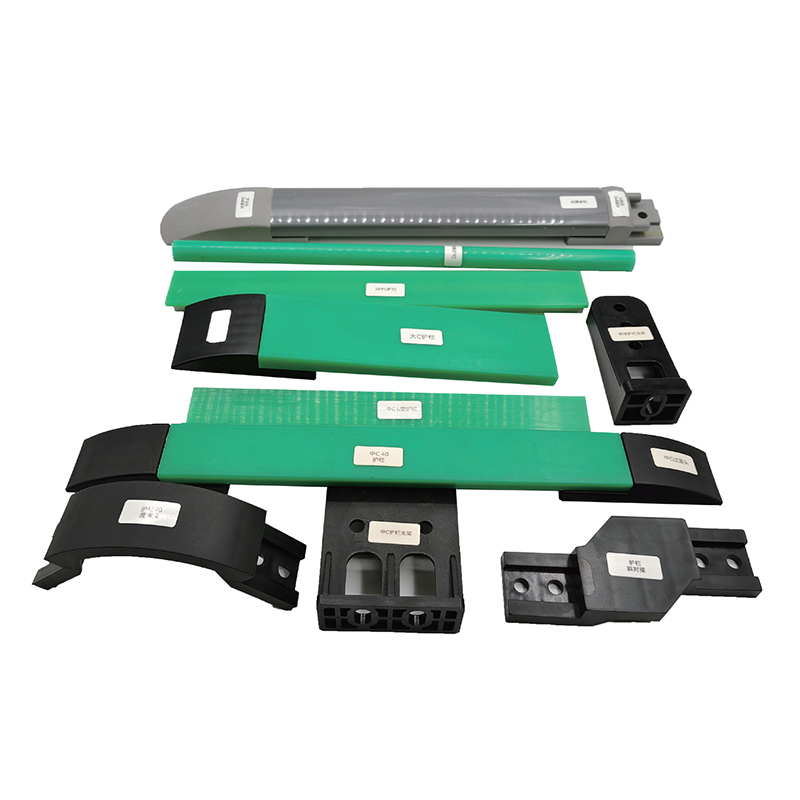
The conveyor guardrail is a modular protective structure installed along the periphery of ...

Guardrail & Enclosure Series
Guardrail & Enclosure Parts Manufacturers
-
-
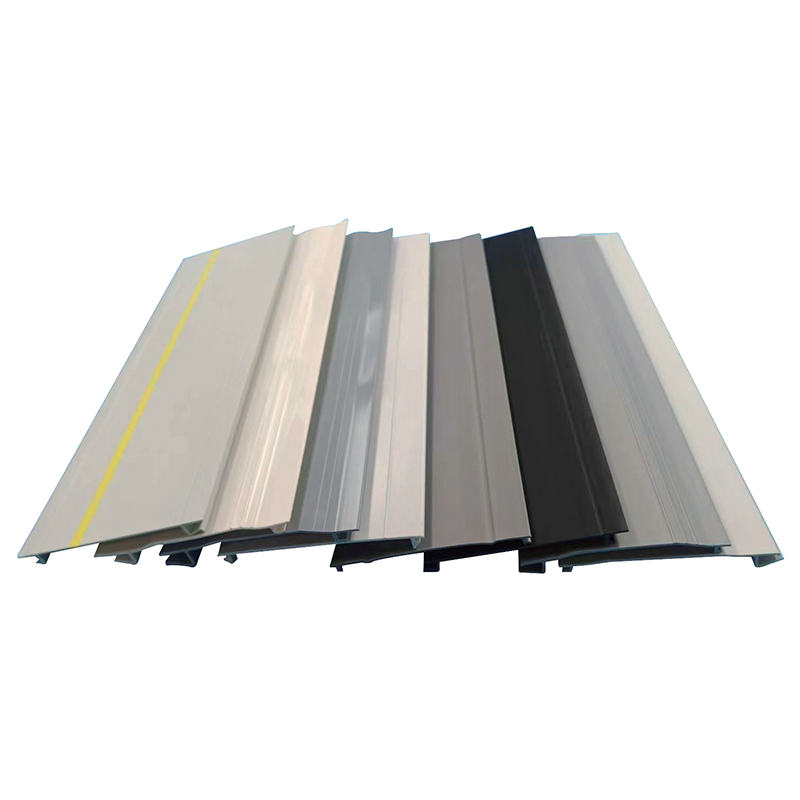 Conveyor Sealing Plate
The conveyor sealing plate is a side enclosure component designed for conveyor equipment f...
About Us
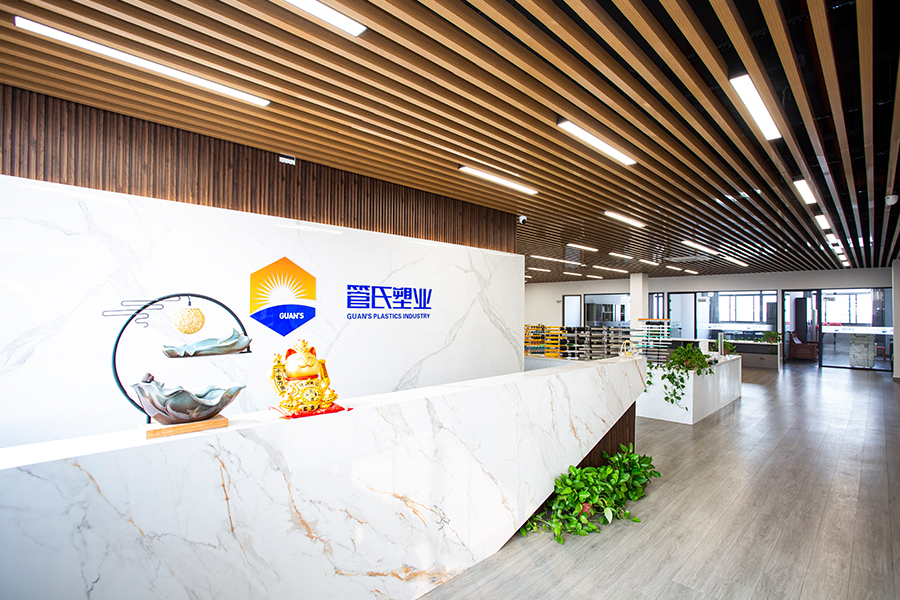
Huzhou Nanxun Guan's Plastic Industry Co., Ltd.
Huzhou Nanxun Guan's Plastic Industry Co., Ltd. was established in 2006, with its headquarters located in Huzhou, Zhejiang. Since its inception, the company has established three plastic product manufacturing bases and a laser cutting workshop in Zhejiang and Jiangsu provinces. We now have a large production, R&D, and operational space, with a growing team of employees. Our annual production volume has reached tens of millions of pieces, making us a well-known plastic product manufacturer and service provider both domestically and internationally.
As China Guardrail & Enclosure Parts Manufacturers and custom Guardrail & Enclosure Parts factory, our products and services are widely applied in various industries, including logistics, pharmaceuticals, food and beverages, warehousing, organic produce, tobacco, tire manufacturing, and airport ground services. To meet the ever-growing demands of our customers, we have also developed a laser cutting project to further enhance our production capacity and technical capabilities.
News
-
November 3–6, 2026 | Shanghai New International Expo Centre | Hall W5 Invitation Huzhou Nanxun Guanshi Plastic Industry Co., Ltd. cordially invites you to visit...
READ MORE -
A conveyor roller looks simple from the outside: a tube, a shaft and a few small fittings. But the parts that decide whether it runs quietly for years or start...
READ MORE -
If you have ever pulled a roller out of a conveyor frame, you already know that the part which gives up first is rarely the roller tube itself. It is the small...
READ MORE -
Most people who buy a conveyor line eventually see a finished frame. Behind it, there is a supply chain of molds, injection machines, extrusion lines and inspe...
READ MORE -
Conveyor lines rarely stop because of a frame or a motor. Far more often the culprit is a worn sleeve, a cracked roller seat, or a guide rail that has lost its...
READ MORE
Message Feedback
Industry knowledge
How the Part Composition of a Guardrail System Determines Long-Term Performance
A guardrail and enclosure system on a conveyor line is not a single component but an assembly of interdependent parts — rail profiles, mounting posts, cross-tie members, panel inserts, and connection hardware — each contributing to the structural and functional integrity of the whole. The guardrail and enclosure parts that make up this assembly must retain their individual dimensional and mechanical properties across years of cyclic loading, cleaning exposure, and the incidental impacts that are an unavoidable feature of active production environments.
The distinction between a part and an accessory in this context is one of structural hierarchy. Parts form the load-bearing skeleton of the system — they carry forces and maintain geometry. Accessories attach to or connect those parts and fulfill locating, sealing, or adjustment functions. Mischaracterizing a structural part as a replaceable accessory leads to under-specification of its mechanical requirements and is a common root cause of premature system failure in heavily loaded guardrail installations.
For procurement and maintenance engineers, the practical implication is that each part category warrants its own specification review — including material certification, dimensional tolerance class, and minimum mechanical property requirements — rather than a single blanket approval applied to the full bill of materials.
Rail Profile Parts: Cross-Section Selection and Structural Performance Under Impact
The rail profile is the primary structural part of any guardrail or enclosure system. Its cross-section geometry determines the system's resistance to the lateral bending loads generated by product impact and the vertical loads imposed by mounted accessories or personnel contact. Selecting a profile cross-section based only on height and width without reference to the second moment of area and the plastic section modulus leads to installations that meet static load requirements on paper but deflect visibly under the dynamic impact loads of normal operation.
At Huzhou Nanxun Guan's Plastic Industry Co., Ltd., rail profile parts are produced with consistent wall thickness across the full extrusion length — a property verified by periodic cross-section sampling — because wall thickness variation is the primary source of inconsistent bending stiffness between individual profile lengths in an installed system.
Critical performance factors for rail profile parts in high-impact zones:
- Impact energy absorption capacity: Profiles made from impact-modified polypropylene copolymer or polyethylene absorb lateral impact energy through controlled elastic deformation rather than brittle fracture. The Charpy impact strength at the operating temperature — not just at ambient — should be specified, particularly for cold-chain and outdoor installations where low-temperature embrittlement can reduce effective impact resistance by 40–60% compared to ambient-temperature values.
- Profile straightness tolerance: A bow or twist in the rail profile that exceeds 1 mm per meter of length creates cumulative misalignment across a long run that prevents flush mounting bracket engagement and introduces a pre-stress into the installed profile that reduces its available load capacity. Straightness should be verified on receipt for profiles exceeding 2 meters in length.
- Surface hardness and scratch resistance: In organic produce and pharmaceutical environments, the rail profile surface is the most frequently inspected part for potential product contamination. Profiles with a surface hardness below Shore D 55 accumulate visible scratches rapidly under normal operation, creating surface texture that harbors microbial growth and complicates swab-test compliance during regulatory inspections.
Post and Cross-Tie Parts: Spacing Logic and Failure Mode Analysis
Mounting posts and cross-tie members are the parts that transfer lateral loads from the rail profile into the conveyor frame or floor structure. Their spacing, section geometry, and connection interface collectively determine the effective span stiffness of the guardrail system — the resistance to lateral deflection at any point between support posts. Beyond a critical span length, lateral stiffness drops below the threshold needed to prevent rail displacement under product impact, regardless of how robust the rail profile itself is.
| Application Zone | Typical Impact Level | Recommended Post Spacing | Cross-Tie Requirement |
|---|---|---|---|
| Straight run, light packages | Low | 600–800 mm | Optional |
| Merge / divert zone | High | 300–400 mm | Required |
| Curved section | Moderate–High | 300–500 mm | Required at every post |
| End-of-line stop zone | Very High | 200–300 mm | Double cross-tie |
The dominant failure mode for post parts in high-impact zones is not fracture at the post body but pull-out or rotation at the base connection — a failure that develops progressively as fastener preload relaxes under vibration. Posts designed with a base flange that engages a locating feature in the frame channel (rather than relying solely on fastener clamping) resist this rotation failure mode mechanically, independent of fastener condition, and maintain their lateral load capacity even as routine vibration loosening develops between inspection intervals.
Panel Insert and Enclosure Body Parts: Transparency, Rigidity, and Regulatory Fit
In enclosure applications — where the guardrail system fully encloses a conveyor section for containment or machine guarding purposes — the panel insert parts that fill the frame openings carry both structural and regulatory significance. Panel parts must resist the same lateral impact loads as the surrounding frame while also meeting the visual inspection, ventilation, and access requirements of the applicable machinery safety standard for the installation region.
Panel part selection by functional priority:
- Solid opaque panels (PP or HDPE sheet): Maximum rigidity and impact resistance. Preferred for enclosures in dusty environments — tobacco processing, tire manufacturing — where visual access to the enclosed process is not operationally required. Solid panels also provide the cleanest surface for label or barcode mounting in warehousing and logistics installations.
- Perforated or mesh panels: Required where thermal management of an enclosed drive or motor demands airflow through the enclosure body. The perforation pattern must balance free area (for ventilation) against rigidity retention — perforations exceeding 35% of panel area typically reduce the effective bending stiffness of the panel below acceptable limits for impact zones, requiring a heavier gauge base material to compensate.
- Transparent polycarbonate or PETG panels: Necessary where real-time visual monitoring of the enclosed process is required — pharmaceutical inspection lines, food portioning equipment, and airport baggage scanning sections all fall into this category. Panel thickness must be specified against the impact energy of the largest anticipated product contact event, as transparent polymers show visible crazing at lower impact energies than opaque-filled grades of the same base material.
- Panel retention and removal design: In facilities with frequent format changeovers or cleaning access requirements, panel parts with tool-free retention systems — quarter-turn fasteners, slide-in channel mounting, or magnetic edge seals — reduce the time cost of panel removal and reinstallation from minutes to seconds per panel, an operationally significant difference across an enclosure system with dozens of panels.
With laser cutting capability integrated into our production workflow, guardrail and enclosure parts including panel inserts can be produced to custom cutout patterns — for cable pass-throughs, sensor mounting, or ventilation geometries — with the positional accuracy and edge quality that router-cut or hand-cut alternatives cannot consistently achieve at production volumes.


+86-13250912999
Huzhou Nanxun Guan's Plastic Industry Co., Ltd.
Email: [email protected]
Address: Building 8, North Zone, Dehao Industrial Park, Linghu Town, Nanxun District, Huzhou City, Zhejiang Province, China
Navigation
Products
About us
Copyright © Huzhou Nanxun Guan's Plastic Industry Co., Ltd.
All Rights Reserved.
Privacy
 Custom Guardrail & Enclosure Parts Manufacturers