
 English
 中文简体
中文简体 русский
 Español
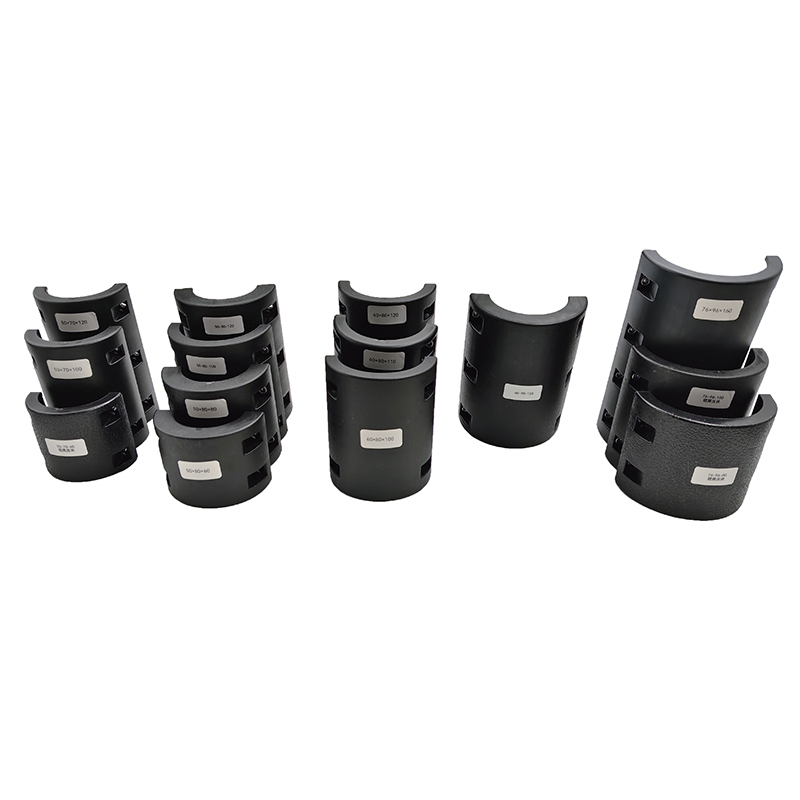
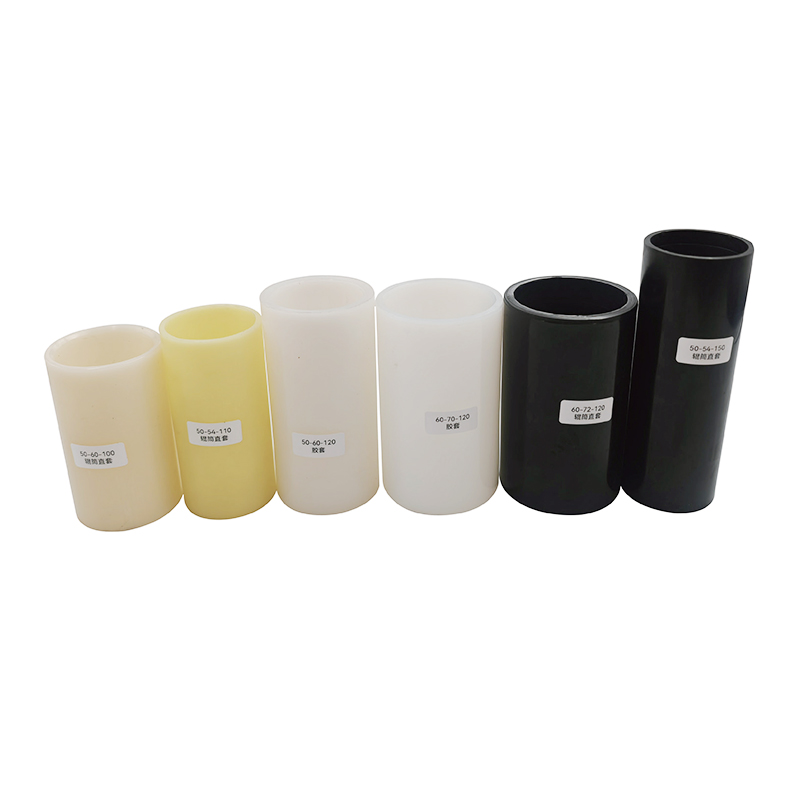
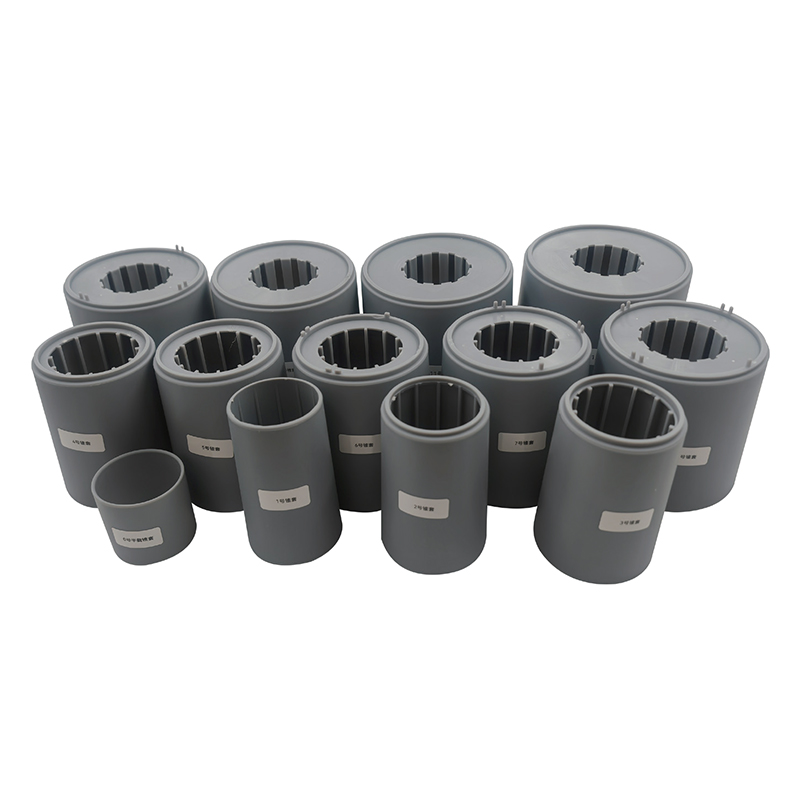
A chain wheel is a transmission component used in combination with chains to transfer powe...

Power Roller Accessories
Roller End Caps Manufacturers
-
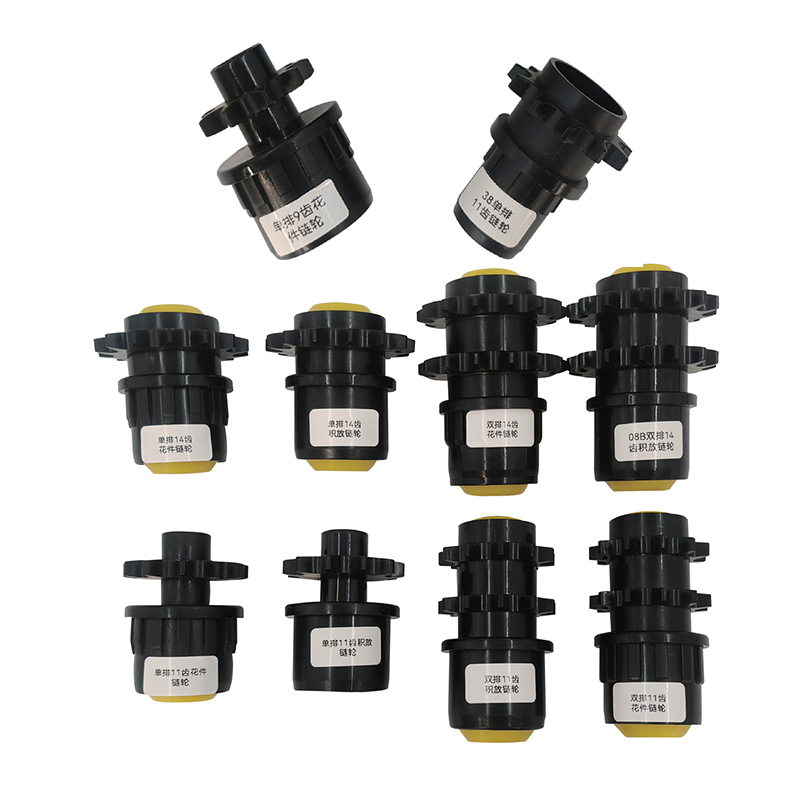
-
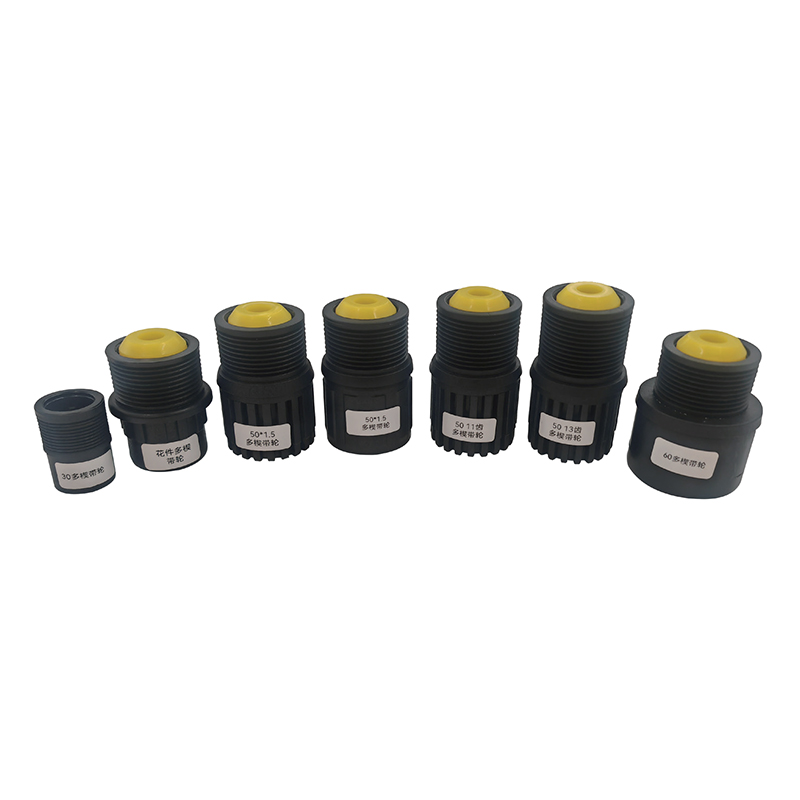 Poly-Wedge Pulley
A Poly-wedge pulley, also known as a Multi-V pulley, is a specialized power transmission c...
-
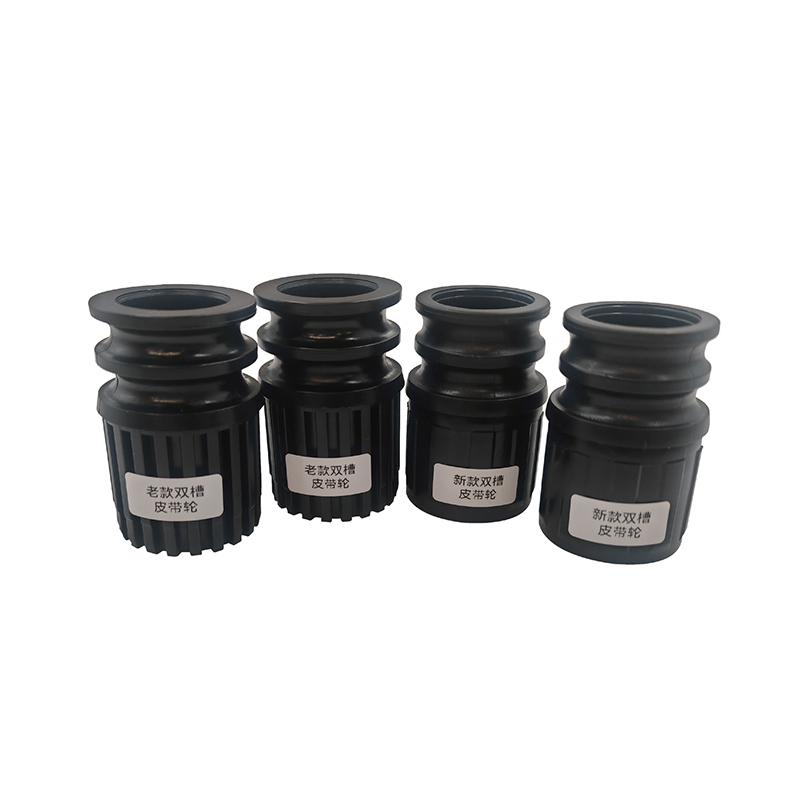 Double Slot O Pulley
The DOUBLE SLOT O PULLEY features two parallel grooves specifically designed for use with ...
-
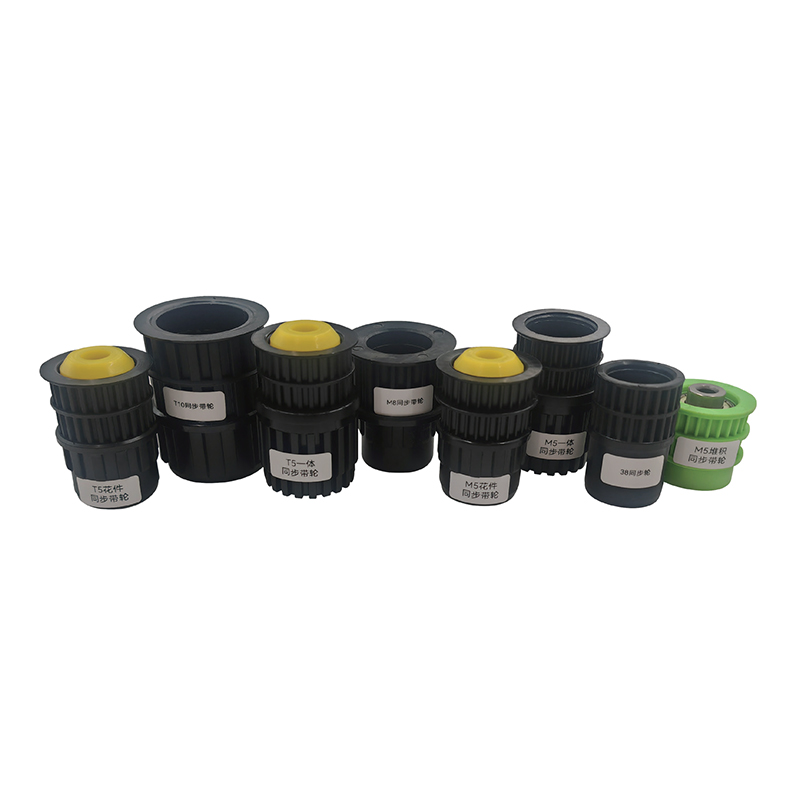 Synchronous Pulley
A synchronous pulley is a transmission component used in conjunction with synchronous belt...
About Us
Huzhou Nanxun Guan's Plastic Industry Co., Ltd.
Huzhou Nanxun Guan's Plastic Industry Co., Ltd. was established in 2006, with its headquarters located in Huzhou, Zhejiang. Since its inception, the company has established three plastic product manufacturing bases and a laser cutting workshop in Zhejiang and Jiangsu provinces. We now have a large production, R&D, and operational space, with a growing team of employees. Our annual production volume has reached tens of millions of pieces, making us a well-known plastic product manufacturer and service provider both domestically and internationally.
As China Plastic Power Conveyor Roller Accessories Manufacturers and custom Roller End Caps factory, our products and services are widely applied in various industries, including logistics, pharmaceuticals, food and beverages, warehousing, organic produce, tobacco, tire manufacturing, and airport ground services. To meet the ever-growing demands of our customers, we have also developed a laser cutting project to further enhance our production capacity and technical capabilities.
News
-
November 3–6, 2026 | Shanghai New International Expo Centre | Hall W5 Invitation Huzhou Nanxun Guanshi Plastic Industry Co., Ltd. cordially invites you to visit...
READ MORE -
A conveyor roller looks simple from the outside: a tube, a shaft and a few small fittings. But the parts that decide whether it runs quietly for years or start...
READ MORE -
If you have ever pulled a roller out of a conveyor frame, you already know that the part which gives up first is rarely the roller tube itself. It is the small...
READ MORE -
Most people who buy a conveyor line eventually see a finished frame. Behind it, there is a supply chain of molds, injection machines, extrusion lines and inspe...
READ MORE -
Conveyor lines rarely stop because of a frame or a motor. Far more often the culprit is a worn sleeve, a cracked roller seat, or a guide rail that has lost its...
READ MORE
Message Feedback
Industry knowledge
Why are Roller End Caps an Indispensable Component in Conveyor Systems?
In the context of rapid development in modern logistics and industrial automation, conveyor systems are ubiquitous in all kinds of production and distribution processes. Among these seemingly complex systems, there is a small but often overlooked yet extremely crucial component—the Roller End Cap. Despite its small size, it directly affects the operational stability, lifespan, and overall efficiency of the conveyor rollers.
I. System Stability from a Detail Perspective: The Core Role of Roller End Caps
In roller conveyor systems, Roller End Caps are typically installed at both ends of the rollers. They support the bearings, fix the shaft, and provide dust and water protection, as well as reducing friction. Many people tend to focus on the motor, roller material, or overall line design, but in reality, the precision and quality of the end caps often determine the durability and smoothness of the entire roller system.
Especially in high-frequency logistics sorting lines or automated warehousing systems, rollers need to operate continuously for extended periods. Insufficient sealing or structural strength of the end caps can lead to accelerated bearing wear, abnormal noise, or even jamming, thus affecting the efficiency of the entire production line. Therefore, high-quality Roller End Caps are not only accessories, but also a guarantee of system reliability.
II. Materials and Processes: Key Factors Determining Performance
Different applications have significantly different requirements for Roller End Caps. For example, the food and pharmaceutical industries require materials with good environmental friendliness and corrosion resistance; while in industrial logistics, wear resistance and structural strength are more important.
Currently, mainstream end cap materials include engineering plastics, reinforced nylon, and some polymer composites. These materials, manufactured through injection molding or precision machining, can reduce weight while maintaining strength, thereby reducing the overall load on the roller.
In terms of process, high-precision molds and stable production control are particularly important. Huzhou Nanxun Guan's Plastic Industry Co., Ltd., since its establishment in 2006, has focused on the research and development and manufacturing of plastic products and conveyor accessories, and has established three major production bases and a laser cutting workshop in Zhejiang and Jiangsu. Through continuous optimization of mold design and production processes, its Roller End Caps maintain a high level of industry performance in terms of dimensional consistency and durability.
III. Expanding Application Scenarios: From Logistics to Multi-Industry Coverage
With increasing automation, the application of Roller End Caps is no longer limited to traditional logistics conveyor lines, but extends to multiple industry sectors.
In warehousing and logistics centers, they support the continuous operation of high-speed sorting systems; in the food and beverage industry, they need to meet cleanliness, safety, and low-noise requirements; in the pharmaceutical industry, pollution-free and high-stability are emphasized; and even in tire manufacturing and airport ground service systems, their stable operation can be seen.
This wide-ranging cross-industry application also places higher demands on manufacturers, requiring them not only to provide standardized products but also to possess customized development capabilities to adapt to different equipment structures and operating conditions.
IV. Manufacturing Capability Determines Market Competitiveness
In the trend of continuous optimization of the global supply chain, companies with large-scale production and R&D capabilities often have a greater competitive advantage.
Huzhou Nanxun Guan's Plastic Industry Co., Ltd., as one of the leading manufacturers in China's plastic conveyor roller accessories industry, has now developed into a comprehensive enterprise integrating production, R&D, and operation. The company's annual output reaches tens of millions of products, and its service scope covers multiple domestic and international markets.
Besides standardized Roller End Caps products, the company has further enhanced processing precision and production flexibility by introducing laser cutting projects, enabling it to respond more quickly to specific customer needs. This continuous technological upgrade has allowed it to maintain stable growth in a highly competitive market.
V. Why are more and more companies focusing on end cap upgrades?
In the past, many companies focused more on the roller body and neglected end caps when selecting conveyor systems. However, as equipment operating time increases, maintenance costs become increasingly apparent, and the industry has begun to re-evaluate this critical component.
High-quality Roller End Caps can significantly reduce maintenance frequency, minimize downtime, and extend the overall lifespan of the rollers. From a long-term operational perspective, this optimization of small components often leads to significant cost savings.
Therefore, more and more companies are beginning to consider end caps as an important part of equipment upgrades, rather than just standard accessories.
Conclusion: Small Component, Big Impact
In industrial automation systems, what truly determines efficiency is often not the most visible parts, but the fundamental components that operate continuously and stably. Roller End Caps are precisely such invisible supporters, silently ensuring the efficient operation of the conveyor system.
As industries continue to upgrade, the demand for high-performance end caps will continue to grow. Companies with R&D and large-scale manufacturing capabilities will occupy a more important position in this trend.
FAQ
| Q1: What is the main function of Roller End Caps? | A1: They are mainly used to support roller bearings, fix the shaft, and provide sealing, dust prevention, and friction reduction, thereby improving the stability of roller operation. |
| Q2: Which industries use Roller End Caps? | A2: Widely used in logistics warehousing, food and beverage, pharmaceuticals, airport ground services, tire manufacturing, and many other industries. |
| Q3: What should be considered when selecting Roller End Caps? | A3: Attention should be paid to material properties, dimensional accuracy, wear resistance, and whether they are suitable for the specific operating conditions of the conveyor system. |


+86-13250912999
Huzhou Nanxun Guan's Plastic Industry Co., Ltd.
Email: [email protected]
Address: Building 8, North Zone, Dehao Industrial Park, Linghu Town, Nanxun District, Huzhou City, Zhejiang Province, China
Navigation
Products
About us
Copyright © Huzhou Nanxun Guan's Plastic Industry Co., Ltd.
All Rights Reserved.
Privacy
 Custom Roller End Caps Manufacturers