
 English
 中文简体
中文简体 русский
 Español
The guide wheel serves as a critical directional component in industrial conveyi...

Industry News
Home / News / Industry News / Conveyor Roller Components & End Caps: Selection and Replacement Guide
Conveyor Roller Components & End Caps: Selection and Replacement Guide
Author: admin / 2026-07-16
Content
- 1 Conveyor Roller Components: A Practical Guide to Parts, Assembly, and End Caps
- 2 What Makes Up a Conveyor Roller?
- 3 How Conveyor Roller Assembly Works
- 4 Conveyor Roller Bearings vs. End Caps: What's the Difference?
- 5 Roller End Cap Types: Plastic vs. Steel
- 6 How to Choose Conveyor Roller Components
- 7 How to Replace Conveyor Roller End Caps
Conveyor Roller Components: A Practical Guide to Parts, Assembly, and End Caps
Conveyor rollers look simple from the outside, but their performance depends entirely on a handful of small, precisely engineered components working together. This guide breaks down what those parts are, how they fit into the roller assembly, and how to choose and replace them correctly.
What Makes Up a Conveyor Roller?
A conveyor roller is not a single part — it is an assembly of several components, each with a specific function. Understanding these conveyor roller components is the first step to diagnosing wear, reducing downtime, and specifying the right replacement parts.
4-6
Core conveyor roller parts in a typical assembly
2
Main end cap materials: plastic and steel
15-25%
Typical downtime reduction from proactive end cap replacement
The core conveyor roller parts include the tube (shell), shaft, bearings, end caps, and, depending on the design, circlips or retaining rings and seals. The tube carries the load and contacts the conveyed material; the shaft transmits rotation or anchors the roller to the frame; bearings allow low-friction rotation; and end caps sit between the bearing and the tube, transferring load while keeping contaminants out.
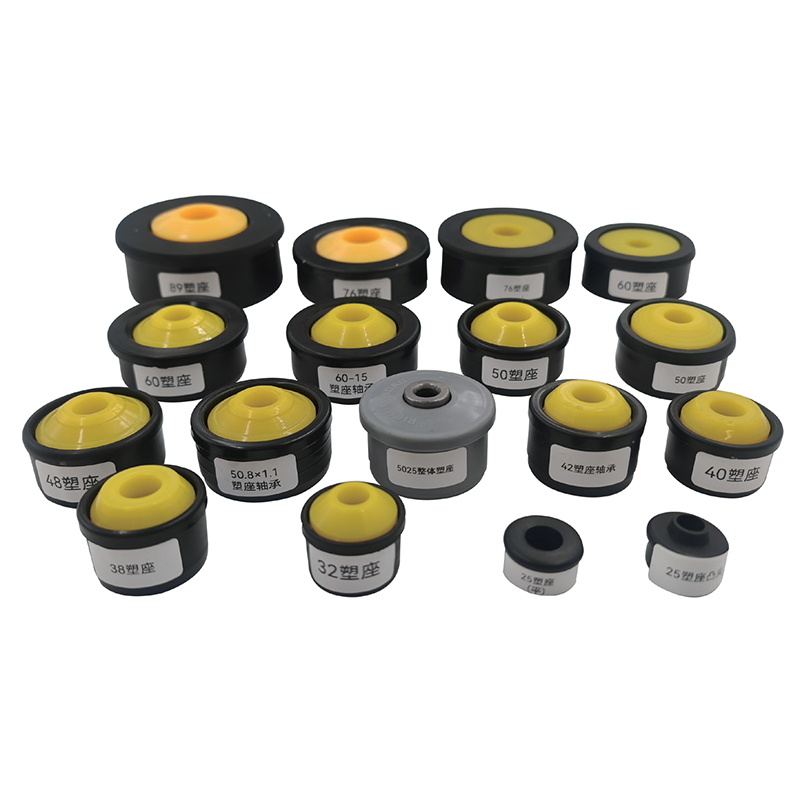
How Conveyor Roller Assembly Works
A conveyor roller assembly follows a consistent logic regardless of application: the shaft is inserted through the center of the tube, bearings are pressed into the end caps (or directly into the tube ends), and the end caps are then pressed or crimped into the tube to hold everything in alignment. This structure allows the outer tube to rotate freely around the fixed inner shaft.
Tube
Steel, stainless steel, aluminum, or PVC shell that contacts and moves the load.
Shaft
Central axle, usually hex or round, that mounts the roller to the frame.
Bearing
Ball or sleeve bearing enabling smooth, low-friction rotation.
End Cap
Interface part housing the bearing and sealing the tube ends.
Because the end cap is pressed into the tube with a tight interference fit, it also plays a structural role: a poorly matched or worn end cap can cause the tube to wobble, generate noise, or place uneven load on the bearing, shortening the life of the entire roller.
Conveyor Roller Bearings vs. End Caps: What's the Difference?
Two Parts, Two Jobs
It is common to confuse these two components since they are installed together, but they serve different purposes. The bearing is the rotating element — it reduces friction between the fixed shaft and the rotating tube. The end cap is the housing and sealing element — it holds the bearing in a fixed position inside the tube and protects it from dust, moisture, and debris.
In practice, this means a roller can fail from a worn bearing (rough or noisy rotation) or from a cracked or loose end cap (tube wobble, misalignment, or contamination reaching the bearing) — and the correct fix is different in each case. Replacing a bearing without inspecting the end cap, or vice versa, often leads to repeat failures.
Roller End Cap Types: Plastic vs. Steel
Roller end caps are typically made from either engineering plastic (such as POM/acetal or nylon) or steel (often zinc-plated or stainless). The choice affects load capacity, corrosion resistance, noise level, and cost.
| Factor | Plastic Conveyor Roller End Caps | Steel Conveyor Roller End Caps |
|---|---|---|
| Load capacity | Suited to light and medium duty | Suited to medium and heavy duty |
| Corrosion resistance | Naturally resistant, ideal for washdown or humid areas | Requires plating or stainless grade |
| Noise level | Quieter operation | Higher operating noise unless dampened |
| Cost | Generally lower unit cost | Higher due to material and machining |
| Typical use case | Food, packaging, light logistics | Bulk material handling, mining, heavy industrial lines |
Comparison of plastic and steel conveyor roller end caps across common selection factors.
Plastic conveyor roller end caps are the default choice where corrosion resistance and quiet running matter more than raw load capacity — food processing, e-commerce sortation, and light packaging lines are typical fits. Steel conveyor roller end caps are preferred where the roller sees high radial load, impact from heavy or sharp-edged goods, or sustained high-speed operation, such as in bulk handling or heavy manufacturing environments.
How to Choose Conveyor Roller Components
Selection Checklist
- Load per roller: Match tube wall thickness, shaft diameter, and end cap material to the maximum expected load, not the average load.
- Environment: Washdown, dust, or outdoor exposure points toward plastic end caps or sealed, corrosion-resistant bearings.
- Speed and cycle rate: High-speed or continuous-run lines benefit from precision bearings and steel end caps that hold tighter tolerances under heat.
- Shaft interface: Confirm hex vs. round shaft and mounting style match the existing frame before ordering replacement parts.
- Noise sensitivity: Order-picking or indoor retail-adjacent environments often justify the cost premium of quieter plastic components.
Selecting conveyor roller components is ultimately a trade-off exercise between load capacity, environmental resistance, noise, and cost. Specifying every part to the same duty rating — rather than upgrading only the tube or only the bearing — is what prevents the weakest component from becoming the failure point.
How to Replace Conveyor Roller End Caps
End caps are one of the most frequently replaced conveyor roller parts because they absorb both mechanical wear and environmental exposure. A structured replacement process minimizes line downtime and avoids damaging the tube or shaft.
- Isolate and remove the roller from the frame following standard lockout procedures.
- Remove the retaining ring or circlip (if present) securing the end cap to the shaft.
- Press or drive out the old end cap using an arbor press or appropriately sized drift, supporting the tube to avoid deforming it.
- Inspect the tube bore and shaft for wear, corrosion, or damage before installing the new component.
- Press in the new end cap to the correct depth, ensuring even, square contact around the full circumference.
- Reinstall the bearing and retaining ring, then rotate the tube by hand to confirm smooth, unobstructed movement before returning the roller to service.
If rollers on the same line are showing end cap wear at a similar interval, it is often more efficient to schedule a batch replacement rather than reacting to individual failures — this reduces unplanned stops and lets maintenance teams standardize on a single plastic or steel end cap spec across the line.
Related products
-
-
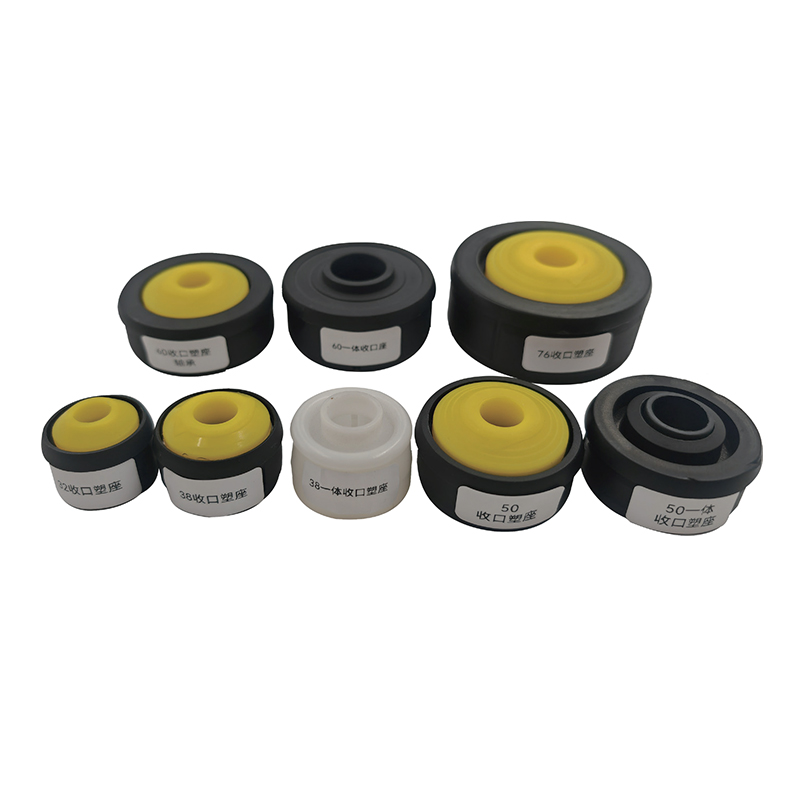 Roller End Cap Plastic Seat
Definition and Structural Characteristics The Open Plastic Seat is a terminal su...
-
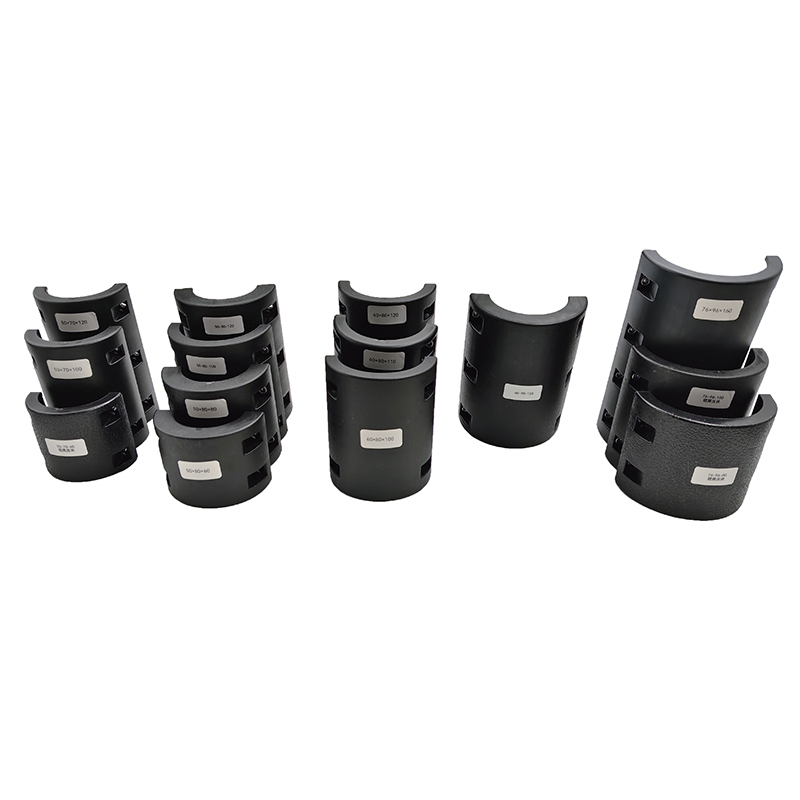 Roller Straight Sleeve
The Roller Straight Sleeve is a functional covering component installed on the o...
-
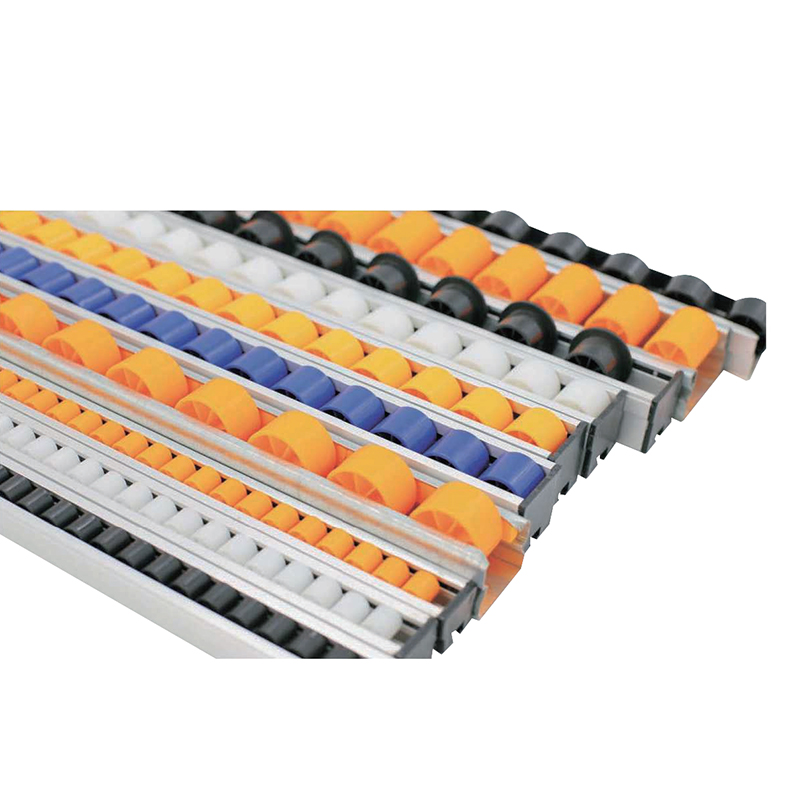 Conveyor Flow Bar
The conveyor flow bar is a rolling component designed for gravity-driven or assi...
-
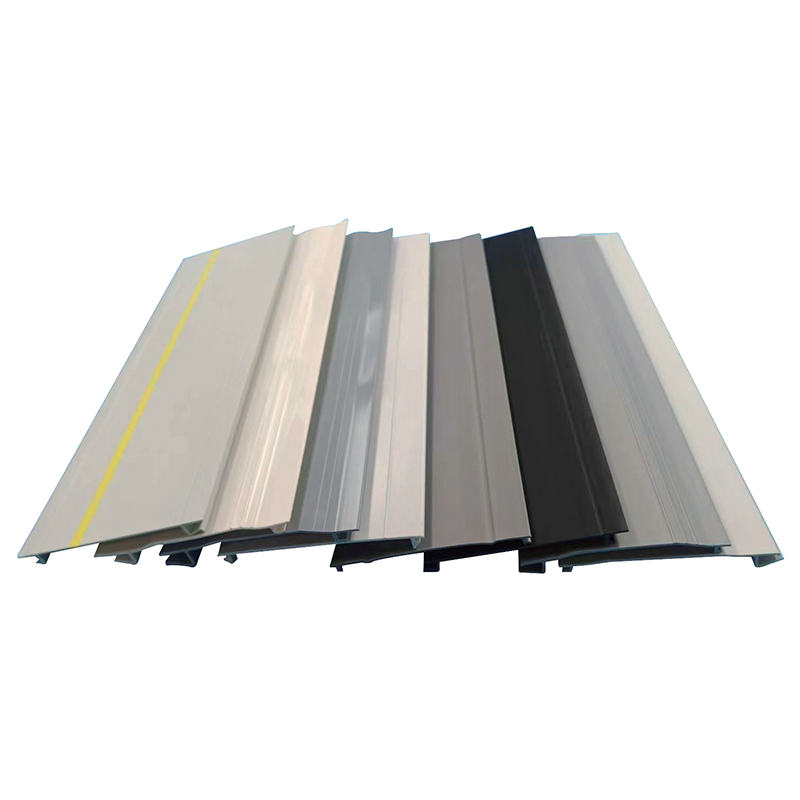 Conveyor Sealing Plate
The conveyor sealing plate is a side enclosure component designed for conveyor e...
-
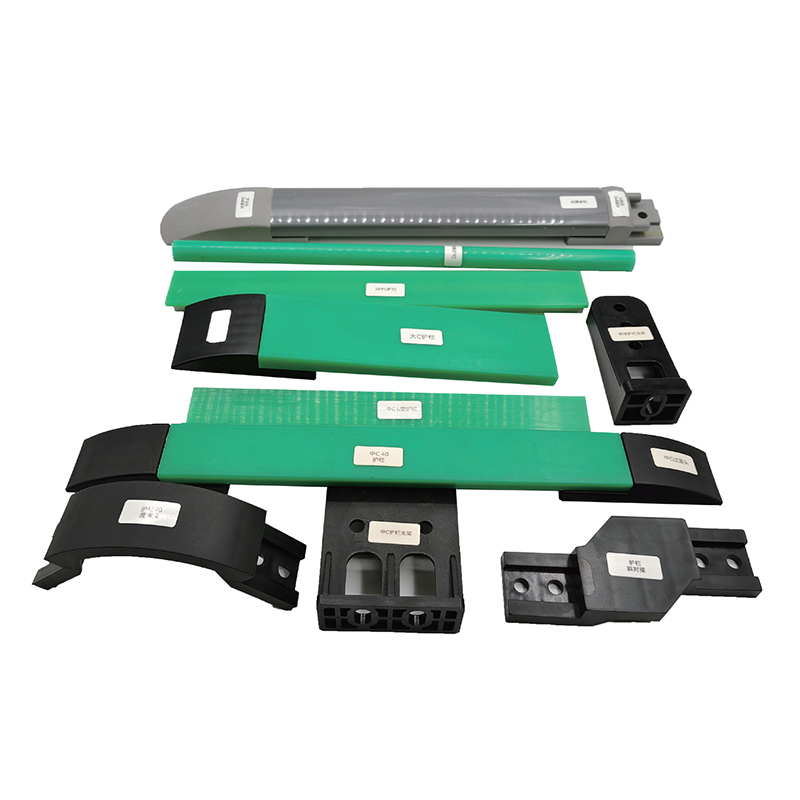 Conveyor Guardrail
The conveyor guardrail is a modular protective structure installed along the per...


+86-13250912999
Huzhou Nanxun Guan's Plastic Industry Co., Ltd.
Email: [email protected]
Address: Building 8, North Zone, Dehao Industrial Park, Linghu Town, Nanxun District, Huzhou City, Zhejiang Province, China
Navigation
Products
About us
Copyright © Huzhou Nanxun Guan's Plastic Industry Co., Ltd.
All Rights Reserved.
 Privacy
Wholesale Plastic Conveyor Parts Manufacturers
Privacy
Wholesale Plastic Conveyor Parts Manufacturers