
 English
 中文简体
中文简体 русский
 Español
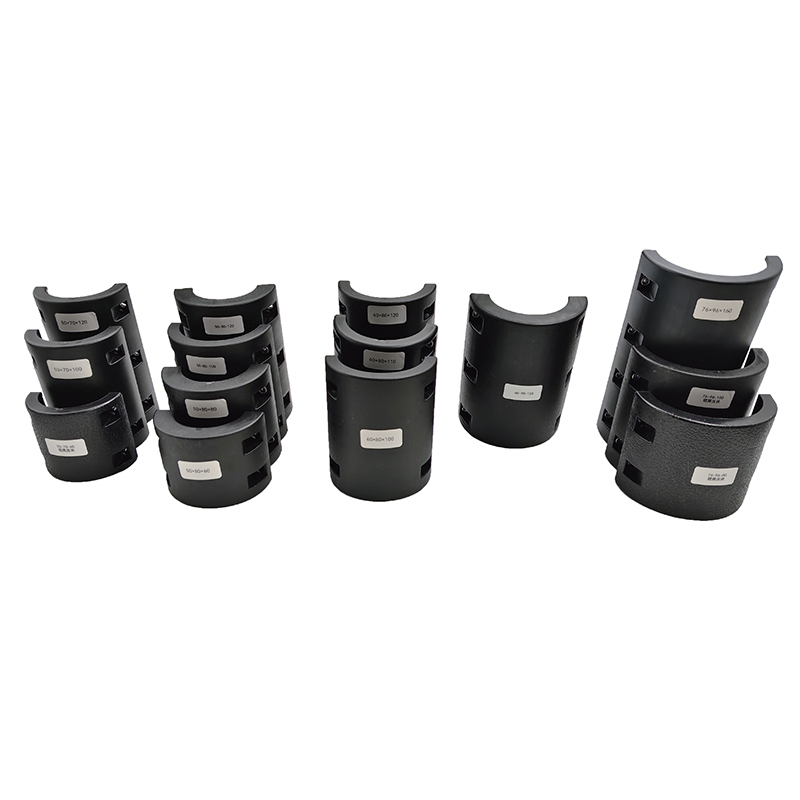
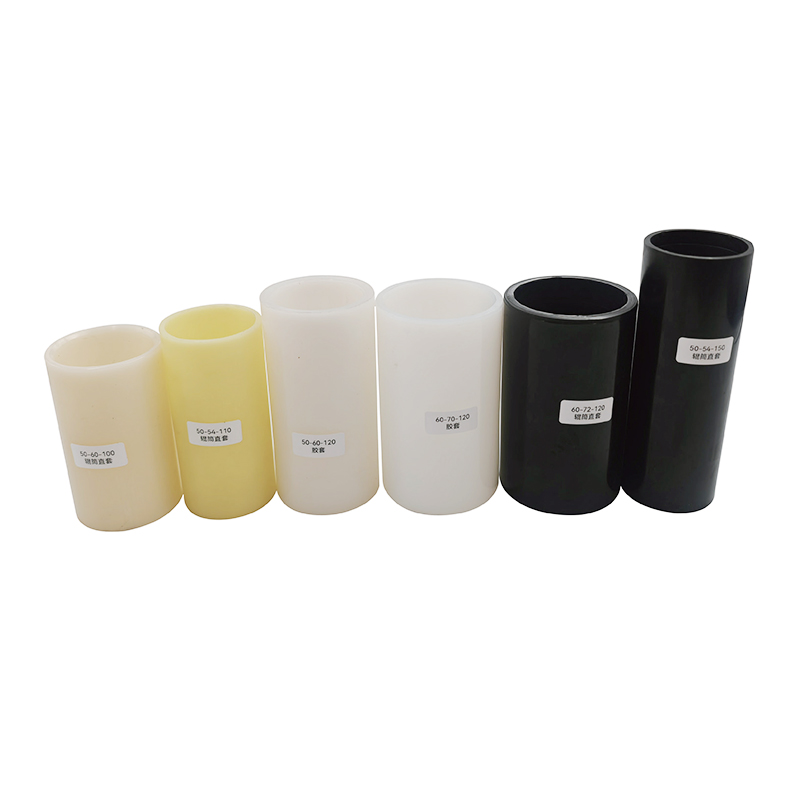
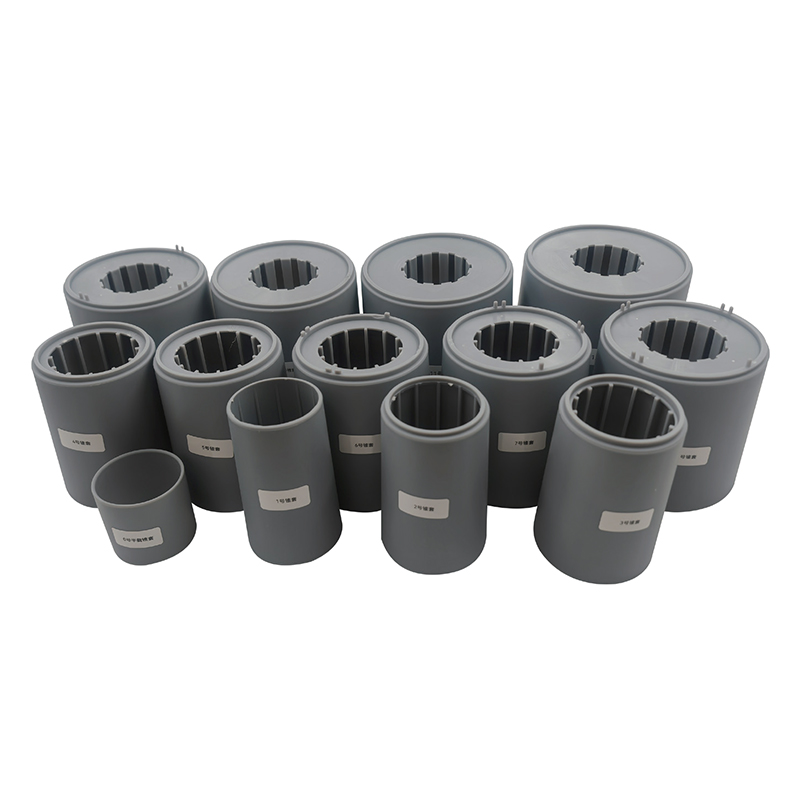
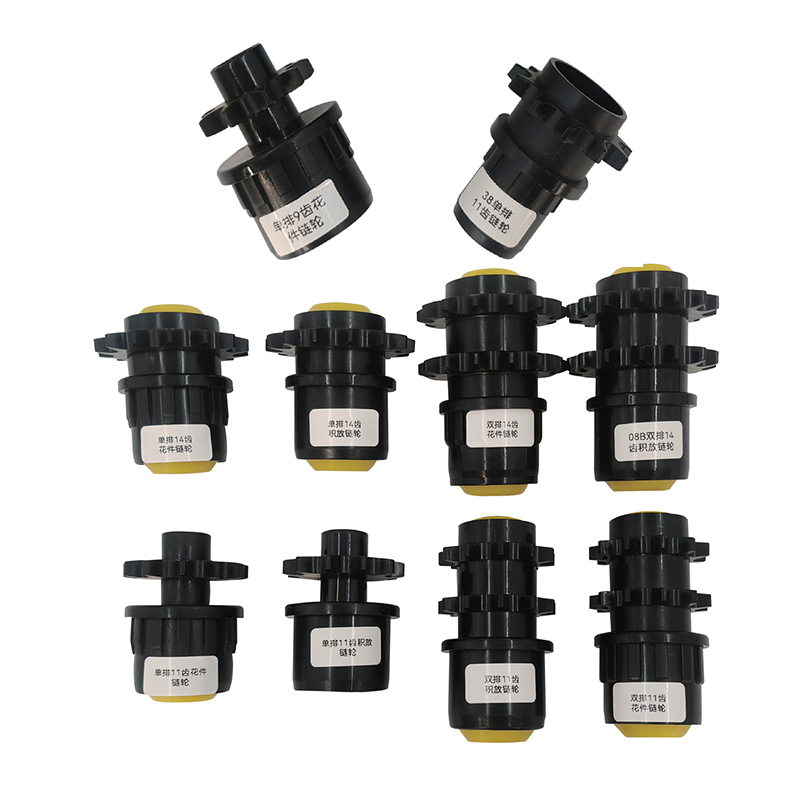
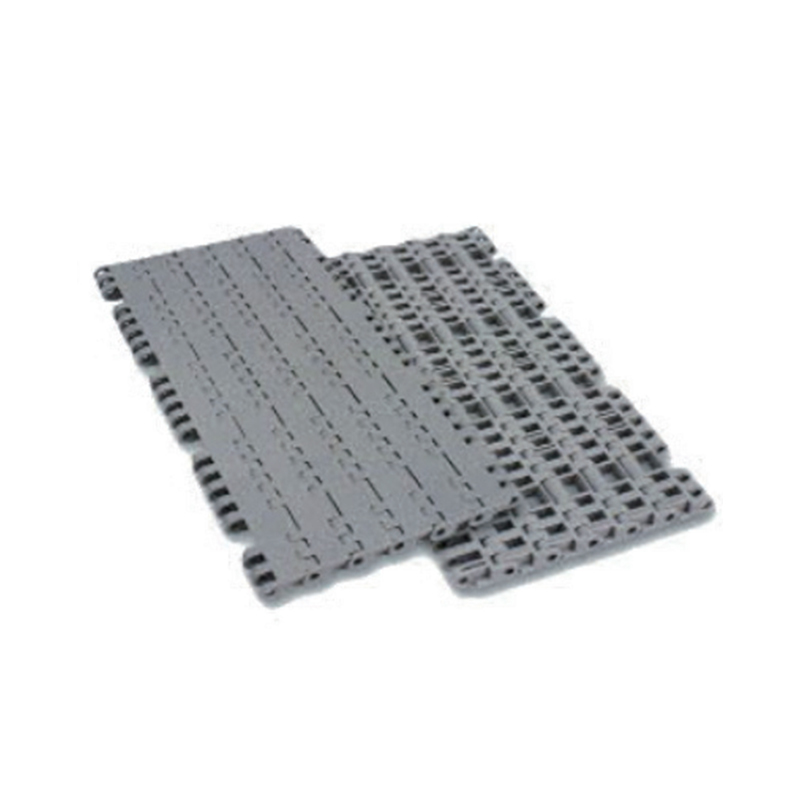
The 7705 Type Flat Chain Mesh is a modular plastic conveyor belt constructed from interloc...

Conveyor Plastic Chain Plate Manufacturers
-
-
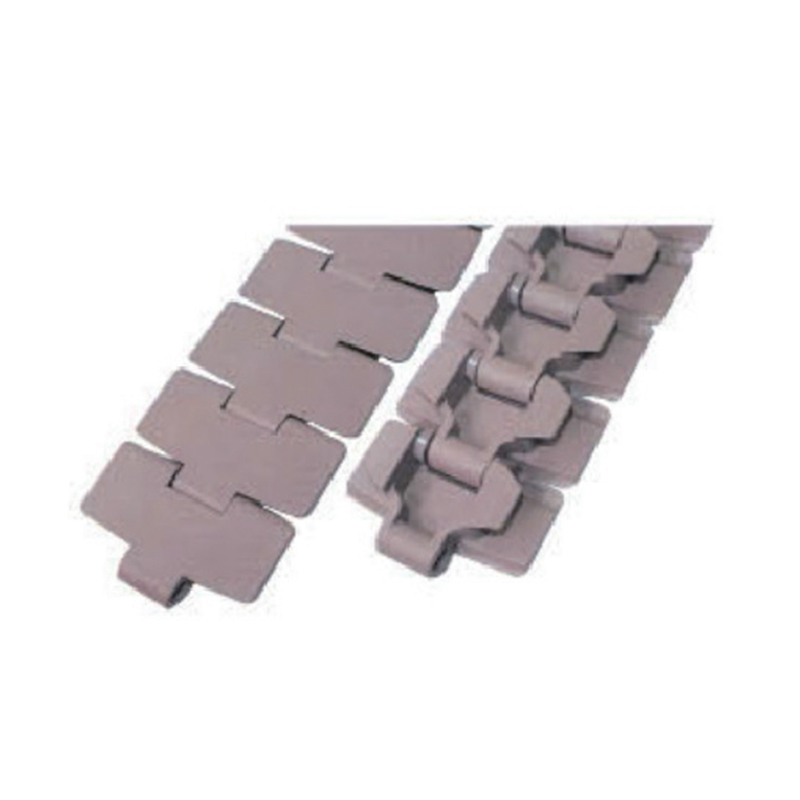 880 Guide Side Bending Chain
The 880 guide side-bending chain is designed for side-guided and curved conveying applicat...
Chain Plate Series offers high-quality, robust conveyor components designed to support demanding industrial processes. Built for longevity and reliability, these chain plates ensure smooth material handling across a wide range of industries. Crafted from durable materials, they are ideal for heavy-duty applications, providing excellent performance even in challenging environments. Whether you need components for bulk handling, assembly lines, or specialized machinery, our chain plate products deliver the durability and efficiency your operations demand.
About Us
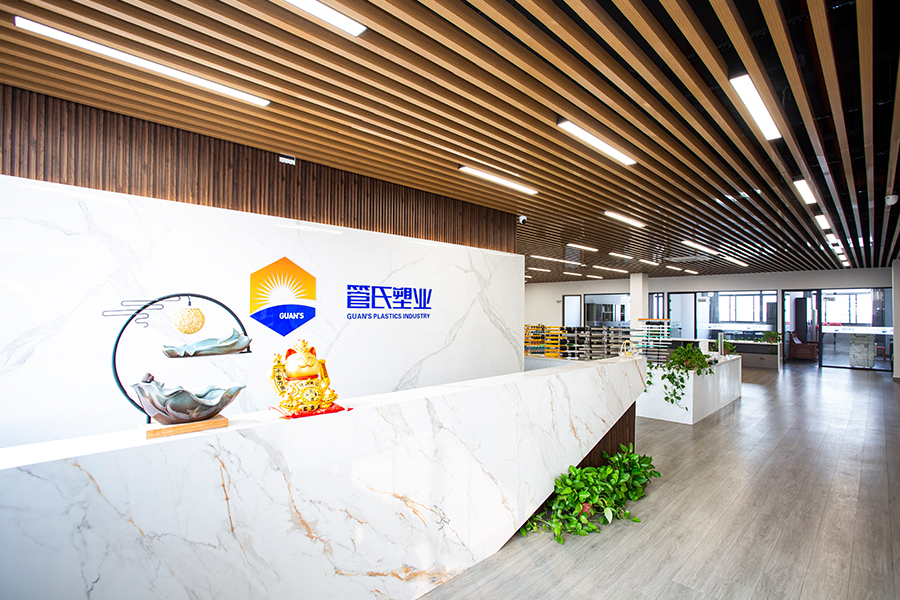
Huzhou Nanxun Guan's Plastic Industry Co., Ltd.
Huzhou Nanxun Guan's Plastic Industry Co., Ltd. was established in 2006, with its headquarters located in Huzhou, Zhejiang. Since its inception, the company has established three plastic product manufacturing bases and a laser cutting workshop in Zhejiang and Jiangsu provinces. We now have a large production, R&D, and operational space, with a growing team of employees. Our annual production volume has reached tens of millions of pieces, making us a well-known plastic product manufacturer and service provider both domestically and internationally.
As China Plastic Mesh Conveyor Belt Manufacturers and custom Conveyor Plastic Chain Plate factory, our products and services are widely applied in various industries, including logistics, pharmaceuticals, food and beverages, warehousing, organic produce, tobacco, tire manufacturing, and airport ground services. To meet the ever-growing demands of our customers, we have also developed a laser cutting project to further enhance our production capacity and technical capabilities.
News
-
November 3–6, 2026 | Shanghai New International Expo Centre | Hall W5 Invitation Huzhou Nanxun Guanshi Plastic Industry Co., Ltd. cordially invites you to visit...
READ MORE -
A conveyor roller looks simple from the outside: a tube, a shaft and a few small fittings. But the parts that decide whether it runs quietly for years or start...
READ MORE -
If you have ever pulled a roller out of a conveyor frame, you already know that the part which gives up first is rarely the roller tube itself. It is the small...
READ MORE -
Most people who buy a conveyor line eventually see a finished frame. Behind it, there is a supply chain of molds, injection machines, extrusion lines and inspe...
READ MORE -
Conveyor lines rarely stop because of a frame or a motor. Far more often the culprit is a worn sleeve, a cracked roller seat, or a guide rail that has lost its...
READ MORE
Message Feedback
Industry knowledge
What Are the Key Functions of a Conveyor Plastic Chain Plate?
As manufacturing systems continue to evolve toward automation and higher efficiency, conveyor components have become increasingly important in ensuring stable material flow. Among these components, the conveyor plastic chain plate has gained widespread attention due to its durability, flexibility, and adaptability across various industries. From food processing and pharmaceuticals to logistics and packaging, this component plays a critical role in maintaining smooth and reliable conveying operations.
In many automated systems, the conveyor plastic chain plate works alongside a plastic mesh conveyor belt and other modular conveyor accessories to provide efficient transportation solutions. Its low-maintenance characteristics and excellent resistance to wear make it a preferred choice for modern production environments.
Understanding the Conveyor Plastic Chain Plate
A conveyor plastic chain plate is a modular conveying component manufactured from engineering plastics. Individual chain links are connected to form a continuous conveying surface capable of transporting products of different shapes, weights, and sizes.
Compared with traditional metal chains, plastic chain plates offer several advantages, including lower noise levels, corrosion resistance, lighter weight, and improved operational flexibility. They are widely used in:
- Food and beverage production
- Pharmaceutical manufacturing
- Warehousing and logistics
- Packaging lines
- Organic produce processing
- Tobacco production
- Tire manufacturing
- Airport ground handling systems
These applications often require continuous operation and stable product transfer, making the conveyor plastic chain plate an essential part of automated material handling systems.
Key Functions of a Conveyor Plastic Chain Plate
Providing Stable Product Transportation
The primary function of a conveyor plastic chain plate is to transport products smoothly throughout the production process.
Its interconnected structure creates a stable conveying surface that minimizes product vibration and prevents slipping. This is particularly important when handling:
- Bottles and containers
- Boxes and packages
- Pharmaceutical products
- Food trays
- Lightweight components
Stable transportation improves overall production consistency and reduces product damage.
Supporting Continuous Production
Modern production lines depend heavily on uninterrupted workflows. Conveyor plastic chain plates enable continuous material movement, helping manufacturers maintain efficiency and reduce downtime.
Their modular design allows damaged sections to be replaced individually rather than changing the entire conveyor system. This simplifies maintenance and improves production continuity.
Key benefits include:
- Reduced maintenance time
- Increased line availability
- Consistent product flow
- Lower operating costs
Improving Flexibility in Conveyor Layouts
Many production facilities have limited space and complex layouts. Conveyor plastic chain plates provide excellent flexibility and can adapt to various conveying paths.
Common conveyor configurations include:
| Conveyor Layout | Application |
|---|---|
| Straight conveying | Packaging lines |
| Curved conveying | Beverage production |
| Inclined conveying | Material lifting systems |
| Spiral conveying | Cooling and accumulation processes |
| Multi-level conveying | Warehousing systems |
Because of their flexibility, conveyor plastic chain plates are frequently integrated with plastic mesh conveyor belt systems, modular conveyor belts, and side-flexing conveyor chains.
Reducing Noise During Operation
Noise reduction is becoming increasingly important in manufacturing environments. Plastic chain plates generate considerably less noise compared with metal chains.
This feature offers advantages such as:
- Improved workplace conditions
- Enhanced operator comfort
- Reduced vibration
- Lower wear on conveyor components
Quiet operation is especially valuable in food, pharmaceutical, and packaging facilities where a clean and comfortable working environment is essential.
Offering Excellent Wear and Corrosion Resistance
Production environments often expose conveyor components to moisture, cleaning chemicals, oils, and temperature variations.
Engineering plastics provide excellent resistance against:
- Corrosion
- Rust
- Abrasion
- Chemicals
- Moisture
These characteristics allow conveyor plastic chain plates to maintain reliable performance even in demanding applications.
Material Comparison of Conveyor Plastic Chain Plates
Different materials are selected according to application requirements.
| Material | Main Characteristics | Typical Applications |
|---|---|---|
| POM (Polyoxymethylene) | High strength and wear resistance | Beverage and packaging lines |
| PP (Polypropylene) | Chemical resistance and lightweight | Food and pharmaceutical industries |
| PE (Polyethylene) | Low friction and impact resistance | Logistics and warehousing |
| PA (Nylon) | High load-bearing capability | Heavy-duty conveying systems |
Material selection directly affects service life and conveying efficiency.
Relationship Between Conveyor Plastic Chain Plate and Plastic Mesh Conveyor Belt
Although both products belong to conveyor systems, they serve different functions.
| Feature | Conveyor Plastic Chain Plate | Plastic Mesh Conveyor Belt |
|---|---|---|
| Structure | Chain-linked modules | Open mesh design |
| Flexibility | High | Very high |
| Airflow and drainage | Moderate | Excellent |
| Product support | Strong | Suitable for lightweight products |
| Cleaning performance | Good | Excellent |
| Common industries | Packaging and logistics | Food processing and washing lines |
In many applications, these two components complement each other to create efficient and hygienic conveying solutions.
Applications Across Multiple Industries
Because of their versatility, conveyor plastic chain plates are widely used in numerous sectors.
Food and Beverage
They provide smooth conveying while supporting hygienic production requirements.
Pharmaceutical Industry
Their corrosion resistance and easy-cleaning characteristics help maintain high standards of cleanliness.
Warehousing and Logistics
They improve material flow and facilitate automated handling systems.
Organic Produce Processing
Their low-friction surfaces reduce product damage during transportation.
Tire Manufacturing
High-strength engineering plastics support continuous heavy-duty conveying.
Airport Ground Services
Conveyor systems equipped with plastic chain plates enable efficient luggage and cargo movement.
Why choose Guan’s?
Huzhou Nanxun Guan’s Plastic Industry Co., Ltd. has developed into a well-recognized plastic product manufacturer and service provider serving both domestic and international markets.
Extensive Manufacturing Capacity
Established in 2006, Guan’s Plastic has built:
- Three plastic product manufacturing bases
- One laser cutting workshop
- Large-scale production and R&D facilities
- Stable supply capabilities with annual output reaching tens of millions of pieces
These resources ensure reliable delivery for large-volume requirements.
Comprehensive Technical Capabilities
The company combines:
- Full-process plastic manufacturing
- Laser cutting technologies
- Standardized product systems
- Custom design solutions
This integrated approach enables customers to obtain one-stop conveyor component solutions.
Rich Industry Experience
With more than 20 years of experience in automated assembly line parts, Guan’s Plastic serves industries including:
- Logistics
- Pharmaceuticals
- Food and beverages
- Warehousing
- Organic produce
- Tobacco
- Tire manufacturing
- Airport ground services
Its products are designed to meet industry-specific requirements while supporting efficient production operations.
Continuous Product Development
Supported by a stable team and mature supply chain, Guan’s Plastic continuously improves its products to align with evolving market demands and application scenarios.
Conclusion
The conveyor plastic chain plate performs far more than a simple conveying function. It contributes to stable transportation, continuous production, flexible layouts, noise reduction, and enhanced durability. Combined with components such as the plastic mesh conveyor belt, modular conveyor belt systems, and side-flexing chains, it provides reliable solutions for modern automated production lines.
FAQ
1. What is a conveyor plastic chain plate used for?
A conveyor plastic chain plate is used for transporting products smoothly and efficiently in automated production lines across industries such as food processing, logistics, pharmaceuticals, and packaging.
2. What are the advantages of plastic chain plates over metal chains?
Plastic chain plates provide lower noise, corrosion resistance, reduced weight, easier maintenance, and greater flexibility in conveyor design.
3. How does a plastic mesh conveyor belt differ from a conveyor plastic chain plate?
A plastic mesh conveyor belt features an open structure suitable for airflow and drainage, while a conveyor plastic chain plate provides stronger product support and higher load capacity.
4. Which materials are commonly used for conveyor plastic chain plates?
Common materials include POM, PP, PE, and nylon, each offering different characteristics for various industrial applications.
5. Can conveyor plastic chain plates be customized?
Yes. Sizes, widths, materials, colors, and structural configurations can be customized to meet specific production requirements.


+86-13250912999
Huzhou Nanxun Guan's Plastic Industry Co., Ltd.
Email: [email protected]
Address: Building 8, North Zone, Dehao Industrial Park, Linghu Town, Nanxun District, Huzhou City, Zhejiang Province, China
Navigation
Products
About us
Copyright © Huzhou Nanxun Guan's Plastic Industry Co., Ltd.
All Rights Reserved.
Privacy
 Custom Conveyor Plastic Chain Plate Manufacturers