
 English
 中文简体
中文简体 русский
 Español
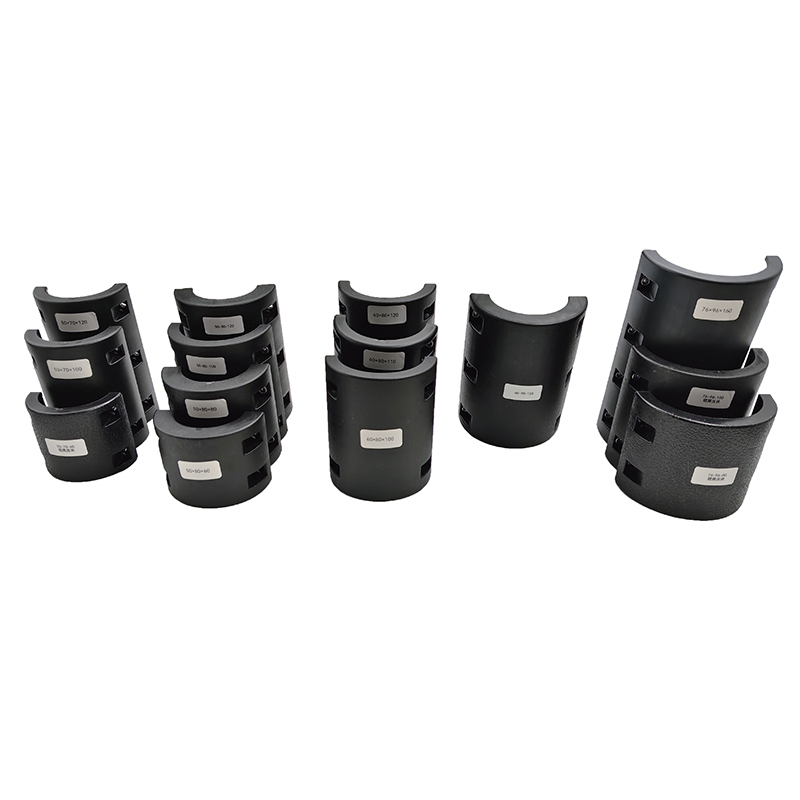
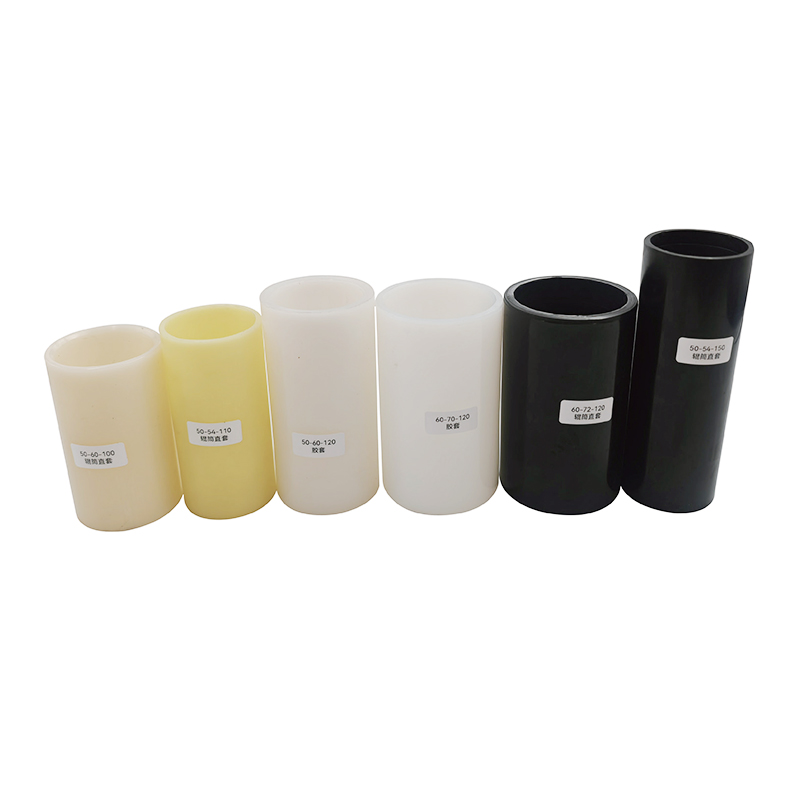
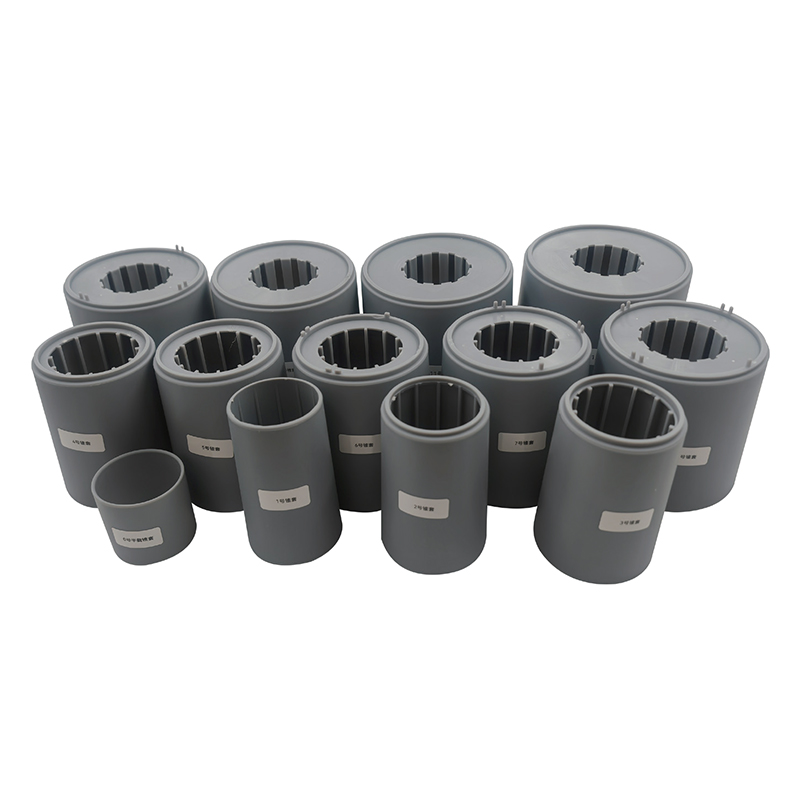
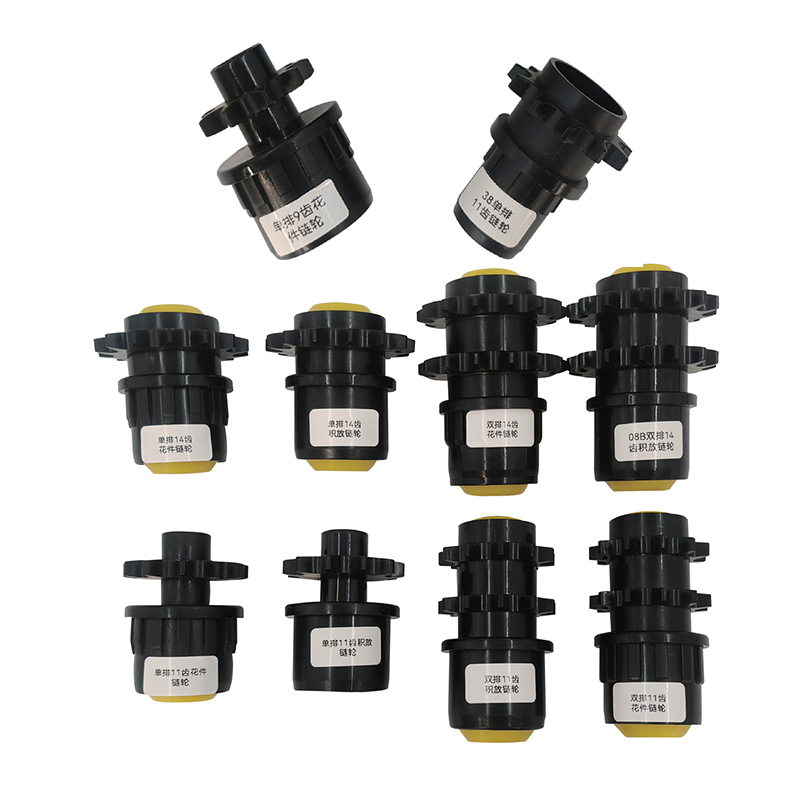
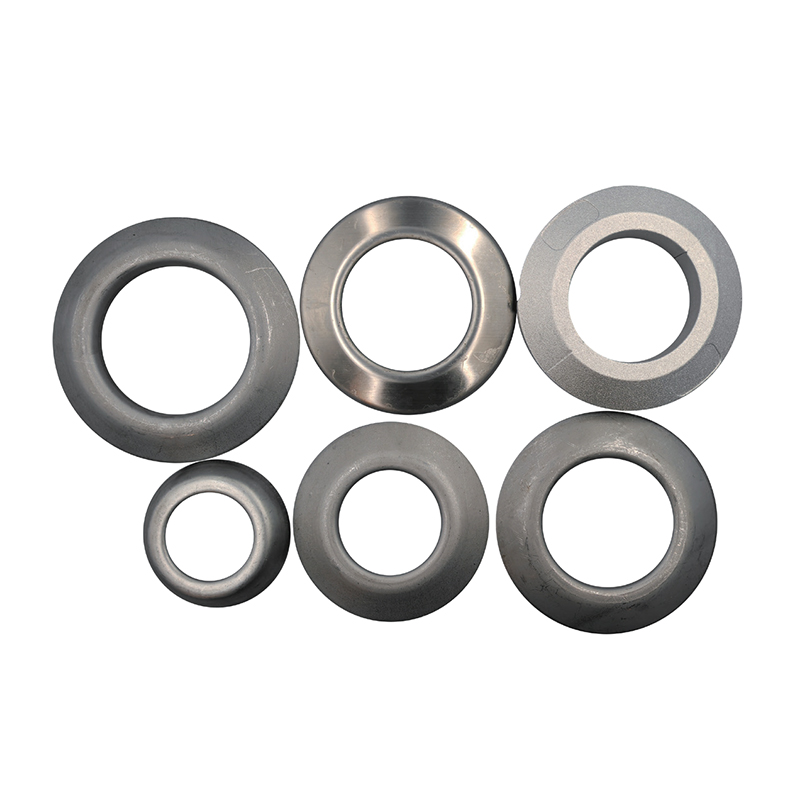
A retainer ring is an axial positioning component used on conveyor rollers, shafts, and ro...

Retainer Ring Series
About Us
Huzhou Nanxun Guan's Plastic Industry Co., Ltd.
Huzhou Nanxun Guan's Plastic Industry Co., Ltd. was established in 2006, with its headquarters located in Huzhou, Zhejiang. Since its inception, the company has established three plastic product manufacturing bases and a laser cutting workshop in Zhejiang and Jiangsu provinces. We now have a large production, R&D, and operational space, with a growing team of employees. Our annual production volume has reached tens of millions of pieces, making us a well-known plastic product manufacturer and service provider both domestically and internationally.
As China Conveyor Roller Retainer Manufacturers and custom Conveyor Roller Retaining Ring factory, our products and services are widely applied in various industries, including logistics, pharmaceuticals, food and beverages, warehousing, organic produce, tobacco, tire manufacturing, and airport ground services. To meet the ever-growing demands of our customers, we have also developed a laser cutting project to further enhance our production capacity and technical capabilities.
News
-
November 3–6, 2026 | Shanghai New International Expo Centre | Hall W5 Invitation Huzhou Nanxun Guanshi Plastic Industry Co., Ltd. cordially invites you to visit...
READ MORE -
A conveyor roller looks simple from the outside: a tube, a shaft and a few small fittings. But the parts that decide whether it runs quietly for years or start...
READ MORE -
If you have ever pulled a roller out of a conveyor frame, you already know that the part which gives up first is rarely the roller tube itself. It is the small...
READ MORE -
Most people who buy a conveyor line eventually see a finished frame. Behind it, there is a supply chain of molds, injection machines, extrusion lines and inspe...
READ MORE -
Conveyor lines rarely stop because of a frame or a motor. Far more often the culprit is a worn sleeve, a cracked roller seat, or a guide rail that has lost its...
READ MORE
Message Feedback
Industry knowledge
How to Select the Correct Retaining Ring Material and Size for Different PVC Conveyor Roller Tubes
Selecting the right retaining ring for PVC conveyor roller tubes is critical for maintaining axial bearing position, preventing roller disassembly, and ensuring long-term reliability. At Huzhou Nanxun Guan's Plastic Industry Co., Ltd., we manufacture precision conveyor roller retaining rings and PVC tubes that work together seamlessly across industries like logistics, food & beverage, and airport ground services.
Key Factors in Retaining Ring Selection for PVC Rollers
- Tube outer diameter (OD) and groove dimensions: Ring size must match the groove cut into the PVC roller tube.
- Material compatibility: Ring material should not corrode or damage PVC under operating conditions.
- Axial load requirement: Heavier loads need thicker rings or stronger materials.
- Operating environment: Humidity, chemicals, and temperature affect ring material choice.
- Assembly/disassembly frequency: Some rings are reusable; others are one-time snap fits.
Recommended Retaining Ring Materials for Different PVC Roller Applications
| Environment / Condition | Recommended Ring Material | Key Properties |
|---|---|---|
| General indoor, dry logistics | Carbon steel (zinc/black oxide coated) | Low cost, adequate strength, moderate corrosion resistance |
| High humidity, washdown areas, food & beverage | Stainless steel (304 or 316) | Excellent corrosion resistance, non-rusting, sanitary |
| Strong acids, alkalis, chemical exposure | Plastic retaining rings (PP, POM, or nylon) | Chemically inert, non-marring to PVC, lightweight |
| High temperature (>60°C) or heavy shock loads | Carbon steel with phosphate coating | Heat resistance, high tensile strength, durable |
Parameter Comparison: Retaining Ring Size vs. PVC Roller Tube OD
| PVC Tube Outer Diameter (mm) | Recommended Groove Diameter (mm) | Retaining Ring Nominal Size (mm) | Ring Thickness (mm) | Max Axial Load Capacity (N) |
|---|---|---|---|---|
| 20 – 25 | 18.5 – 23.5 | 18 – 24 | 0.8 – 1.0 | 300 – 500 |
| 30 – 40 | 28.0 – 38.0 | 28 – 38 | 1.0 – 1.2 | 600 – 1000 |
| 45 – 55 | 42.5 – 52.5 | 42 – 52 | 1.2 – 1.5 | 1200 – 1800 |
| 60 – 76 | 57.0 – 73.0 | 56 – 72 | 1.5 – 2.0 | 2000 – 3000 |
Note: Retaining ring groove dimensions must be precisely machined. At Huzhou Nanxun Guan's Plastic Industry Co., Ltd., our laser cutting workshop ensures accurate groove cutting on all PVC pipe series for perfect ring fitment.
Step-by-Step Selection Procedure
Step 1: Measure PVC tube OD and wall thickness
Determine the exact outer diameter of your PVC conveyor roller tube. Our standard tubes range from 20 mm to 120 mm OD.
Step 2: Define axial load requirements
Calculate the maximum thrust force the retaining ring must withstand (e.g., from belt tension or inclined conveyor).
Step 3: Choose ring material based on environment
Refer to the material table above. For most food/pharma applications, stainless steel is preferred. For chemical plants, plastic rings are ideal.
Step 4: Match ring size to groove dimensions
Use the size comparison table. The groove depth should be 75-85% of ring radial wall thickness.
Step 5: Test with actual roller assembly
Always verify that the retaining ring snaps firmly into the groove without excessive play or deformation of the PVC tube.
About Huzhou Nanxun Guan's Plastic Industry Co., Ltd.
Huzhou Nanxun Guan's Plastic Industry Co., Ltd. was established in 2006, with its headquarters located in Huzhou, Zhejiang. Since its inception, the company has established three plastic product manufacturing bases and a laser cutting workshop in Zhejiang and Jiangsu provinces. We now have a large production, R&D, and operational space, with a growing team of employees. Our annual production volume has reached tens of millions of pieces, making us a well-known plastic product manufacturer and service provider both domestically and internationally. Our products and services are widely applied in various industries, including logistics, pharmaceuticals, food and beverages, warehousing, organic produce, tobacco, tire manufacturing, and airport ground services. To meet the ever-growing demands of our customers, we have also developed a laser cutting project to further enhance our production capacity and technical capabilities.
Frequently Asked Questions (FAQ)
- Q1: What retaining ring material does Huzhou Nanxun Guan's Plastic Industry Co., Ltd. recommend for PVC rollers used in high-humidity cold storage warehouses?
A: For high-humidity and low-temperature environments (e.g., cold storage at -10°C to 5°C), Huzhou Nanxun Guan's Plastic Industry Co., Ltd. recommends 304 stainless steel retaining rings from our retainer ring series. Stainless steel prevents rust from condensation, and the material retains toughness at low temperatures. We also offer nylon plastic rings if electrical non-conductivity is required. Contact our team to verify groove dimensions for your specific PVC tube OD. - Q2: Can I reuse a retaining ring after removing it from a PVC conveyor roller during maintenance?
A: It depends on the ring type. Huzhou Nanxun Guan's Plastic Industry Co., Ltd. supplies both reusable (constant-section) and one-time (tapered-section) retaining rings. For most PVC roller applications with moderate loads, our stainless steel and carbon steel rings can be reused 3-5 times if removed carefully with proper pliers. However, if the ring shows any deformation, bending, or loss of tension, replace it immediately. Our laser-cut PVC roller grooves are designed to standard tolerances, making ring replacement straightforward. - Q3: How does your laser cutting workshop help ensure correct retaining ring fit on custom-size PVC roller tubes?
A: At Huzhou Nanxun Guan's Plastic Industry Co., Ltd., our in-house laser cutting workshop in Jiangsu province allows us to machine precise retaining ring grooves on any PVC tube diameter from 20 mm to 150 mm with a tolerance of ±0.05 mm. This ensures that whether you choose a carbon steel, stainless steel, or plastic retaining ring, the groove depth and width exactly match the ring's specifications. We also provide sample fitting before mass production, eliminating field-fitting issues and reducing assembly time by up to 40%.
Key Differences Between a Conveyor Roller Retainer and a Retaining Ring: Function and Assembly
In conveyor roller systems, both conveyor roller retainers and retaining rings are used for axial positioning, but they differ significantly in design, function, and assembly method. At Huzhou Nanxun Guan's Plastic Industry Co., Ltd., we manufacture both components as part of our retainer ring series, along with precision PVC roller tubes. Understanding these differences helps engineers select the right solution for each application in logistics, food & beverage, pharmaceuticals, and airport ground services.
Definitions and Primary Functions
- Conveyor Roller Retainer: A component (often plastic or metal) that holds bearings, shafts, or multiple rollers together as an assembly. It may include end caps, snap-fit housings, or threaded retainers. Function: Secures internal bearing position and prevents axial movement of the entire roller core.
- Retaining Ring (Circlip): A thin, spring-like metal ring that snaps into a machined groove on a shaft or inside a bore. Function: Provides a shoulder to locate bearings or components axially with minimal radial protrusion.
Key Differences: Conveyor Roller Retainer vs. Retaining Ring
| Feature Aspect | Conveyor Roller Retainer | Retaining Ring (Circlip) |
|---|---|---|
| Primary Function | Holds bearing, shaft, or roller assembly together; often acts as end closure | Provides axial stop for bearing or component within a groove |
| Typical Material | Engineering plastic (PP, POM, nylon) or stamped steel | Carbon spring steel, stainless steel |
| Assembly Method | Push-in, screw-on, or snap-fit over roller end | Expands/contracts into precision groove using pliers |
| Groove Requirement | May not require groove; often uses friction or threading | Requires precise groove cut into shaft or bore |
| Reusability | Often reusable (screw or snap type) without wear | Limited reusability (1-3 times if carefully removed) |
| Axial Load Capacity | Moderate to high (depends on design) | High (precision steel, load-rated) |
| Corrosion Resistance (Standard type) | Excellent with plastic; steel version may rust | Good if stainless steel; carbon steel needs coating |
| Typical Application in PVC Rollers | End caps that seal and retain bearing in plastic tube | Internal groove to lock bearing inside PVC roller |
Assembly Comparison
Conveyor Roller Retainer Assembly
- Tools required: Usually hand pressure or simple press; sometimes a screwdriver
- Steps: Insert bearing into PVC tube → Push or screw retainer into tube end → Snap or tighten until flush
- Advantage for PVC rollers: No groove machining needed; reduces production steps
- Risk: Plastic retainers may creep under sustained heavy loads >100 kg per roller
Retaining Ring Assembly
- Tools required: External or internal retaining ring pliers
- Steps: Machine precise groove in PVC tube → Compress ring with pliers → Insert into groove → Release
- Advantage for PVC rollers: Very low axial profile; secure locking even under vibration
- Risk: Groove must be machined accurately (tolerance ±0.05 mm) to prevent ring pop-out
Parameter Comparison Table for PVC Conveyor Rollers
| Parameter | Plastic Conveyor Roller Retainer | Steel Retaining Ring (e.g., circlip) |
|---|---|---|
| Max axial load (40mm OD roller) | 600 N | 1200 N |
| Installation time per unit | 3-5 seconds (snap type) | 10-15 seconds (requires pliers) |
| Groove machining needed? | No | Yes – precision groove |
| Suitable for thin-wall PVC tube (wall <2mm) | Yes – no groove weakens tube | No – groove reduces wall strength |
| Chemical resistance (acids/alkalis) | Excellent (plastic) | Good only if stainless steel |
| Cost per piece (high volume) | Lower ($0.10-0.30) | Moderate ($0.20-0.80) |
Which One to Choose for Your PVC Conveyor Roller?
- Choose a conveyor roller retainer when: Assembly speed is critical; tube wall is thin (<2.5 mm); you want to avoid groove machining; working environment is chemically aggressive (plastic retainers).
- Choose a retaining ring when: Axial loads exceed 800 N per roller; tube wall is thick enough (>3 mm) to support a groove; you need a low-profile, all-metal solution for high-temperature environments (>80°C).
About Huzhou Nanxun Guan's Plastic Industry Co., Ltd.
Huzhou Nanxun Guan's Plastic Industry Co., Ltd. was established in 2006, with its headquarters located in Huzhou, Zhejiang. Since its inception, the company has established three plastic product manufacturing bases and a laser cutting workshop in Zhejiang and Jiangsu provinces. We now have a large production, R&D, and operational space, with a growing team of employees. Our annual production volume has reached tens of millions of pieces, making us a well-known plastic product manufacturer and service provider both domestically and internationally. Our products and services are widely applied in various industries, including logistics, pharmaceuticals, food and beverages, warehousing, organic produce, tobacco, tire manufacturing, and airport ground services. To meet the ever-growing demands of our customers, we have also developed a laser cutting project to further enhance our production capacity and technical capabilities.
Frequently Asked Questions (FAQ)
- Q1: Does Huzhou Nanxun Guan's Plastic Industry Co., Ltd. offer both plastic retainers and metal retaining rings for PVC conveyor rollers?
A: Yes. At Huzhou Nanxun Guan's Plastic Industry Co., Ltd., we manufacture both types under our retainer ring series. Our plastic retainers (PP and nylon) are ideal for chemical and food environments, while our stainless steel retaining rings are recommended for high-load, high-temperature applications. Our laser cutting workshop also provides precision groove cutting for retaining ring installation on any PVC tube size. - Q2: Can I replace a broken plastic retainer with a metal retaining ring on the same PVC roller tube?
A: Not directly, because retaining rings require a precise groove, while plastic retainers typically don't. However, Huzhou Nanxun Guan's Plastic Industry Co., Ltd. can re-machine your existing PVC tubes in our laser cutting workshop to add retaining ring grooves. We will evaluate the remaining wall thickness first – for tubes with original wall thickness ≥3.0 mm, groove cutting is safe. For thinner tubes, we recommend staying with a plastic retainer design. Contact our engineering team for a free feasibility check. - Q3: Which fastening method provides better vibration resistance for high-speed conveyor rollers – retainer or retaining ring?
A: For high-speed conveyors (above 1.5 m/s) with significant vibration, a metal retaining ring offers superior vibration resistance because it sits tightly inside a precision-machined groove. Plastic retainers can loosen over time under strong vibration. However, Huzhou Nanxun Guan's Plastic Industry Co., Ltd. has developed a locking plastic retainer with internal barbs that matches retaining ring performance for speeds up to 2.5 m/s in most logistics applications. We can provide both designs with detailed vibration test data upon request.


+86-13250912999
Huzhou Nanxun Guan's Plastic Industry Co., Ltd.
Email: [email protected]
Address: Building 8, North Zone, Dehao Industrial Park, Linghu Town, Nanxun District, Huzhou City, Zhejiang Province, China
Navigation
Products
About us
Copyright © Huzhou Nanxun Guan's Plastic Industry Co., Ltd.
All Rights Reserved.
Privacy
 Custom Conveyor Roller Retaining Ring Manufacturers