
 English
 中文简体
中文简体 русский
 Español
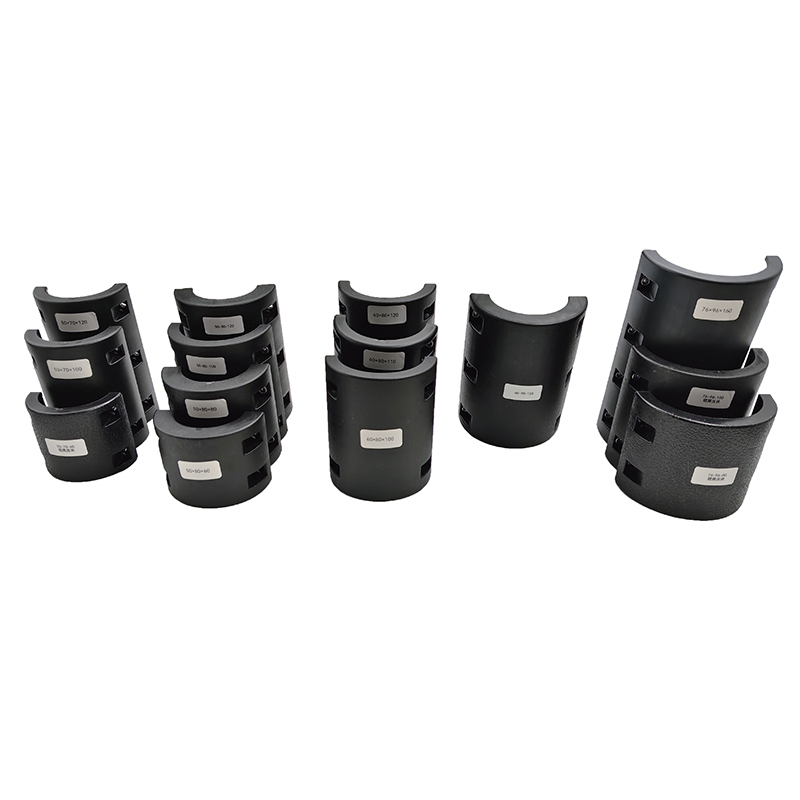
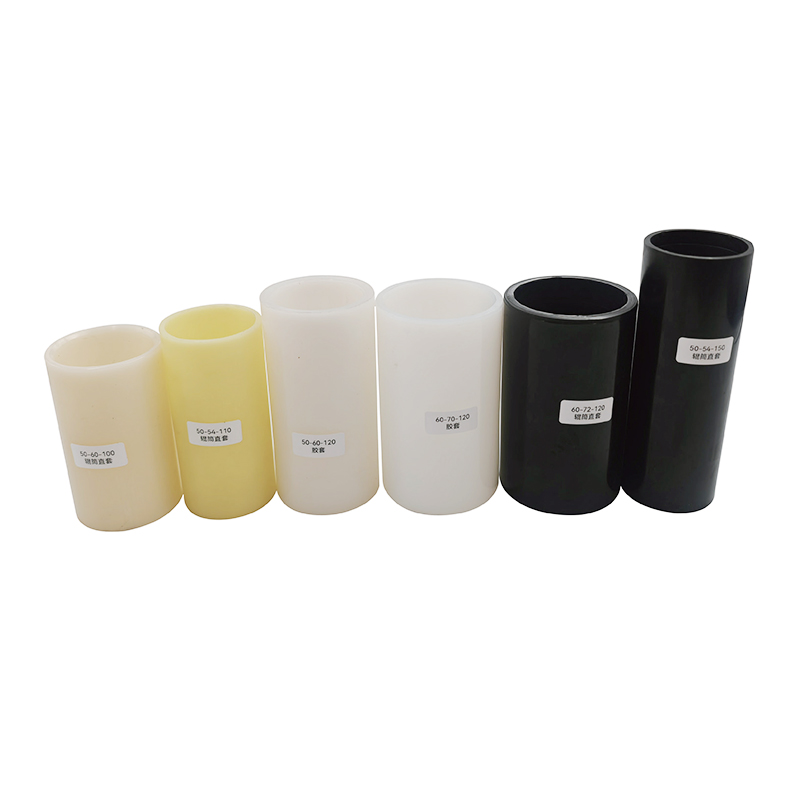
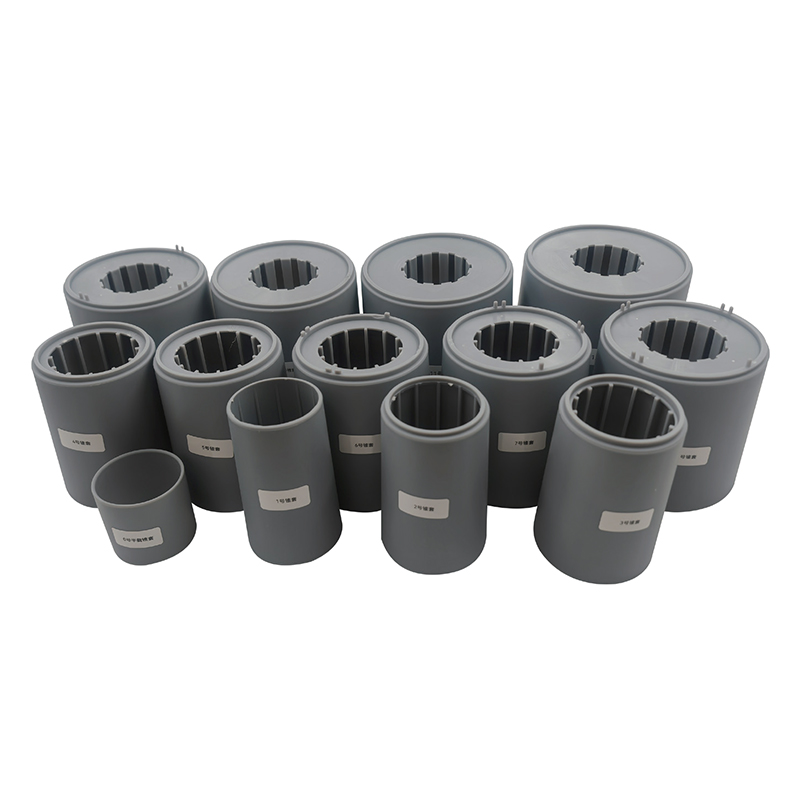
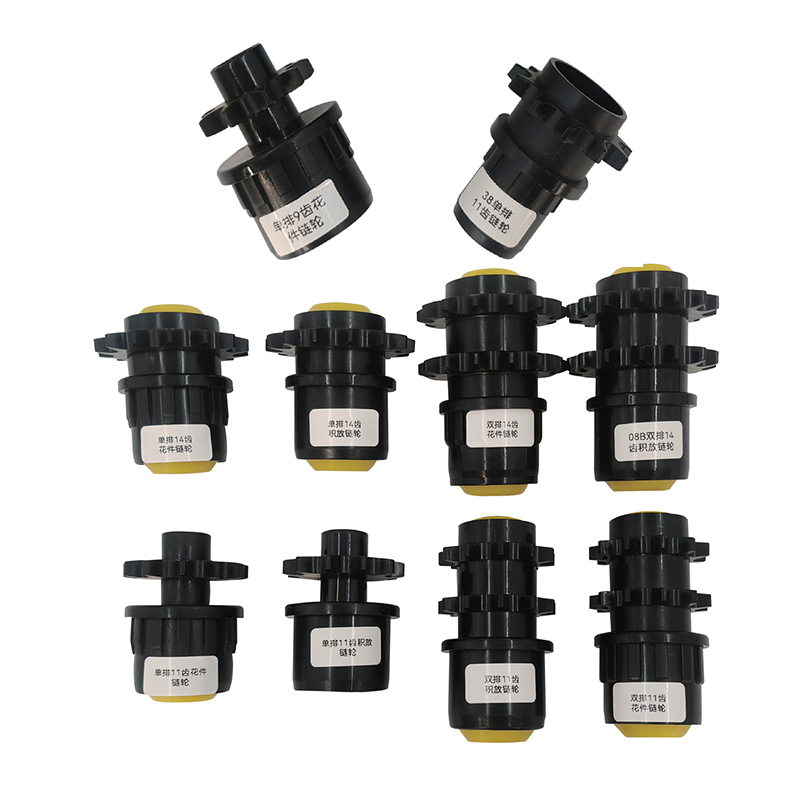
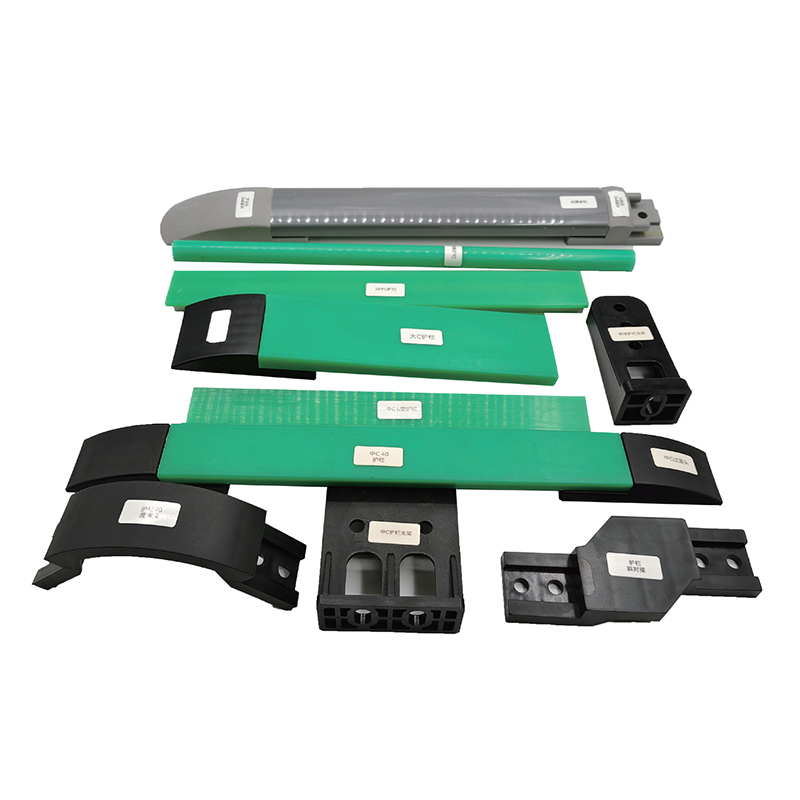
The conveyor guardrail is a modular protective structure installed along the periphery of ...

Box-type Line Parts Manufacturers
-
-
 Conveyor Sealing Plate
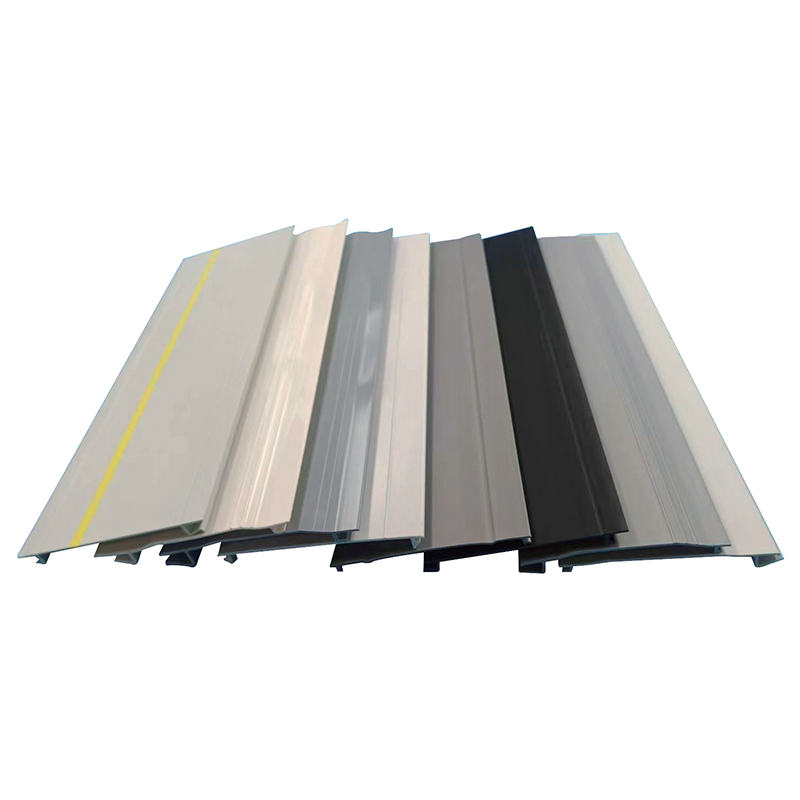
The conveyor sealing plate is a side enclosure component designed for conveyor equipment f...
The Box-type Line Series features a versatile range of high-quality components designed for conveyor systems. Ideal for various industrial applications, these components ensure smooth and efficient material handling. Built with durability and reliability in mind, the Box-type line offers seamless integration with existing conveyor setups, optimizing performance and minimizing downtime. Whether for heavy-duty or precision conveyor needs, our Box-type components are engineered to meet the highest standards of quality and functionality.
About Us
Huzhou Nanxun Guan's Plastic Industry Co., Ltd.
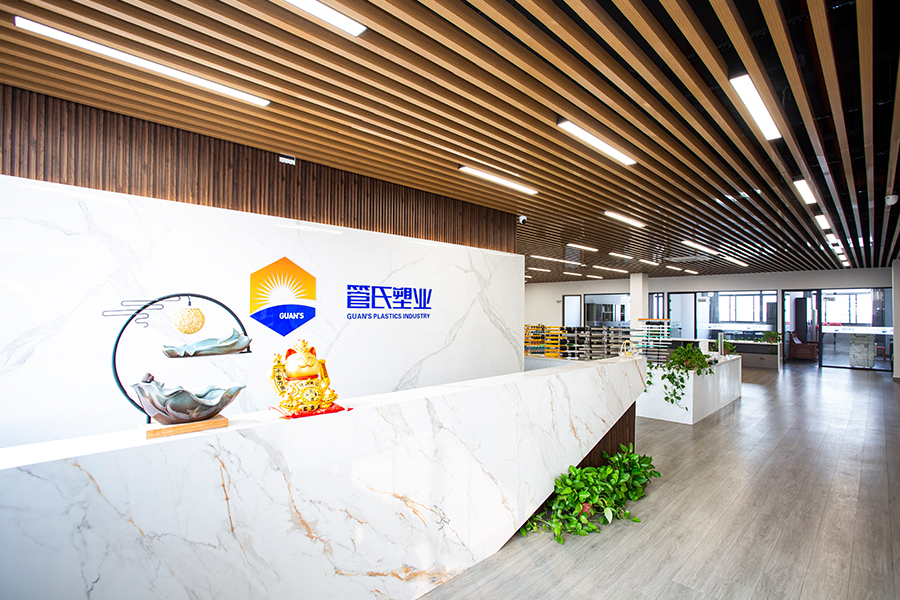
Huzhou Nanxun Guan's Plastic Industry Co., Ltd. was established in 2006, with its headquarters located in Huzhou, Zhejiang. Since its inception, the company has established three plastic product manufacturing bases and a laser cutting workshop in Zhejiang and Jiangsu provinces. We now have a large production, R&D, and operational space, with a growing team of employees. Our annual production volume has reached tens of millions of pieces, making us a well-known plastic product manufacturer and service provider both domestically and internationally.
As China Box-type Line Parts Manufacturers and custom Box-type Line Parts factory, our products and services are widely applied in various industries, including logistics, pharmaceuticals, food and beverages, warehousing, organic produce, tobacco, tire manufacturing, and airport ground services. To meet the ever-growing demands of our customers, we have also developed a laser cutting project to further enhance our production capacity and technical capabilities.
News
-
November 3–6, 2026 | Shanghai New International Expo Centre | Hall W5 Invitation Huzhou Nanxun Guanshi Plastic Industry Co., Ltd. cordially invites you to visit...
READ MORE -
A conveyor roller looks simple from the outside: a tube, a shaft and a few small fittings. But the parts that decide whether it runs quietly for years or start...
READ MORE -
If you have ever pulled a roller out of a conveyor frame, you already know that the part which gives up first is rarely the roller tube itself. It is the small...
READ MORE -
Most people who buy a conveyor line eventually see a finished frame. Behind it, there is a supply chain of molds, injection machines, extrusion lines and inspe...
READ MORE -
Conveyor lines rarely stop because of a frame or a motor. Far more often the culprit is a worn sleeve, a cracked roller seat, or a guide rail that has lost its...
READ MORE
Message Feedback
Industry knowledge
Why are box-type line accessories preferred over open conveyor components?
In the rapidly evolving landscape of modern industrial automation, selecting the correct material handling framework is pivotal for achieving operational excellence. Conveyor systems serve as the structural backbone of logistics, warehousing, packaging, and manufacturing plants across the globe. Within these settings, a continuous technical debate persists regarding the optimal design of conveyor tracks, specifically comparing modern enclosed systems against traditional open-frame configurations. High-performance industrial operations increasingly show a definitive preference for enclosed conveyor track structures over legacy alternatives. By choosing specialized box-type line accessories, engineering teams can implement a reliable, protected, and inherently modular architecture that directly resolves the major operational vulnerabilities associated with open-frame conveying systems.
Open conveyor networks, while structurally simple, frequently subject moving mechanical parts to harsh environmental factors, resulting in accelerated component degradation, dust accumulation, and elevated safety risks for plant operators. In contrast, integrating a structural enclosure provides superior mechanical stability and continuous protection for rollers, chains, guidance tracks, and structural links. As manufacturing demands scale upward, companies require component suppliers capable of delivering highly durable, specialized accessories designed to fit these precise profiles. To understand why modern material handling systems lean heavily toward enclosed tracks, it is essential to evaluate the foundational features, distinct applications, and functional profiles of these components across distinct industrial sub-categories.
Understanding this technological shift requires deep insight into industrial polymer manufacturing and precise engineering. Huzhou Nanxun Guan's Plastic Industry Co., Ltd. was established in 2006, with its headquarters located in Huzhou, Zhejiang. Since its inception, the company has established three plastic product manufacturing bases and a laser cutting workshop in Zhejiang and Jiangsu provinces. We now have a large production, R&D, and operational space, with a growing team of employees. Our annual production volume has reached tens of millions of pieces, making us a well-known plastic product manufacturer and service provider both domestically and internationally. Utilizing advanced engineering capabilities, the company designs and delivers specialized components that optimize these advanced enclosed conveyor configurations, ensuring high durability across various industrial environments.
Enclosed Heavy-Duty Sliding Tracks and Guideways
Enclosed heavy-duty sliding tracks represent a primary structural group within modern material handling configurations. These specialized profiles are engineered to completely envelope the internal rolling elements and driving chains, providing a rigid structural pathway that mitigates vertical deflection and lateral misalignment during heavy load transfers. Unlike conventional open angle-iron or sheet-metal channels, these guideways feature precisely machined internal tracking surfaces designed to accept specialized low-friction plastic liners, structural wear strips, and heavy trolley assemblies. This specific design creates a controlled operational environment that isolates the critical contact surfaces from external particulate matter, chemical spills, and abrasive debris.
The technical attributes of these tracks center on high torsional rigidity and a minimized coefficient of friction. By nesting the primary load carriers deep within a protective geometric profile, the system effectively distributes both static forces and dynamic impacts evenly across the conveyor framework. This structural arrangement prevents localized material fatigue, an issue that frequently plagues open conveyor assemblies when subjected to uneven or off-center loads. Furthermore, the integration of advanced polymer compositions within the internal track guides eliminates the need for external fluid lubrication, minimizing maintenance overhead and eliminating the risk of product contamination from dripping oils or greases.
Typical application environments for these heavy-duty enclosed profiles include automotive assembly lines, tire manufacturing facilities, and heavy industrial warehousing. In these rugged settings, the conveyor system is continuously subjected to extreme mechanical stresses, airborne particulate matter, or metallic residues. Implementing a robust, enclosed track layout ensures that the underlying transport mechanics remain unaffected by ambient factory conditions. The structural stability provided by this design allows for high-velocity transfers and precise positioning control, which are vital for synchronized robotic interface zones and heavy pallet sorting hubs.
The primary structural advantage of this system over open conveyor variants lies in its complete environmental isolation and long-term dimensional retention under extreme loads. Open tracks leave all contact interfaces exposed, leading to rapid particulate accumulation that increases mechanical drag, accelerates drive-motor wear, and causes unpredictable velocity fluctuations. By utilizing high-integrity box-type line accessories, modern industrial plants can maintain consistent mechanical alignment and predictable energy consumption over millions of operating cycles, even in highly demanding material handling environments.
To satisfy these rigid industrial requirements, Huzhou Nanxun Guan's Plastic Industry Co., Ltd. applies its comprehensive production and R&D capabilities to manufacture extreme-wear polymer liners and precise structural inserts. These custom-engineered plastic accessories are specifically profiled to fit tightly within heavy-duty metal track outer shells. This precise manufacturing approach ensures a seamless interface that dampens operational noise and absorbs high impact energies, demonstrating the company's commitment to delivering reliable, single-source integrated plastic solutions across demanding heavy industries.
Precision Low-Noise Roller Chain Guides
Precision low-noise roller chain guides are specialized components designed to constrain, support, and direct conveying chains within ultra-quiet manufacturing environments. These accessories feature complex internal geometries that closely match the exact tolerances of industrial transmission and attachment chains. Positioned along both horizontal straightaways and complex multi-axis curves, these guides ensure that the conveyor chain remains perfectly centered within its track, eliminating the risk of chain whipping, tracking derivation, or catastrophic track derailment during rapid acceleration cycles.
The core function of these precision components focuses on reducing structural vibration and acoustic output. Traditional open conveyors rely on metallic support bars or simple flat bars, which generate substantial acoustic noise as the steel chain links impact the support structures at high velocities. Enclosed low-noise guides utilize high-molecular-weight polymers that absorb high-frequency vibrations and convert mechanical impacts into negligible thermal energy. This self-lubricating polymer formulation lowers the mechanical rolling resistance of the system, reducing the overall drive energy required to pull long conveyor lines and significantly extending the service life of the chain links.
These low-noise components are widely used in the pharmaceutical sector, food and beverage packaging, electronic component assembly, and airport ground services. In cleanroom or packaging operations, minimizing noise levels is a critical regulatory and operational requirement for personnel safety and comfort. Furthermore, because these guides are manufactured from chemically inert polymers, they are highly resistant to aggressive caustic washdown agents, sterilization fluids, and organic compounds, ensuring they do not degrade or release contaminants into the production environment during rigorous cleaning protocols.
Compared to traditional open configurations, precision enclosed chain guides provide complete containment of the moving chain, preventing accidental contact with external materials or operator apparel. Open conveyor systems require expansive safety guarding arrays that complicate routine maintenance and increase the physical footprint of the production line. By specifying high-performance box-type line accessories, engineers can build compact, self-contained conveyor loops that integrate smoothly into small-footprint automated machinery, saving valuable factory floor space while maintaining excellent operator safety parameters.
Addressing the demanding cleanliness and noise requirements of these sectors requires highly advanced manufacturing standards. Huzhou Nanxun Guan's Plastic Industry Co., Ltd. leverages its extensive experience and high-capacity manufacturing facilities to produce ultra-high-density polymer chain guides. Our products and services are widely applied in various industries, including logistics, pharmaceuticals, food and beverages, warehousing, organic produce, tobacco, tire manufacturing, and airport ground services. To meet the ever-growing demands of our customers, we have also developed a laser cutting project to further enhance our production capacity and technical capabilities. This integration of precise laser cutting with advanced plastic molding ensures that every polymer guide meets strict geometric tolerances, completely eliminating sharp internal transitions and irregular tracking surfaces.
Modular Sorting and Transfer Switch Intersections
Modular sorting and transfer switch intersections are advanced multi-directional junctions designed to control product routing within complex, interconnected automated logistics networks. These specialized units act as control nodes that facilitate smooth physical transitions between perpendicular, parallel, or multi-level conveyor segments. Featuring integrated diverters, structural cross-overs, and precise alignment mechanisms, these intersection modules are engineered to handle high-speed package sorting, merging, and distributing operations without disrupting overall system flow velocity or causing product damage.
The core technological feature of these transfer components is their modular, enclosed construction. Traditional open-frame transfer junctions rely on complex, exposed linkages, pneumatics, and pivoting levers that remain vulnerable to airborne dust, debris, and structural misalignments. Enclosed transfer switches house all mechanical actuators, guidance paths, and proximity sensors within a unified, structurally protected box profile. This complete mechanical containment ensures highly predictable sorting cycles, reduces the risk of jammed packages, and prevents fine paper dust, cardboard fibers, or strapping debris from fouling sensitive electromechanical actuation components.
These modular sorting components are critical for large-scale e-commerce fulfillment hubs, mega-distribution centers, airport baggage handling networks, and tobacco processing facilities. These operating environments require continuous, high-volume sorting operations where any unscheduled downtime can result in massive operational bottlenecks and severe financial losses. The enclosed design allows these transfer modules to run continuously at high cycles, maintaining precise package alignment and smooth spatial transitions even when processing diverse package types, ranging from rigid polybags to heavy corrugated shipping cartons.
The differentiation advantage of these enclosed intersections over open sorting systems centers on rapid installation flexibility and minimal maintenance needs. When an open transfer system suffers a mechanical failure, diagnosing and replacing worn linkages often requires extensive disassembly and lengthy line shutdowns. Conversely, utilizing self-contained, high-precision box-type line accessories allows maintenance teams to quickly swap or service independent modules without rebuilding the adjacent conveyor frames. This plug-and-play capability minimizes system downtime and lowers the total cost of ownership across the system lifecycle.
The design and delivery of these complex, multi-component sorting solutions align closely with the core mission of Guan's Plastic. We are committed to providing high-quality plastic products and professional laser cutting services for various industries with exquisite manufacturing. By utilizing our advanced laser cutting equipment alongside automated plastic injection molding bases, we produce high-precision tracking plates, low-friction wear surfaces, and rigid mounting blocks. These components integrate seamlessly into automated transfer switches, providing global logistics companies with reliable, wear-resistant options that perform consistently under demanding high-capacity sorting conditions.
Comprehensive Cross-Category Performance Metrics Comparison
To provide engineering and procurement teams with a clear framework for selecting components, it is essential to analyze the primary technical indicators across the three distinct product classifications discussed. Each group is optimized for specific mechanical and environmental conditions, and understanding these parameters ensures optimal system design and longevity.
| Product Category Classification | Primary Structural Material Matrix | Load-Bearing Capacity Range | Optimal Velocity Threshold | Acoustic Output Level | Operational Temperature Range |
| Heavy-Duty Sliding Tracks | Reinforced Ultra-High-Molecular-Weight Polymer with Carbon Steel Outer Shell | Up to 2500 kg per meter | 1.5 meters per second | Less than 65 dB | From -30 to 80 degrees Celsius |
| Precision Chain Guides | Self-Lubricating Low-Friction PP and Specialty Polyethylene Matrix | Up to 750 kg per meter | 3.2 meters per second | Less than 52 dB | From -10 to 65 degrees Celsius |
| Sorting Switch Intersections | High-Impact Engineered Polyacetal paired with Laser-Cut Metal Reinforcements | Up to 1200 kg per module | 2.5 meters per second | Less than 58 dB | From -5 to 70 degrees Celsius |
The detailed engineering data presented in the table confirms that enclosed architectures deliver highly versatile options across various industrial applications. Heavy-duty sliding tracks provide exceptional load-bearing performance, while precision chain guides excel in high-velocity, low-noise settings. Additionally, the broad operational temperature ranges ensure that these components operate reliably across diverse environments, from sub-zero cold storage facilities to high-heat packaging lines, without suffering dimensional distortion or physical degradation.
Operational Advantages and Strategic Implementation of Enclosed Systems
Deploying a modernized material handling layout based on enclosed track components requires a clear understanding of its core operational benefits. Transitioning away from open-frame designs allows industrial engineers to improve system uptime, simplify maintenance routines, and optimize long-term facility performance.
The following list highlights the primary advantages of integrating advanced box-type line accessories into modern factory and logistics environments:
- Total Environmental Isolation: Protects moving chains, tracks, and bearing surfaces from external dust, abrasive powders, and moisture, eliminating the primary causes of mechanical jam-ups.
- Enhanced Workspace Safety: Eliminates exposed pinch points and moving drive components, drastically reducing operator injury risks and helping facilities meet strict global labor safety standards.
- Significant Noise Reduction: Utilizes high-performance, vibration-dampening polymers that absorb structural resonance, creating a quiet and compliant working environment for plant personnel.
- Self-Lubricating Operation: Eliminates the need for continuous fluid lubrication, which cuts ongoing maintenance costs and prevents oil contamination on handled goods or packaging materials.
- Compact Material Footprint: Provides high structural rigidity within a streamlined profile, allowing for dense, multi-tiered conveyor routing in space-constrained factory layouts.
To realize these performance advantages, engineering teams should follow a structured, step-by-step implementation process during system upgrades or new facility installations:
- Complete Load and Velocity Profiling: Calculate the maximum static, dynamic, and impact loads across all processing zones, and define the required linear travel velocities.
- Map Environmental Variables: Identify potential exposures to aggressive washdown chemicals, high humidity levels, ambient temperature variations, or abrasive particulates.
- Select Specialized Component Profiles: Match specific operating zones with the correct enclosed tracks, low-noise chain guides, or modular sorting intersections.
- Verify Integration Tolerances: Ensure all mounting brackets, structural frame links, and drive-sprocket interfaces line up precisely with existing automated equipment.
- Establish Predictive Maintenance Schedules: Implement simple, periodic visual inspections of internal polymer wear liners to ensure long-term, reliable system performance.
By following this structured approach, companies can ensure smooth material handling transitions, low startup costs, and optimal efficiency across the lifetime of their material handling infrastructure.
Future Outlook and Strategic Manufacturing Excellence
As global industries move toward fully automated, intelligent manufacturing models, the demand for durable, low-maintenance component solutions continues to grow. Modern material handling networks must operate at high speeds, handle diverse product shapes, and function reliably with minimal operator intervention. Enclosed conveyor tracks, supported by durable polymer accessories, provide the structural reliability needed to meet these strict performance demands.
This long-term industrial shift aligns perfectly with the corporate vision of Huzhou Nanxun Guan's Plastic Industry Co., Ltd. Our brand vision is to become a globally recognized benchmark for integrated plastic product solutions across industries. Guided by our business philosophy of being customer-centered and striver-oriented, and driven by our brand spirit of continuous improvement and continuous innovation, our company continues to develop high-performance polymer products that address the changing needs of global automation partners. By focusing on precision manufacturing, we help modern businesses transition from high-maintenance open conveyors to high-efficiency enclosed networks, improving productivity and driving long-term operational success.
Frequently Asked Questions
Q1: Why do enclosed box-type line accessories require less maintenance than traditional open conveyor parts?
Enclosed accessories completely cover the internal moving parts, such as roller chains and sliding bearings, isolating them from dust, cardboard fibers, and manufacturing debris. Open conveyor parts leave these components exposed, which leads to rapid debris buildup, increased friction, and frequent lubrication needs. By shielding these critical wear zones, enclosed systems eliminate regular cleaning requirements and prevent unexpected mechanical breakdowns, significantly lowering ongoing maintenance costs.
Q2: Can these enclosed polymer components operate reliably in extreme temperature environments?
Yes. Advanced box-type line accessories are manufactured using high-performance engineering polymers like ultra-high-molecular-weight polyethylene and polyacetal matrices. These materials are engineered to maintain their mechanical strength, dimensional stability, and low-friction properties across a broad temperature range, typically from -30 to 80 degrees Celsius. This wide operational range makes them an excellent choice for demanding industrial applications, including deep-freeze food warehousing and high-heat packaging environments.
Q3: How do precision low-noise chain guides help lower overall power consumption in automated facilities?
Precision polymer chain guides feature advanced self-lubricating formulations that significantly reduce the coefficient of friction between the moving steel chain and the support track. Open conveyor frameworks often rely on unguided or poorly lubricated metal-on-metal interfaces, which create high mechanical resistance. Lowering this friction allows the conveyor drive motors to operate with less effort, reducing electrical power usage and minimizing wear on motors, gearboxes, and chain links.
Q4: How does Huzhou Nanxun Guan's Plastic Industry Co., Ltd. ensure the precision and quality of its custom conveyor accessories?
Huzhou Nanxun Guan's Plastic Industry Co., Ltd. ensures exceptional product quality by combining advanced automated plastic injection molding bases with a dedicated laser cutting workshop. This manufacturing integration allows our engineering teams to maintain tight dimensional tolerances on every component. We follow strict quality control protocols from material selection to final inspection, ensuring that every product supplied meets our customers' exact performance, material specification, and durability requirements.


+86-13250912999
Huzhou Nanxun Guan's Plastic Industry Co., Ltd.
Email: [email protected]
Address: Building 8, North Zone, Dehao Industrial Park, Linghu Town, Nanxun District, Huzhou City, Zhejiang Province, China
Navigation
Products
About us
Copyright © Huzhou Nanxun Guan's Plastic Industry Co., Ltd.
All Rights Reserved.
Privacy
 Custom Box-type Line Parts Manufacturers