
 English
 中文简体
中文简体 русский
 Español
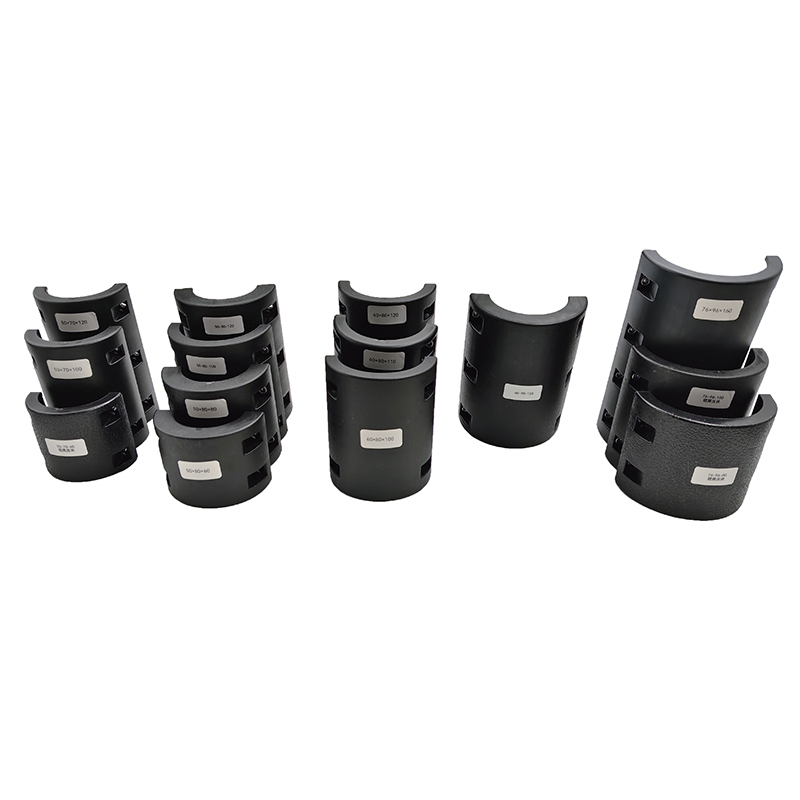
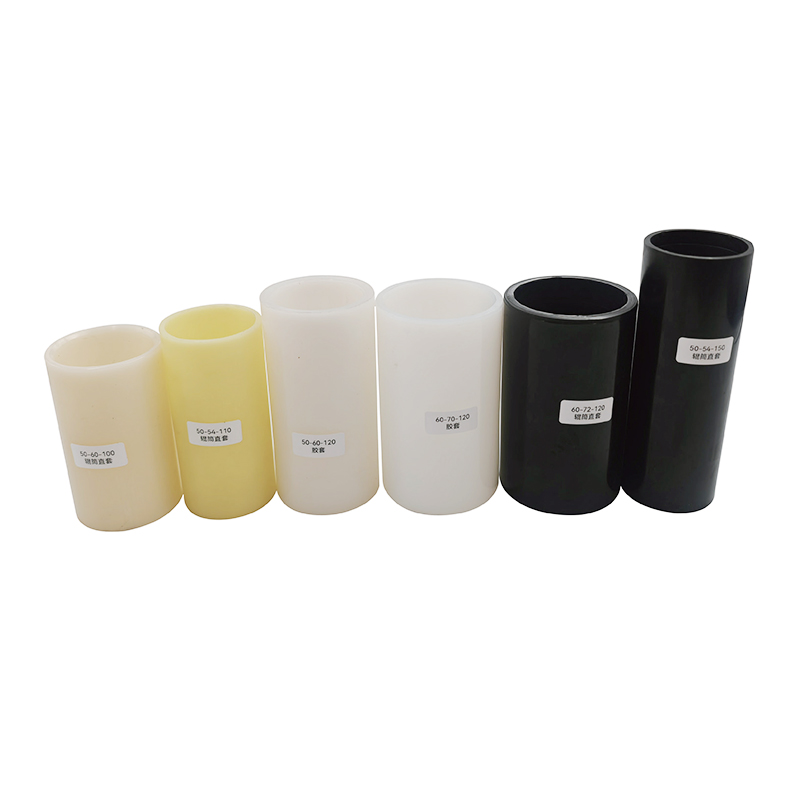
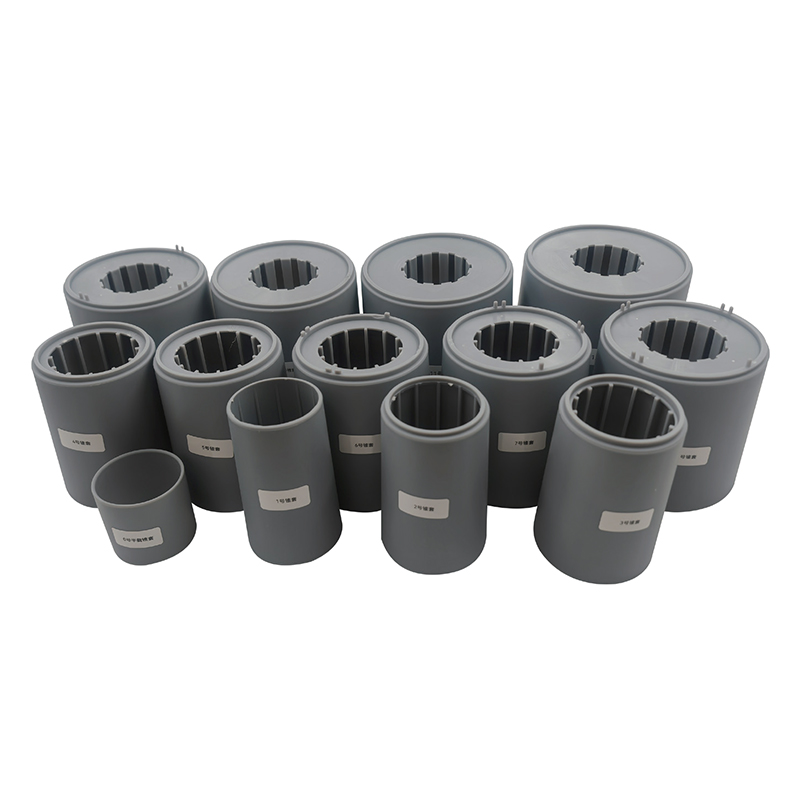
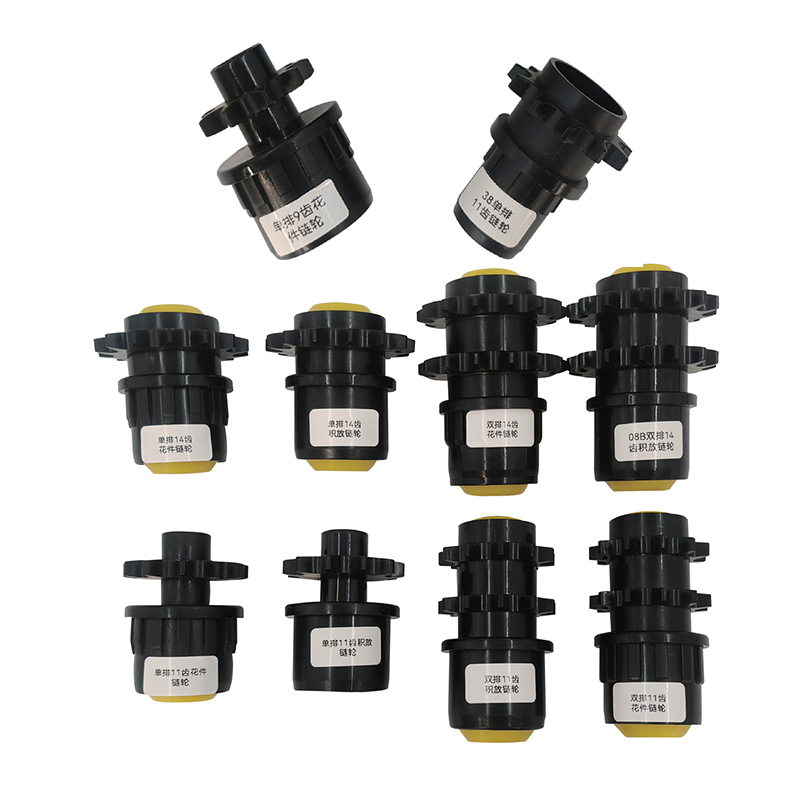
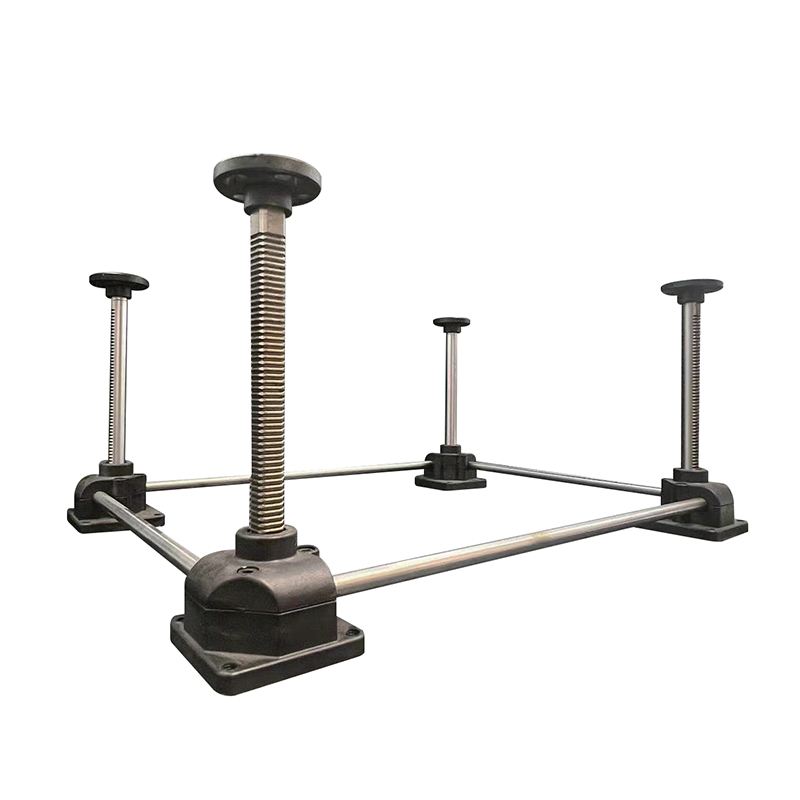
The RN 300 F Synchronous Lifter features a scissor lift structure design, utilizing mechan...

Synchronized Lifting Equipment Series
Synchronized Lifting Equipment Parts Manufacturers
-
-
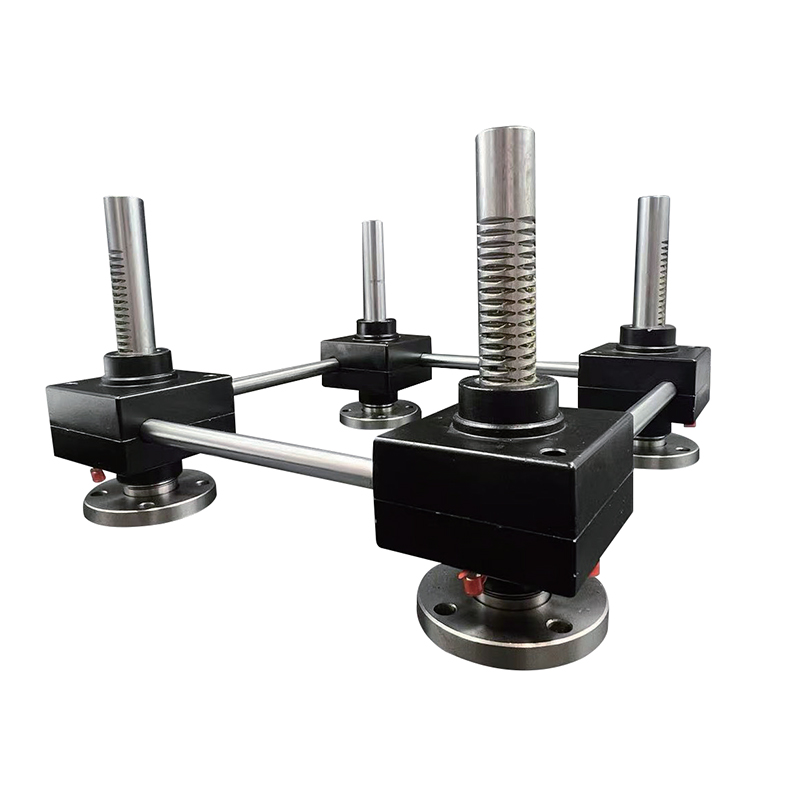 RN 500 F Synchronous Lifter
The RN 500 F Synchronous Lifter is an industrial lifting device utilizing multi-actuator s...
-
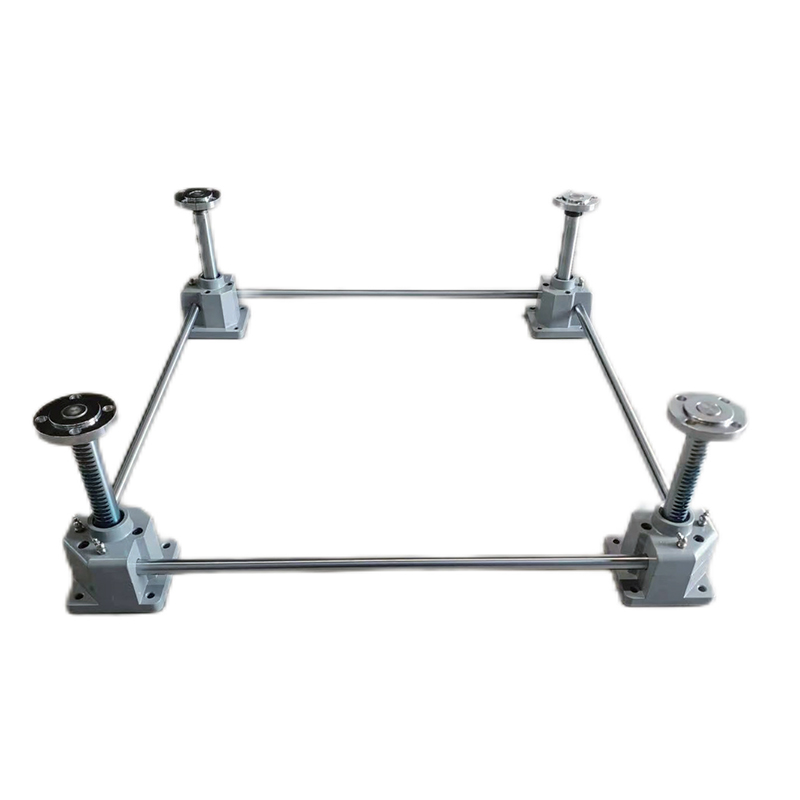 RN 900 F Synchronous Lifter
The RN 900 F synchronous lifter is a mechanical lifting solution designed for multi-point ...
About Us
Huzhou Nanxun Guan's Plastic Industry Co., Ltd.
Huzhou Nanxun Guan's Plastic Industry Co., Ltd. was established in 2006, with its headquarters located in Huzhou, Zhejiang. Since its inception, the company has established three plastic product manufacturing bases and a laser cutting workshop in Zhejiang and Jiangsu provinces. We now have a large production, R&D, and operational space, with a growing team of employees. Our annual production volume has reached tens of millions of pieces, making us a well-known plastic product manufacturer and service provider both domestically and internationally.
As China Synchronized Lifting Equipment Parts Manufacturers and custom Synchronized Lifting Equipment Parts factory, our products and services are widely applied in various industries, including logistics, pharmaceuticals, food and beverages, warehousing, organic produce, tobacco, tire manufacturing, and airport ground services. To meet the ever-growing demands of our customers, we have also developed a laser cutting project to further enhance our production capacity and technical capabilities.
News
-
November 3–6, 2026 | Shanghai New International Expo Centre | Hall W5 Invitation Huzhou Nanxun Guanshi Plastic Industry Co., Ltd. cordially invites you to visit...
READ MORE -
A conveyor roller looks simple from the outside: a tube, a shaft and a few small fittings. But the parts that decide whether it runs quietly for years or start...
READ MORE -
If you have ever pulled a roller out of a conveyor frame, you already know that the part which gives up first is rarely the roller tube itself. It is the small...
READ MORE -
Most people who buy a conveyor line eventually see a finished frame. Behind it, there is a supply chain of molds, injection machines, extrusion lines and inspe...
READ MORE -
Conveyor lines rarely stop because of a frame or a motor. Far more often the culprit is a worn sleeve, a cracked roller seat, or a guide rail that has lost its...
READ MORE
Message Feedback
Industry knowledge
Understanding the Core Parts Architecture of Synchronized Lifting Equipment
Synchronized lifting equipment achieves coordinated multi-point elevation through a tightly integrated assembly of mechanical, pneumatic or electromechanical parts that must act in concert within milliseconds of each other. At the system level, the parts architecture can be divided into three functional layers: the actuation layer (the components that generate and transmit lifting force), the guidance layer (the components that constrain the motion path), and the synchronization layer (the components that enforce positional parity across all lifting points).
Understanding this three-layer model helps maintenance engineers and procurement teams locate the specific synchronized lifting equipment parts responsible for any observed performance deviation — whether that is load tilt, positional overshoot, or inconsistent dwell time at the raised position. Tracing a symptom to its functional layer narrows the diagnosis from a system-level observation to a manageable set of candidate components.
In practice, the synchronization layer components — torsion shafts, cross-link arms, and control cams — tend to receive less preventive attention than the actuators they coordinate, despite being equally critical to system performance. A worn torsion shaft or a cross-link arm with accumulated play introduces phase lag between lifting points that the actuators cannot compensate for, resulting in load tilt that persists regardless of actuator calibration.
Frame and Base Parts: Precision Requirements and Common Degradation Paths
The structural frame and base components of a synchronized lifting unit establish the geometric reference from which all other parts operate. Dimensional deviations in the frame — whether from manufacturing tolerance, installation distortion, or in-service deformation — propagate through every downstream component and cannot be corrected by adjusting the actuator or guidance parts alone.
At Huzhou Nanxun Guan's Plastic Industry Co., Ltd., frame and base parts for lifting equipment are produced with reference to the flatness and parallelism tolerances that determine whether a fully assembled unit achieves its specified synchronization accuracy. The principal degradation paths that maintenance teams should monitor include:
- Base plate deformation: In high-cycle applications, repeated loading concentrates stress at the base plate mounting points. Permanent set — a residual deformation that does not recover after load removal — of as little as 0.3 mm at one corner of the base introduces a cross-tilt that is effectively a calibration offset, causing one or more lifting points to reach their target elevation before the others.
- Frame weld or fastener joint relaxation: Joints that rely on clamping force rather than positive mechanical engagement gradually lose preload under vibration. Frames assembled with thread-locking compound and checked against a torque specification at regular intervals maintain their geometry significantly longer than those relying on friction alone.
- Column interface wear: Where the vertical guide columns are press-fitted or bolted into the base frame, the interface is subject to micro-motion under alternating loads. Fretting wear at this interface gradually increases column radial play, shifting the guidance layer toward its wear-out condition independently of the column surface wear rate.
Annual dimensional verification of base plate flatness and column perpendicularity — using a precision level and dial gauge against reference datums established at commissioning — provides an objective basis for frame part replacement decisions that is more reliable than visual inspection or symptom-based diagnosis alone.
Drive and Transmission Parts: Matching Specifications to Load and Cycle Demands
The drive and transmission parts of synchronized lifting equipment — encompassing drive shafts, gear modules, belt or chain transmission elements, and coupling components — must be specified against both the peak load and the cumulative fatigue demand of the intended application. A parts specification derived only from static load capacity will be under-specified for high-cycle operations, where fatigue life rather than yield strength governs service duration.
| Part Category | Key Specification Parameter | Fatigue Sensitivity | Typical Replacement Trigger |
|---|---|---|---|
| Drive Shaft | Torsional strength / runout | Moderate | Runout >0.1 mm or visible surface crack |
| Gear Module | Gear ratio / tooth root strength | High | Backlash >0.5° or pitting on tooth face |
| Timing Belt / Chain | Pitch elongation / tension | High | Pitch elongation >1.5% of nominal |
| Flexible Coupling | Misalignment capacity / element hardness | Moderate | Element cracking or angular play >1° |
In applications with high cycle counts — such as pallet transfer stations in tobacco manufacturing or tire logistics facilities processing thousands of movements per shift — it is practical to establish a conditional replacement schedule based on cycle counters rather than calendar intervals. Gear modules and timing belts approaching 80% of their design cycle life should be staged for replacement during the next planned maintenance window rather than waiting for in-service failure, which in a synchronized system typically cascades into a multi-point alignment event requiring full system recalibration.
Interchangeability, Sourcing Strategy, and Parts Standardization
Facilities operating multiple synchronized lifting units — common in large-scale logistics, warehousing, and airport ground service installations — benefit substantially from a deliberate parts standardization strategy. When the same gear module, coupling element, or drive shaft specification appears across all installed units, a single on-site spare part covers multiple assets simultaneously, reducing the total inventory value required to maintain an equivalent level of uptime assurance.
Practical elements of an effective parts standardization approach:
- Cross-unit parts mapping: Compiling a matrix that lists each installed unit against the parts specifications for its highest-wear components identifies opportunities to consolidate to a common specification at the next replacement cycle, even where the original installations used different part numbers for functionally equivalent components.
- Supplier-backed interchangeability documentation: Reliable interchangeability requires more than dimensional matching. A supplier who provides formal interchangeability statements — confirming that a replacement part meets the original specification in material, dimensional tolerance, and performance — provides the documentation basis for maintenance records and regulatory audits in pharmaceutical and food facilities.
- Minimum viable spare parts inventory: For a facility with six or more synchronized lifting units, holding one complete set of high-wear transmission parts (one gear module, two timing belts, two coupling elements per unit type) provides coverage against in-service failure for at least two simultaneous events without requiring emergency procurement lead times.
- Part traceability requirements: In pharmaceutical and organic produce environments where equipment contamination is a compliance concern, all replacement parts should carry batch-level traceability documentation — including material composition certificates — that can be retained in the facility's equipment maintenance file.
With an annual production output in the tens of millions of pieces and manufacturing infrastructure spanning Zhejiang and Jiangsu provinces, our supply capacity for synchronized lifting equipment parts supports both scheduled replenishment programs and the responsive lead times that unplanned maintenance events demand.


+86-13250912999
Huzhou Nanxun Guan's Plastic Industry Co., Ltd.
Email: [email protected]
Address: Building 8, North Zone, Dehao Industrial Park, Linghu Town, Nanxun District, Huzhou City, Zhejiang Province, China
Navigation
Products
About us
Copyright © Huzhou Nanxun Guan's Plastic Industry Co., Ltd.
All Rights Reserved.
Privacy
 Custom Synchronized Lifting Equipment Parts Manufacturers