
 English
 中文简体
中文简体 русский
 Español
Definition and Structural Characteristics The Open Plastic Seat is a terminal su...

Industry News
Non-End Roller Brackets & Conveyor Roller Plastic Seats Explained
Author: admin / 2026-06-23
Content
What Is a Non-End Roller Bracket?
A non-end roller bracket is a conveyor frame component designed to support and position rollers at intermediate points along a conveyor frame — not at the terminal ends of the assembly. Unlike end brackets, which anchor the outermost rollers and often bear the structural load of the entire frame edge, non-end brackets are engineered specifically for mid-span roller mounting. Their primary function is to keep rollers level, evenly spaced, and correctly aligned throughout the length of the conveyor bed.
In practice, non-end roller brackets are installed in pairs on opposing frame rails. Each bracket features a slot, hole pattern, or spring-loaded clip that accepts the roller's shaft or spindle. The bracket geometry determines the roller's height relative to the frame rail, which directly affects the conveyor's carry surface angle and load distribution. For flat belt conveyors, brackets are typically set at a uniform height; for troughing configurations, a series of brackets at graduated angles forms the characteristic V-shaped belt profile that prevents bulk material from spilling over the sides.
Material selection for non-end brackets varies by application. Steel brackets — hot-dip galvanized or powder-coated — are standard in heavy industrial and mining environments where impact loads and abrasion are concerns. Stainless steel variants meet hygiene and corrosion requirements in food processing or pharmaceutical conveying. Engineered plastic brackets are increasingly common in light-duty, package-handling, and indoor logistics applications where weight reduction, noise control, and corrosion immunity are priorities over raw load capacity.
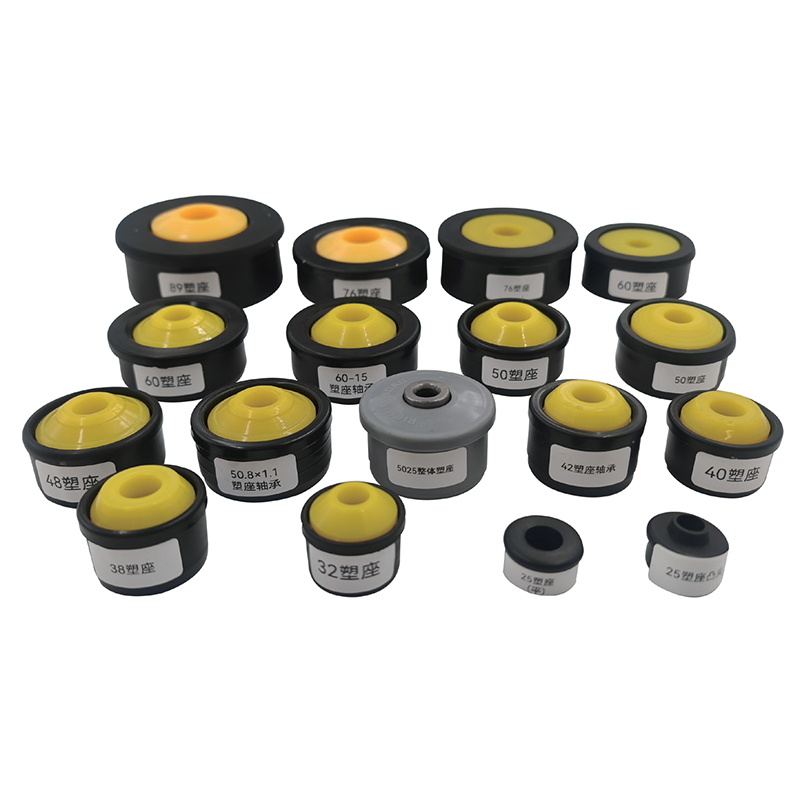
The Role of the Non-End Cap Plastic Seat in Roller Support
The conveyor roller non-end cap plastic seat — also referred to as a roller shaft seat, spindle seat, or plastic bearing housing insert — is the interface component that sits inside the bracket and directly cradles the roller shaft. While the bracket provides the structural connection to the frame rail, the plastic seat performs several critical secondary functions that affect roller life and conveyor reliability.
First, the plastic seat isolates the metal shaft from the metal bracket, preventing galvanic corrosion that can occur when dissimilar metals are in prolonged contact in humid or chemically active environments. Second, it acts as a controlled-tolerance cradle that reduces lateral shaft movement, which would otherwise cause uneven bearing wear and belt tracking problems. Third, the inherent vibration-damping characteristics of engineering-grade polymers — commonly nylon (PA6 or PA66), UHMW-PE, or acetal (POM) — absorb minor shaft oscillations that would otherwise transmit as noise and fatigue stress into the frame structure.
Plastic seats are typically a snap-fit or press-fit design, allowing field replacement without specialized tools. This is particularly valuable in high-volume distribution centers or production lines where roller replacement must happen quickly during scheduled maintenance windows. A worn or cracked plastic seat that is not replaced promptly leads to shaft migration, accelerated bearing failure, and in severe cases, belt misalignment that can damage goods or require a full conveyor shutdown.
Key Specifications to Evaluate When Selecting Non-End Brackets and Plastic Seats
Selecting the correct non-end roller bracket and matching plastic seat requires evaluating several interdependent parameters. Mismatch between any of these dimensions leads to improper roller seating, excessive vibration, or premature component failure.
| Parameter | What to Measure / Specify | Why It Matters |
|---|---|---|
| Shaft diameter | Roller spindle OD (typically 20–50 mm) | Plastic seat bore must match shaft diameter to the correct fit tolerance |
| Frame rail profile | C-channel width and flange thickness | Bracket foot geometry must align to rail slot pitch and rail thickness |
| Roller load rating | Dynamic load per roller (kg) | Bracket and seat material grade must sustain load without deflection or creep |
| Operating temperature | Ambient and surface temperature range | Nylon absorbs moisture and softens above ~80°C; POM is better for dry heat; UHMW-PE suits cold/wet environments |
| Roller spacing (pitch) | Center-to-center distance between rollers | Determines bracket slot pitch on the frame rail and affects belt sag between rollers |
| Shaft retention method | Spring clip, hex flat, round shaft | Seat and bracket slot design must accommodate the roller's specific shaft end type |
Beyond dimensional fit, it is worth specifying the IP rating or dust/moisture protection level required. In dusty aggregate or cement environments, a closed-seat design that prevents fines from packing around the shaft is preferable over an open slot bracket, even if the open design is easier to install.
Common Failure Modes and How to Extend Service Life
Even correctly specified non-end brackets and plastic seats degrade over time. Understanding the most common failure modes helps maintenance teams intervene early, before a single worn component cascades into broader conveyor damage.
- Plastic seat cracking or splitting: Typically caused by exceeding the polymer's rated load, thermal cycling in outdoor installations, or UV degradation in exposed conveyors. Solution: specify UV-stabilized grades for outdoor use and verify load ratings before installation.
- Bracket slot elongation: On steel brackets, repeated dynamic loads gradually elongate the shaft slot, allowing the roller to shift position. This manifests as belt wander or unusual noise. Solution: inspect slot geometry annually on high-cycle lines; replace brackets showing more than 1–2 mm of slot elongation.
- Plastic seat wear on the bore ID: Shaft rotation under a stationary seat causes gradual bore enlargement. While the shaft itself is keyed or hexagonal to prevent rotation in most designs, a seized or intermittently rotating roller will accelerate this wear pattern. Solution: address seized rollers immediately; do not allow them to drag.
- Corrosion at the bracket-to-rail interface: Even galvanized brackets can corrode at cut edges or drilled holes, creating rust that locks brackets in place and complicates roller replacement. Solution: apply cold galvanizing compound or zinc-rich paint to any cut surfaces before installation.
- Loose fasteners: Vibration-induced loosening of the bracket mounting bolts shifts the roller axis, putting side-load stress on the plastic seat. Solution: use nylon-insert locknuts or thread-locking compound on bracket mounting hardware, and include bolt torque checks in routine maintenance schedules.
As a general guideline, plastic seats in medium-duty package-handling applications have a service life of 3–5 years under normal operating conditions. In abrasive bulk-material conveyors, that interval may shorten to 12–18 months. Stocking a supply of replacement seats on-site — they are typically low-cost, high-volume consumable parts — eliminates the downtime risk of waiting for procurement to source them after a failure has already occurred.
Related products
-
-
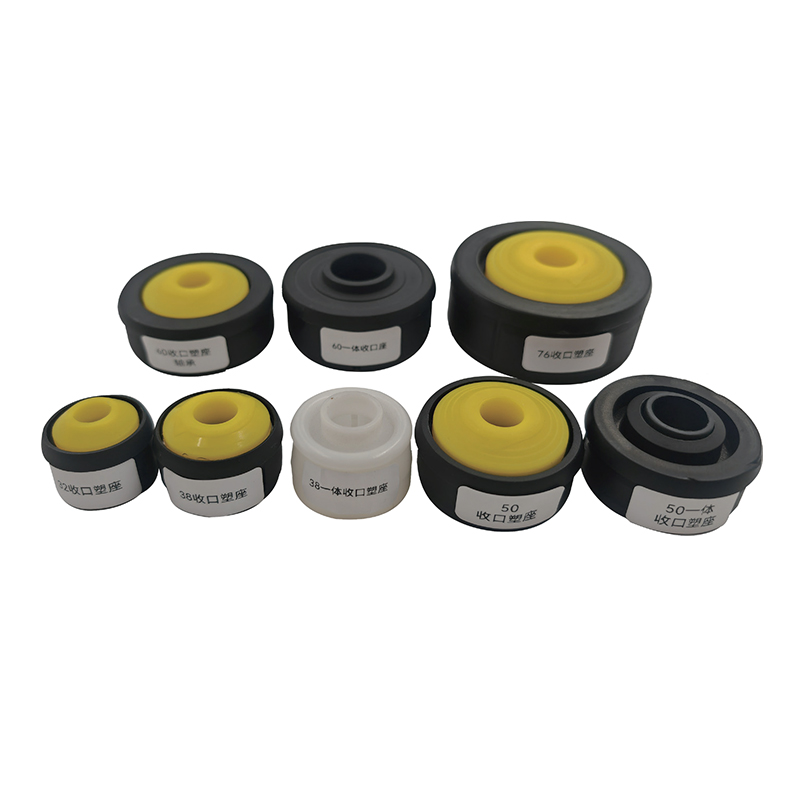
 Roller Non-end Cap Plastic Seat
The roller open-end plastic seat is a plastic structural component used for supp...
-
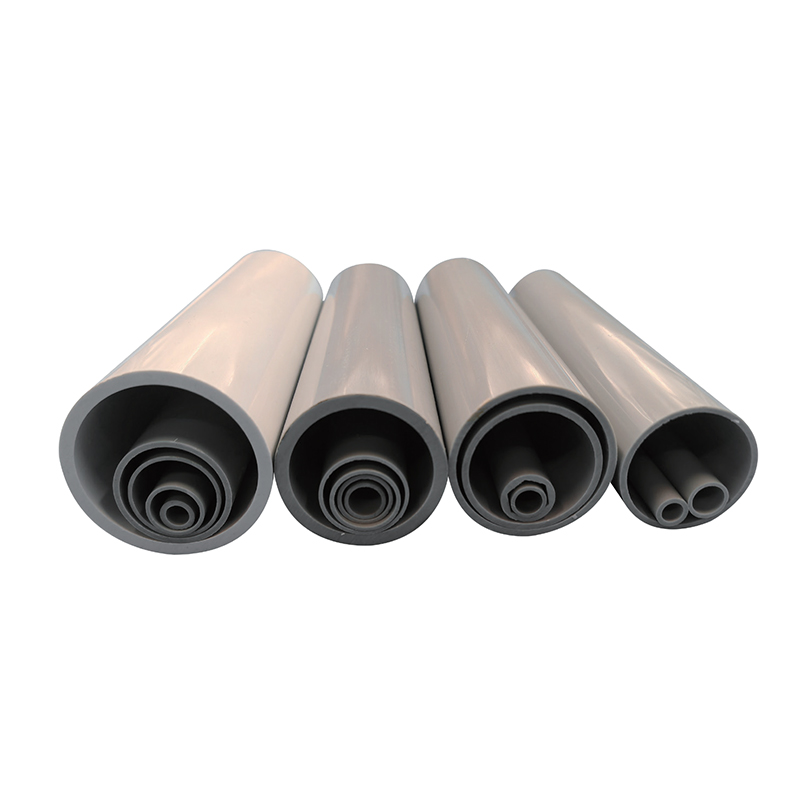 Roller PVC Plastic Pipe
The PVC Plastic Pipe for Rollers is an outer sleeve applied to the surface of ro...
-
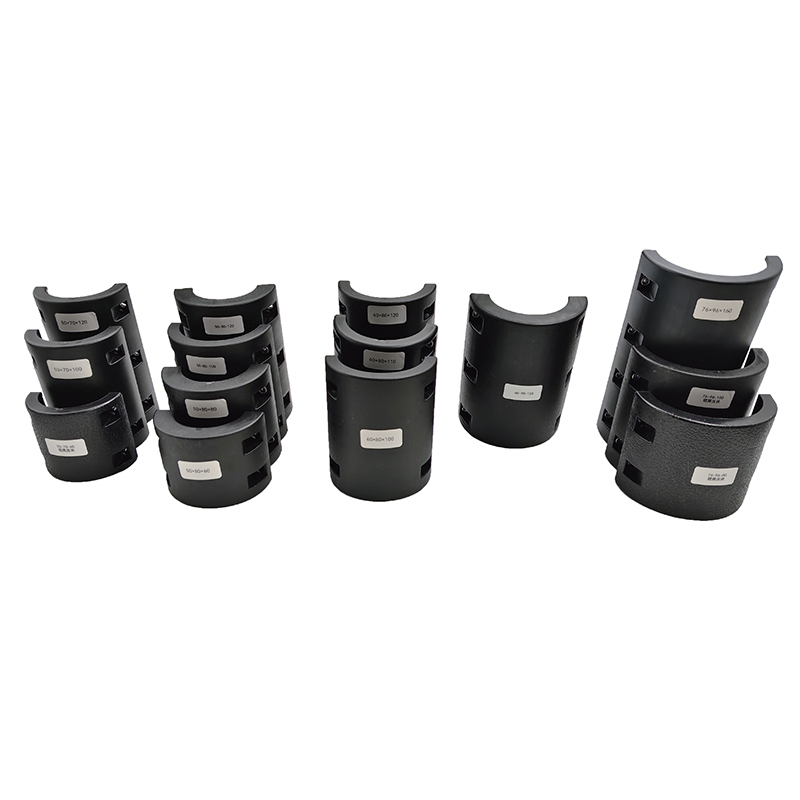 Roller Straight Sleeve
The Roller Straight Sleeve is a functional covering component installed on the o...
-
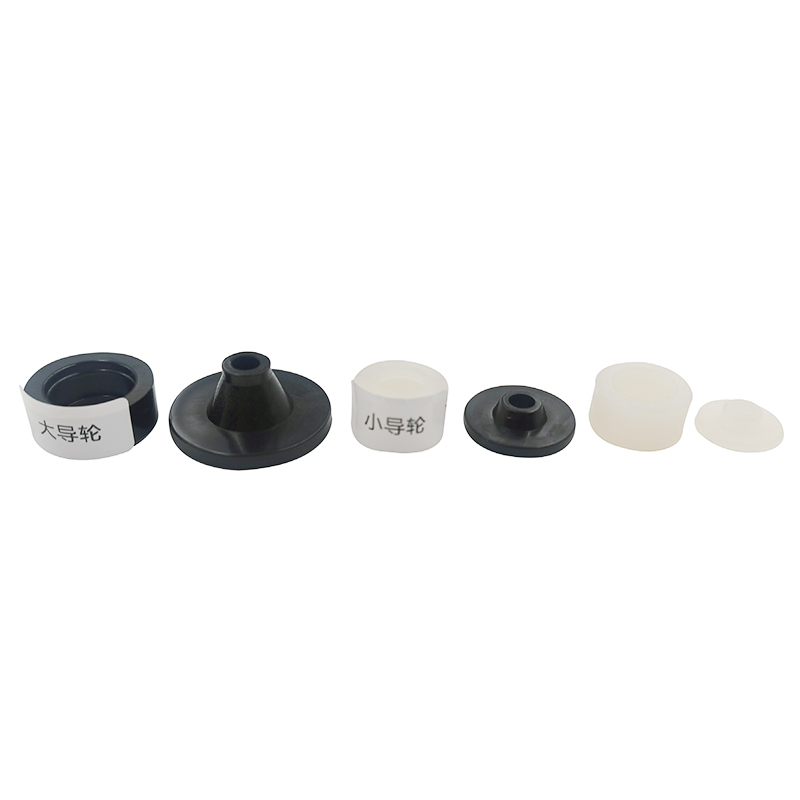 Roller Guide Wheel
The guide wheel serves as a critical directional component in industrial conveyi...
-
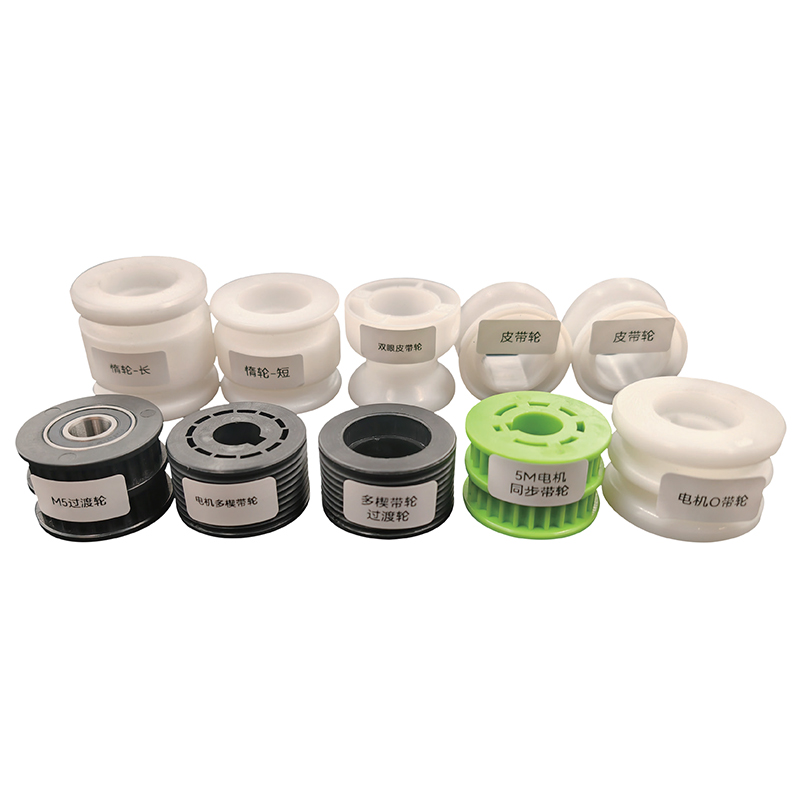 Roller Transition Wheel
The transition wheel is used in conveyor systems to support material transfer be...


+86-13250912999
Huzhou Nanxun Guan's Plastic Industry Co., Ltd.
Email: [email protected]
Address: Building 8, North Zone, Dehao Industrial Park, Linghu Town, Nanxun District, Huzhou City, Zhejiang Province, China
Navigation
Products
About us
Copyright © Huzhou Nanxun Guan's Plastic Industry Co., Ltd.
All Rights Reserved.
 Privacy
Wholesale Plastic Conveyor Parts Manufacturers
Privacy
Wholesale Plastic Conveyor Parts Manufacturers