
 English
 中文简体
中文简体 русский
 Español
This series of conveyor roller bearings offers 14 standard models suitable for l...

Industry News
Plastic Ball Transfer & Pearl Skate Wheel Bearings: Buying Guide
Author: admin / 2026-07-03
Content
Plastic Ball Transfer Bearing vs. Pearl Skate Wheel Bearing: Two Approaches to Omnidirectional Movement
Plastic ball transfer bearings and pearl skate wheel bearings both let heavy items move freely in any direction across a work surface, but they achieve this with different mechanisms and different tradeoffs. A ball transfer bearing uses one large load-bearing ball supported by a bed of smaller ball bearings inside a housing, so the top ball rotates freely in every direction — true omnidirectional movement from a single point of contact. A pearl skate wheel bearing (also called a skate wheel or ball transfer conveyor wheel) uses a cluster of small rotating balls or wheels arranged around a hub, giving a similar all-direction rolling effect but distributed across a wider contact footprint rather than one central point.
Plastic ball transfer bearings are typically chosen for lighter loads and tighter installation spacing — packaging tables, assembly line transfer zones, roller conveyor gaps — where a compact, single-point contact fits the available space. Pearl skate wheel bearings suit wider load distribution needs, such as pallet handling or larger flat-bottomed items, where spreading contact across multiple points reduces surface marking and handles uneven load distribution better than a single ball point.
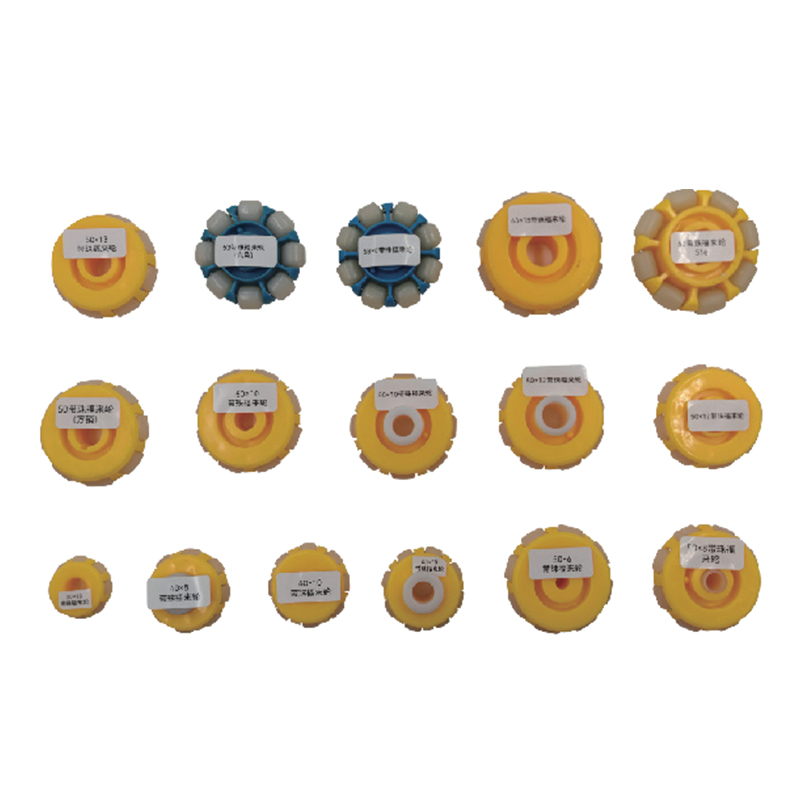
Load Capacity and Housing Material Tradeoffs
Plastic-bodied units trade some load capacity for corrosion resistance, weight, and cost compared to metal-housed versions, and matching the housing material to the actual operating environment avoids both overspending and premature failure.
| Housing Material | Typical Load Range | Best Environment |
|---|---|---|
| Engineered plastic (nylon/POM) | Light to moderate, roughly 20-150 kg per unit | Wet, washdown, or corrosive environments; food and packaging lines |
| Zinc-plated steel | Moderate to heavy, roughly 100-500 kg per unit | General indoor industrial use with light moisture exposure |
| Stainless steel | Moderate to heavy, comparable to zinc-plated steel | Food processing, pharmaceutical, or high-corrosion settings requiring metal strength |
Typical load capacity ranges by housing material for ball transfer and skate wheel bearing units.
Plastic housings are not simply a lighter-duty substitute for metal — in washdown or corrosive environments, a properly rated plastic unit often outlasts a metal one, since it avoids the rust and pitting that eventually seizes a metal bearing's rolling action even when the metal unit's raw load rating is higher on paper.
Mounting Considerations for Even Load Transfer
Both bearing types need to sit at a consistent height and spacing across the work surface, or the load will rock or drag as it moves across units that aren't level with each other:
- Flange or flush-mount units into a rigid, flat base plate or table surface rather than an uneven or flexing substrate, since deflection under load causes uneven contact and premature wear on individual units
- Space units close enough together relative to the smallest item being transferred, so the item is always supported by at least three points of contact at any position on the table
- Check that all mounted units sit at the same height after installation — even small variations create a rocking motion that accelerates wear on the highest-loaded units
For pearl skate wheel bearings specifically, orientation of the wheel cluster relative to the primary direction of travel can also affect rolling smoothness, so checking the manufacturer's recommended mounting orientation is worth doing before finalizing a layout.
Maintenance and Failure Signs to Watch For
Both bearing types are largely maintenance-free by design, but a few recurring issues signal that replacement or cleaning is needed:
- Debris buildup inside the housing — dust, packaging fragments, or grit — is the most common cause of stiff or uneven rolling, and periodic cleaning or blow-out with compressed air resolves most cases without replacement.
- Flat spots or visible wear on the load ball or wheel surface indicate the unit has exceeded its practical service life under the current load and should be replaced rather than left in service, since a worn contact surface accelerates wear on adjacent units picking up the uneven load.
- Housing cracking, particularly on plastic units exposed to UV or extreme temperature swings outside their rated range, is a sign the housing material wasn't matched correctly to the operating environment.
FAQ
Can plastic ball transfer bearings and pearl skate wheel bearings be mixed on the same table?
Yes, but it's generally not recommended unless heights are carefully matched, since the two types can have different standing heights and rolling resistance, which creates uneven load transfer across the table.
What's the typical service life of a plastic ball transfer bearing?
Service life depends heavily on load, cycle frequency, and environmental debris, but properly loaded units in a clean environment commonly run for several years before showing measurable wear.
Do these bearings need lubrication?
Most plastic and stainless units are designed to run dry or with minimal lubrication, and adding grease can actually attract more debris in dusty environments, worsening rather than improving performance.
How do I know if I need ball transfer bearings or skate wheel bearings for my application?
If the load is compact and the installation space is tight, ball transfer units usually fit better; if the load is large, flat-bottomed, or needs wider distributed support, skate wheel units are typically the better match.
Related products
-
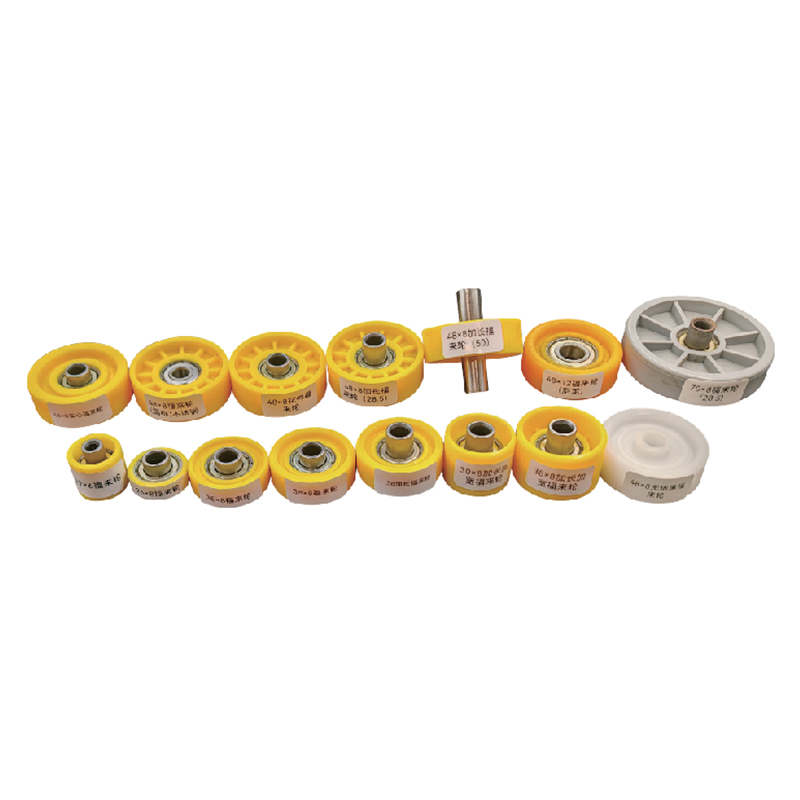
-
With Pearl Skate Wheel Bearing
The skate wheel with ball bearings (integrated bearing caster) is an industrial ...
-
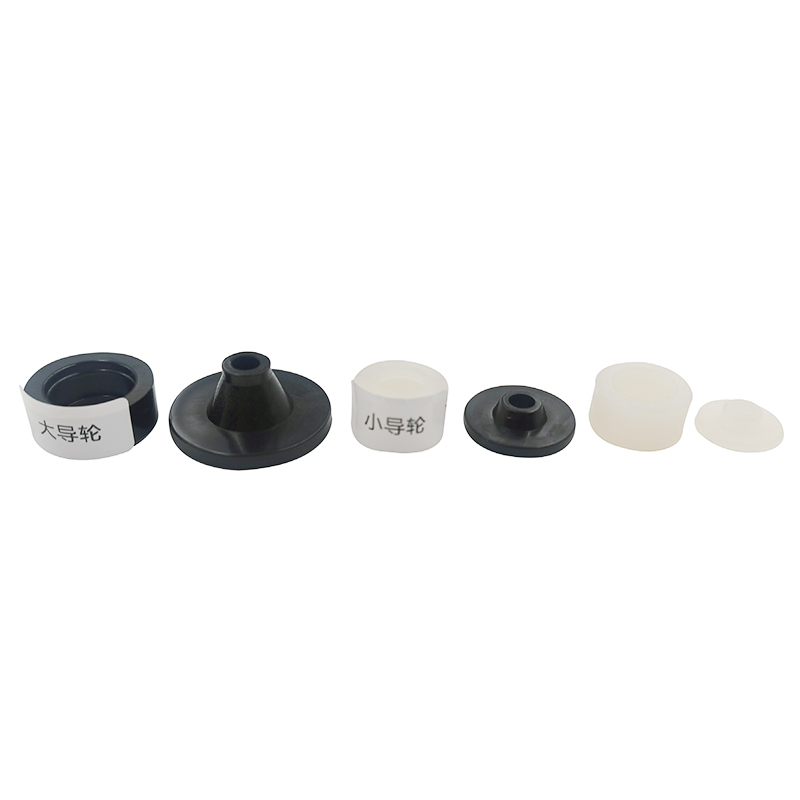 Roller Guide Wheel
The guide wheel serves as a critical directional component in industrial conveyi...
-
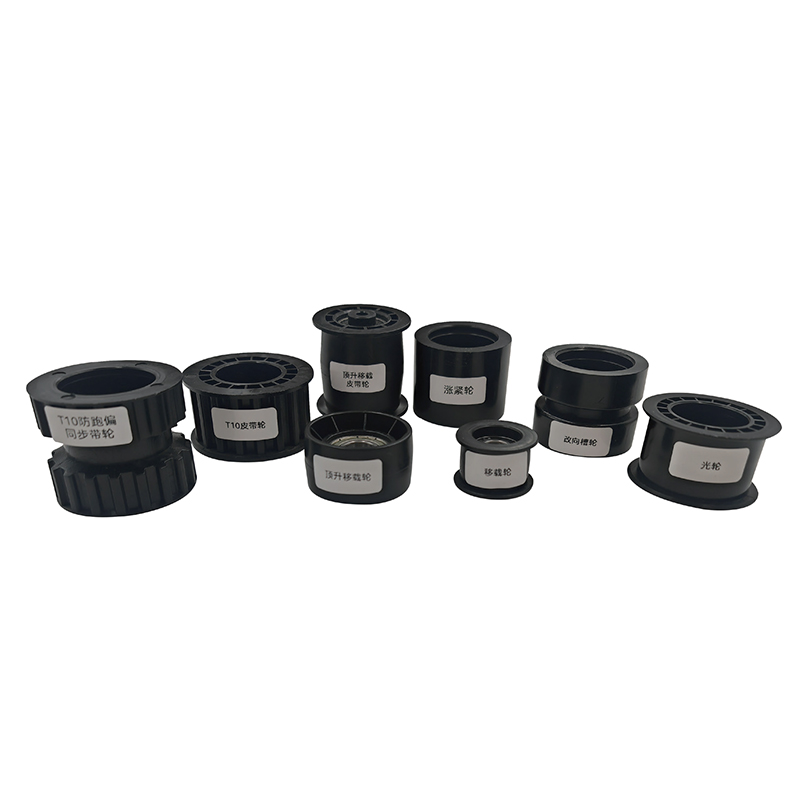 Top Lifting Transfer Wheel
The TOP LIFTING TRANSFER WHEEL integrates lifting and transferring functions, ty...
-
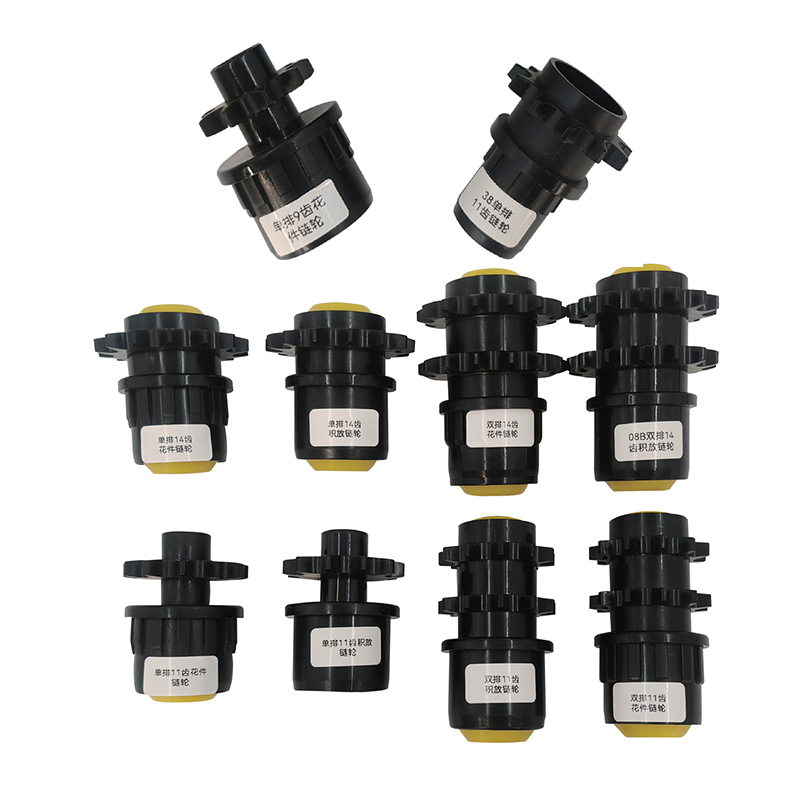 Chain Wheel
A chain wheel is a transmission component used in combination with chains to tra...
-
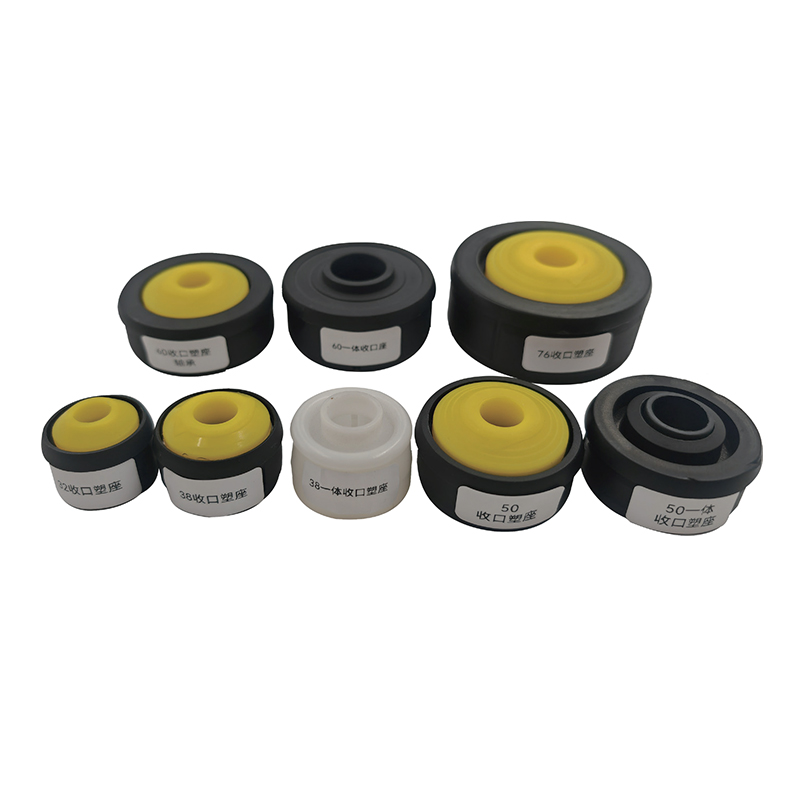 Roller End Cap Plastic Seat
Definition and Structural Characteristics The Open Plastic Seat is a terminal su...


+86-13250912999
Huzhou Nanxun Guan's Plastic Industry Co., Ltd.
Email: [email protected]
Address: Building 8, North Zone, Dehao Industrial Park, Linghu Town, Nanxun District, Huzhou City, Zhejiang Province, China
Navigation
Products
About us
Copyright © Huzhou Nanxun Guan's Plastic Industry Co., Ltd.
All Rights Reserved.
 Privacy
Wholesale Plastic Conveyor Parts Manufacturers
Privacy
Wholesale Plastic Conveyor Parts Manufacturers