
 English
 中文简体
中文简体 русский
 Español
The conveyor sealing plate is a side enclosure component designed for conveyor e...

Industry News
PVC Conveyor Rollers: How They Work, Types & Material Guide
Author: admin / 2026-07-22
Content
What Is a PVC Conveyor Roller
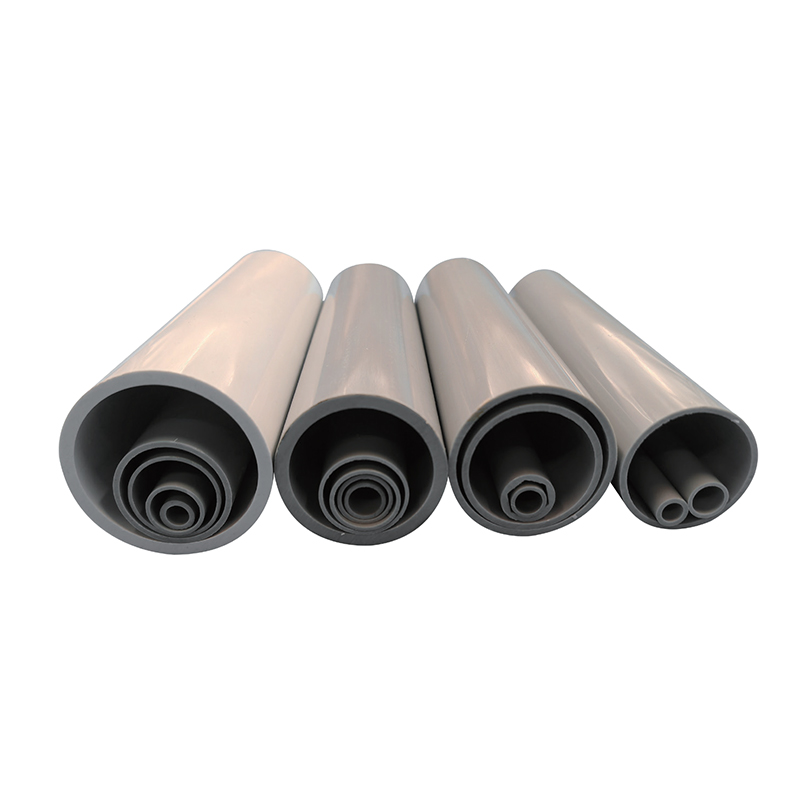
A PVC conveyor roller is a cylindrical tube made from rigid or semi-rigid polyvinyl chloride, mounted on an axle with bearings at each end, used to support and move material along a conveyor line. PVC is chosen over steel or aluminum roller tubes where corrosion resistance, chemical exposure, or lighter weight matter more than maximum load capacity. The tube itself is often called the "roller pipe" or "roller tube," with end caps and a bearing housing pressed into each end to complete the assembly.
Because PVC does not rust or corrode, these rollers are common in food processing, pharmaceutical, packaging, and wet or washdown environments where metal rollers would degrade over time or introduce contamination risk. Standard diameters typically range from 40mm to 89mm, with wall thickness and axle diameter selected based on the expected load per roller.
How Conveyor Rollers Work
Conveyor rollers work by supporting the load from beneath while rotating freely (in gravity roller conveyors) or being driven by a motor, belt, or chain (in powered roller conveyors), allowing material to move along the line with minimal friction. Each roller's axle is fixed into the conveyor frame, while sealed bearings inside the roller tube let the outer tube spin independently, carrying the load forward as items pass over consecutive rollers.
In gravity conveyor systems, the conveyor is set at a slight decline and the load's own weight drives movement across the rollers. In powered systems, rollers are linked by a belt, chain, or line shaft so that torque from a single motor is distributed across many rollers at once, keeping the load moving at a controlled, consistent speed regardless of incline.
Conveyor Roller Components Explained
| Component | Function |
|---|---|
| Roller tube | Outer cylindrical body that contacts and carries the load |
| Axle/shaft | Fixed steel rod that mounts the roller into the conveyor frame |
| Bearings | Allow the tube to rotate smoothly around the fixed axle |
| End caps | Seal the tube ends and hold the bearing housing in place |
| Circlips/retaining rings | Secure bearings and end caps against axial movement |
Conveyor Roller Pipe Manufacturing Process
PVC roller pipe is produced primarily through extrusion: PVC resin, combined with stabilizers and impact modifiers, is melted and forced through a die to form a continuous tube of consistent wall thickness and outer diameter, then cooled, cut to length, and calibrated for dimensional accuracy. Tight tolerances on roundness and wall thickness are critical, since even minor variation can cause vibration, uneven load distribution, or premature bearing wear once the roller is in service.
After extrusion and cutting, tubes go through secondary processes: end machining to accept bearing housings, pressing in bearings and end caps, and often a final balance or runout check to confirm the roller spins true. Some manufacturers add a grooved or crowned tube surface at this stage for specific belt-tracking or anti-static applications.
Types and Applications of Conveyor Rollers
Conveyor rollers are typically classified by function within the line rather than by material alone, and PVC versions exist across most of these categories.
- Gravity rollers: unpowered, used in inclined or manually pushed conveyor sections
- Powered/driven rollers: connected by belt or chain to a motor for automated line movement
- Guide/side rollers: mounted vertically along the conveyor edge to keep items aligned
- Impact rollers: used at loading points, often with rubber or reinforced covers to absorb drop impact
PVC roller applications concentrate in food and beverage packaging lines, pharmaceutical and cosmetics production, airport baggage handling, and light-to-medium logistics sorting systems — anywhere corrosion resistance, washdown compatibility, or noise reduction outweighs the need for the higher load capacity that steel rollers offer.
Choosing Roller Material and PVC Roller Advantages
Material selection for conveyor rollers comes down to matching the tube material to load, environment, and noise requirements. PVC rollers are the right choice when corrosion resistance, chemical exposure, low noise, or lighter weight matter more than maximum load rating — steel and galvanized steel remain the standard for heavy industrial loads where PVC's lower load capacity and lower heat tolerance become limiting factors.
- Corrosion and chemical resistance: PVC does not rust and resists a wide range of cleaning agents and mild chemicals
- Lighter weight than steel, reducing overall conveyor frame load and easing roller replacement
- Quieter operation, since PVC dampens vibration and impact noise better than bare metal
- Washdown and hygiene compatibility, suited to food-grade and pharmaceutical production environments
- Lower cost per unit compared to stainless steel rollers in similar diameters
Related products
-
-
 Conveyor Guardrail
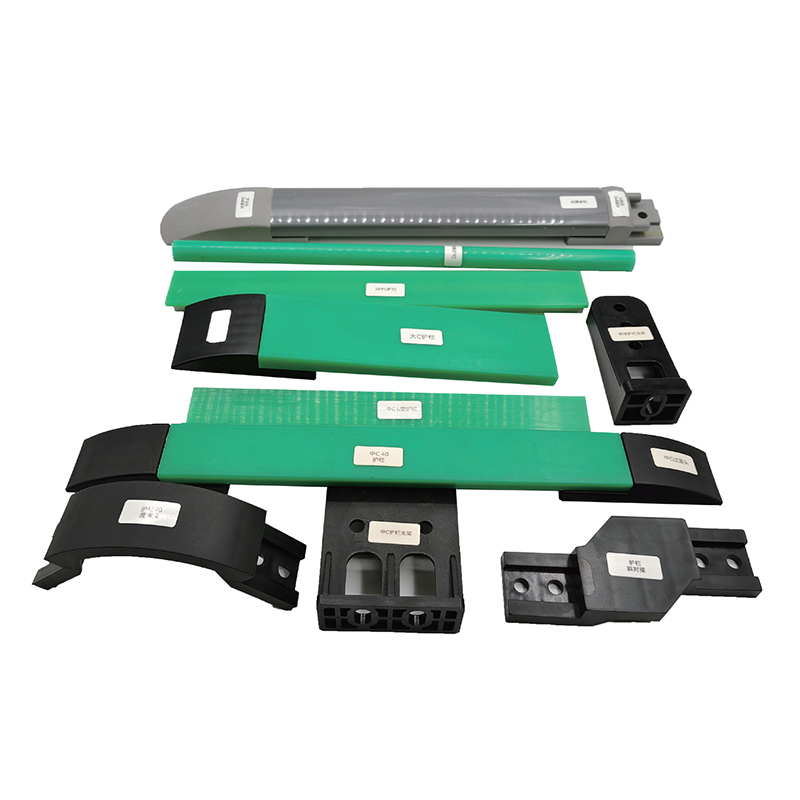
The conveyor guardrail is a modular protective structure installed along the per...
-
 Conveyor Flow Bar
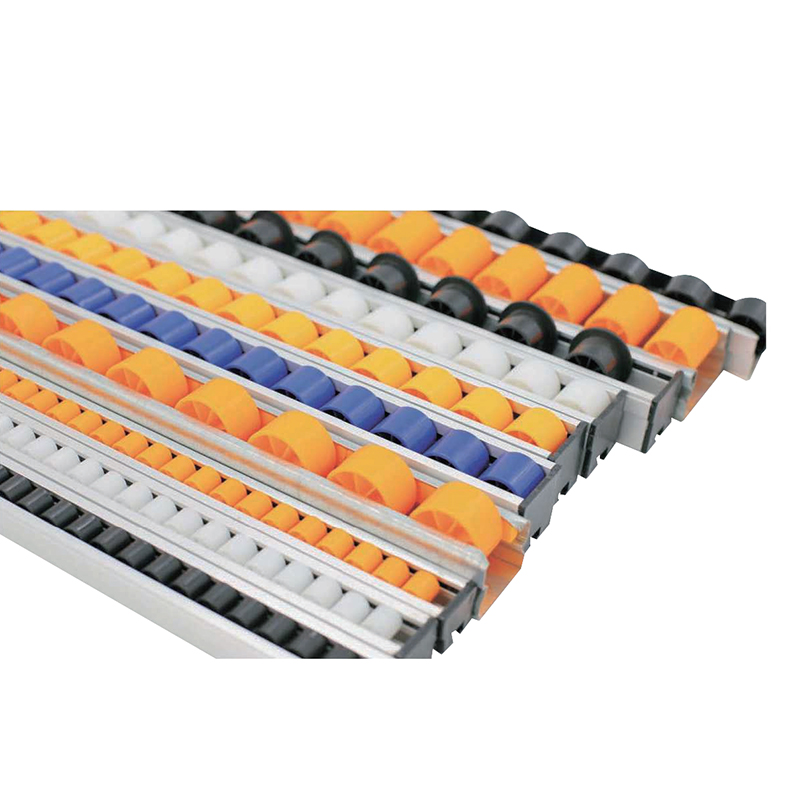
The conveyor flow bar is a rolling component designed for gravity-driven or assi...
-
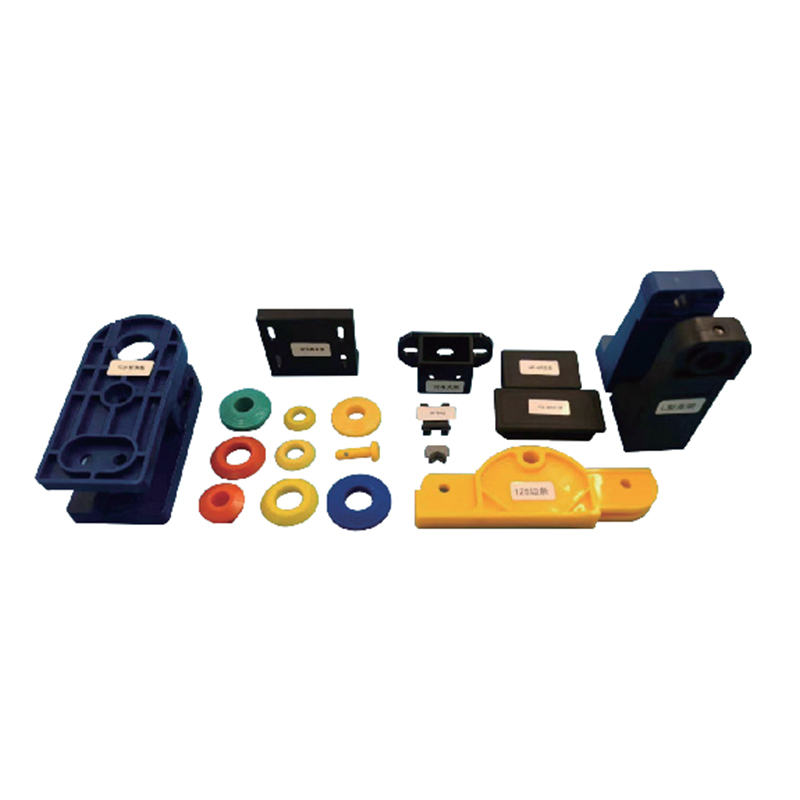 Conveyor Accessories
Conveyor accessories are a collection of functional components designed for indu...
-
Roller PVC Plastic Pipe
The PVC Plastic Pipe for Rollers is an outer sleeve applied to the surface of ro...
-
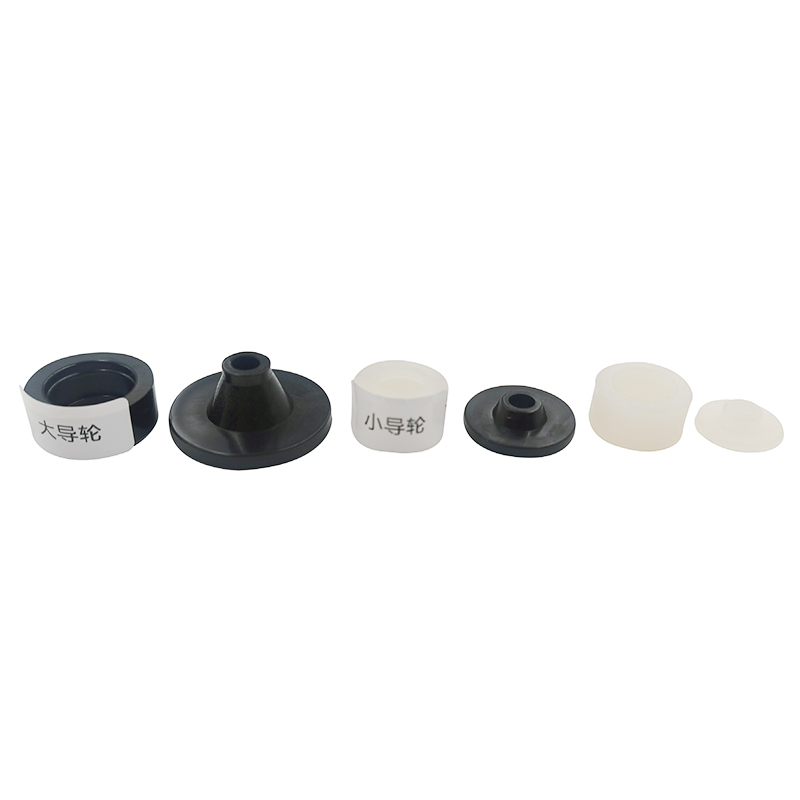 Roller Guide Wheel
The guide wheel serves as a critical directional component in industrial conveyi...


+86-13250912999
Huzhou Nanxun Guan's Plastic Industry Co., Ltd.
Email: [email protected]
Address: Building 8, North Zone, Dehao Industrial Park, Linghu Town, Nanxun District, Huzhou City, Zhejiang Province, China
Navigation
Products
About us
Copyright © Huzhou Nanxun Guan's Plastic Industry Co., Ltd.
All Rights Reserved.
 Privacy
Wholesale Plastic Conveyor Parts Manufacturers
Privacy
Wholesale Plastic Conveyor Parts Manufacturers