
 English
 中文简体
中文简体 русский
 Español
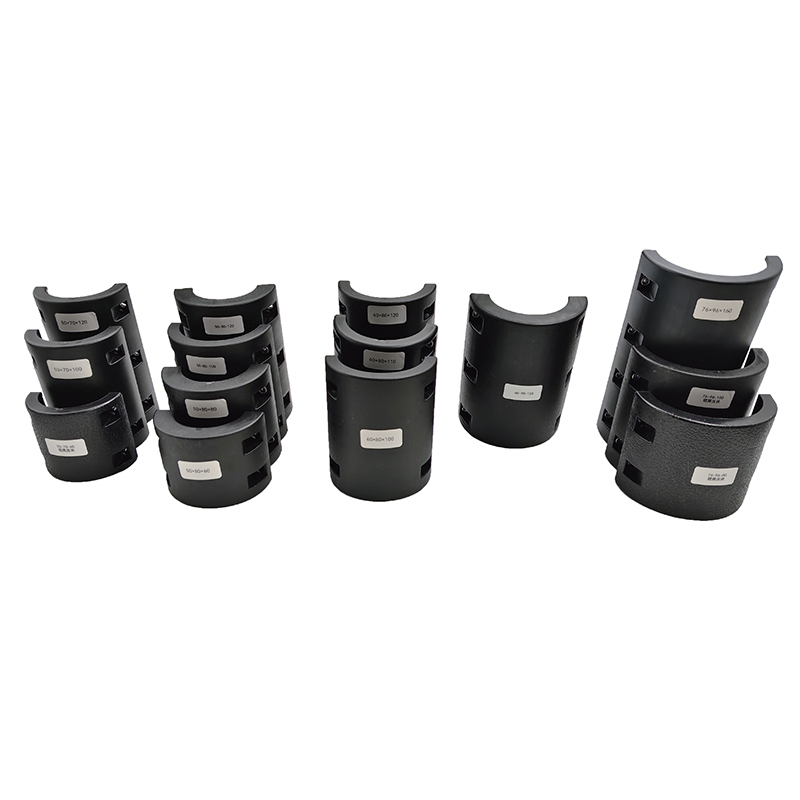
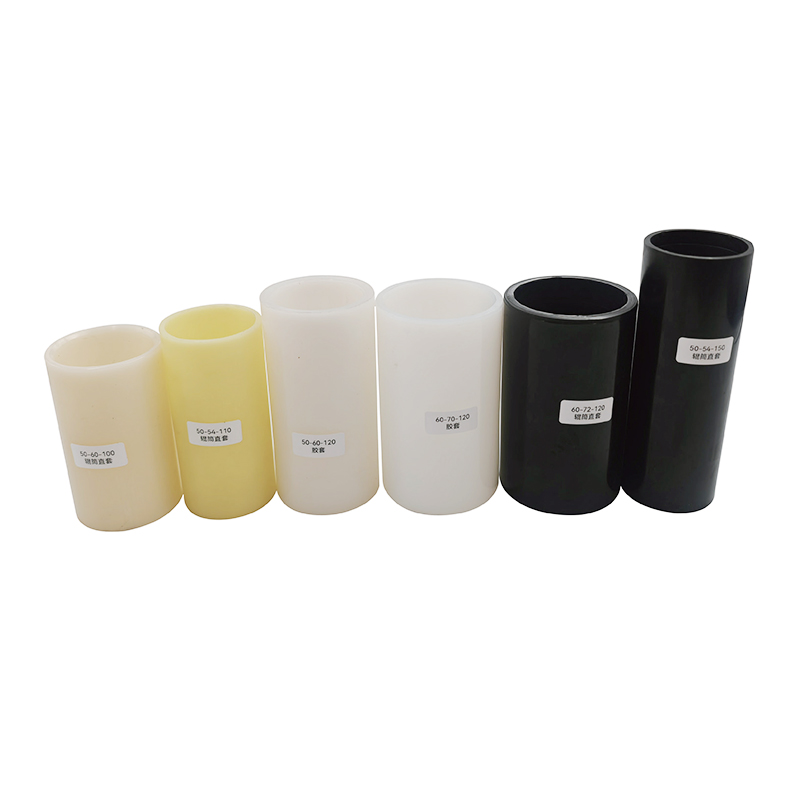
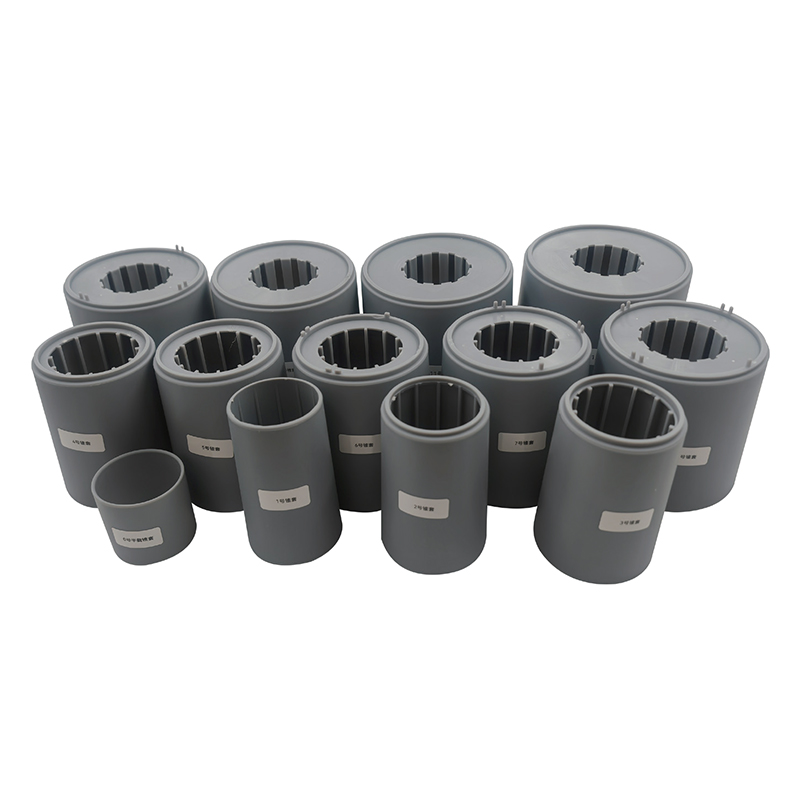
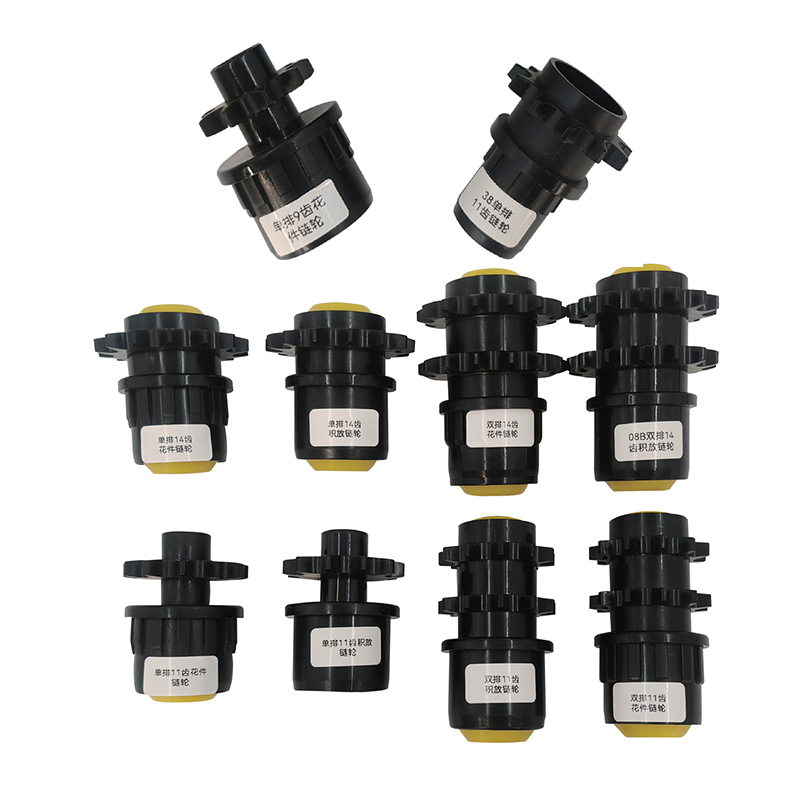
Definition and Structural Characteristics The Open Plastic Seat is a terminal support and ...

Plastic Base Series
Conveyor Roller Plastic Seat Manufacturers
-
-
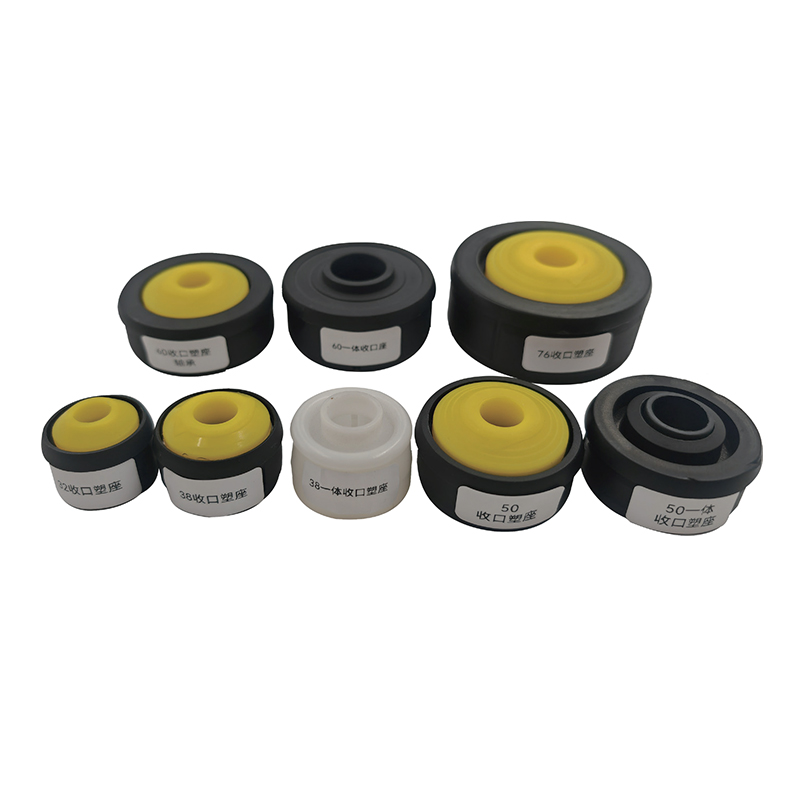
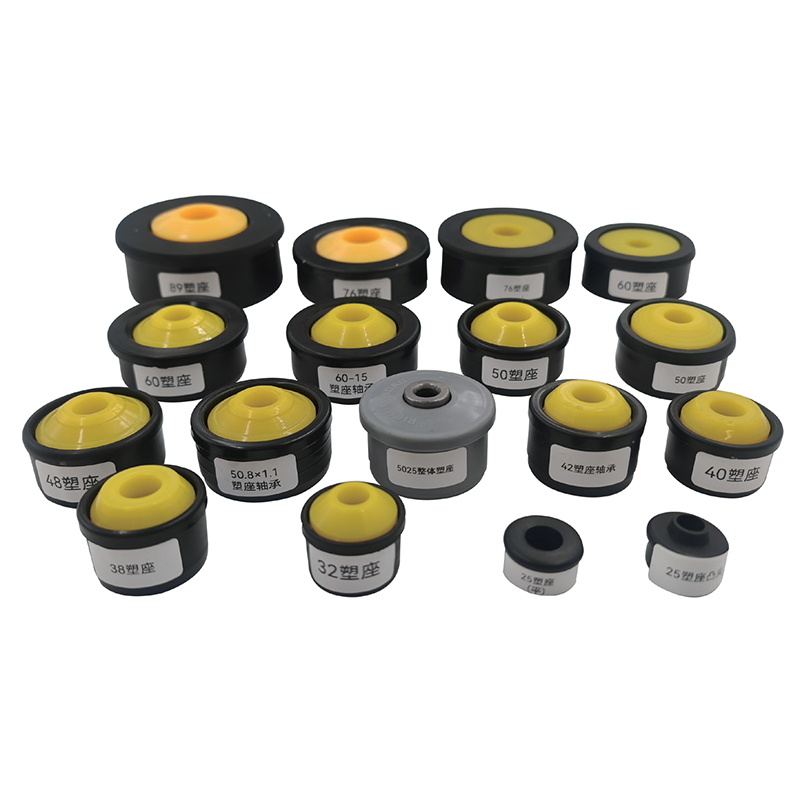 Roller Non-end Cap Plastic Seat
The roller open-end plastic seat is a plastic structural component used for supporting and...
-
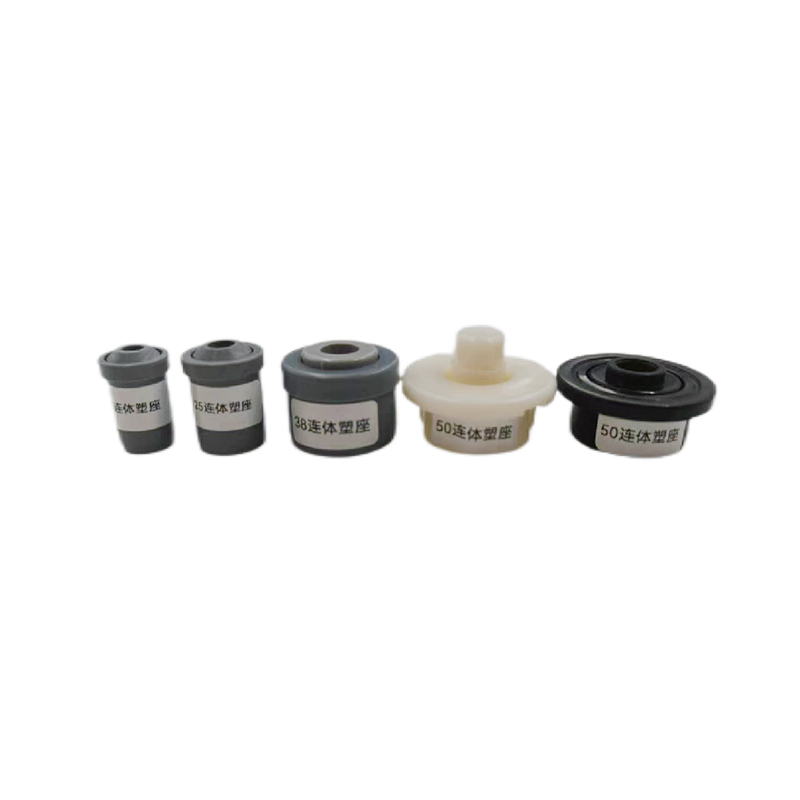 One-piece Roller Plastic Seat
The ONE-PIECE PLASTIC SEAT integrates the bearing housing and mounting bracket into a sing...
About Us
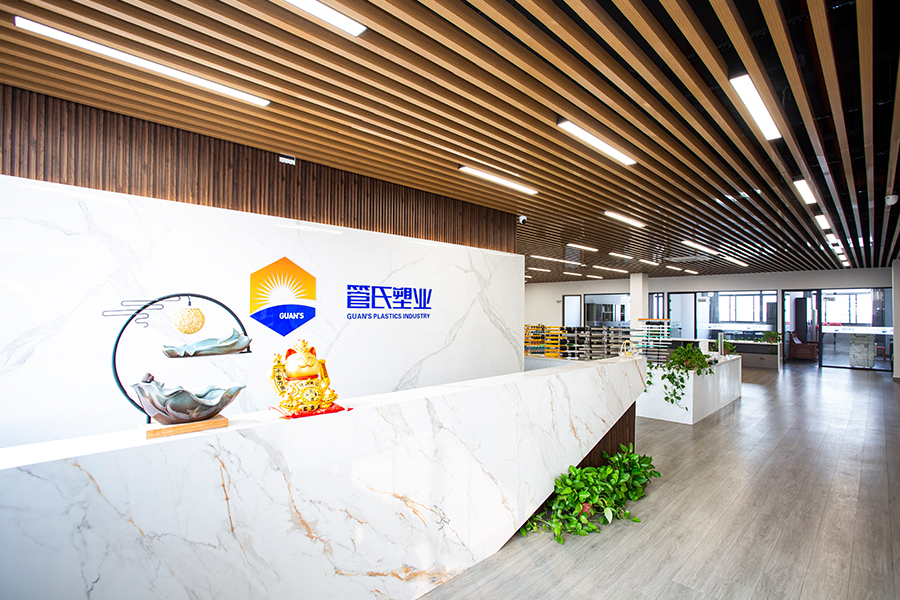
Huzhou Nanxun Guan's Plastic Industry Co., Ltd.
Huzhou Nanxun Guan's Plastic Industry Co., Ltd. was established in 2006, with its headquarters located in Huzhou, Zhejiang. Since its inception, the company has established three plastic product manufacturing bases and a laser cutting workshop in Zhejiang and Jiangsu provinces. We now have a large production, R&D, and operational space, with a growing team of employees. Our annual production volume has reached tens of millions of pieces, making us a well-known plastic product manufacturer and service provider both domestically and internationally.
As China Plastic Conveyor Roller Base Manufacturers and custom Conveyor Roller Plastic Seat factory, our products and services are widely applied in various industries, including logistics, pharmaceuticals, food and beverages, warehousing, organic produce, tobacco, tire manufacturing, and airport ground services. To meet the ever-growing demands of our customers, we have also developed a laser cutting project to further enhance our production capacity and technical capabilities.
News
-
November 3–6, 2026 | Shanghai New International Expo Centre | Hall W5 Invitation Huzhou Nanxun Guanshi Plastic Industry Co., Ltd. cordially invites you to visit...
READ MORE -
A conveyor roller looks simple from the outside: a tube, a shaft and a few small fittings. But the parts that decide whether it runs quietly for years or start...
READ MORE -
If you have ever pulled a roller out of a conveyor frame, you already know that the part which gives up first is rarely the roller tube itself. It is the small...
READ MORE -
Most people who buy a conveyor line eventually see a finished frame. Behind it, there is a supply chain of molds, injection machines, extrusion lines and inspe...
READ MORE -
Conveyor lines rarely stop because of a frame or a motor. Far more often the culprit is a worn sleeve, a cracked roller seat, or a guide rail that has lost its...
READ MORE
Message Feedback
Industry knowledge
Why the Plastic Conveyor Roller Base Matters More Than You Think
In most conveyor system discussions, the focus falls on the rollers themselves — their diameter, load rating, and surface finish. The base that holds each roller in position rarely gets the same attention, yet it directly determines whether the entire assembly stays aligned under sustained operational loads. A plastic conveyor roller base that lacks dimensional precision or adequate rigidity will allow lateral drift, leading to uneven belt wear, misaligned product paths, and increased maintenance frequency.
Material selection for the base also carries real consequences. Engineering-grade plastics such as PA (polyamide) and PP offer strong resistance to corrosion, moisture absorption, and chemical exposure — conditions common in food processing, pharmaceutical manufacturing, and cold-chain logistics. Unlike steel brackets, plastic bases eliminate galvanic corrosion at contact points and reduce the overall weight of the conveyor frame, which matters in overhead or elevated conveyor configurations.
At Huzhou Nanxun Guan's Plastic Industry Co., Ltd., base components are injection-molded to tight dimensional tolerances so that roller positioning remains consistent across tens of millions of production cycles — a standard that reflects over 18 years of accumulated process knowledge in plastic conveyor components.
Selecting the Right Conveyor Roller Plastic Seat for Your Application
A conveyor roller plastic seat must be matched to both the mechanical demands of the system and the environmental conditions of the facility. The primary variables to evaluate are load per roller station, conveyor speed, ambient temperature range, and exposure to cleaning agents or process fluids.
The following comparison outlines typical material choices for plastic seats across common industrial environments:
| Material | Temperature Range | Chemical Resistance | Typical Application |
|---|---|---|---|
| PP (Polypropylene) | –10 °C to +80 °C | Good (acids, alkalis) | Food & beverage, warehousing |
| PA6 (Nylon) | –30 °C to +100 °C | Moderate (absorbs moisture) | Logistics, general assembly lines |
| PA66 (Nylon 66) | –40 °C to +120 °C | Good (oils, fuels) | Tire manufacturing, automotive |
| HDPE | –50 °C to +60 °C | Excellent (most chemicals) | Pharmaceutical, cold storage |
Beyond material, the seat geometry — particularly the mounting hole pattern, roller shaft bore diameter, and the method of axle retention (snap-fit, bolt-through, or press-fit) — must be dimensionally compatible with the conveyor frame profile. Standardized seat designs that follow common industry mounting spacings reduce the engineering effort required during system integration and simplify aftermarket replacement.
Guan's Plastic produces conveyor roller plastic seats in multiple standard configurations, with options adaptable to customer-specific frame dimensions through tooling adjustments at the manufacturing level rather than field modification.
End Cap Housings and Their Role in Roller Assembly Longevity
The conveyor roller end cap housing performs two functions that are often underestimated: it retains the bearing or shaft assembly at each end of the roller tube, and it acts as the first barrier against contamination ingress into the bearing cavity. In environments with dust, particulates, or wash-down procedures, the sealing effectiveness of the end cap housing determines whether bearing service life is measured in months or years.
Effective end cap housings typically incorporate one or more of the following design features:
- Labyrinth seal geometry — a tortuous path that blocks particle migration without requiring contact sealing elements that generate friction and heat
- Interference-fit or snap-lock retention — prevents axial displacement of the cap under vibrational loads common in high-throughput conveyor applications
- Integrated grease port or sealed bearing pocket — allows pre-lubricated maintenance-free operation over extended service intervals
- Color coding by load class or diameter — simplifies inventory management and reduces assembly errors on multi-specification conveyor lines
When procuring end cap housings as replacement parts, verifying the outer tube diameter tolerance and cap wall thickness is essential. A cap that fits loosely will allow rotational creep, while an overly tight fit risks cracking the roller tube during installation — particularly at low ambient temperatures where plastic stiffness increases.
Procurement and Quality Considerations for Plastic Roller Fittings at Scale
For operations that maintain large conveyor networks — such as airport baggage systems, tobacco processing lines, or pharmaceutical distribution centers — the consistency of plastic roller fittings across production batches is a significant procurement concern. Dimensional variance between batches leads to mixed-fit inventory, extended changeover times, and in some cases, conveyor downtime while sourcing compatible parts.
Buyers evaluating plastic roller component suppliers should look beyond unit price and assess the following:
- Mold maintenance cycles — high-volume injection molding tools degrade over time; suppliers running tens of millions of pieces annually should have documented mold inspection schedules
- Material traceability — resin batch records allow buyers to correlate any field failures back to specific production lots
- Production capacity and lead time reliability — suppliers operating multiple manufacturing bases in different locations reduce single-point supply risk
- Customization capability — the ability to adjust tooling or produce custom configurations without minimum order quantities that exceed realistic project needs
With three manufacturing bases across Zhejiang and Jiangsu and an annual output in the tens of millions of pieces, Guan's Plastic maintains the production scale and process controls necessary to meet demanding OEM and aftermarket supply requirements across all major conveyor-intensive industries.


+86-13250912999
Huzhou Nanxun Guan's Plastic Industry Co., Ltd.
Email: [email protected]
Address: Building 8, North Zone, Dehao Industrial Park, Linghu Town, Nanxun District, Huzhou City, Zhejiang Province, China
Navigation
Products
About us
Copyright © Huzhou Nanxun Guan's Plastic Industry Co., Ltd.
All Rights Reserved.
Privacy
 Custom Conveyor Roller End Cap Housing Manufacturers