
 English
 中文简体
中文简体 русский
 Español
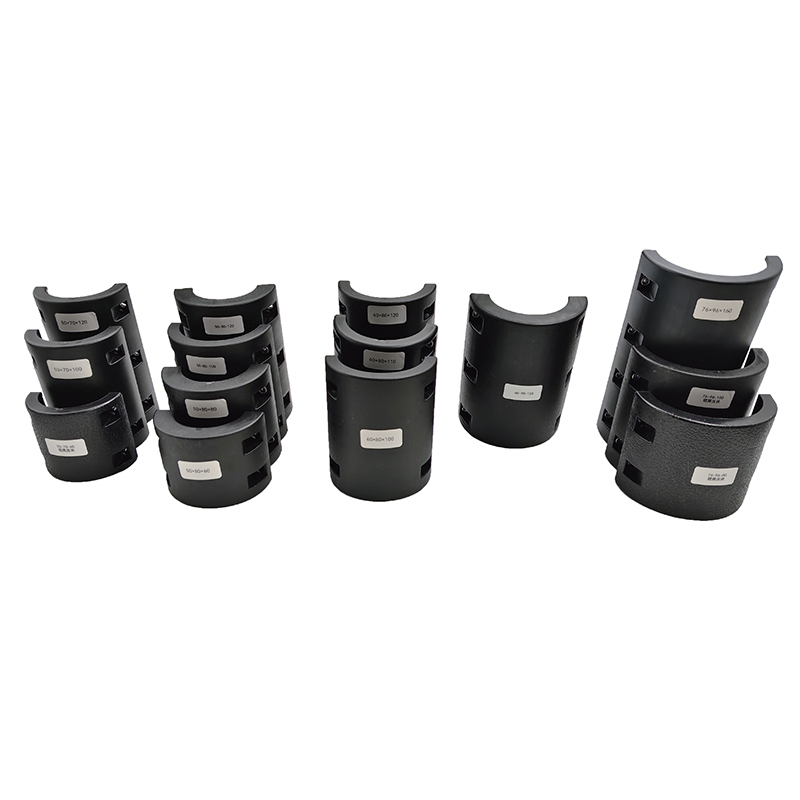
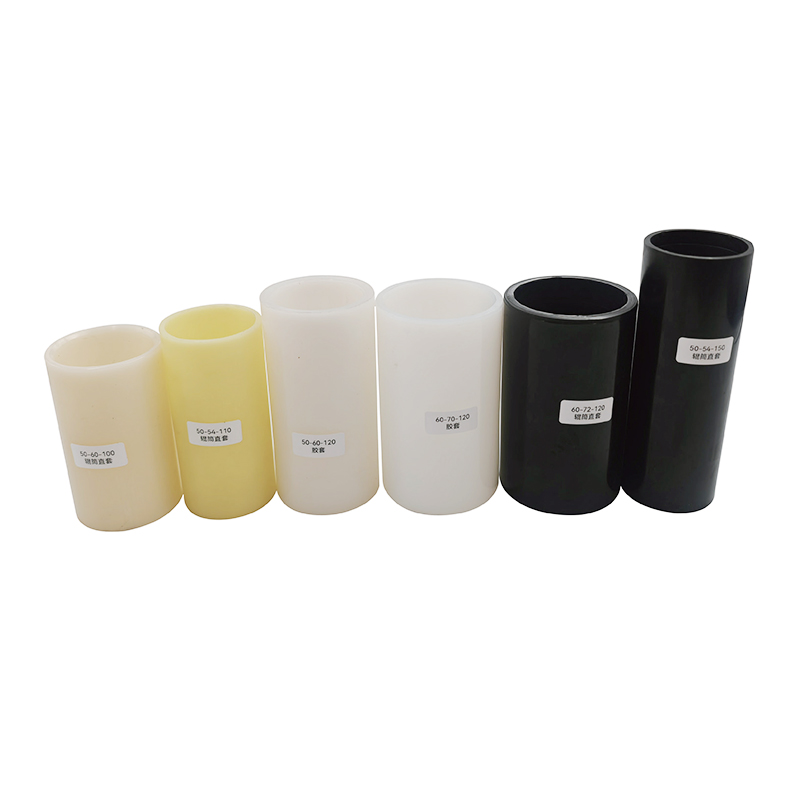
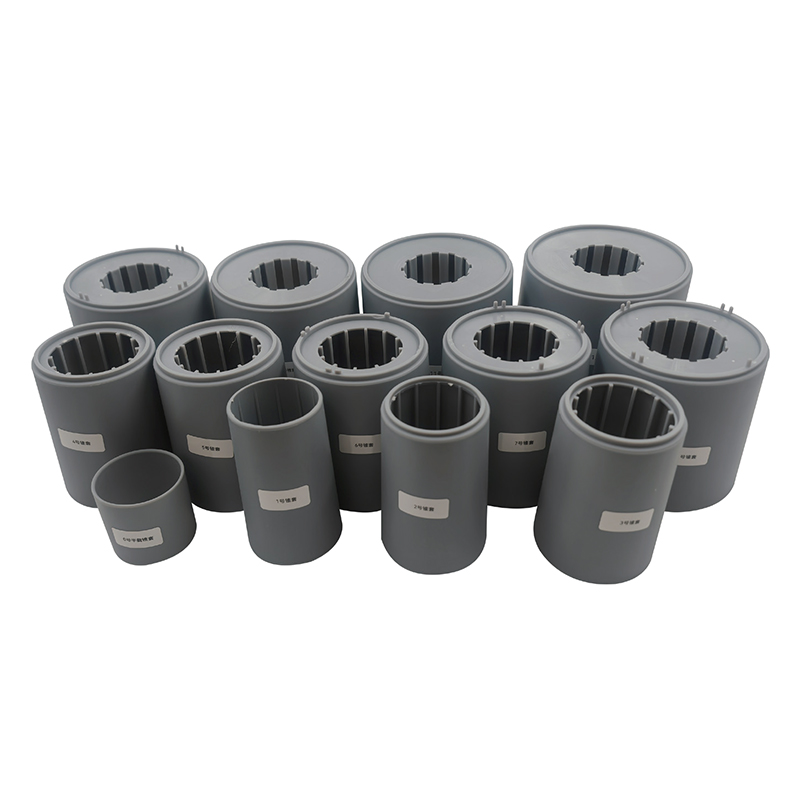
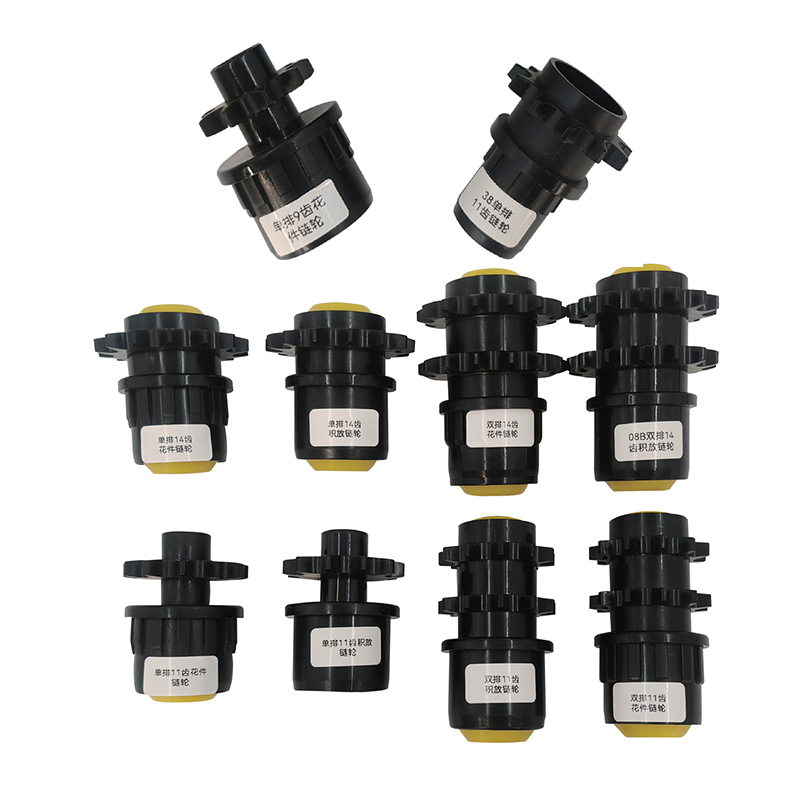
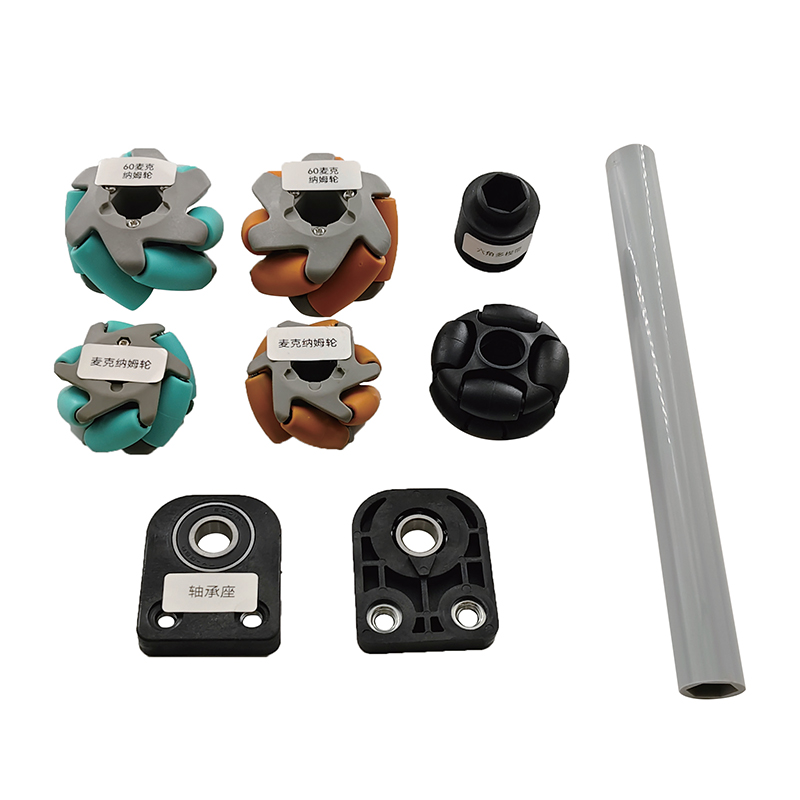
The MECANUM WHEEL is an omnidirectional wheel characterized by a series of rollers distrib...

Conveyor Turning Machine Components Manufacturers
The Turning Machine Series offers high-quality components designed for seamless conveyor operations. These essential accessories are engineered to ensure smooth transitions and precise directional changes in conveyor systems. Built with durability in mind, they are ideal for optimizing workflow and enhancing the efficiency of material handling processes across various industries. Whether you need to modify conveyor paths or improve the functionality of existing systems, our turning machine components provide reliable and long-lasting solutions.
About Us
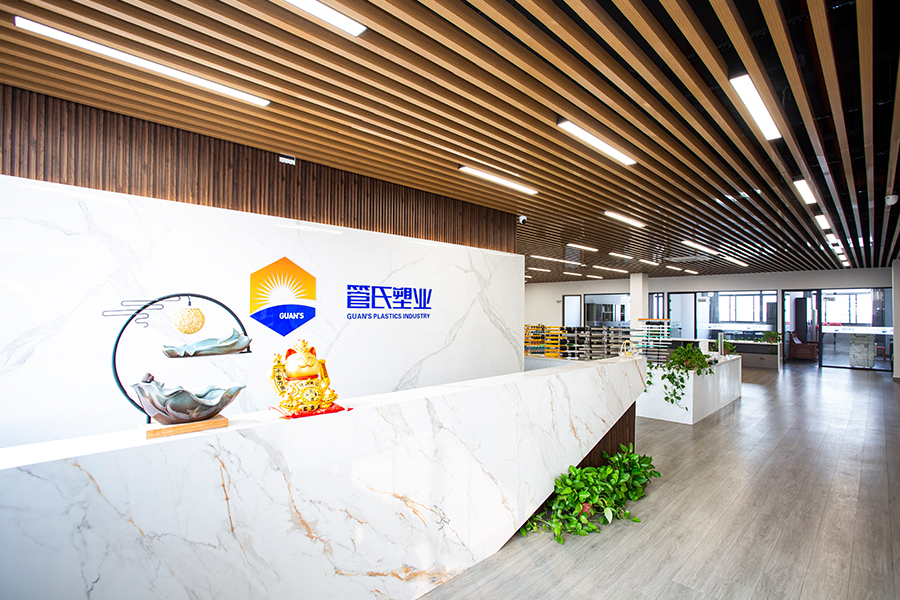
Huzhou Nanxun Guan's Plastic Industry Co., Ltd.
Huzhou Nanxun Guan's Plastic Industry Co., Ltd. was established in 2006, with its headquarters located in Huzhou, Zhejiang. Since its inception, the company has established three plastic product manufacturing bases and a laser cutting workshop in Zhejiang and Jiangsu provinces. We now have a large production, R&D, and operational space, with a growing team of employees. Our annual production volume has reached tens of millions of pieces, making us a well-known plastic product manufacturer and service provider both domestically and internationally.
As China Conveyor Turning Machine Wheels Manufacturers and custom Conveyor Turning Machine Components factory, our products and services are widely applied in various industries, including logistics, pharmaceuticals, food and beverages, warehousing, organic produce, tobacco, tire manufacturing, and airport ground services. To meet the ever-growing demands of our customers, we have also developed a laser cutting project to further enhance our production capacity and technical capabilities.
News
-
November 3–6, 2026 | Shanghai New International Expo Centre | Hall W5 Invitation Huzhou Nanxun Guanshi Plastic Industry Co., Ltd. cordially invites you to visit...
READ MORE -
A conveyor roller looks simple from the outside: a tube, a shaft and a few small fittings. But the parts that decide whether it runs quietly for years or start...
READ MORE -
If you have ever pulled a roller out of a conveyor frame, you already know that the part which gives up first is rarely the roller tube itself. It is the small...
READ MORE -
Most people who buy a conveyor line eventually see a finished frame. Behind it, there is a supply chain of molds, injection machines, extrusion lines and inspe...
READ MORE -
Conveyor lines rarely stop because of a frame or a motor. Far more often the culprit is a worn sleeve, a cracked roller seat, or a guide rail that has lost its...
READ MORE
Message Feedback
Industry knowledge
What types of bearings are used in high-radius conveyor turning machine components?
In the modern industrial landscape, material handling and logistics systems require high levels of precision, speed, and reliability. Among the most critical parts of these systems are turning machines, which facilitate smooth direction changes within a production line. The efficiency of these transitions heavily depends on the quality and engineering of the underlying mechanical parts. High-radius conveyor systems, in particular, present unique mechanical challenges, including increased centrifugal forces, higher load distribution complexities, and the necessity for continuous, low-friction movement. To address these demands, selecting the correct mechanical parts, specifically high-performance bearings, is paramount for optimizing system longevity and reducing operational downtime.
The Turning Machine Series offers high-quality components designed for seamless conveyor operations. These essential accessories are engineered to ensure smooth transitions and precise directional changes in conveyor systems. Built with durability in mind, they are ideal for optimizing workflow and enhancing the efficiency of material handling processes across various industries. Whether you need to modify conveyor paths or improve the functionality of existing systems, our conveyor turning machine components provide reliable and long-lasting solutions. Central to these assemblies are specialized bearings and guiding wheels that sustain the integrity of the system during tight or wide-radius maneuvers.
When engineering high-radius turning systems, the choice of rotational and rolling parts directly dictates the load capacity and speed limits of the entire setup. Bearings used in these environments must withstand both radial and axial loads while operating continuously in diverse industrial environments, ranging from high-humidity food processing plants to dusty warehousing facilities. Understanding the precise types of bearings integrated into these specialized components allows maintenance engineers and system designers to maximize throughput and achieve extreme operational efficiency.
Deep groove ball bearings in guide rollers
Deep groove ball bearings represent the most common type of rolling-element bearing utilized within standard and high-radius conveyor turning machine components. These bearings feature deep, uninterrupted raceway grooves that have a close anthropometric fit with the balls, enabling them to carry radial loads alongside substantial axial loads in both directions. In high-radius turning mechanisms, they are frequently embedded inside the guiding wheels to ensure that the conveyor belt or chain maintains its precise trajectory without slipping or derailing.
The technical excellence of these bearings lies in their low frictional torque, which makes them highly suitable for high-speed applications where energy conservation is a priority. Within a turning section, the conveyor belt experiences non-linear forces; deep groove ball bearings effectively absorb these forces, allowing the conveyor turning machine wheels to rotate smoothly with minimal wear. Furthermore, they are available in sealed or shielded variants, preventing dust, debris, and moisture from contaminating the internal rolling elements, which is vital for maintaining continuous uptime.
Typical application scenarios for guide rollers equipped with deep groove ball bearings include automated sorting systems in distribution centers, baggage handling at airports, and packaging lines in pharmaceutical facilities. In these settings, the primary operational goal is the pursuit of excellence through uninterrupted material flow. Compared to alternative bearing types, deep groove ball bearings offer a cost-effective, low-maintenance solution that excels in high-speed, low-to-medium load scenarios, making them indispensable for modern conveyor tracks.
As a prominent manufacturer committed to industrial innovation, Huzhou Nanxun Guan's Plastic Industry Co., Ltd. integrates premium rolling components and high-grade engineered polymers to fabricate robust guide assemblies. Established in 2006, with its headquarters located in Huzhou, Zhejiang, our company focuses on practical truth and precision manufacturing. By housing advanced plastic injection molding bases and a specialized laser cutting workshop across Zhejiang and Jiangsu provinces, we ensure that every rolling assembly achieves perfect concentricity, allowing standard deep groove ball bearings to perform optimally under continuous heavy-duty cycles.
Tapered roller bearings for heavy-duty curve components
For heavy-duty high-radius conveyor systems, standard ball bearings may not provide sufficient load-bearing capacity to counteract the immense forces generated during directional shifts. In such applications, tapered roller bearings are heavily relied upon within heavy-duty conveyor turning machine components. These bearings consist of inner and outer rings with tapered raceways and conical rollers. They are engineered specifically to handle large simultaneous radial and axial loads, making them ideal for cornering sections where severe thrust forces are directed toward the outer radius of the turn.
The core functionality of tapered roller bearings stems from their large contact area between the rollers and the raceways, which distributes weight more evenly and minimizes stress concentration. This technical characteristic prevents deformation of the conveyor turning machine wheels when heavy pallets, automotive parts, or bulk raw materials travel along the curved path. By maintaining absolute structural rigidity, these bearings prevent the misalignment of turning modules, ensuring a seamless transition from linear tracks to curved sections.
The typical application scenarios for these heavy-duty components include heavy warehousing, bulk cargo logistics, tire manufacturing lines, and airport ground services. In these environments, system failure can lead to expensive operational bottlenecks. The differentiation advantage of tapered roller bearings over other types is their exceptional resistance to heavy shock loads and high axial thrust. They provide rigid support, ensuring that the heavy turning machine modules remain stable even when operating under peak capacity in demanding heavy industrial plants.
To support such heavy industrial demands, Huzhou Nanxun Guan's Plastic Industry Co., Ltd. utilizes its vast production, R&D, and operational space to design composite material components that house these robust bearings. Our annual production volume has reached tens of millions of pieces, making us a well-known plastic product manufacturer and service provider both domestically and internationally. Our business philosophy is customer-centered and striver-oriented, which drives us to continuously refine the integration of high-load bearings into our turning machine components, ensuring maximum resilience and structural integrity.
Spherical roller bearings for high-misalignment turning systems
High-radius conveyor systems often feature expansive structures where perfect mechanical alignment across long distances can be difficult to maintain. Temperature fluctuations, structural settling, and dynamic load distributions can introduce angular misalignment between the shaft and the housing of the turning component. To solve this problem, spherical roller bearings are implemented within specialized conveyor turning machine components to accommodate inherent misalignments without increasing friction or reducing the lifespan of the bearing.
Spherical roller bearings feature two rows of barrel-shaped symmetrical rollers, which run in a common spherical outer ring raceway. This design gives the bearing self-aligning properties, meaning it can compensate for dynamic or static angular misalignment. When integrated into conveyor turning machine wheels operating on uneven surfaces or in wide-radius outdoor overhead conveyors, these bearings ensure that the system self-corrects in real-time, preventing mechanical binding and catastrophic component failures.
These bearings are widely applied in heavy logistics, organic produce sorting, tobacco processing, and bulk handling conveyor infrastructures. Their main advantage compared to rigid bearings is their unique ability to maintain high load capacities while tolerating structural flex. This significantly reduces the need for frequent precision recalibrations of the conveyor framework, leading to extreme efficiency in maintenance operations and lower overall labor costs for large-scale distribution facilities.
Our brand spirit of continuous improvement and continuous innovation guides the engineering team at Huzhou Nanxun Guan's Plastic Industry Co., Ltd. to develop comprehensive solutions for high-misalignment applications. Our products and services are widely applied in various industries, including logistics, pharmaceuticals, food and beverages, warehousing, organic produce, tobacco, tire manufacturing, and airport ground services. By understanding the unique environmental stress factors of each industry, we deliver integrated plastic and metal components that optimize the performance of self-aligning bearings under severe real-world operational challenges.
Comparative Analysis of Turning Component Bearings
To properly evaluate which bearing type is best suited for specific turning machine configurations, a direct technical comparison is required. System designers must weigh factors such as rotational speed, load capacity, tolerance for misalignment, and environmental resilience to choose the most appropriate assembly. The following table provides a comprehensive overview of the key performance indicators for bearings used across different conveyor turning modules.
| Bearing Type | Primary Load Direction | Speed Capability | Misalignment Tolerance | Typical Operating Temp |
| Deep Groove Ball | Balanced Radial & Axial | Very High | Low (0.5 to 10 mins of arc) | -40°C to 120°C |
| Tapered Roller | High Radial & High Heavy Axial | Medium to High | Very Low (Rigid alignment needed) | -30°C to 150°C |
| Spherical Roller | Extremely Heavy Radial & Moderate Axial | Medium | High (Up to 2.5 degrees) | -50°C to 200°C |
As indicated by the data, selecting the right bearing involves finding a balance between speed and load capacities. While deep groove ball bearings are ideal for rapid, lightweight sorting systems, tapered and spherical rollers are necessary when material handling tasks involve massive weight loads or unaligned framework conditions. Selecting the appropriate bearing configuration ensures that the conveyor turning section operates smoothly without causing premature wear to adjacent components.
Key Advantages of Precision Components in Material Handling
Implementing high-grade rolling elements within conveyor turning frameworks offers clear operational advantages that directly affect a company's bottom line. By selecting components tailored to specific radius constraints and weight requirements, facility operators can significantly enhance system performance.
The primary advantages of using precisely engineered turning modules include:
- Reduced Friction and Energy Consumption: High-precision bearings minimize rotational resistance, allowing conveyor drive motors to operate with lower power requirements.
- Enhanced Structural Longevity: Properly matched bearings prevent excessive stress accumulation on conveyor frames, reducing fatigue and extending the lifecycle of the entire infrastructure.
- Minimized Maintenance Downtime: Sealed, high-quality rolling assemblies lower the frequency of required lubrication intervals and prevent unexpected line stoppages.
- Superior Material Tracking: Stabilized turning wheels maintain tight control over conveyor belt alignment, preventing product slippage or operational jams at high sorting speeds.
Achieving these operational benchmarks requires a manufacturer capable of combining precision machining with advanced material science. Huzhou Nanxun Guan's Plastic Industry Co., Ltd. meets these demands by providing tailored development and efficient after-sales service, committed to achieving win-win development with global partners. Our brand mission is to provide high-quality plastic products and professional laser cutting services for various industries with exquisite manufacturing. This focus ensures that our turning components meet strict industrial performance standards worldwide.
Implementation Steps for Upgrading Conveyor Turning Modules
Upgrading or replacing components within high-radius conveyor curves requires a methodical approach to ensure compatibility, safety, and optimal performance. System integrators should follow structured deployment steps to maximize the efficiency of their new hardware installations.
The recommended process for implementing updated turning components consists of the following steps:
- Conduct a System Audit: Evaluate the current curve radius, maximum load capacity, belt speed, and existing wear patterns to establish clear baseline performance metrics.
- Select the Correct Component Specifications: Choose the appropriate bearing types and high-strength plastic wheels based on the environmental conditions, such as temperature, moisture levels, and chemical exposure.
- Utilize Precision Manufacturing Support: Engage advanced production capabilities, such as the laser cutting project developed by our team to enhance production capacity and technical capabilities, ensuring precise fitment of custom brackets and mounting plates.
- Execute Rigorous Installation and Alignment: Mount the new components onto the conveyor frame, ensuring that all shafts are perfectly aligned or that self-aligning components are set within their allowable operational tolerances.
- Perform Operational Testing and Validation: Run the conveyor system under empty and fully loaded conditions to verify smooth directional transitions, check for abnormal thermal build-up, and ensure precise material tracking.
By following these execution steps, engineering teams can seamlessly integrate new components into existing assembly lines, eliminating configuration errors and ensuring that the material handling system achieves long-term operational success.
Advanced Materials and Future Innovations in Conveyor Turning Technology
As industries move toward increased automation and higher throughput, the materials used to construct turning components must evolve accordingly. The integration of high-performance engineering plastics, such as POM, HDPE, and specialized polyamides, with advanced rolling elements represents the future of conveyor component design. These advanced materials offer high strength-to-weight ratios, self-lubricating properties, and excellent resistance to abrasive wear and chemical cleaners, making them ideal companions for precision bearings.
Looking toward the future, Guan's Plastic will continue to deepen its layout in the plastic product field related to automobile electrification and intelligence, help promote green mobility, and contribute Chinese wisdom and strength to the global automobile industry and the progress of intelligent life. This forward-looking approach ensures that our research and development initiatives remain aligned with global technological trends. Whether creating light components for electronic assembly lines or heavy-duty systems for automotive manufacturing, our commitment to excellence ensures that our products provide reliable, long-lasting solutions across all sectors.
Frequently Asked Questions
Q1: Why are specialized bearings necessary for high-radius conveyor turning machine components?
High-radius turning sections generate complex multi-directional forces, including centrifugal forces and lateral thrust. Standard linear conveyor bearings are not designed to handle these simultaneous radial and axial loads. Specialized bearings, such as deep groove ball bearings or tapered roller bearings, are required within the turning components to sustain smooth rotation, maintain belt alignment, and prevent mechanical binding under continuous industrial operation.
Q2: How do conveyor turning machine wheels benefit from plastic injection molding and advanced laser cutting?
Plastic injection molding allows for the high-volume production of lightweight, durable, and corrosion-resistant components that perfectly enclose internal bearings. Advanced laser cutting further enhances technical capabilities by delivering precise metal brackets and customized mounting plates. This integration ensures perfect concentricity and structural fit, which reduces vibration, minimizes friction, and extends the overall operational life of the turning system.
Q3: What industries benefit most from the components manufactured by Huzhou Nanxun Guan's Plastic Industry Co., Ltd.?
Our products and services are widely applied across a diverse range of demanding sectors, including logistics, pharmaceuticals, food and beverages, warehousing, organic produce, tobacco, tire manufacturing, and airport ground services. Any facility that requires high-efficiency material handling, smooth sorting transitions, and durable component solutions can optimize its workflow using our high-quality turning machine series accessories.
Q4: How does structural misalignment affect bearing selection in wide-radius turning systems?
In large or wide-radius conveyor configurations, framework flex and slight installation misalignments are common. If rigid bearings are used, misalignment leads to high localized friction, accelerated wear, and premature component failure. In these scenarios, spherical roller bearings are selected because their self-aligning design allows them to tolerate dynamic angular deviations while maintaining full load-carrying capacity, ensuring continuous system uptime.


+86-13250912999
Huzhou Nanxun Guan's Plastic Industry Co., Ltd.
Email: [email protected]
Address: Building 8, North Zone, Dehao Industrial Park, Linghu Town, Nanxun District, Huzhou City, Zhejiang Province, China
Navigation
Products
About us
Copyright © Huzhou Nanxun Guan's Plastic Industry Co., Ltd.
All Rights Reserved.
Privacy
 Custom Conveyor Turning Machine Components Manufacturers