
 English
 中文简体
中文简体 русский
 Español

Box-type Side Frame Profile
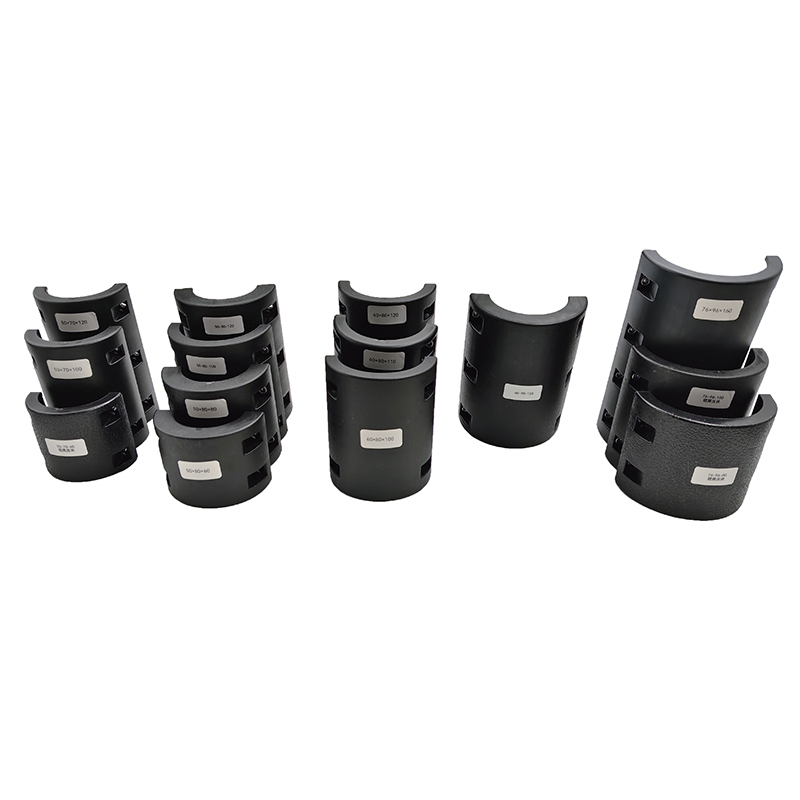
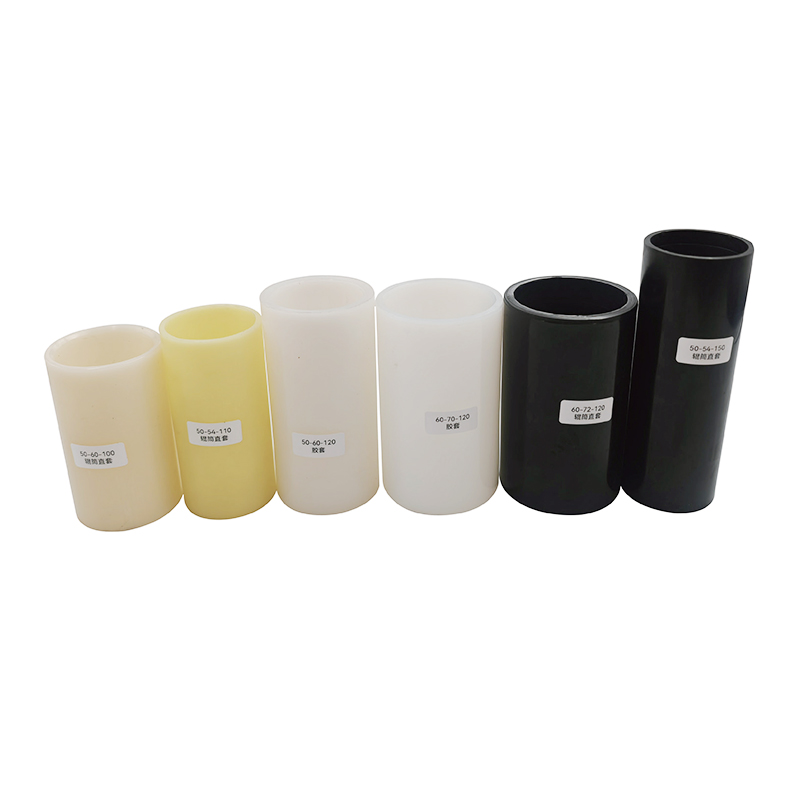
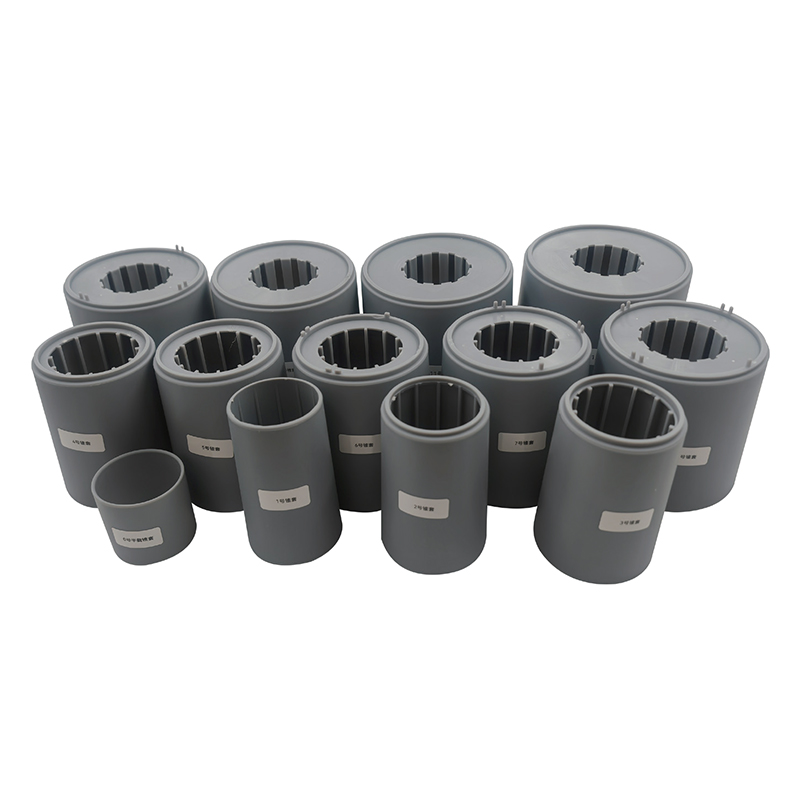
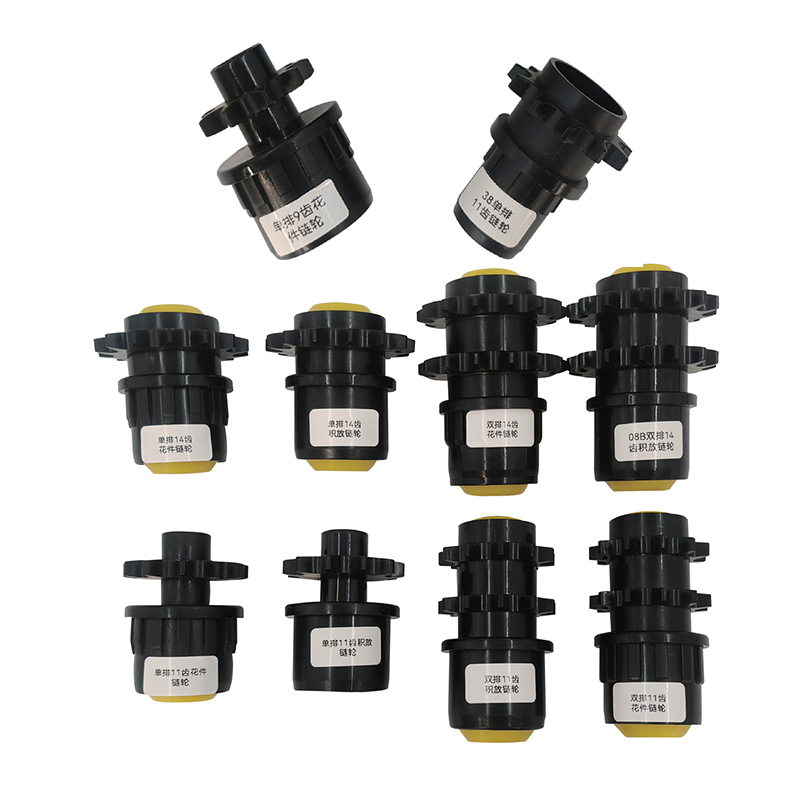
About Us
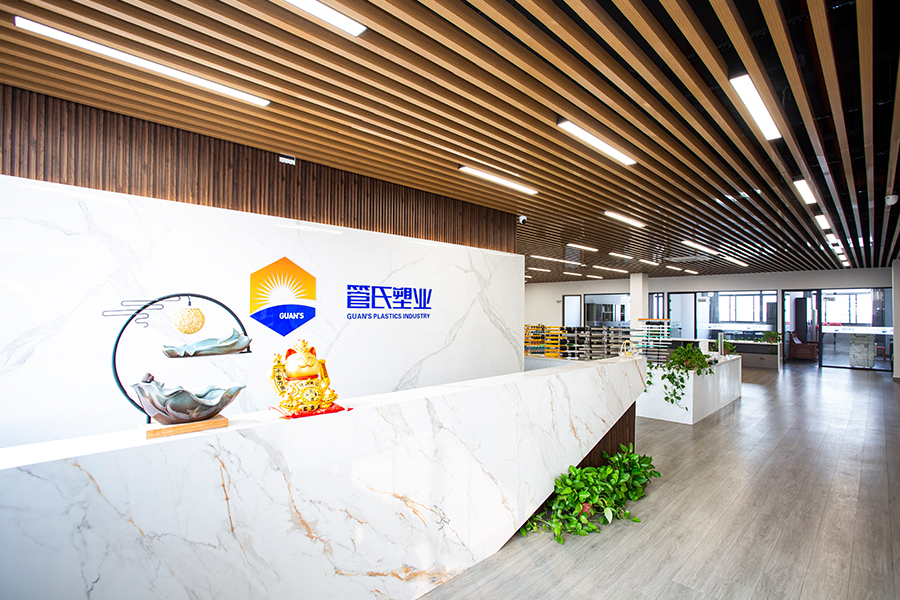
Huzhou Nanxun Guan's Plastic Industry Co., Ltd.
Huzhou Nanxun Guan's Plastic Industry Co., Ltd. was established in 2006, with its headquarters located in Huzhou, Zhejiang. Since its inception, the company has established three plastic product manufacturing bases and a laser cutting workshop in Zhejiang and Jiangsu provinces. We now have a large production, R&D, and operational space, with a growing team of employees. Our annual production volume has reached tens of millions of pieces, making us a well-known plastic product manufacturer and service provider both domestically and internationally.
As China Box-type Side Frame Profile Manufacturers and custom Box-type Side Frame Profile factory, our products and services are widely applied in various industries, including logistics, pharmaceuticals, food and beverages, warehousing, organic produce, tobacco, tire manufacturing, and airport ground services. To meet the ever-growing demands of our customers, we have also developed a laser cutting project to further enhance our production capacity and technical capabilities.
News
-
November 3–6, 2026 | Shanghai New International Expo Centre | Hall W5 Invitation Huzhou Nanxun Guanshi Plastic Industry Co., Ltd. cordially invites you to visit...
READ MORE -
A conveyor roller looks simple from the outside: a tube, a shaft and a few small fittings. But the parts that decide whether it runs quietly for years or start...
READ MORE -
If you have ever pulled a roller out of a conveyor frame, you already know that the part which gives up first is rarely the roller tube itself. It is the small...
READ MORE -
Most people who buy a conveyor line eventually see a finished frame. Behind it, there is a supply chain of molds, injection machines, extrusion lines and inspe...
READ MORE -
Conveyor lines rarely stop because of a frame or a motor. Far more often the culprit is a worn sleeve, a cracked roller seat, or a guide rail that has lost its...
READ MORE
Message Feedback
Industry knowledge
Structural Role of the Side Frame Profile in Box-Type Conveyor Systems
In box-type conveyor line construction, the side frame profile is the primary longitudinal structural member — it carries the combined weight of the conveying surface, the product load, and all mounted accessories while maintaining the dimensional stability that keeps rollers, drive components, and guardrails in their designed positions. Unlike open-channel frame profiles, the box-type cross-section achieves its stiffness through a closed geometry, distributing bending and torsional loads across all four walls rather than concentrating stress at a single neutral axis.
The practical consequence of this geometry is a significantly higher moment of inertia per unit of material used. A box-type side frame profile with equivalent wall thickness to an open C-channel can achieve two to three times the torsional rigidity, which is directly relevant in applications where the conveyor frame must resist the asymmetric loading produced by side-mounted drives, cantilevered brackets, or offset product streams.
For system integrators and plant engineers, understanding the structural mechanics of the side frame profile is the foundation for making informed decisions about span lengths, support post spacing, accessory mounting configurations, and the total installed cost of a conveyor line — factors that remain relevant across the logistics, warehousing, pharmaceutical, and food and beverage industries that form the core of our customer base at Huzhou Nanxun Guan's Plastic Industry Co., Ltd.
Cross-Section Geometry and Its Effect on Deflection and Span Capacity
The geometry of a box-type side frame profile — specifically the height-to-width ratio of the cross-section, the wall thickness distribution, and the presence of internal ribs or stiffening features — determines the allowable span between support legs for a given load case. Selecting a profile without reference to these parameters often results in either over-engineering (unnecessary material cost and weight) or under-engineering (mid-span deflection that disrupts roller alignment and product tracking).
Key geometric parameters and their practical implications:
- Profile height: The dominant contributor to vertical bending stiffness. Doubling profile height increases the second moment of area by a factor of approximately four, allowing either a longer unsupported span or a higher distributed load at the same span — a non-linear relationship that rewards careful sizing over conservative over-specification.
- Wall thickness uniformity: Non-uniform wall thickness — common in profiles designed to reduce material consumption — creates stress concentration zones at the thinner sections under cyclic loading. Profiles intended for high-cycle applications such as airport baggage handling or pharmaceutical packaging lines benefit from uniform wall thickness even at a modest cost premium.
- Internal rib configuration: Horizontal internal ribs connecting the upper and lower walls of the box section suppress cross-section distortion under combined bending and torsion. This is particularly relevant in curved conveyor sections where the torsional load component can be comparable in magnitude to the vertical bending load.
- Corner radius: Sharp internal corners in extruded profiles are sites of stress concentration. A minimum internal corner radius of 1.5× the wall thickness is a commonly applied design rule for polymer profiles under sustained loading, reducing peak stress by 20–30% compared to right-angle corners.
For preliminary span calculations, a maximum mid-span deflection of L/500 (where L is the unsupported span length) is a widely adopted serviceability limit for conveyor frame profiles in precision-alignment applications such as pharmaceutical inspection lines. Less demanding applications such as bulk warehousing may accept L/300, allowing longer spans with the same profile.
Material Selection for Box-Type Side Frame Profiles Across Industry Environments
The material composition of a box-type side frame profile governs not only its mechanical performance but its chemical resistance, weight, machinability for field drilling, and compliance with industry-specific regulatory requirements. Engineering polymer profiles have largely displaced aluminum and steel alternatives in many conveyor applications, offering corrosion immunity and significant weight reduction at comparable structural performance for spans up to approximately 2.5 meters under moderate loading.
| Material | Tensile Modulus (GPa) | Chemical Resistance | Best-Fit Application |
|---|---|---|---|
| PP Homopolymer | 1.3–1.6 | Excellent (acids, alkalis) | Food/beverage washdown lines |
| PP-GF30 | 4.5–6.0 | Good (most industrial chemicals) | Logistics, warehousing, tobacco |
| HDPE | 0.8–1.1 | Excellent (solvents, sanitizers) | Pharmaceutical, organic produce |
| PA-GF30 | 7.0–9.5 | Moderate (avoid strong acids) | Tire manufacturing, heavy load |
One frequently underestimated material property in profile selection is the coefficient of thermal expansion (CTE). Polymer profiles expand and contract at rates three to eight times greater than steel across the same temperature range. In conveyor lines spanning 20 meters or more in environments with significant temperature swings — such as distribution centers with loading dock doors or cold-chain facilities — thermal expansion joints at defined intervals prevent profile buckling and joint stress accumulation that would otherwise develop over the first few seasonal cycles.
Precision Cutting, Drilling, and Field Modification of Box-Type Profiles
Box-type side frame profiles rarely ship in their final installed length. Field cutting, drilling for roller axle slots, and milling for bracket mounting are routine operations in conveyor assembly, and the ease and precision with which a profile accepts these modifications directly affects installation speed and dimensional accuracy of the finished line. This is an area where the combination of extrusion precision and laser cutting capability — as developed in our laser cutting workshop — provides measurable advantages over conventional saw-cut and hand-drilled alternatives.
Best practices for field and workshop modification of polymer box-type profiles:
- Cutting method selection: Cold saw or carbide-tipped circular saw blades produce cleaner cut faces with less heat generation than abrasive disc cutting. Heat buildup during cutting of semicrystalline polymers such as PP and PA can cause localized melting that redeposits as burr on the cut face, requiring secondary deburring that adds time without improving dimensional accuracy.
- Roller axle slot geometry: Axle slots cut into the upper flange of the side frame profile must maintain consistent width tolerance across the full line length to ensure uniform roller height and belt tracking. Laser-cut slots achieve positional repeatability of ±0.1 mm, compared to ±0.5–1.0 mm typical for hand-drilled slots — a difference that becomes visible as roller misalignment in lines exceeding 10 meters.
- Bracket mounting hole patterns: Pre-drilling bracket mounting holes to a standardized pattern during profile fabrication — rather than marking and drilling individually on-site — reduces assembly time per meter of conveyor by 30–50% in high-volume installation projects and eliminates the positional error that accumulates with manual layout over long runs.
- End face preparation: Box-type profiles used in butt-joint splice connections require square, burr-free end faces to achieve flush alignment. A purpose-made end stop jig used consistently across all cuts eliminates the angular error that manual free-hand cutting introduces, keeping splice joint steps below the 0.2 mm threshold that affects belt tracking in flat-belt conveyor applications.
For projects requiring large volumes of cut-to-length box-type side frame profile with pre-drilled roller slots and bracket hole patterns, factory pre-processing eliminates the most error-prone and labor-intensive steps from the installation site, delivering a measurable reduction in total project installation time and a consistent dimensional quality that field cutting alone cannot replicate.


+86-13250912999
Huzhou Nanxun Guan's Plastic Industry Co., Ltd.
Email: [email protected]
Address: Building 8, North Zone, Dehao Industrial Park, Linghu Town, Nanxun District, Huzhou City, Zhejiang Province, China
Navigation
Products
About us
Copyright © Huzhou Nanxun Guan's Plastic Industry Co., Ltd.
All Rights Reserved.
Privacy
 Custom Box-type Side Frame Profile Manufacturers