
 English
 中文简体
中文简体 русский
 Español
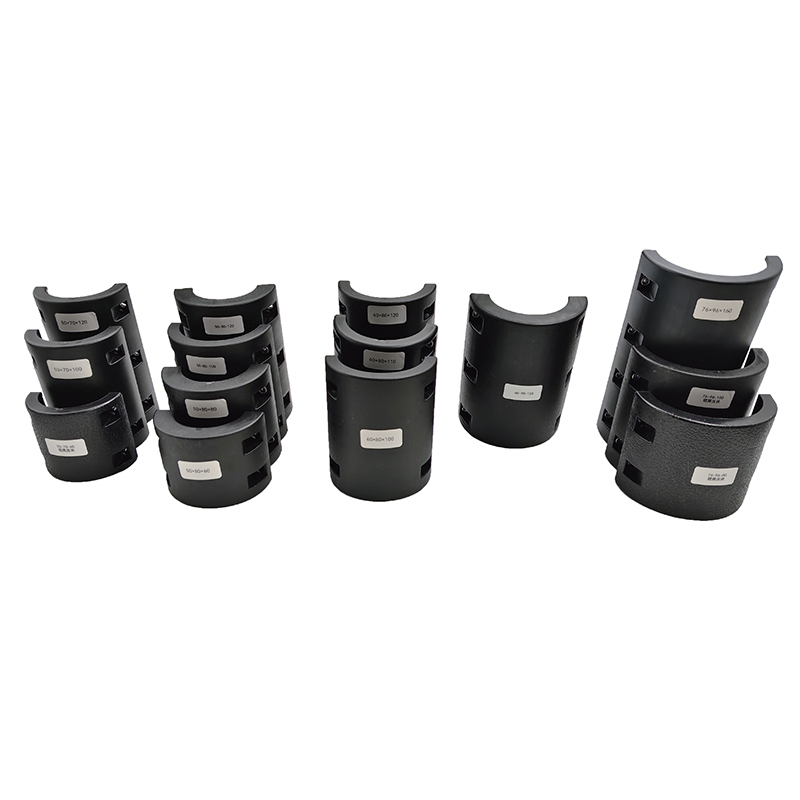
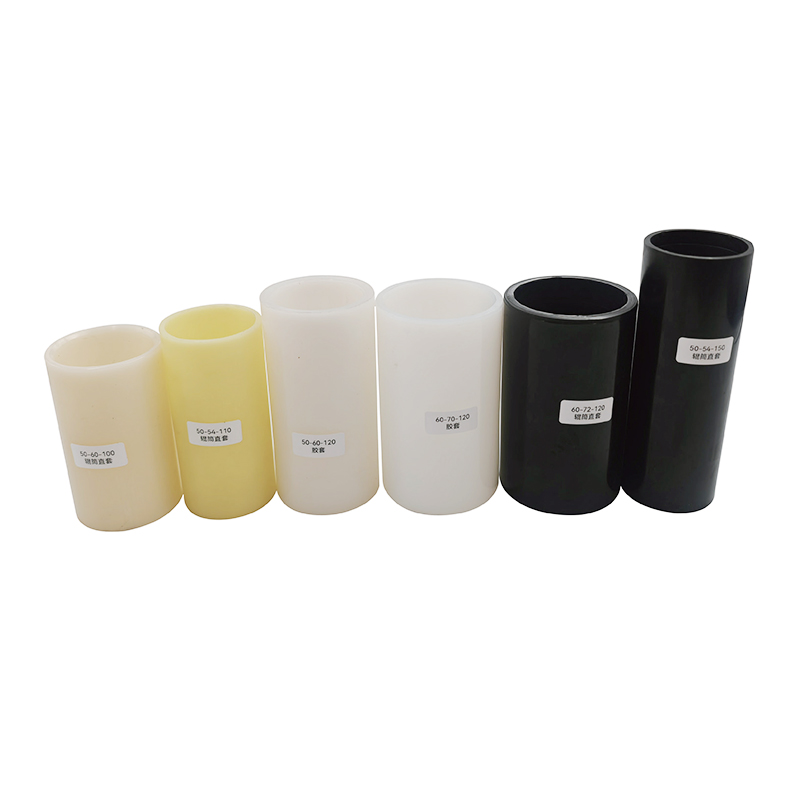
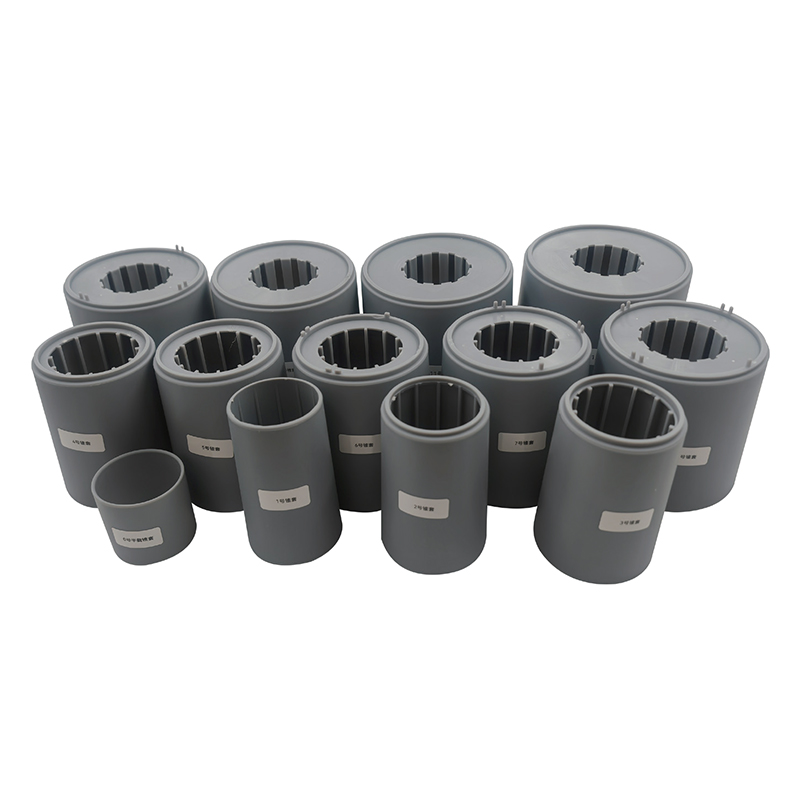
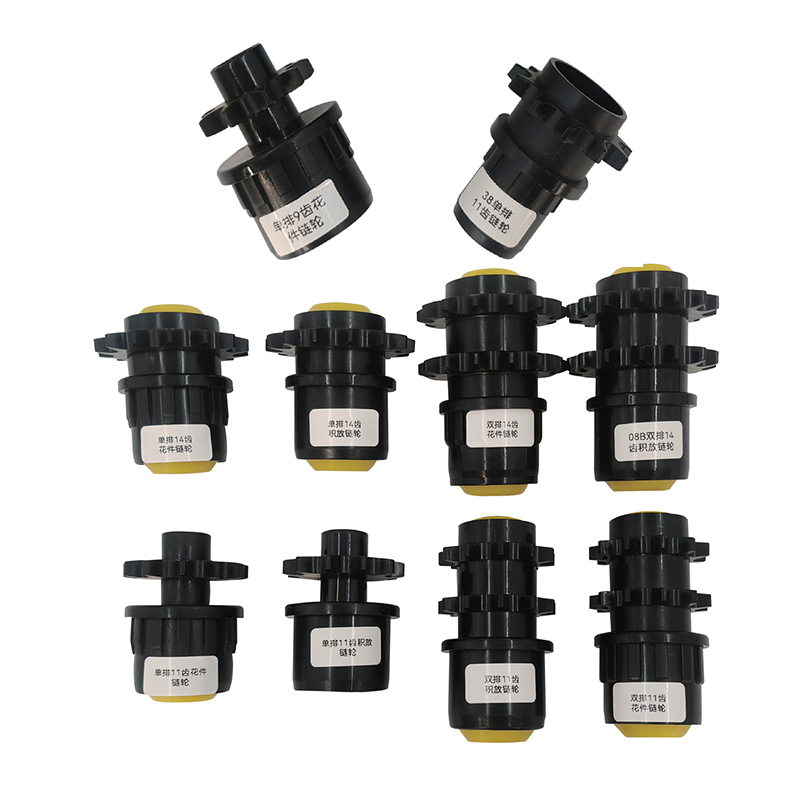
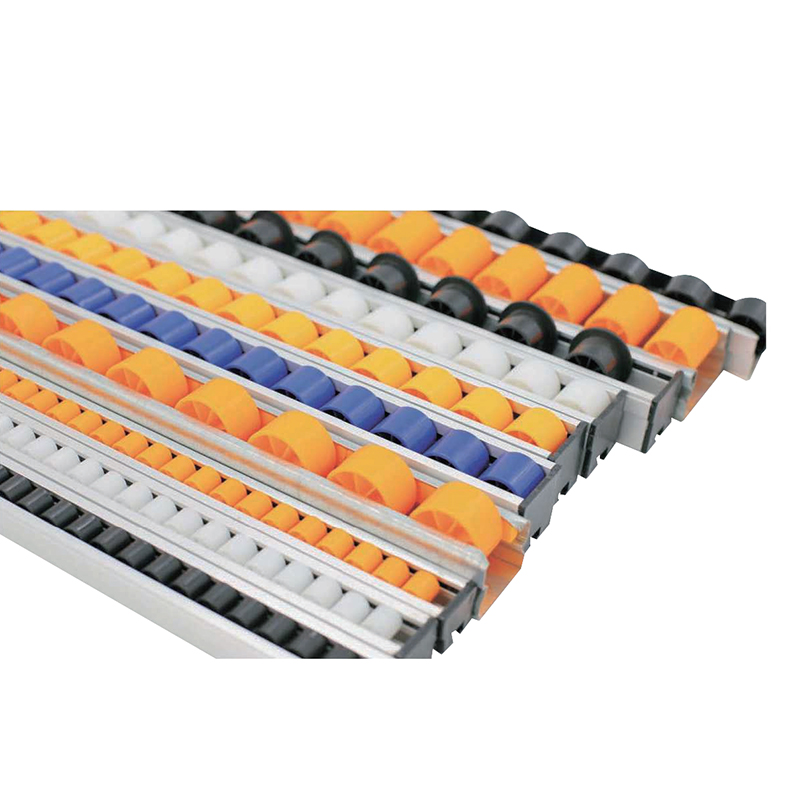
The conveyor flow bar is a rolling component designed for gravity-driven or assisted conve...

Plastic Conveyor Flow Bar Manufacturers
-
-
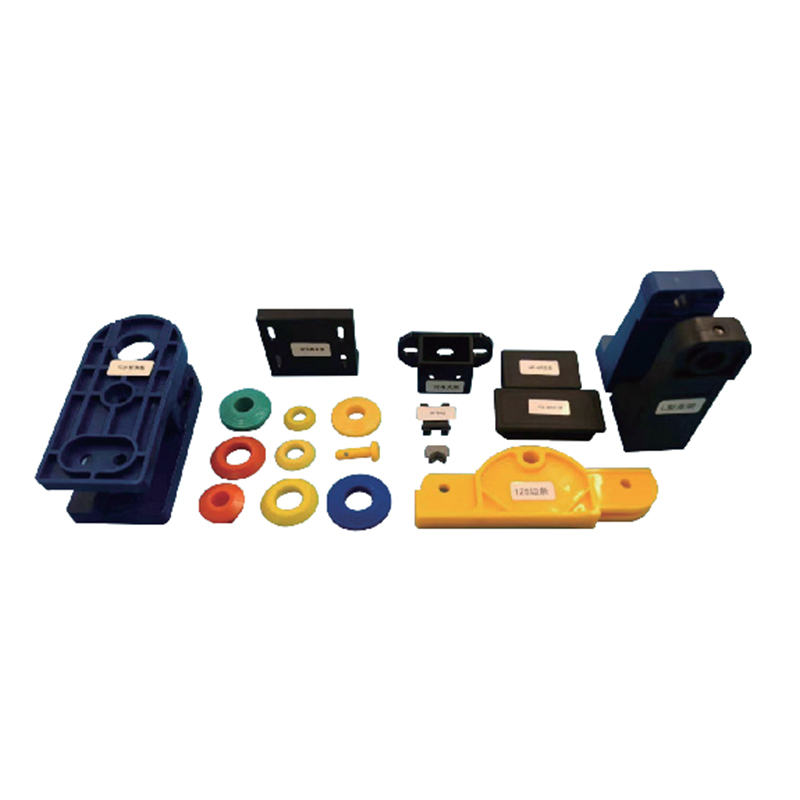 Conveyor Accessories
Conveyor accessories are a collection of functional components designed for industrial con...
Gravity flow racks are a type of shelving product primarily used in warehousing. They can be used as slides, railings, and guides, and are highly flexible in their rotation. Composed of legs and roller tracks, they are a specialized shelving system widely used in factory assembly lines and distribution areas of logistics centers. Furthermore, gravity flow racks can be integrated with digital sorting systems to significantly improve material sorting and distribution efficiency and reduce errors.
About Us
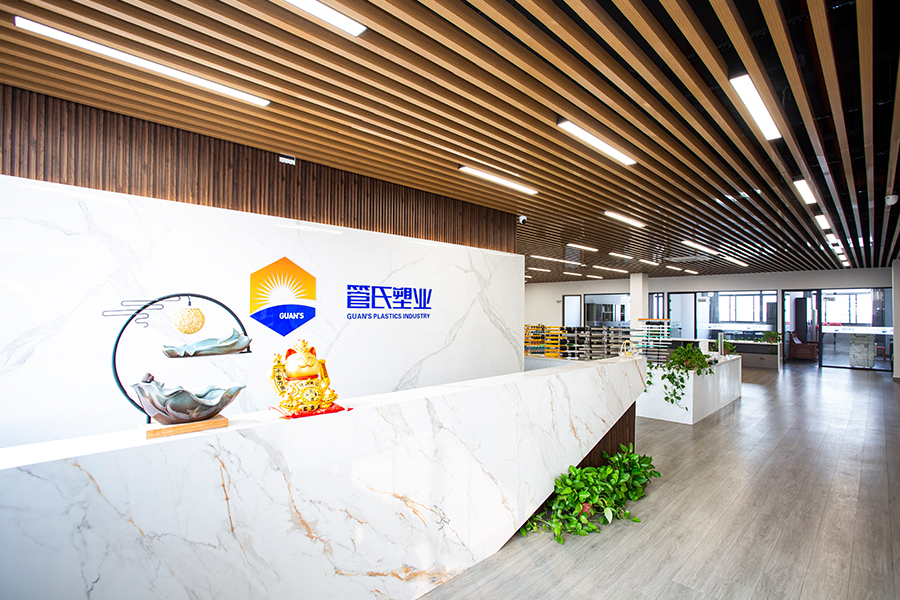
Huzhou Nanxun Guan's Plastic Industry Co., Ltd.
Huzhou Nanxun Guan's Plastic Industry Co., Ltd. was established in 2006, with its headquarters located in Huzhou, Zhejiang. Since its inception, the company has established three plastic product manufacturing bases and a laser cutting workshop in Zhejiang and Jiangsu provinces. We now have a large production, R&D, and operational space, with a growing team of employees. Our annual production volume has reached tens of millions of pieces, making us a well-known plastic product manufacturer and service provider both domestically and internationally.
As China Conveyor Roller Track Fluency Strip Manufacturers and custom Plastic Conveyor Flow Bar factory, our products and services are widely applied in various industries, including logistics, pharmaceuticals, food and beverages, warehousing, organic produce, tobacco, tire manufacturing, and airport ground services. To meet the ever-growing demands of our customers, we have also developed a laser cutting project to further enhance our production capacity and technical capabilities.
News
-
November 3–6, 2026 | Shanghai New International Expo Centre | Hall W5 Invitation Huzhou Nanxun Guanshi Plastic Industry Co., Ltd. cordially invites you to visit...
READ MORE -
A conveyor roller looks simple from the outside: a tube, a shaft and a few small fittings. But the parts that decide whether it runs quietly for years or start...
READ MORE -
If you have ever pulled a roller out of a conveyor frame, you already know that the part which gives up first is rarely the roller tube itself. It is the small...
READ MORE -
Most people who buy a conveyor line eventually see a finished frame. Behind it, there is a supply chain of molds, injection machines, extrusion lines and inspe...
READ MORE -
Conveyor lines rarely stop because of a frame or a motor. Far more often the culprit is a worn sleeve, a cracked roller seat, or a guide rail that has lost its...
READ MORE
Message Feedback
Industry knowledge
Why does friction build up on a plastic conveyor flow bar, and how can it be reduced?
In modern warehousing, industrial manufacturing, and high-efficiency logistics centers, gravity flow racks represent a fundamental component of material handling infrastructure. These systems are utilized as high-performance slides, protective railings, and precision guides, providing exceptional flexibility in mechanical rotation and material movement. Composed of robust supporting legs and specialized roller tracks, gravity flow racks function as an engineered shelving system widely deployed across factory assembly lines and the high-throughput distribution zones of contemporary logistics centers. To achieve optimal performance, these material handling structures can be seamlessly integrated with digital sorting systems, a combination that significantly improves material sorting and distribution efficiency while minimizing operational errors. Within these gravity-driven architectures, the plastic conveyor flow bar serves as the primary contact surface and mechanical interface that facilitates the continuous, passive transport of goods. However, during prolonged industrial operation, mechanical friction inevitably develops along the tracking interface, threatening systemic efficiency and accelerating component wear.
Understanding the precise tribological mechanisms behind friction accumulation on a conveyor roller track fluency strip is critical for plant engineers and warehouse managers who demand uninterrupted operational performance. Friction in these non-powered conveyor elements does not merely arise from simple surface contact; it is the cumulative result of microscopic surface interactions, material deformation, environmental contamination, and thermal changes. When goods move downward via gravitational force, the rollers and structural tracks experience localized mechanical forces that alter the physical properties of the polymer materials. If this friction is left unmanaged, it leads to uneven material feeding, increased downtime, and premature deterioration of the conveyor components. This comprehensive technical guide provides an exhaustive analysis of the mechanical, structural, and environmental factors that drive friction accumulation on material handling tracks, alongside engineered solutions to mitigate these operational challenges.
The Tribological Mechanisms of Friction Accumulation in Gravity Conveyance
To effectively mitigate resistance in passive material handling systems, engineers must first analyze the fundamental physics governing polymer tribology. Unlike metallic components, which primarily experience abrasive wear under predictable elastic limits, polymer elements exhibit viscoelastic behavior. This means their response to mechanical load is time- and temperature-dependent. When a container or pallet travels over a plastic conveyor flow bar, the contact zone experiences both adhesive friction and deformation-induced hysteresis losses. Adhesive friction occurs at the microscopic level where the asperities—the minute structural irregularities on both the polymer roller surface and the cargo container base—come into direct contact and form temporary molecular bonds. As the cargo moves, these bonds are continually sheared and re-formed, generating a continuous resistive force that retards smooth gravitational motion.
The second primary driver of resistance is deformation friction, frequently referred to as rolling hysteresis. As heavy loads press down onto a conveyor roller track fluency strip, the plastic rollers undergo temporary elastic deformation. Because polymers do not instantaneously return all compressed energy when the load passes, a portion of the mechanical force is dissipated as internal structural heat. This localized thermal energy elevates the surface temperature of the track, which softenes the polymer matrix and increases the real contact area between the roller and the cargo. Consequently, a higher real contact area increases adhesive forces, establishing a destructive feedback loop that steadily increases systemic friction during high-frequency sorting cycles.
Environmental Factors and Mechanical Wear Over Prolonged Operational Cycles
Beyond the inherent material properties of polymers, external environmental conditions play a decisive role in the degradation of a plastic conveyor flow bar. Industrial environments, particularly factory assembly lines and agricultural packaging facilities, are heavily prone to airborne particulates, dust, and microscopic debris. These foreign contaminants settle directly onto the exposed roller surfaces and within the internal axle interfaces of the tracks. As individual rollers rotate, these abrasive particles become embedded into the softer plastic material, transforming smooth rolling surfaces into high-friction abrasive boundaries. This particulate contamination changes the operational dynamics from low-resistance rolling friction into high-resistance sliding friction, causing boxes to stall prematurely on gravity inclines.
Furthermore, mechanical wear over extended operational life cycles alters the geometric profiles of both the rollers and the guiding tracks. Continuous cyclic loading causes micro-cracking and material fatigue along the polymer surfaces. As the material degrades, the perfectly cylindrical profiles of the rollers become slightly elliptical or flattened, a phenomenon that dramatically increases the starting torque required to initiate cargo movement. This structural degradation underscores the necessity of sourcing components from specialized manufacturers capable of delivering high-molecular-weight formulations that resist long-term mechanical deformation.
High-Performance Material Formulations for Friction Mitigation
The primary defense against excessive resistance in material handling tracks lies in advanced material science and precise polymer compounding. Industrial manufacturers rely on distinct polymer families to optimize the performance of a conveyor roller track fluency strip under diverse environmental constraints. The most widely implemented materials include high-density polyethylene, polyoxymethylene, and specialized polypropylene formulations. Each of these polymers possesses distinct molecular structures that dictate their coefficient of friction, tensile strength, and impact resistance under continuous load conditions.
High-density polyethylene is highly regarded for its low coefficient of friction and exceptional impact resistance, making it suitable for standard logistics and warehousing applications where ambient temperatures remain stable. For high-load and precision sorting applications, polyoxymethylene, commonly known as acetal, is preferred due to its high dimensional stability, rigid mechanical profile, and low wear rate without the need for external lubrication. Additionally, specialized polypropylene compounds are utilized when chemical resistance or elevated thermal thresholds are required. To maximize the efficiency of these materials, leading manufacturers integrate internal lubricants, such as silicone oil or ultra-high-molecular-weight additives, directly into the polymer matrix during the extrusion or injection molding phase, ensuring long-lasting friction reduction throughout the component's lifespan.
Analysis of Specialized Sub-Categories of Polymer Flow Bars
Industrial warehousing and automated distribution lines require distinct component variations to handle specific payloads, environmental hazards, and structural configurations. To address these multi-faceted engineering demands, modern gravity tracks are divided into technical sub-categories, each engineered to address specific load profiles and operational challenges.
1. Standard Polyethylene High-Density Flow Bars
Standard polyethylene high-density flow bars represent the foundational tier of gravity-driven conveyance components, engineered primarily for standard ambient warehousing environments and light-to-medium payload distribution. This product classification is defined by its reliance on linear high-density polyethylene polymer matrices, which naturally exhibit low surface tension and a low inherent coefficient of friction against common packaging materials like corrugated cardboard and plastic tote boxes. Positioned as a cost-effective yet highly durable tracking solution, this category serves as the backbone for high-volume order picking modules and general inventory staging areas within modern fulfillment networks.
The core function of this series focuses on providing consistent, predictable rolling resistance across extended track lengths. Technologically, these components feature precision-molded cylindrical rollers fitted with integrated low-friction internal axles that minimize initial breakout torque. This design ensures that even lightweight cargo can initiate down-slope movement without requiring excessive mechanical inclination angles. The structural design prevents tracking deviations, keeping goods aligned along the central axis of the gravity lane without necessitating auxiliary guiding sideboards.
Typical application scenarios encompass e-commerce fulfillment centers, pharmaceutical distribution hubs, and organic produce cold storage facilities where cleanliness and rapid material flow are required. In these environments, the standard polyethylene track provides a reliable passive flow path that operates without external power consumption. The material is inherently resistant to moisture absorption, ensuring that performance metrics remain stable when exposed to humidity fluctuations common in refrigerated warehousing environments.
The differentiation advantage of this classification compared to alternative heavy-duty or anti-static options lies in its cost-to-performance ratio and superior energy absorption under repeated low-magnitude impacts. It provides optimal surface compliance, meaning the rollers can absorb minor irregularities on the bottom surfaces of older cardboard boxes without translating those vibrations into tracking resistance. To ensure these components meet strict industrial standards, Huzhou Nanxun Guan's Plastic Industry Co., Ltd. applies its advanced manufacturing capabilities to produce standard polyethylene tracks with precise dimensional tolerances, ensuring uniform roller extrusion and consistent performance across thousands of operating hours.
Technical Specifications and Structural Configuration
The structural efficiency of the standard series relies heavily on the geometric consistency of the individual rollers and the structural integrity of the outer retention rail. Standard configurations typically utilize galvanized steel or lightweight aluminum alloy chassis frames to house the polymer rollers, providing a rigid support structure that prevents bending under continuous loads. Optimizing the pitch between individual rollers is essential to minimize bounding resistance and guarantee smooth fluid movement. By maintaining a tight roller spacing pattern, the concentrated load from the cargo container is distributed evenly across multiple rolling nodes, preventing the container base from sagging into the gaps between rollers, which would dramatically increase the mechanical force required to maintain forward momentum.
2. Heavy-Duty Reinforced Polypropylene Flow Bars
Heavy-duty reinforced polypropylene flow bars are engineered for demanding industrial environments where heavy loads, structural impacts, and continuous mechanical stress degrade standard polymer tracks. This category is defined by its composite material construction, utilizing a modified polypropylene base reinforced with chemically coupled glass fibers or mineral fillers. This reinforcement significantly increases the material's flexural modulus and load-bearing capacity, positioning this series as an essential heavy-load component for industrial manufacturing facilities, automotive assembly plants, and heavy machinery parts warehouses.
The core technical feature of this reinforced series is its resistance to compressive creep and structural deformation under static loads. When heavy wooden pallets or metallic containers sit on a standard track for extended periods, standard rollers can develop flat spots due to continuous pressure. The reinforced polypropylene matrix resists this deformation, maintaining a perfectly round profile even when subjected to maximum weight limits. Additionally, the internal axle configurations are enhanced with reinforced metallic pins or high-strength polymer sleeves, allowing each roller node to support high load limits without structural failure.
Typical application scenarios include automotive factory assembly lines, tire manufacturing warehouses, and heavy industrial distribution centers. In an automotive assembly context, heavy bins filled with metallic components must move reliably along gravity feed lines directly to assembly workstations. The heavy-duty plastic conveyor flow bar handles these heavy payloads while dampening the structural vibrations generated by adjacent automated machinery and heavy robotic systems.
The primary advantage of this reinforced classification over standard polyethylene options is its high load capacity and thermal stability in high-temperature factory environments. While standard polymers soften and exhibit increased friction at elevated temperatures, reinforced polypropylene retains its structural rigidity and low-friction characteristics across an expanded thermal range. Huzhou Nanxun Guan's Plastic Industry Co., Ltd. supports this demanding sector by utilizing its state-of-the-art production and R&D facilities to engineer customized reinforced formulations, providing heavy-duty tracks that withstand harsh factory floors while maintaining optimal material sorting and distribution efficiency.
Hysteresis Loss Prevention under High Concentrated Loads
In heavy-duty applications, preventing rolling hysteresis loss is vital for maintaining consistent gravity-driven flow. Selecting a rigid material compound prevents the roller from flattening under heavy weight loads. This rigidity ensures that the contact zone between the roller and the cargo remains small, reducing the mechanical drag caused by material displacement. Furthermore, heavy-duty tracks incorporate dual-axle retention systems that distribute radial forces evenly across the chassis frame, minimizing structural deflections that could cause misalignment and increase systemic friction.
3. Anti-Static Electrostatically Dissipative Flow Bars
Anti-static electrostatically dissipative flow bars are engineered for advanced technological manufacturing sectors where uncontrolled electrostatic discharge poses a critical hazard to product quality and workplace safety. This specialized category relies on advanced polymer compounding, integrating conductive carbon black, carbon nanotubes, or complex anti-static additives directly into a polyoxymethylene or polyethylene base matrix. This material engineering creates a reliable conductive pathway within the conveyor roller track fluency strip, allowing static electricity generated by continuous friction to safely discharge into the grounded structural racking frame.
The core function of this series is to combine low rolling resistance with reliable electrostatic dissipation. As plastic tote boxes move across polymer rollers, continuous contact and separation generates high triboelectric charges. In standard tracking systems, this surface charge can accumulate to several thousand volts, attracting airborne dust particles and threatening sensitive electronic components. The anti-static track maintains a surface resistivity within the critical range of 10^6 to 10^9 ohms per square, ensuring rapid, controlled dissipation of charges before any electrostatic discharge event can occur.
Typical application scenarios focus on electronics manufacturing cleanrooms, semiconductor assembly facilities, automated aerospace component storage, and chemical processing plants where volatile vapors may be present. In electronics assembly, printed circuit boards and sensitive microprocessors are transported in specialized conductive totes. Using an electrostatically dissipative tracking system ensures these high-value components remain protected from static damage during sorting and staging operations.
The differential advantage of this category is its ability to provide static protection without compromising the physical durability or low coefficient of friction required for smooth gravity conveyance. Unlike temporary topical anti-static coatings that quickly wear away during daily operation, the integrated conductive compound provides permanent electrostatic protection throughout the service life of the component. Recognizing the specialized needs of this sector, Huzhou Nanxun Guan's Plastic Industry Co., Ltd. delivers high-precision anti-static solutions produced under strict quality control frameworks, ensuring full compliance with international electrostatic safety standards across global supply chains.
Advanced Material Matrix Formulations for Electrostatic Control
Developing electrostatically dissipative components requires balancing electrical conductivity with mechanical durability. Integrating carbon nanotubes into the polymer matrix creates a conductive network without reducing the material's structural impact strength. Maintaining a clean and continuous grounding pathway from the roller to the chassis is essential for effective static dissipation. By engineering low-resistance connections between the roller axles and the outer support rail, static charges are conducted away from the active transport zone, maintaining a safe, neutral environment for sensitive electronic assemblies.
Comparative Analysis of Specialized Sub-Categories
To assist engineers in selecting the optimal components for their specific warehousing or manufacturing installations, the following table provides a comprehensive technical comparison of the three primary polymer track classifications detailed above. This cross-reference evaluates key mechanical and operational metrics to ensure selected components align with intended operational demands.
| Product Classification | Primary Base Polymer | Load Capacity (per meter) | Surface Resistivity (Ohms/Sq) | Operating Temperature Range | Relative Coefficient of Friction |
| Standard Polyethylene | High-Density Polyethylene | 80 kg to 120 kg | 10^12 to 10^14 (Insulative) | -30 to +50 degrees Celsius | Very Low (0.15 - 0.20) |
| Heavy-Duty Reinforced | Reinforced Polypropylene | 250 kg to 400 kg | 10^11 to 10^13 (Standard) | -10 to +80 degrees Celsius | Low to Medium (0.22 - 0.28) |
| Anti-Static ESD | Carbon-Doped POM / PE | 100 kg to 180 kg | 10^6 to 10^9 (Dissipative) | -20 to +60 degrees Celsius | Low (0.18 - 0.23) |
Integrated Manufacturing Competencies and Total Solution Engineering
Mitigating friction accumulation along a plastic conveyor flow bar requires a combination of high-grade material selection, precise manufacturing tolerances, and optimized structural design. Founded in 2006, with its corporate headquarters situated in Huzhou, Zhejiang, Huzhou Nanxun Guan's Plastic Industry Co., Ltd. has developed significant engineering and production capabilities in this specialized market. Over the past two decades, the enterprise has established three advanced plastic product manufacturing bases alongside a high-precision laser cutting workshop spanning Zhejiang and Jiangsu provinces. This extensive industrial footprint provides a large production, R&D, and operational space, supported by a growing team of technical professionals. With an annual production volume reaching tens of millions of high-grade components, the company operates as a recognized plastic product manufacturer and comprehensive service provider across both domestic and international logistics sectors.
The company's diverse product portfolio and engineering services are widely applied across a broad spectrum of demanding industries, including automated logistics, pharmaceuticals, food and beverages, modern warehousing, organic produce distribution, tobacco processing, tire manufacturing, and airport ground services. To meet the evolving technological requirements of its global customer base, the organization has integrated an advanced laser cutting project designed to enhance its production capacity and technical capabilities. This integration allows for the ultra-precise fabrication of structural metal chassis rails and support brackets, ensuring perfect alignment with extruded polymer components to eliminate tracking friction caused by minor structural misalignments.
Driven by a clear brand mission, the enterprise strives to provide high-quality plastic products and professional laser cutting services for various industries through exquisite, zero-defect manufacturing. The overarching brand vision is to become a globally recognized benchmark for integrated plastic product solutions across diverse industries, guided by core values emphasizing practical truth, extreme efficiency, and the relentless pursuit of excellence. This operational approach is reflected in a business philosophy that remains strictly customer-centered and striver-oriented, fostering a brand spirit focused on continuous improvement and continuous innovation.
By maintaining a customer demand-oriented approach, the organization delivers customized component development and highly efficient after-sales service, helping global partners achieve sustainable growth. Looking to the future, the enterprise will continue to deepen its technical layout in advanced plastic product fields, including applications related to automobile electrification and intelligence, helping promote green mobility initiatives while contributing Chinese wisdom and engineering strength to the global automobile industry and the broader progress of intelligent consumer life. As a highly professional enterprise, the organization maintains a rigorous focus on quality control from initial material compounding through to final component verification, ensuring that all supplied products meet stringent quality, dimension, and performance requirements.
Engineering Strategies for Long-Term Friction Reduction
Successfully managing friction on a gravity-driven conveyor roller track fluency strip requires a comprehensive approach encompassing proper system design, material selection, and routine maintenance protocols. When designing a new warehousing layout or upgrading an existing assembly line, engineering teams should follow a structured evaluation process to optimize material flow and maximize component longevity.
The following multi-step implementation strategy details the necessary actions to minimize friction build-up on gravity conveyance channels:
- Conduct a Comprehensive Payload Analysis: Evaluate the maximum, minimum, and average weight configurations of the packages to be transported. This data dictates the necessary roller pitch and material compound needed to prevent structural deformation and rolling hysteresis.
- Optimize the Gravity Incline Angle: Determine the optimal slope angle based on the friction profile of the selected polymer track. Standard polyethylene tracks typically require a slope between 3.5 to 5 percent, whereas heavy-duty reinforced tracks may require slightly steeper profiles depending on box material properties.
- Verify Structural Frame Alignment: Ensure that the outer retention tracks and supporting legs are installed with precise squareness and parallelism. Minor deviations in frame width or longitudinal twisting can pinch rollers, creating excessive mechanical drag.
- Establish a Routine Cleaning Protocol: Implement a regular maintenance schedule to remove dust, debris, and adhesive residue from roller surfaces and internal axles. Clean components prevent abrasive wear and maintain low sliding resistance.
- Implement Environmental Controls: In high-dust environments, utilize protective covers or localized air filtration systems to minimize the accumulation of airborne particulates within the roller tracks.
By executing these engineering steps, facility managers can achieve stable, low-friction operation that protects cargo and extends track service life. The advantages of choosing a premium polymer tracking configuration extend beyond basic material flow, impacting overall facility productivity and equipment life cycles.
Key operational advantages of installing high-molecular-weight polymer tracks include:
- Substantial Noise Reduction: Premium polymer rollers absorb mechanical vibrations, leading to significantly quieter operation compared to traditional metal tracking lines, thereby improving workplace ergonomics.
- Elimination of External Lubrication Needs: Internally lubricated polymer formulations operate reliably without requiring topical grease or oil sprays, preventing product contamination and minimizing maintenance labor costs.
- Enhanced Corrosion Resistance: Unlike metallic rollers prone to oxidization when exposed to moisture or chemical cleaning agents, high-density polymers remain unaffected by corrosive elements, ensuring long-term operational integrity.
- Improved Energy Efficiency: By relying entirely on gravity-driven passive material flow, these tracking components minimize energy consumption across large distribution spaces.
- Modular Serviceability and Replacement: Modern polymer tracks are designed for rapid configuration adjustments, allowing maintenance teams to swap individual roller sections without dismantling entire racking modules.
Conclusion: Enhancing Warehousing Efficiency Through Advanced Tribological Design
In summary, minimizing friction build-up on gravity conveyor tracks requires a thorough understanding of polymer tribology, careful material selection, and precise structural alignment. By identifying the root causes of resistance—such as micro-surface adhesion, rolling hysteresis, and environmental dust contamination—industrial operations can implement targeted material and structural solutions. Choosing high-performance formulations tailored for specific load profiles, temperatures, and anti-static requirements ensures consistent material flow and long-term reliability. Partnering with experienced manufacturers like Huzhou Nanxun Guan's Plastic Industry Co., Ltd. allows companies to access optimized polymer configurations and integrated manufacturing solutions, helping global enterprises streamline material sorting and distribution efficiency while reducing operational wear across complex logistics networks.
Frequently Asked Questions
Q1: What are the primary indicators that friction has reached unacceptable levels on a gravity tracking lane?
The most obvious indicator of excessive friction build-up is cargo stalling or hang-ups on sections of the track where goods previously moved smoothly. Additional operational signs include audible squeaking or grinding noises during package transit, uneven package tracking where containers drift toward one side of the lane, and visible flat spots or score marks on the polymer roller surfaces. If boxes require manual assistance to complete their descent, it indicates that systemic friction has exceeded the gravitational force provided by the incline angle.
Q2: Can topical lubricants or silicone sprays be applied to reduce resistance on a plastic conveyor flow bar?
Applying external topical lubricants, oils, or silicone sprays to a plastic conveyor flow bar is generally discouraged in professional warehousing environments. While these sprays may provide a temporary reduction in friction, they quickly attract airborne dust, cardboard fibers, and debris, creating a sticky paste that clogs internal axles and ultimately increases mechanical resistance. Instead, operations should utilize components manufactured from polymers with integrated internal lubricants, which provide lifelong friction reduction without attracting external contaminants.
Q3: How does ambient temperature variation influence the rolling resistance of a conveyor roller track fluency strip?
Ambient temperature variations significantly alter the mechanical properties of polymer tracking components. In cold storage or unheated winter warehouses, polymers contract and become more rigid, which can slightly reduce rolling friction but increase material brittleness under sudden impacts. Conversely, in high-temperature environments or near heat-generating production machinery, polymers soften and experience higher elastic deformation under load. This increased deformation elevates rolling hysteresis losses, resulting in higher resistance that may require a steeper incline angle to maintain consistent material movement.
Q4: Why is a precise roller pitch critical for minimizing friction when handling thin-walled cardboard containers?
A precise and tight roller pitch is critical because thin-walled or heavily loaded cardboard boxes tend to sag or deflect between distant support points. If the distance between individual rollers is too wide, the bottom surface of the box bows downward into the space between rollers. As the box mov


+86-13250912999
Huzhou Nanxun Guan's Plastic Industry Co., Ltd.
Email: [email protected]
Address: Building 8, North Zone, Dehao Industrial Park, Linghu Town, Nanxun District, Huzhou City, Zhejiang Province, China
Navigation
Products
About us
Copyright © Huzhou Nanxun Guan's Plastic Industry Co., Ltd.
All Rights Reserved.
Privacy
 Custom Plastic Conveyor Flow Bar Manufacturers