
 English
 中文简体
中文简体 русский
 Español
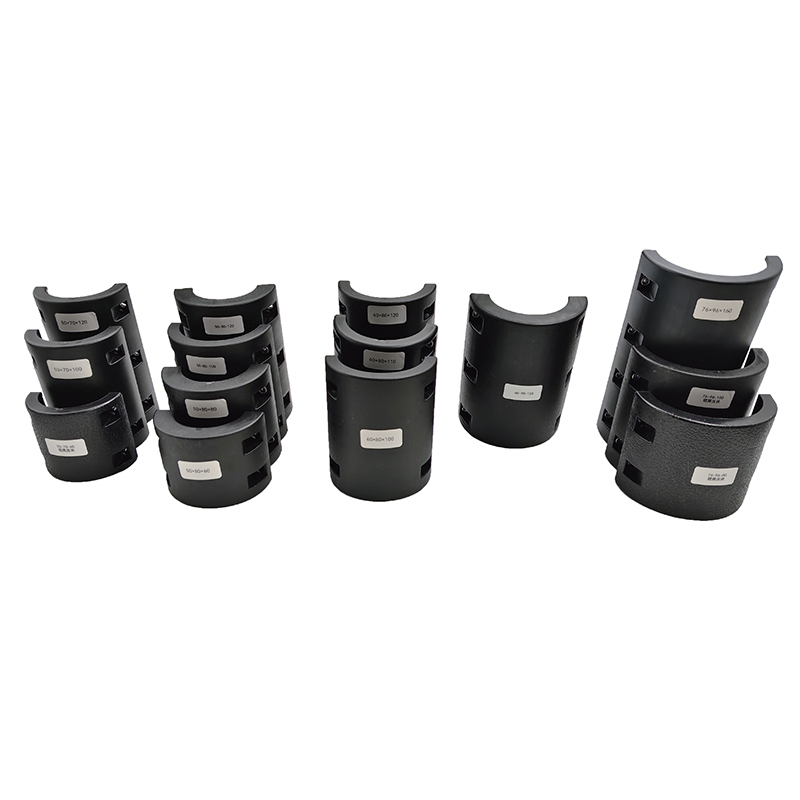
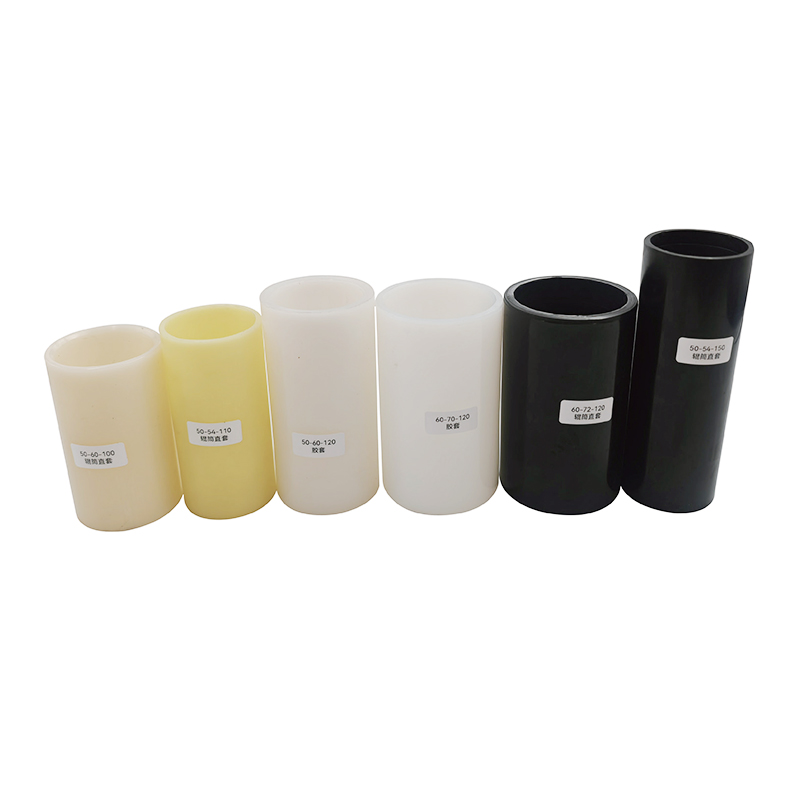
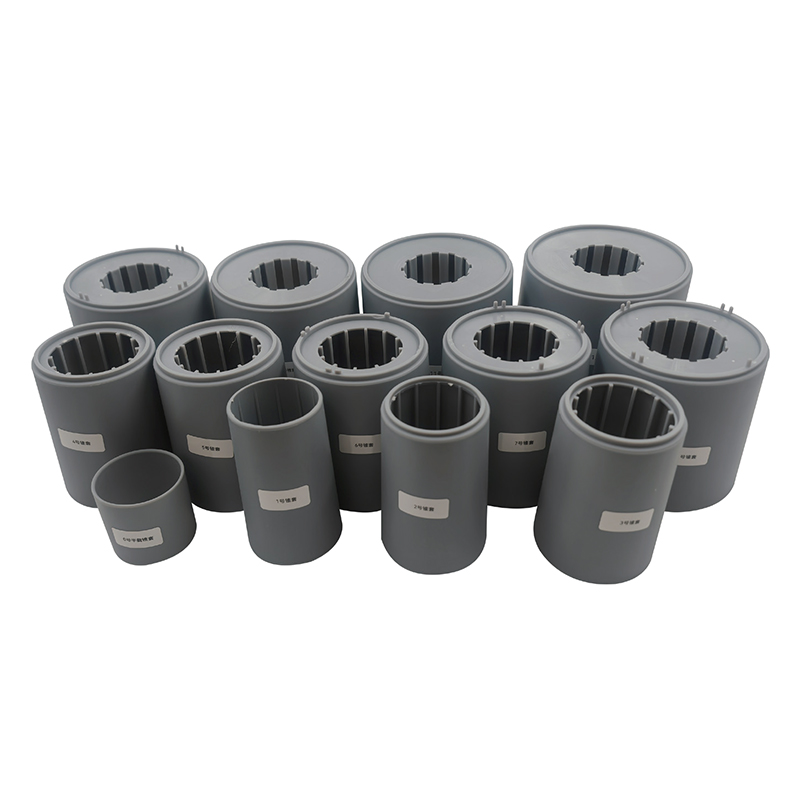
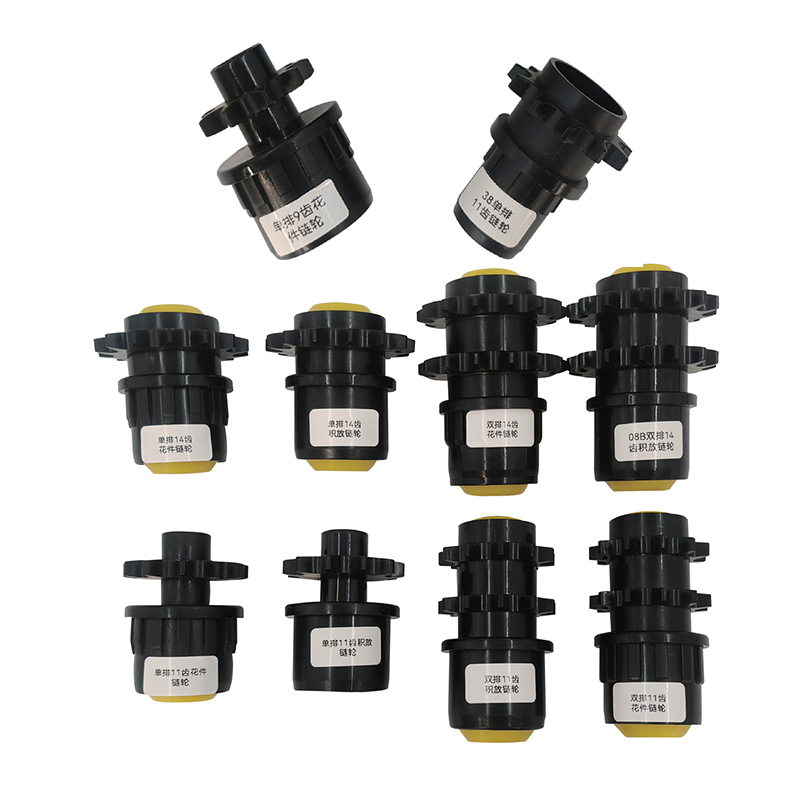
The RN 300 F Synchronous Lifter features a scissor lift structure design, utilizing mechan...

Screw Jack Synchronous Lifter Manufacturers
-
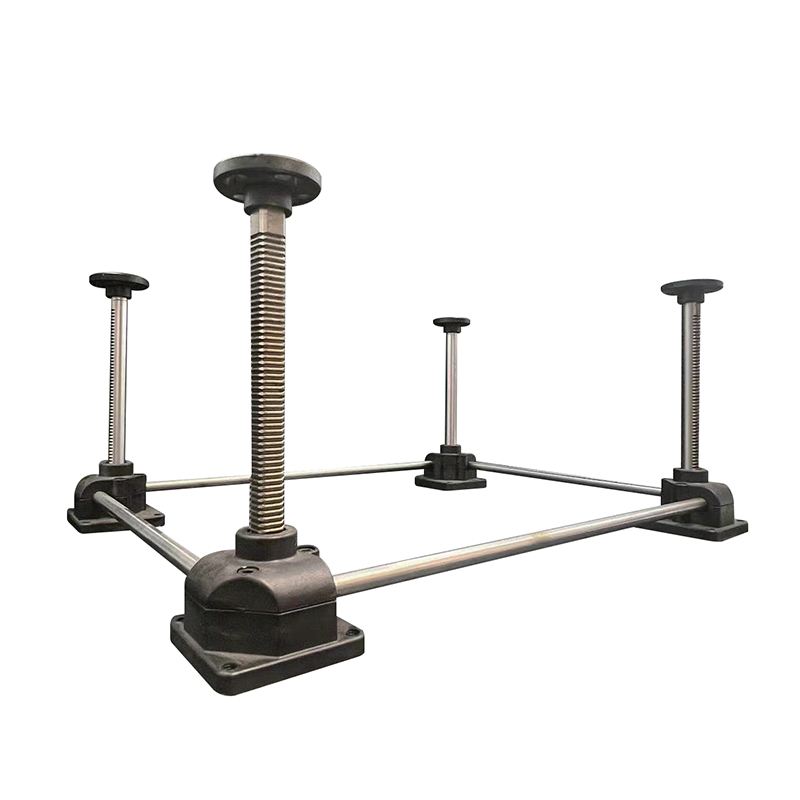
-
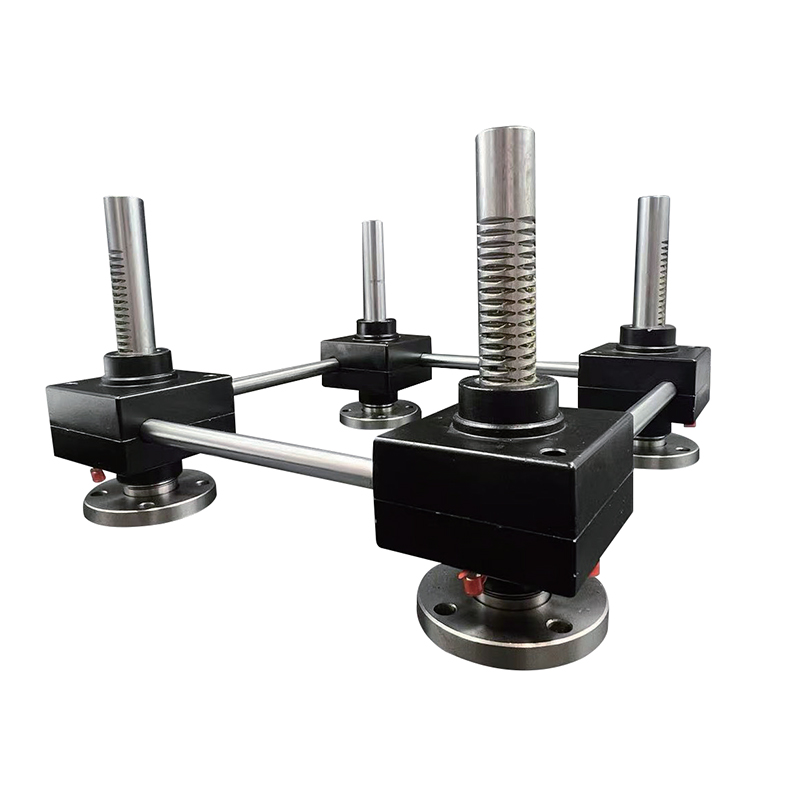 RN 500 F Synchronous Lifter
The RN 500 F Synchronous Lifter is an industrial lifting device utilizing multi-actuator s...
-
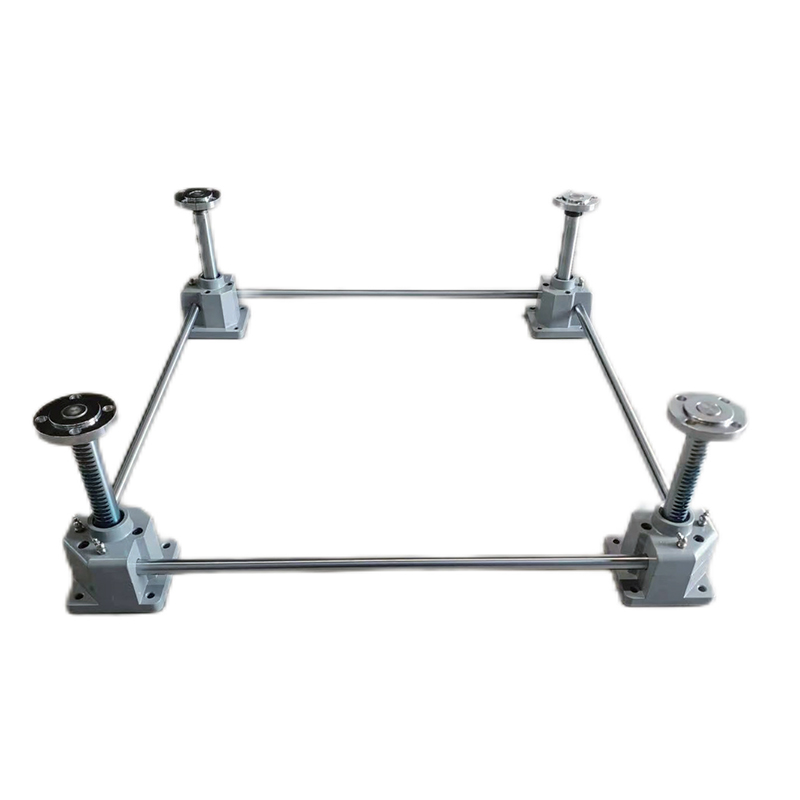 RN 900 F Synchronous Lifter
The RN 900 F synchronous lifter is a mechanical lifting solution designed for multi-point ...
-
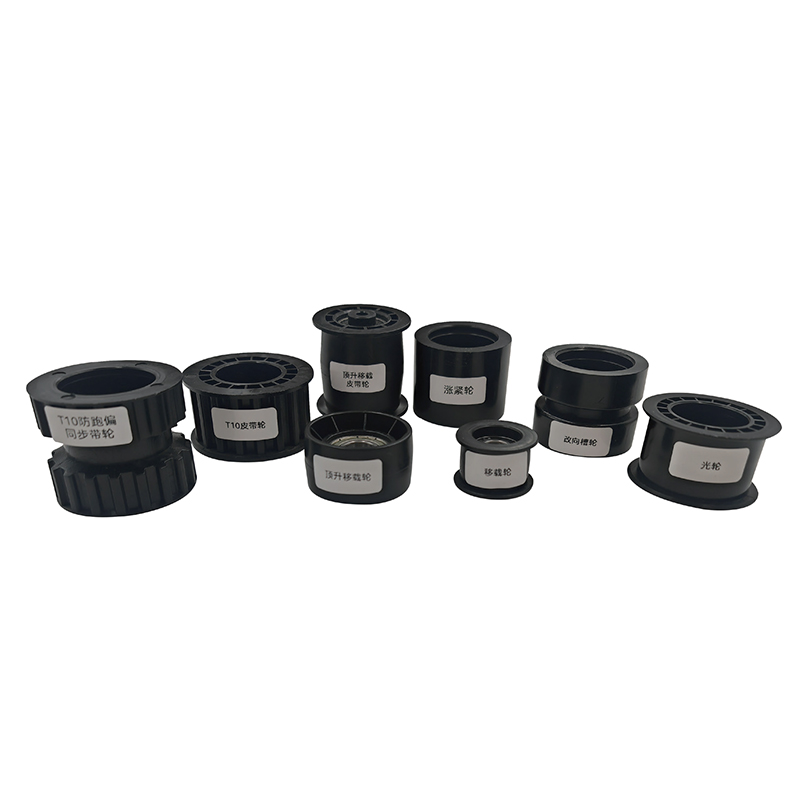 Top Lifting Transfer Wheel
The TOP LIFTING TRANSFER WHEEL integrates lifting and transferring functions, typically co...
Lifting and transplanting machines are mainly used to change the conveying direction of goods, feeding or removing them from the main conveyor line via forklifts. They can be divided into two types according to the transplanting method: cam lifting and cylinder lifting. Their main advantages are the ability to achieve right-angle turns in limited space, high load capacity, and space-saving design. These machines have a simple structure, are easy to maintain, and can adapt to various environmental conditions. They are equipped with a full range of auxiliary devices, and their overall performance is stable and reliable.
About Us
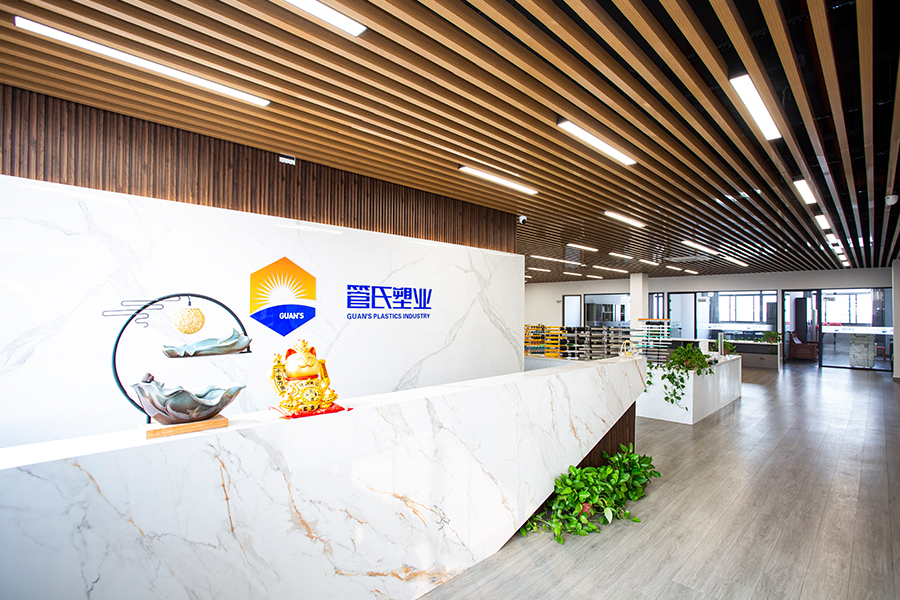
Huzhou Nanxun Guan's Plastic Industry Co., Ltd.
Huzhou Nanxun Guan's Plastic Industry Co., Ltd. was established in 2006, with its headquarters located in Huzhou, Zhejiang. Since its inception, the company has established three plastic product manufacturing bases and a laser cutting workshop in Zhejiang and Jiangsu provinces. We now have a large production, R&D, and operational space, with a growing team of employees. Our annual production volume has reached tens of millions of pieces, making us a well-known plastic product manufacturer and service provider both domestically and internationally.
As China Lifting Jack Synchronous Lifter Manufacturers and custom Screw Jack Synchronous Lifter factory, our products and services are widely applied in various industries, including logistics, pharmaceuticals, food and beverages, warehousing, organic produce, tobacco, tire manufacturing, and airport ground services. To meet the ever-growing demands of our customers, we have also developed a laser cutting project to further enhance our production capacity and technical capabilities.
News
-
November 3–6, 2026 | Shanghai New International Expo Centre | Hall W5 Invitation Huzhou Nanxun Guanshi Plastic Industry Co., Ltd. cordially invites you to visit...
READ MORE -
A conveyor roller looks simple from the outside: a tube, a shaft and a few small fittings. But the parts that decide whether it runs quietly for years or start...
READ MORE -
If you have ever pulled a roller out of a conveyor frame, you already know that the part which gives up first is rarely the roller tube itself. It is the small...
READ MORE -
Most people who buy a conveyor line eventually see a finished frame. Behind it, there is a supply chain of molds, injection machines, extrusion lines and inspe...
READ MORE -
Conveyor lines rarely stop because of a frame or a motor. Far more often the culprit is a worn sleeve, a cracked roller seat, or a guide rail that has lost its...
READ MORE
Message Feedback
Industry knowledge
What Is a Screw Jack Synchronous Lifter and How Does It Work in Industrial Lifting Systems?
A screw jack synchronous lifter is a coordinated lifting system composed of multiple screw jacks mechanically or electronically synchronized to lift, lower, or position heavy loads in a controlled and uniform manner. Unlike single-point lifting devices, a lifting jack synchronous lifter is designed to ensure that all lifting points move at the same speed and travel distance, which is critical in applications requiring high positional accuracy and structural stability.
This system is widely used in industrial lifting systems where uneven load distribution can lead to deformation, equipment damage, or operational risks. By combining screw-driven mechanical transmission with synchronization control mechanisms, it provides a stable, repeatable, and controllable lifting process.
Working Principle of Screw Jack Synchronous Lifter
The core mechanism of a screw jack synchronous lifter relies on the conversion of rotary motion into linear motion through a precision screw shaft. Multiple jacks are connected via a synchronized drive system, ensuring consistent movement across all lifting points.
The synchronization can be achieved through mechanical shafts, gearboxes, or intelligent control systems that regulate motor speed and torque distribution.
Basic working flow:
- Input power drives the main motor
- Torque is distributed to multiple screw jacks
- Each jack converts rotation into vertical lifting force
- Synchronization system ensures equal stroke across all points
- Load remains level throughout lifting or lowering process
This coordinated motion is essential in systems where structural alignment must be strictly maintained.
Core Components and Structure
A typical screw jack synchronous lifter system consists of several integrated components, each contributing to stability and precision.
| Component | Function | Key Feature |
|---|---|---|
| Screw Jack Unit | Converts rotary motion into linear lifting force | High load-bearing capacity |
| Drive Motor | Provides driving power | Stable torque output |
| Synchronization Shaft | Distributes mechanical power evenly | Ensures uniform movement |
| Gearbox | Adjusts speed and torque | Improves control precision |
| Control System | Monitors and adjusts lifting synchronization | Enhances operational accuracy |
Each component works together to ensure that the lifting process remains balanced and controlled under varying load conditions.
Key Features of Lifting Jack Synchronous Lifter
The lifting jack synchronous lifter offers several technical advantages that make it suitable for precision industrial operations:
- High synchronization accuracy: Maintains consistent lifting height across multiple points
- Strong load stability: Prevents uneven stress distribution
- Mechanical reliability: Operates without dependency on hydraulic pressure
- Precise positioning capability: Suitable for controlled vertical adjustments
- Scalable configuration: Can support multiple jack arrangements
These features make it a preferred solution in environments where precision and structural safety are essential.
Functional Applications in Industrial Systems
The screw jack synchronous lifter is used in various industrial lifting and positioning systems where uniform motion is required.
| Application Area | Functional Requirement | System Advantage |
|---|---|---|
| Heavy Equipment Positioning | High load stability | Multi-point synchronization |
| Conveyor Adjustment Systems | Height consistency | Precise vertical control |
| Structural Assembly Platforms | Level maintenance | Reduced deformation risk |
| Material Handling Systems | Controlled lifting | Smooth motion transition |
In each application, synchronization ensures that no single lifting point bears excessive stress, improving overall system reliability.
Material and Structural Considerations
The performance of a screw jack synchronous lifter is closely related to the material selection and structural design of its components.
- Alloy steel screw shafts: Provide high strength and wear resistance
- Hardened gear systems: Improve transmission durability
- Corrosion-resistant housings: Extend service life in harsh environments
- Precision-machined components: Ensure smooth and accurate operation
Material consistency across multiple jacks is essential to maintain synchronized movement and avoid performance deviation.
System Configuration and Control Logic
Modern lifting systems often integrate electrical or automated control systems to enhance synchronization performance. These systems monitor position feedback and adjust motor output in real time.
The control logic ensures:
- Equal speed distribution across all jacks
- Real-time load balance adjustment
- Emergency stop synchronization
- Positioning accuracy during lifting and lowering cycles
This level of control is particularly important in multi-point lifting environments where even slight deviation can affect structural integrity.
Integration in Industrial Infrastructure
In large-scale industrial setups, screw jack synchronous lifters are often integrated into modular lifting platforms or structural adjustment systems. Their adaptability allows them to be configured for both permanent installations and temporary lifting operations.
Huzhou Nanxun Guan’s Plastic Industry Co., Ltd. has expanded its industrial manufacturing and engineering capabilities across multiple sites, thereby supporting diverse industrial applications, including logistics, warehousing, and production systems. With strong production and R&D capacity, the company contributes to the development of supporting industrial components used in modern lifting and handling environments.
Additionally, organizations like Guan’s and its laser cutting workshop division enhance manufacturing precision and structural customization capabilities, enabling more refined integration of lifting system components in complex industrial setups.
Advantages Over Non-Synchronized Lifting Systems
Compared to independent lifting devices, synchronous systems offer significant operational improvements:
- Eliminates uneven lifting risk
- Reduces mechanical stress on structures
- Improves positioning accuracy
- Enhances operational safety
- Increases system lifespan
These advantages make synchronous screw jack systems more suitable for precision-driven industrial environments.
Conclusion
A screw jack synchronous lifter represents a highly coordinated mechanical solution for multi-point lifting applications where precision, stability, and structural safety are essential. By integrating synchronized transmission systems with robust screw jack mechanics, it ensures uniform motion across all lifting points and supports complex industrial operations with high reliability.
FAQ
1. What is the main function of a screw jack synchronous lifter?
It is used to lift and position heavy loads evenly across multiple points while maintaining synchronization and structural balance.
2. How does synchronization improve lifting performance?
It ensures all lifting points move at the same speed and distance, preventing uneven stress and structural deformation.
3. What industries commonly use synchronous screw jack systems?
They are widely used in logistics, warehousing, manufacturing, and heavy equipment positioning systems.
4. What makes screw jack systems different from hydraulic lifting systems?
Screw jack systems rely on mechanical transmission, offering better positional control and stability without hydraulic pressure variation.
5. Can the system be customized for different lifting configurations?
Yes, synchronous lifting systems can be configured with multiple jacks and control systems based on specific industrial requirements.


+86-13250912999
Huzhou Nanxun Guan's Plastic Industry Co., Ltd.
Email: [email protected]
Address: Building 8, North Zone, Dehao Industrial Park, Linghu Town, Nanxun District, Huzhou City, Zhejiang Province, China
Navigation
Products
About us
Copyright © Huzhou Nanxun Guan's Plastic Industry Co., Ltd.
All Rights Reserved.
Privacy
 Custom Screw Jack Synchronous Lifter Manufacturers