
 English
 中文简体
中文简体 русский
 Español
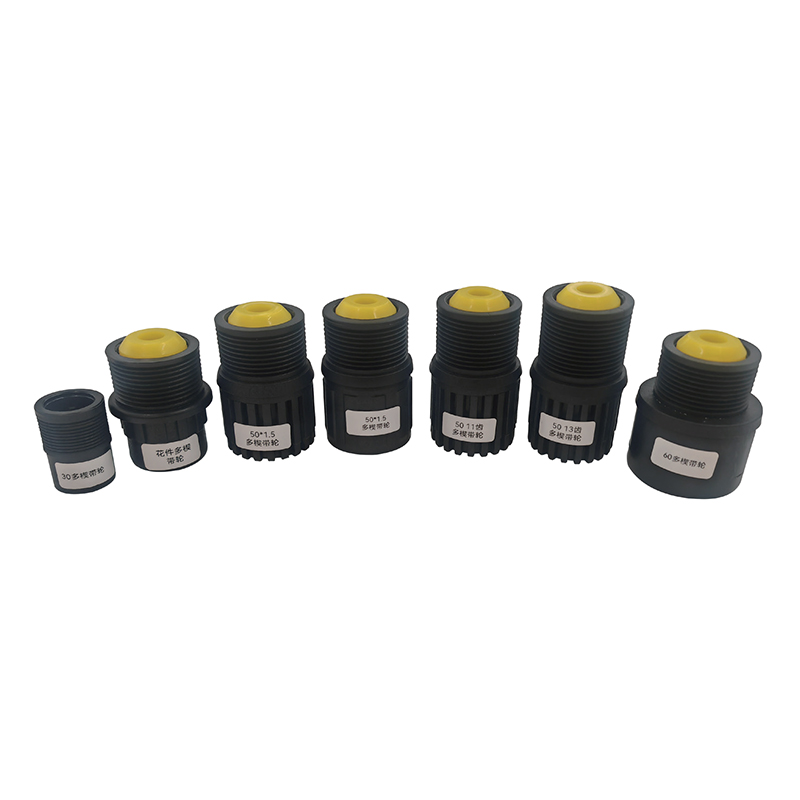
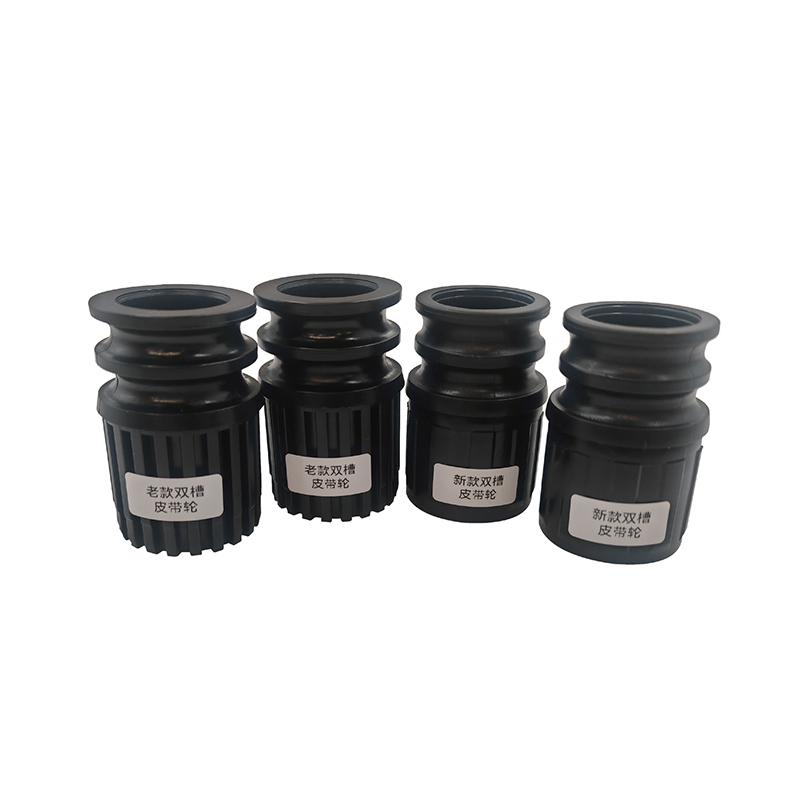
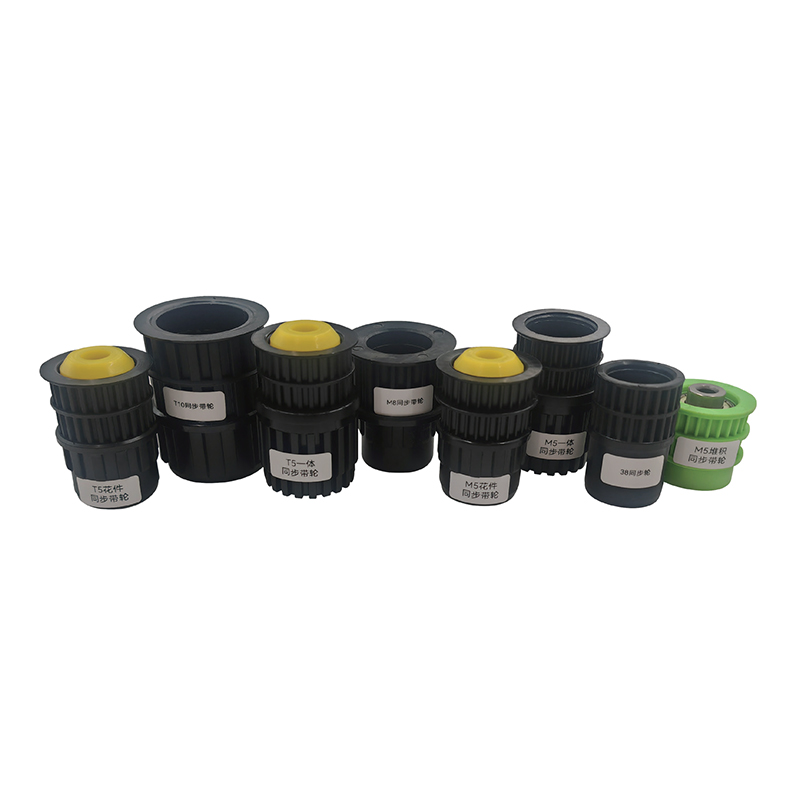
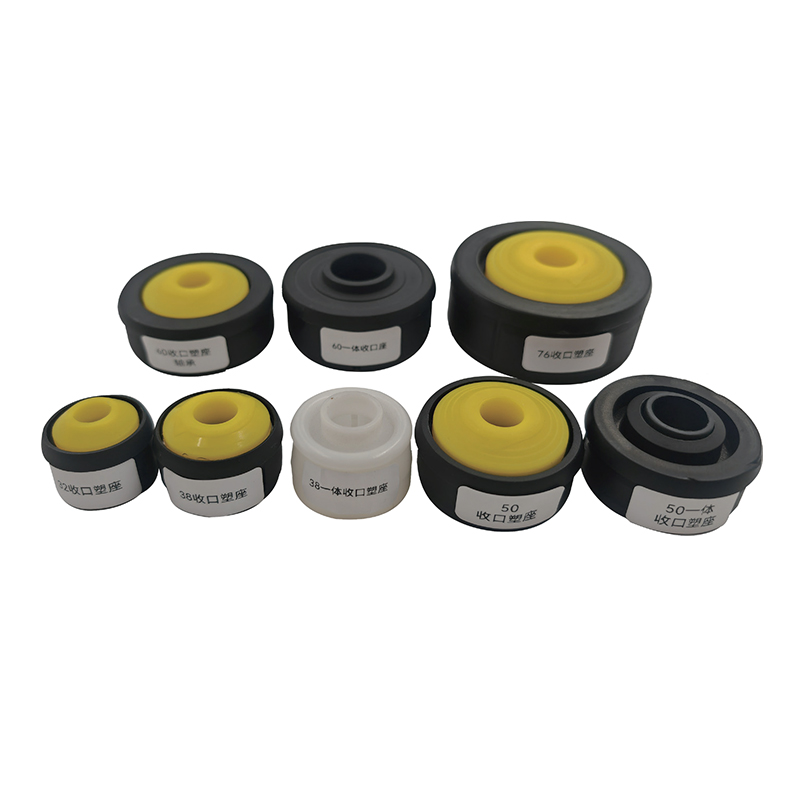
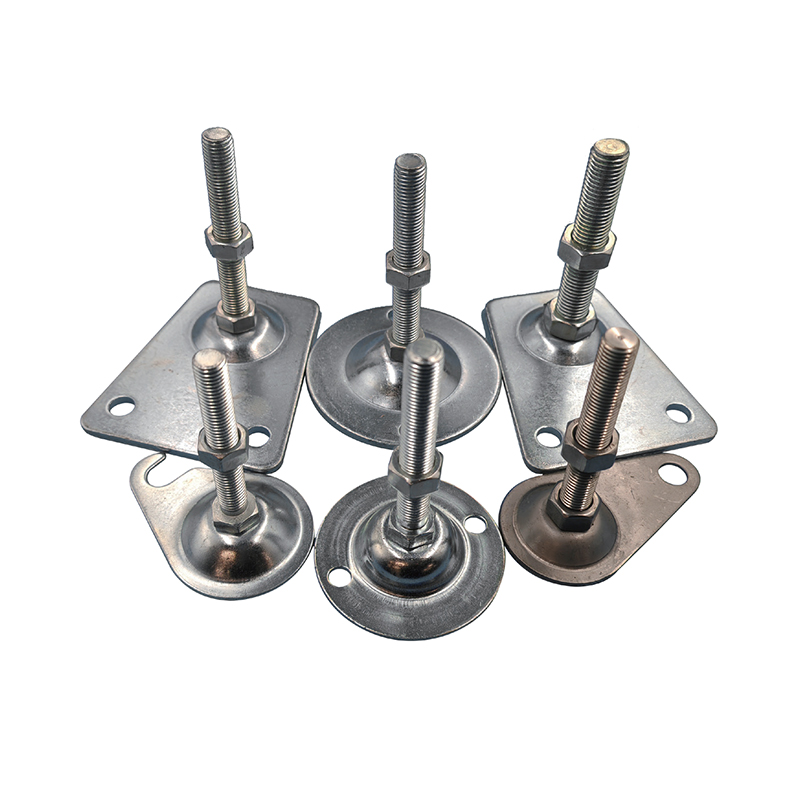
The SUPPORTING FOOT is composed primarily of a connecting stud, an adjustment base, and a ...

Conveyor Roller Fittings Manufacturers
-
-
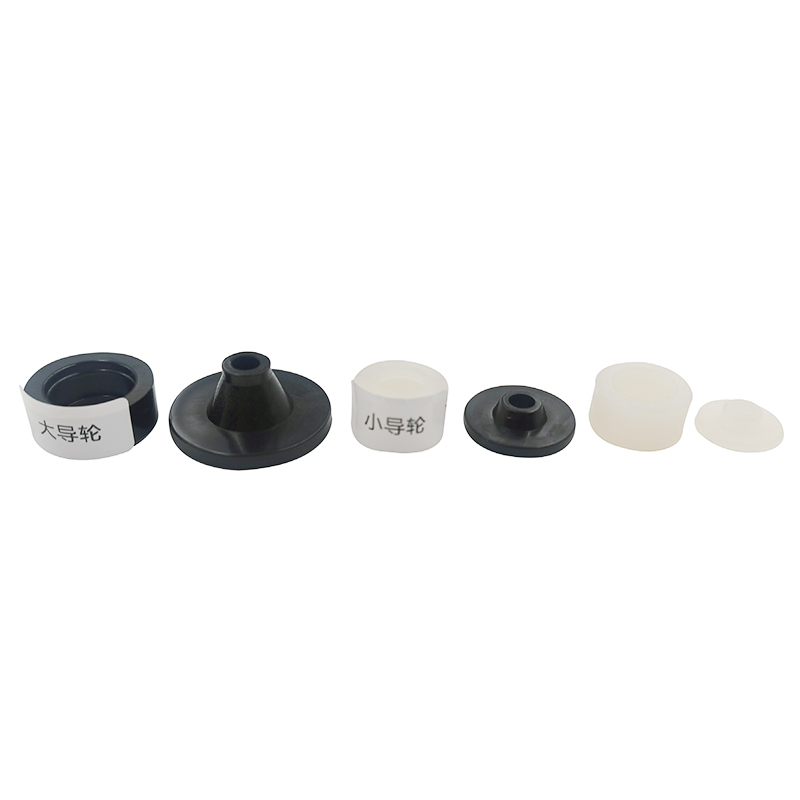 Roller Guide Wheel
The guide wheel serves as a critical directional component in industrial conveying systems...
-
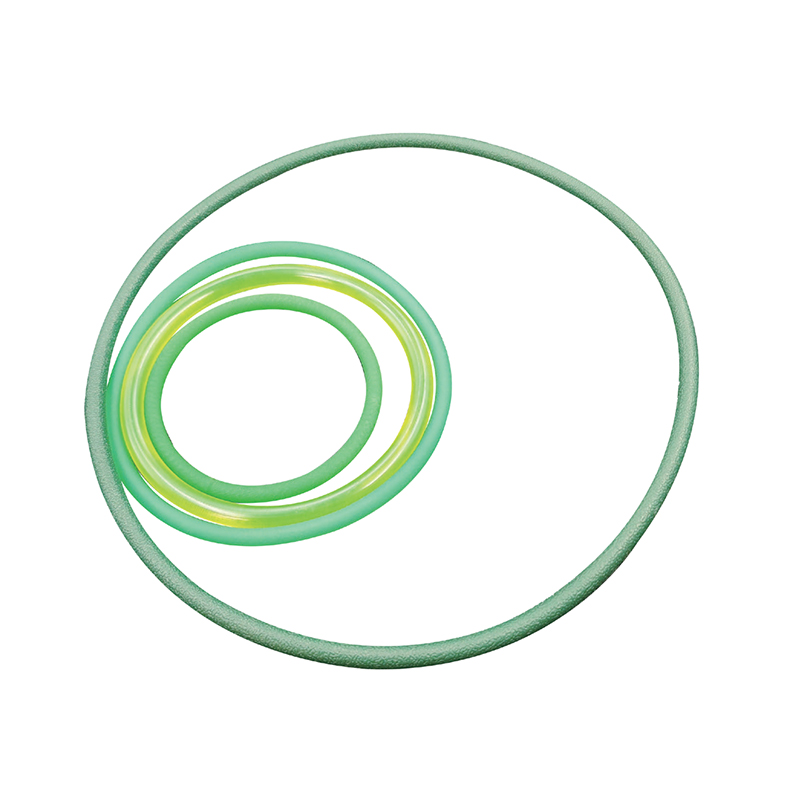 Roller O-belt
Manufactured from polyurethane (PU) or other thermoplastic elastomers, it facilitates cont...
-
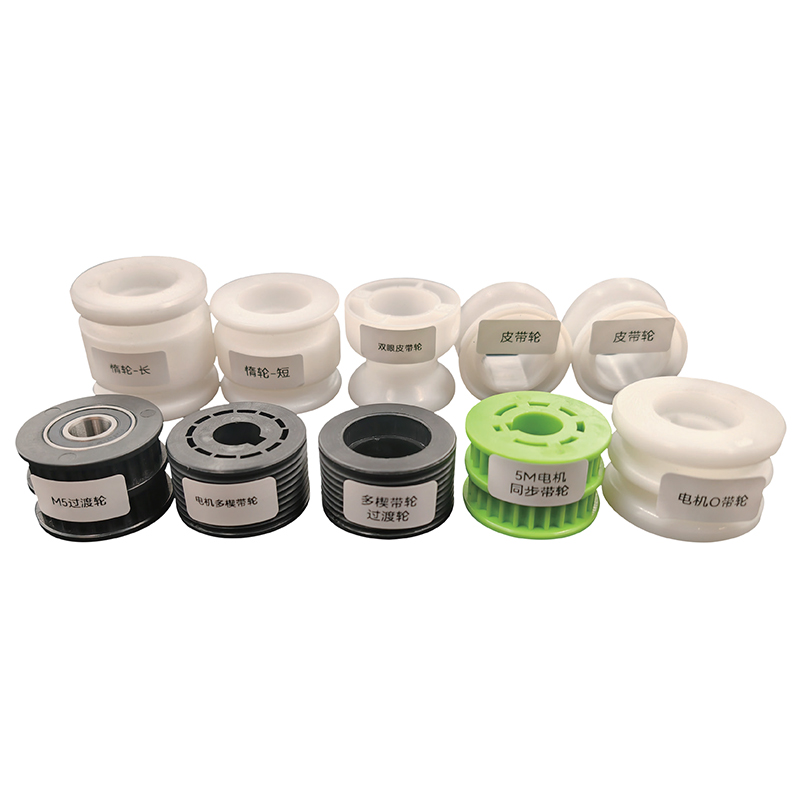 Roller Transition Wheel
The transition wheel is used in conveyor systems to support material transfer between diff...
Rollers are commonly used equipment in industrial production, primarily for conveying, handling, and processing materials. The quality and performance of the rollers directly affect production efficiency and product quality. Therefore, selecting suitable roller accessories is crucial for ensuring the normal operation of the equipment. Currently, accessories include roller sleeves, power roller accessories, plastic seats, PVC pipes, retaining rings, and components.
About Us
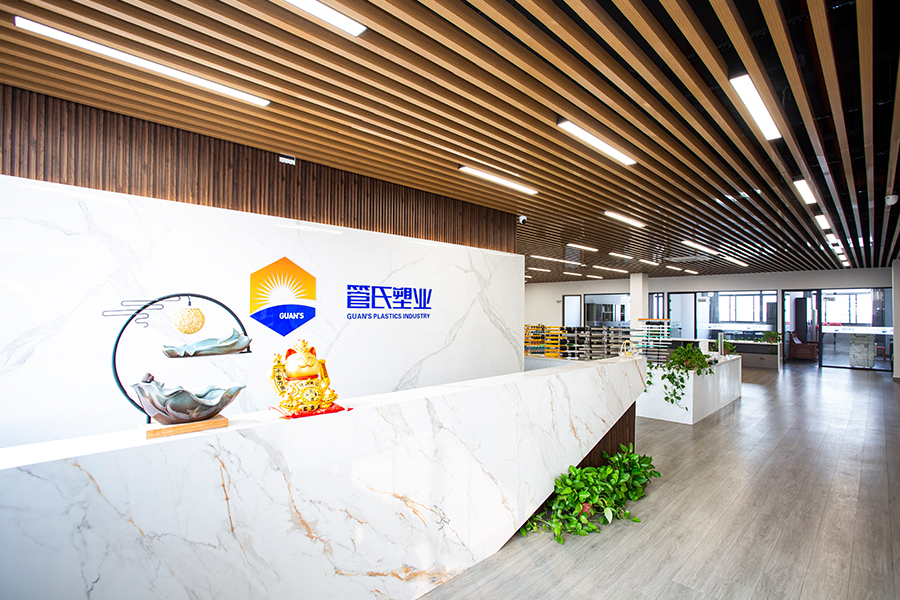
Huzhou Nanxun Guan's Plastic Industry Co., Ltd.
Huzhou Nanxun Guan's Plastic Industry Co., Ltd. was established in 2006, with its headquarters located in Huzhou, Zhejiang. Since its inception, the company has established three plastic product manufacturing bases and a laser cutting workshop in Zhejiang and Jiangsu provinces. We now have a large production, R&D, and operational space, with a growing team of employees. Our annual production volume has reached tens of millions of pieces, making us a well-known plastic product manufacturer and service provider both domestically and internationally.
As China Conveyor Roller Components Manufacturers and custom Conveyor Roller Fittings factory, our products and services are widely applied in various industries, including logistics, pharmaceuticals, food and beverages, warehousing, organic produce, tobacco, tire manufacturing, and airport ground services. To meet the ever-growing demands of our customers, we have also developed a laser cutting project to further enhance our production capacity and technical capabilities.
News
-
November 3–6, 2026 | Shanghai New International Expo Centre | Hall W5 Invitation Huzhou Nanxun Guanshi Plastic Industry Co., Ltd. cordially invites you to visit...
READ MORE -
A conveyor roller looks simple from the outside: a tube, a shaft and a few small fittings. But the parts that decide whether it runs quietly for years or start...
READ MORE -
If you have ever pulled a roller out of a conveyor frame, you already know that the part which gives up first is rarely the roller tube itself. It is the small...
READ MORE -
Most people who buy a conveyor line eventually see a finished frame. Behind it, there is a supply chain of molds, injection machines, extrusion lines and inspe...
READ MORE -
Conveyor lines rarely stop because of a frame or a motor. Far more often the culprit is a worn sleeve, a cracked roller seat, or a guide rail that has lost its...
READ MORE
Message Feedback
Industry knowledge
What Are the Key Conveyor Roller Components and Their Functions in Material Handling Applications?
Conveyor systems play a critical role in modern material handling operations, enabling the efficient movement of products across warehouses, distribution centers, manufacturing facilities, airports, and food processing plants. The performance, durability, and reliability of a conveyor system largely depend on the quality and design of its conveyor roller components.
Understanding the functions of each component helps engineers, equipment manufacturers, and maintenance teams optimize conveyor performance, reduce downtime, and extend equipment lifespan. High-quality Conveyor Roller Fittings and related components are essential for ensuring smooth and efficient operation under varying load and environmental conditions.
Why Conveyor Roller Components Matter
A conveyor roller assembly consists of multiple interconnected parts that work together to support loads, reduce friction, maintain alignment, and facilitate material movement. Each component serves a specific purpose and contributes to the overall efficiency of the conveyor system.
Poor-quality or improperly selected components can lead to:
- Premature wear and failure
- Increased maintenance costs
- Higher energy consumption
- Roller misalignment
- Unexpected system downtime
- Reduced operational efficiency
Key Conveyor Roller Components and Their Functions
Roller Tube
The roller tube forms the main body of the conveyor roller and directly supports the transported products. It rotates around the shaft and transfers loads through the conveyor system.
Primary functions include:
- Supporting product weight
- Providing a rolling surface
- Reducing friction during transportation
- Maintaining product stability
Roller tubes may be manufactured from steel, stainless steel, aluminum, or engineering plastics depending on application requirements.
Shaft
The shaft serves as the central support structure for the roller. It remains stationary while the roller body rotates around it.
Its primary functions include:
- Supporting radial and axial loads
- Maintaining roller alignment
- Connecting the roller to the conveyor frame
- Providing structural stability
Shaft diameter is selected based on load capacity, roller length, and operating conditions.
Bearings
Bearings are among the most critical conveyor roller components. They allow smooth rotation while minimizing friction between moving parts.
Key benefits include:
- Reduced rotational resistance
- Lower energy consumption
- Extended roller service life
- Improved operating efficiency
| Bearing Type | Typical Load Capacity | Suitable Applications |
| Ball Bearing | Medium to High | General Material Handling |
| Precision Bearing | High | Automated Conveyors |
| Sealed Bearing | Medium to High | Dusty or Wet Environments |
End Caps
End caps secure the bearings within the roller tube and protect internal components from contaminants.
Their functions include:
- Bearing positioning
- Dust protection
- Moisture resistance
- Improved assembly stability
Engineering plastic end caps are widely used because of their durability, corrosion resistance, and lightweight properties.
Conveyor Roller Fittings
Conveyor roller fittings connect and support various roller components while ensuring accurate assembly and smooth operation. These fittings may include bearing housings, end fittings, adapters, inserts, mounting elements, and customized connection parts.
Key functions include:
- Securing bearings and shafts
- Ensuring proper component alignment
- Reducing vibration during operation
- Improving assembly efficiency
- Enhancing overall conveyor reliability
The quality of conveyor roller fittings directly affects roller lifespan, load distribution, and maintenance requirements.
Sealing Components
Seals protect internal roller components from dust, water, chemicals, and other contaminants that may cause premature wear.
Common sealing benefits include:
- Extended bearing life
- Reduced maintenance frequency
- Improved performance in harsh environments
- Protection against contamination
Sprockets and Drive Elements
For powered conveyor systems, sprockets and drive elements transfer torque from motors to rollers.
Their functions include:
- Power transmission
- Speed control
- Load movement synchronization
- Efficient conveyor operation
Proper sprocket design helps minimize wear and maintain consistent conveying performance.
Comparison of Common Conveyor Roller Component Materials
| Material | Weight | Corrosion Resistance | Wear Resistance | Typical Applications |
| Carbon Steel | High | Moderate | Good | Heavy-Duty Conveyors |
| Stainless Steel | High | Excellent | Good | Food and Pharmaceutical Industries |
| Aluminum | Medium | Good | Moderate | Light-Duty Systems |
| Engineering Plastics | Low | Excellent | Excellent | Logistics and Automated Systems |
The Importance of High-Quality Manufacturing
The performance of conveyor roller components depends not only on design but also on manufacturing precision, material selection, and quality control.
Huzhou Nanxun Guan's Plastic Industry Co., Ltd. was established in 2006 and has become a recognized plastic product manufacturer and service provider in both domestic and international markets. The company operates three manufacturing bases and a laser cutting workshop across Zhejiang and Jiangsu provinces, supported by extensive production, R&D, and operational capabilities.
With annual production reaching tens of millions of pieces, the company supplies precision plastic components used in logistics, warehousing, pharmaceuticals, food and beverage processing, organic produce handling, tobacco manufacturing, tire production, and airport ground service systems. Its continued investment in laser cutting technology further enhances manufacturing flexibility and technical capabilities for customized conveyor solutions.
Conclusion
A conveyor roller system relies on multiple components working together, including roller tubes, shafts, bearings, end caps, seals, sprockets, and conveyor roller fittings. Each component performs a unique function that contributes to load support, smooth rotation, operational efficiency, and equipment longevity. Selecting high-quality components and working with experienced manufacturers can significantly improve conveyor performance while reducing maintenance costs and downtime.
FAQ
What are the most important conveyor roller components?
The most important conveyor roller components include roller tubes, shafts, bearings, end caps, seals, sprockets, and conveyor roller fittings. Each part contributes to load handling, smooth operation, and system reliability. Huzhou Nanxun Guan's Plastic Industry Co., Ltd. manufactures a wide range of precision plastic components designed to support efficient conveyor operation across multiple industries.
How do conveyor roller fittings affect conveyor performance?
Conveyor roller fittings ensure accurate assembly, secure component positioning, and proper load distribution. High-quality fittings help reduce vibration, minimize wear, and extend roller service life. With three production bases and advanced manufacturing capabilities, Huzhou Nanxun Guan's Plastic Industry Co., Ltd. provides durable fitting solutions for demanding material handling environments.
Which industries commonly use conveyor roller components?
Conveyor roller components are widely used in logistics, warehousing, pharmaceuticals, food and beverage production, airport baggage handling, tobacco processing, organic produce sorting, and tire manufacturing. Huzhou Nanxun Guan's Plastic Industry Co., Ltd. serves customers across these industries with high-volume production capacity and customized component solutions tailored to specific operational requirements.


+86-13250912999
Huzhou Nanxun Guan's Plastic Industry Co., Ltd.
Email: [email protected]
Address: Building 8, North Zone, Dehao Industrial Park, Linghu Town, Nanxun District, Huzhou City, Zhejiang Province, China
Navigation
Products
About us
Copyright © Huzhou Nanxun Guan's Plastic Industry Co., Ltd.
All Rights Reserved.
Privacy
 Custom Conveyor Roller Fittings Manufacturers