
 English
 中文简体
 русский
 Español

The conveyor sealing plate is a side enclosure component designed for conveyor e...

Industry News
Home / News / Industry News / Inside a Conveyor Components Factory: Plastic Parts That Keep Lines Running
Inside a Conveyor Components Factory: Plastic Parts That Keep Lines Running
Author: admin / 2026-10-09
Content
Most people who buy a conveyor line eventually see a finished frame. Behind it, there is a supply chain of molds, injection machines, extrusion lines and inspection benches, and that is where a conveyor components factory lives. These factories make the roller sleeves, plastic bases, sprockets, guide rails, chain supports and transfer wheels that let a line turn, guide, lift and stay smooth. Get them right and the conveyor runs quietly for years. Get them wrong and the cost usually shows up within a shift or two.
Since 2006, Huzhou Nanxun Guan's Plastic Industry Co., Ltd. has done exactly this kind of work, running three plastics manufacturing bases across Zhejiang and Jiangsu plus a dedicated laser cutting workshop. With annual output in the tens of millions of pieces, the company supplies logistics, pharmaceutical, food and beverage, warehousing, organic agricultural products, tobacco, tire manufacturing and airport ground services customers at home and abroad.
What a Conveyor Components Factory Actually Makes
A mature factory usually organizes its catalogue around the assemblies it feeds rather than around a pile of individual parts. At Guan's, the range is grouped into series that map onto the main mechanical jobs inside a conveying line.
Roller Fittings
Roller fittings are the largest family in the range. Roller sleeves sit over the outer ring of a roller, protecting the tube from wear, and the series also covers cone-shaped and straight variants. Plastic bases and end caps hold the roller at each end, letting it mount cleanly on the frame while keeping it concentric as it spins. Retaining rings stop the roller from drifting along its axis, and roller PVC plastic pipe provides the inner tube that carries the load.
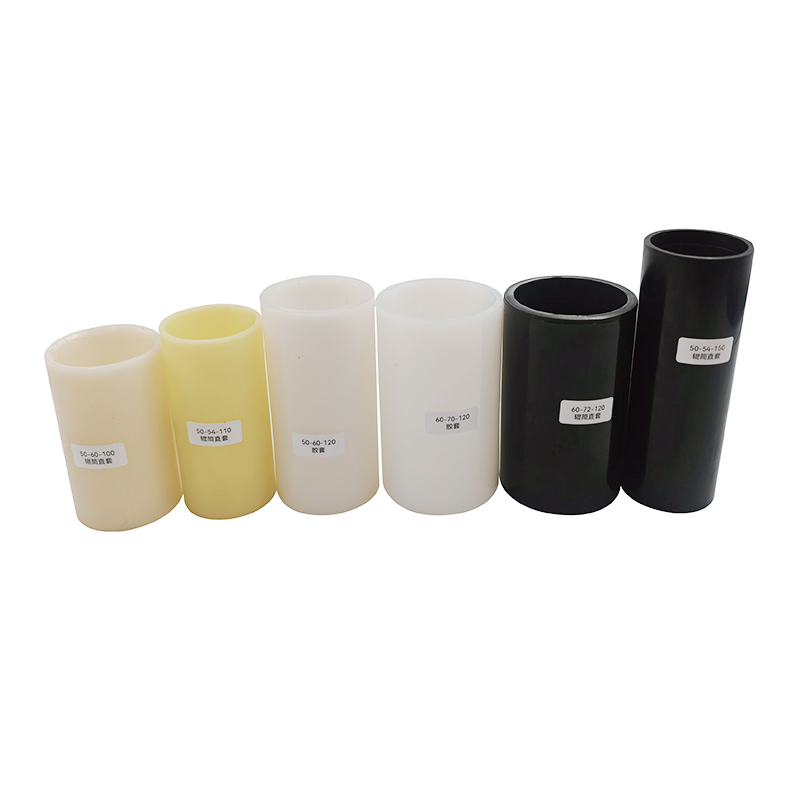 Roller SleeveROLLER SLEEVE is manufactured from precision tube materials, utilizing CNC machining processes to guarantee the coaxiality of the inner bore and outer circle. Surface ...View Product →
Drive Components
Powered rollers have to transmit motor torque into the roller body. Chain wheels, double-slot O pulleys, polywedge pulleys and synchronous pulleys are all plastic parts built for that job, each matched to a different drive arrangement and speed profile.
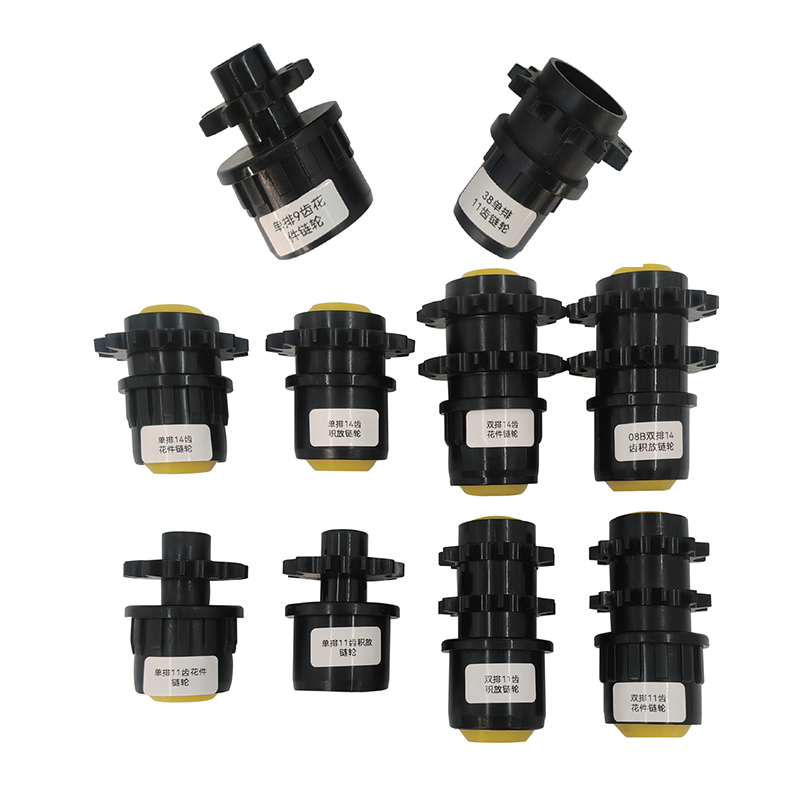 Chain WheelA chain wheel is a transmission component used in combination with chains to transfer power from a driving source to driven components. It performs meshing transmissio...View Product →
Guiding and Enclosure Parts
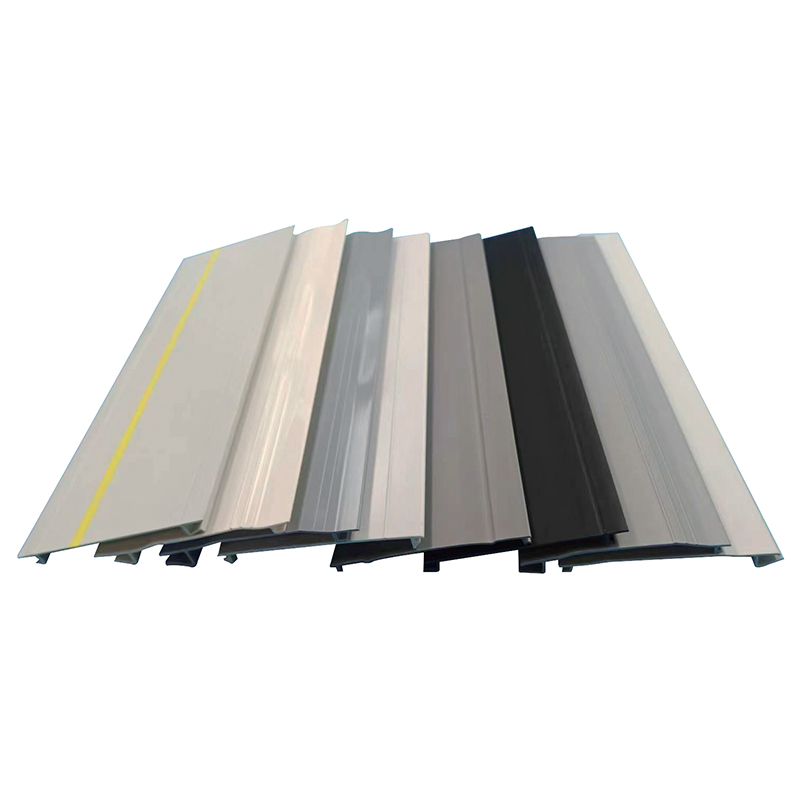
Conveyor guardrails keep products tracking straight, conveyor sealing plates close off the sides of a line, box-type side frame profiles form the supporting structure, and flow bars give gravity or manual slides a low-friction surface.
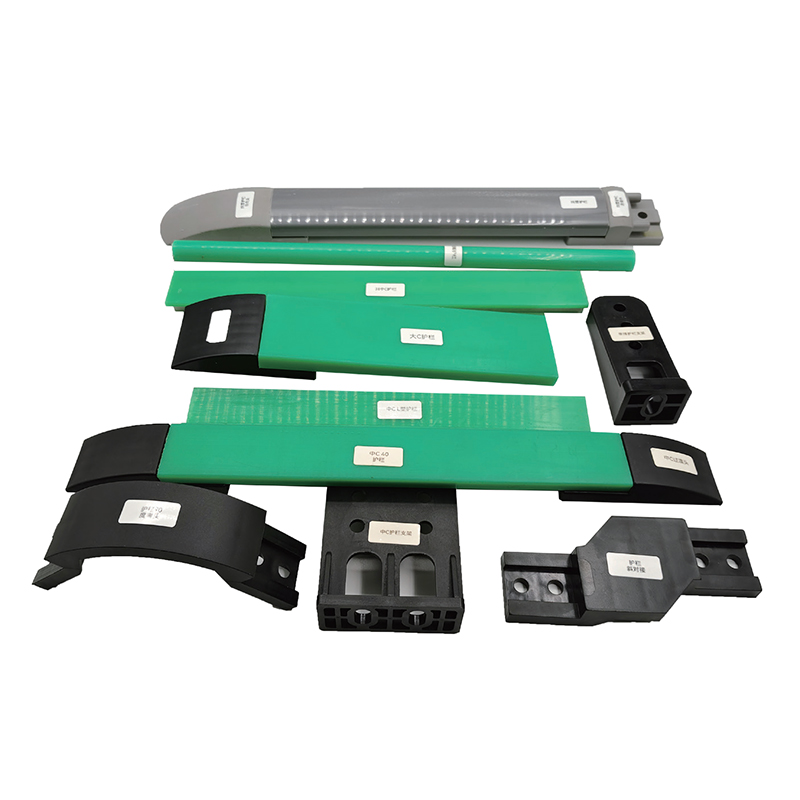 Conveyor GuardrailThe conveyor guardrail is a modular protective structure installed along the periphery of conveying equipment, creating physical separation between personnel activity ...View Product →
Chain, Lifting and Transfer
Chain conveyor accessories, chain supports, chain conveyor head frames and tension wheels make up the body of a chain-driven line. The chain plate series, including the 7705 type flat chain mesh and the 880 guide side bending chain, handles pallets and cases. When an item has to be raised, turned or pushed off the main path, synchronized lifters in the RN-300-F, RN-500-F and RN-900-F models, top lifting transfer wheels, skate wheel bearings and mecanum wheels take over.
Why Plastic Components Carry So Much of the Load
Steel handles the structure. Plastic handles the contact. Sleeves, guide rails and bases are the parts that touch the product and the roller surface, so their friction coefficient, wear resistance and dimensional consistency shape how the whole line behaves in service. If you are new to the field, this overview of industrial conveyor components is a useful starting point. In practical terms, a few things follow from it:
- Roller sleeves decide whether the roller grips the load or lets a carton slide.
- Plastic bases and end caps set roller concentricity, which is often where line noise comes from.
- Guardrails and sealing plates decide whether products travel smoothly or wedge themselves in the wrong place.
- Chain wheels and pulleys set drive efficiency and how often a worn belt has to be replaced.
Getting these parts right is less about clever design and more about molding consistency. That is why mold quality, process control and material selection separate a supplier that only issues a specification sheet from one that can actually repeat a batch. A well-tuned set of molds, run with stable injection parameters, does more for uptime than any drawing revision.
Components, Functions and the Specifications That Matter
The most useful document in a sourcing meeting is often a table that lines up each part with the job it performs. The categories below cover what appears on a standard industrial conveying line.
| Component group | Typical position | Main function |
|---|---|---|
| Roller sleeves and PVC roller pipe | Roller body | Contact and carry the load while holding roller shape |
| Plastic bases and end caps | Roller ends | Locate the roller on the frame and keep it concentric |
| Chain wheels and grooved pulleys | Drive end of powered rollers | Transmit motor torque into the roller body |
| Retaining rings | Roller shaft ends | Prevent axial movement of the roller |
| Guardrails and sealing plates | Both sides of the line | Guide products and close off the line sides |
| Flow bars | Gravity and manual slides | Provide a low-friction sliding surface |
| Chain supports and head frames | Chain conveyor frame | Support and guide the conveying chain |
| Synchronized lifters and transfer wheels | Transfer and divert stations | Raise, turn or push items off the main path |
| Skate wheel bearings and mecanum wheels | Sorting and mobile units | Enable omni-directional movement and steering |
Who Uses These Components
The industries the company serves include logistics, pharmaceuticals, food and beverage, warehousing, organic agricultural products, tobacco, tire manufacturing and airport ground services. What these sectors share is regular movement of goods, whether pallets, cartons, vials, tires or baggage, in volumes where manual handling is neither economical nor consistent.
The sectors differ widely in what they actually need, and the detail is where it counts. Pharmaceutical and food lines have cleanliness, washdown and surface finish requirements. Airport ground services deal with outdoor conditions, temperature swings and heavy loads. Tire manufacturing brings rubber dust and high static weight. Thermoplastics earn their place in these settings because they resist corrosion, stay light, hold tight tolerances and can be formulated for different conditions. A factory with flexible tooling can offer that choice of material, though the operating environment itself is something the integrator has to define.
Questions to Ask Before You Place an Order
A factory's real capability shows up in what it tells you before you ask. The list below covers the essentials in most supplier conversations:
- Can you produce from our existing drawings, or does a new mold have to be cut?
- What thermoplastic is used in your standard parts, and can it be changed for our conditions?
- How is dimensional consistency verified, through first article inspection, sampling or a dimensional report?
- What batch sizes do you run, and how does lead time change if our volume doubles?
- Is laser cutting offered alongside molding, or only as a separate operation?
- Do you provide samples of custom parts before shipment, and how long does sampling take?
Sourcing parts from a conveyor components factory sounds simpler than it is. Most projects start with a photo and a message saying that a replacement is needed quickly, but what actually moves a project forward is a drawing, a sample or an original part number. Any of the three, provided early, saves weeks later. Reverse engineering after a line has stopped costs far more.
After two decades in this trade, one thing stays constant: most orders do not require a new mold. The tooling is already there, and the work comes down to matching the right component to the right machine. It is not glamorous work, but it is present in every shift where goods keep moving.
Related products
-
-
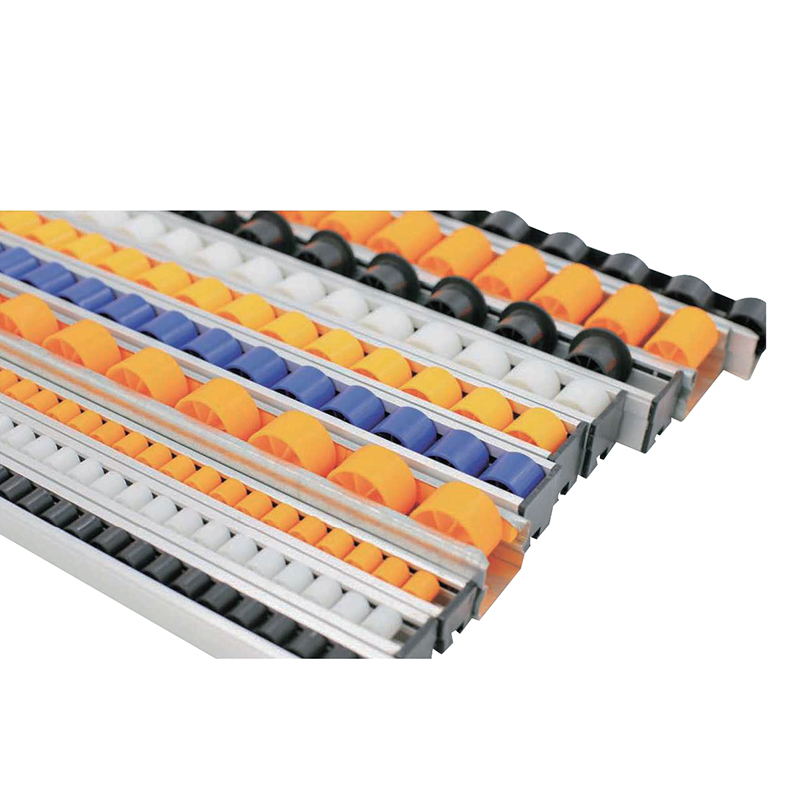 Conveyor Flow Bar
The conveyor flow bar is a rolling component designed for gravity-driven or assi...
-
 Conveyor Guardrail
The conveyor guardrail is a modular protective structure installed along the per...
-
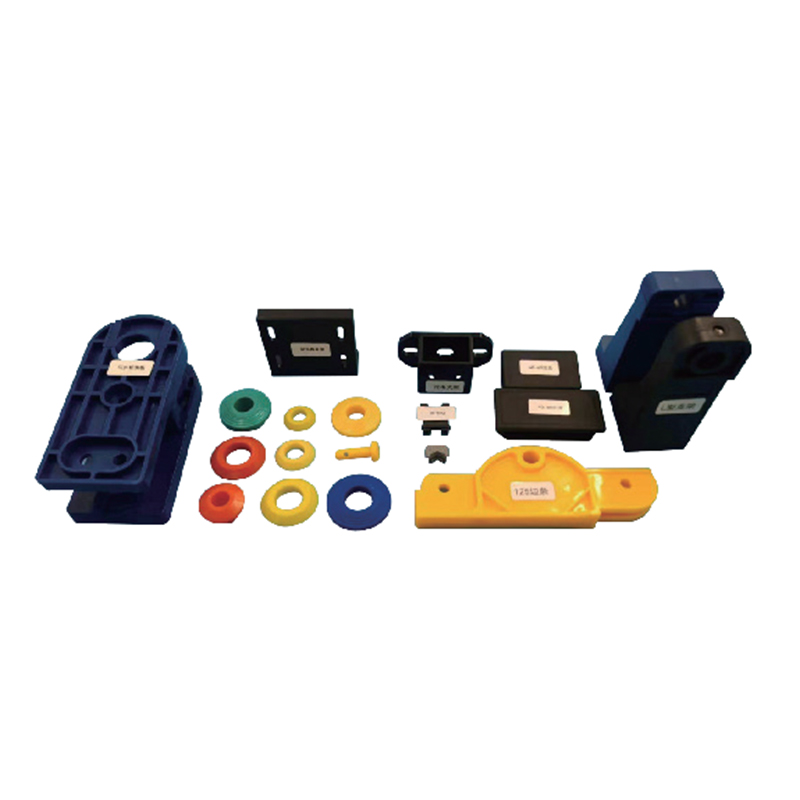 Conveyor Accessories
Conveyor accessories are a collection of functional components designed for indu...
-
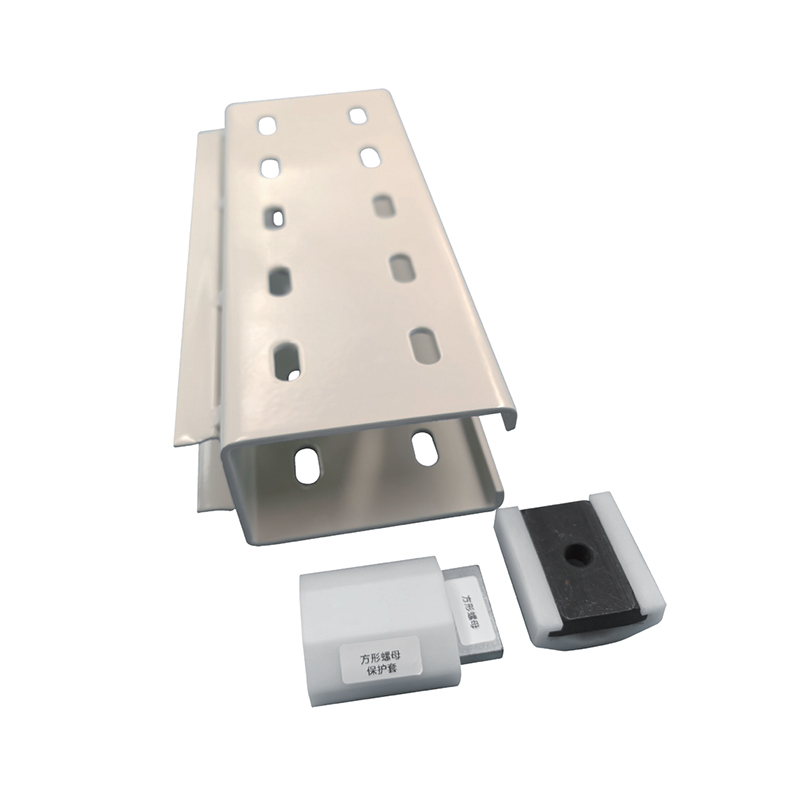 Chain Conveyor Accessories
Chain conveyor accessories are functional components designed for use with chain...
-
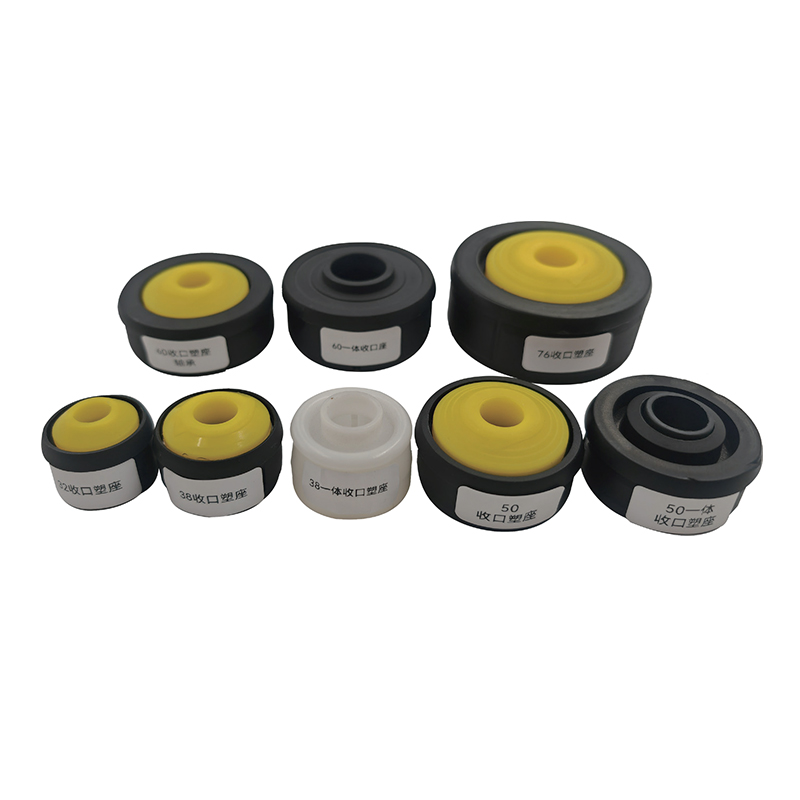 Roller End Cap Plastic Seat
Definition and Structural Characteristics The Open Plastic Seat is a terminal su...


+86-13250912999
Huzhou Nanxun Guan's Plastic Industry Co., Ltd.
Email: [email protected]
Address: Building 8, North Zone, Dehao Industrial Park, Linghu Town, Nanxun District, Huzhou City, Zhejiang Province, China
Navigation
Products
About us
Copyright © Huzhou Nanxun Guan's Plastic Industry Co., Ltd.
All Rights Reserved.
 Privacy
Wholesale Plastic Conveyor Parts Manufacturers