
 English
 中文简体
中文简体 русский
 Español
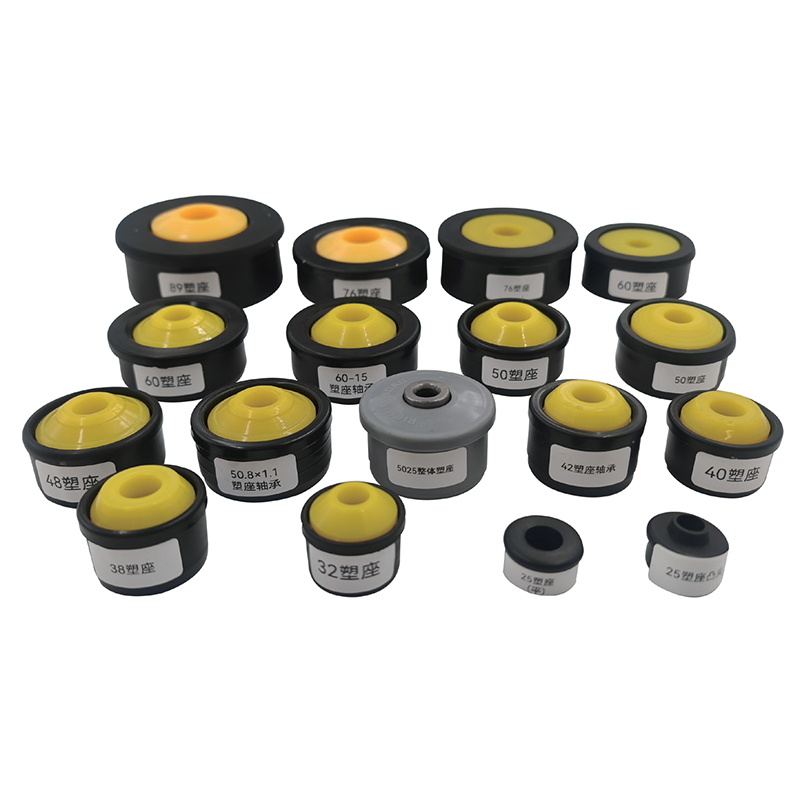
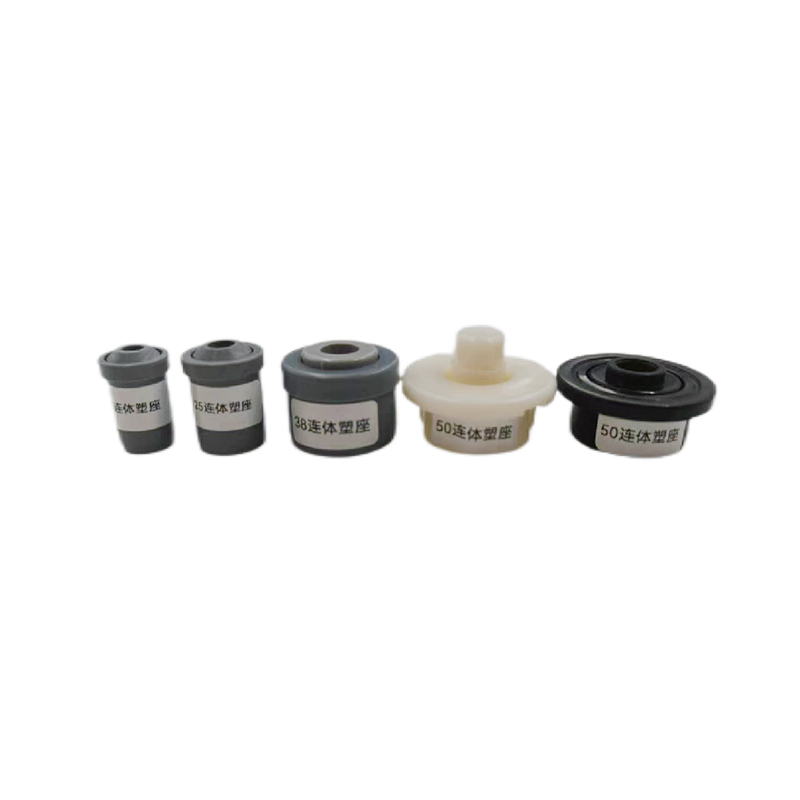
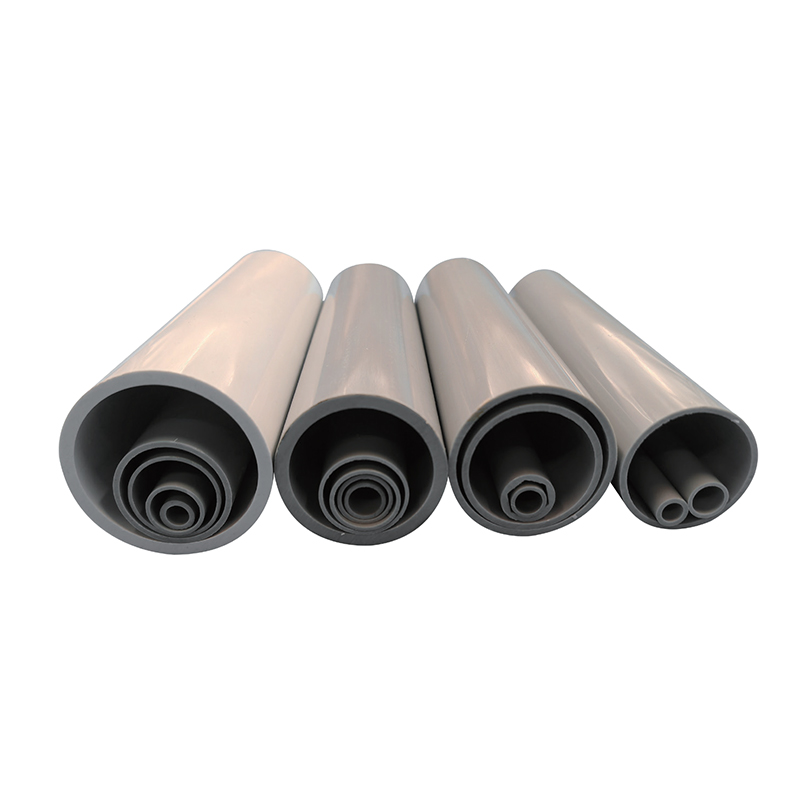
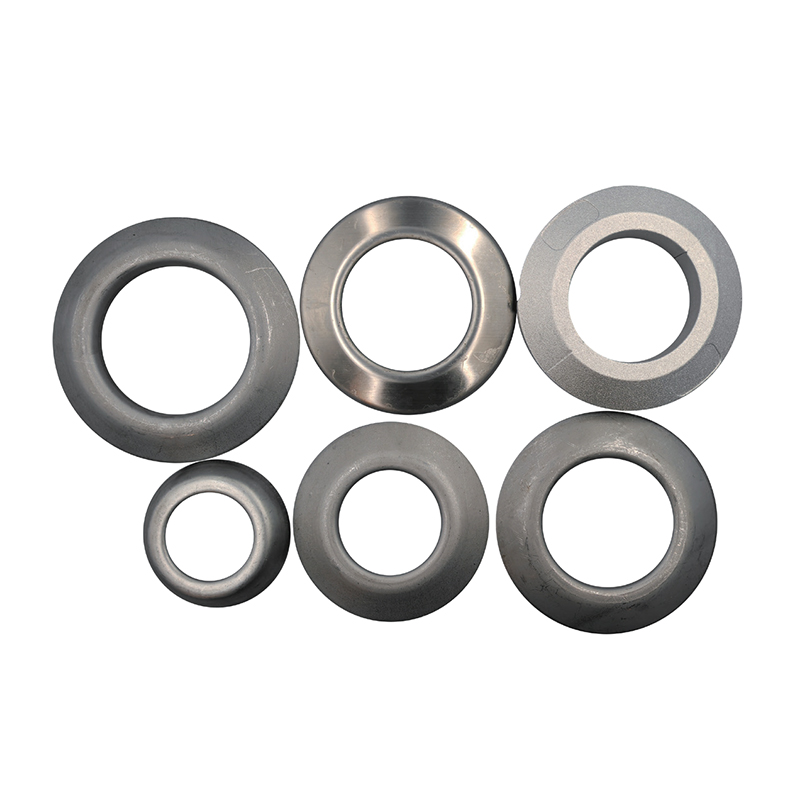
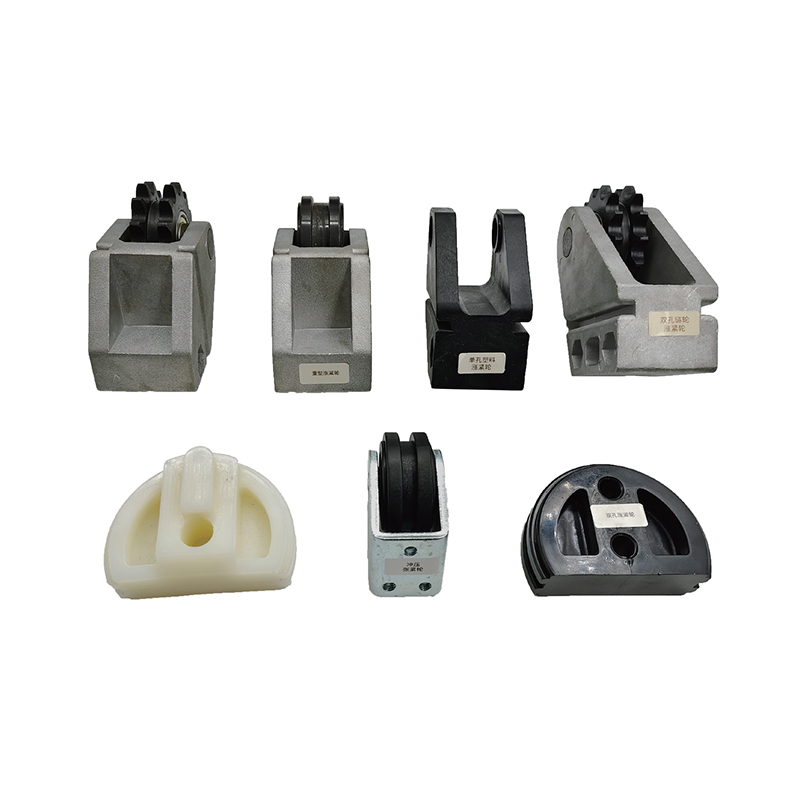
The chain conveyor tension wheel is a tension adjustment device used in chain drive system...

Products
Home / Products
SEARCH
CATEGORY
Conveyor Plastic Parts Manufacturers
-
-
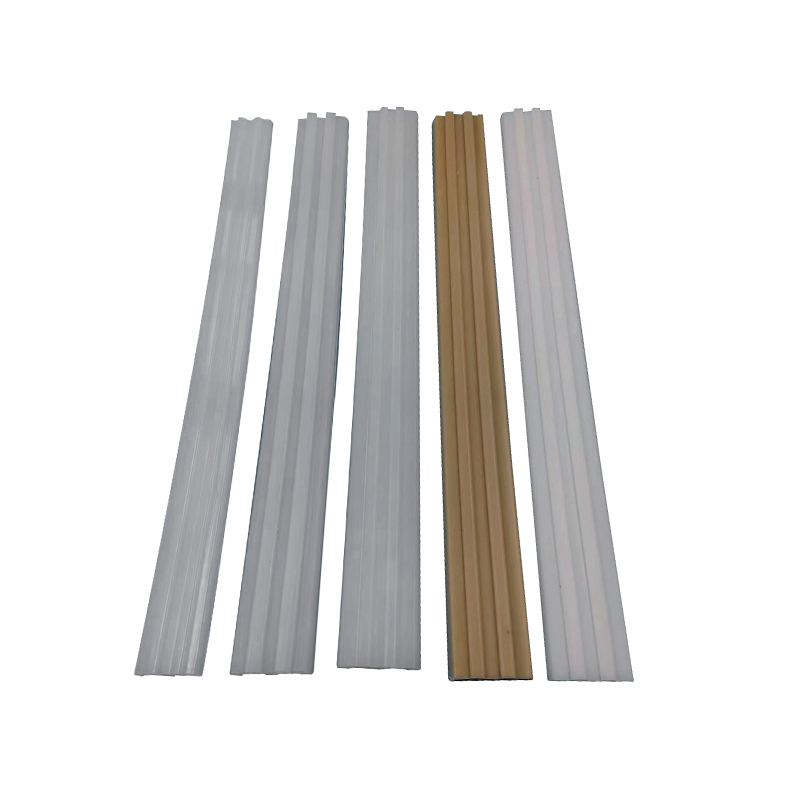 Chain Conveyor Chain Support
The chain conveyor chain support is a structural component designed to support and guide c...
-
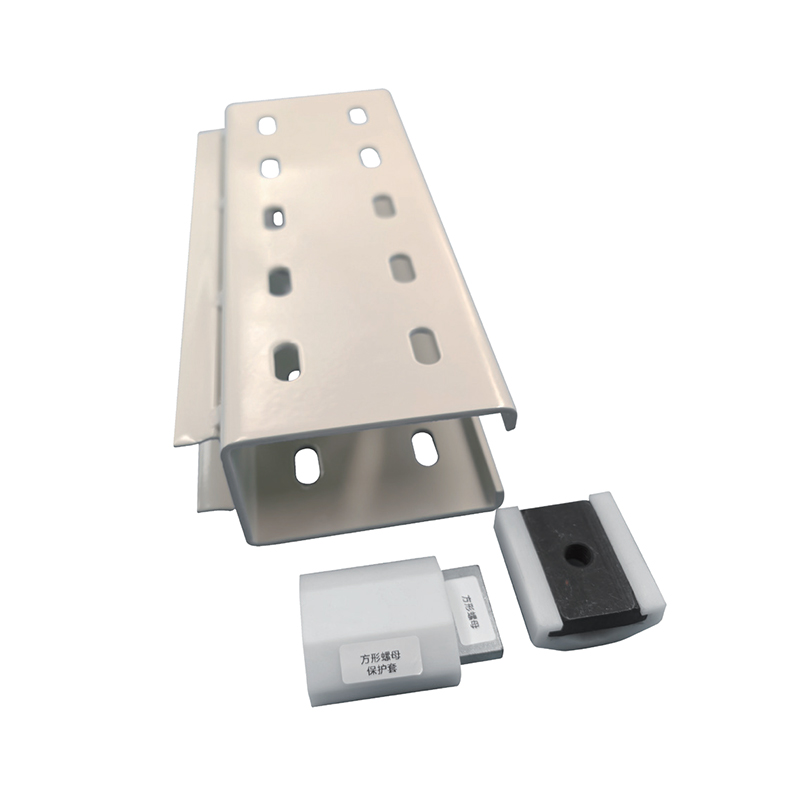 Chain Conveyor Accessories
Chain conveyor accessories are functional components designed for use with chain conveyor ...
-
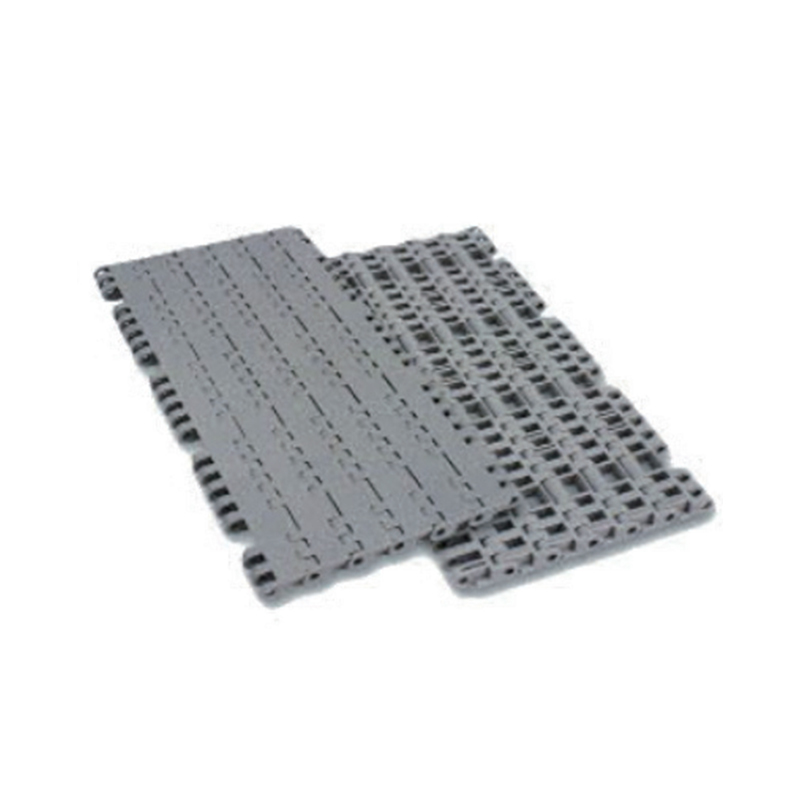 7705 Type Flat Chain Mesh
The 7705 Type Flat Chain Mesh is a modular plastic conveyor belt constructed from interloc...
-
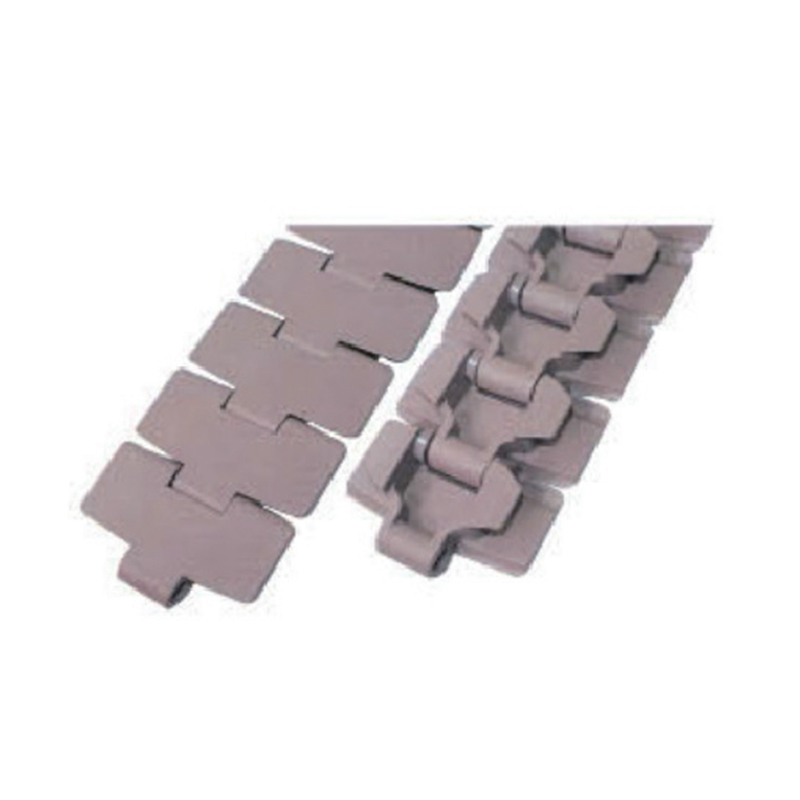 880 Guide Side Bending Chain
The 880 guide side-bending chain is designed for side-guided and curved conveying applicat...
-
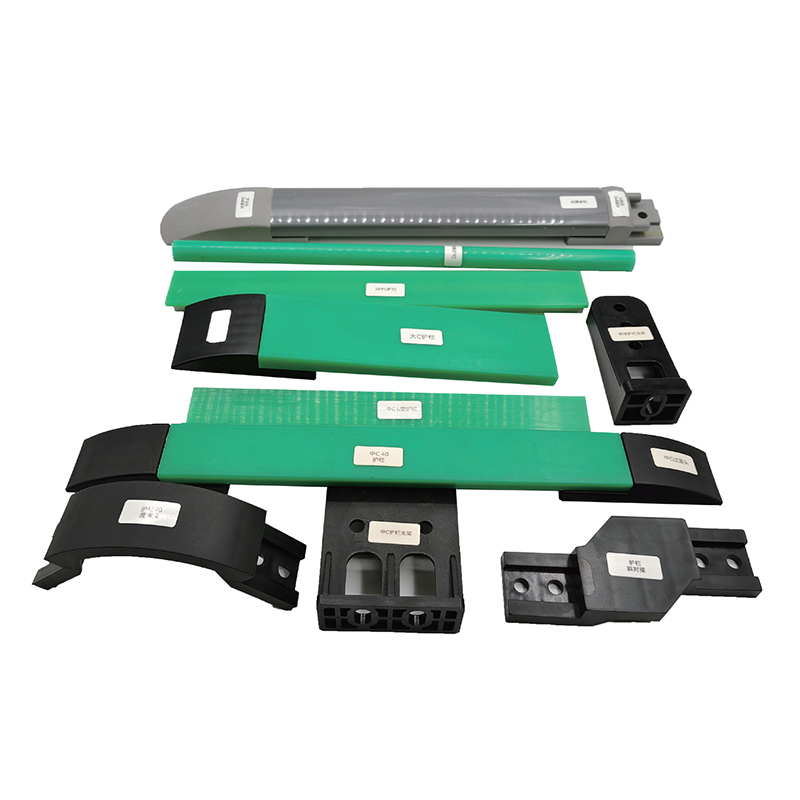 Conveyor Guardrail
The conveyor guardrail is a modular protective structure installed along the periphery of ...
-
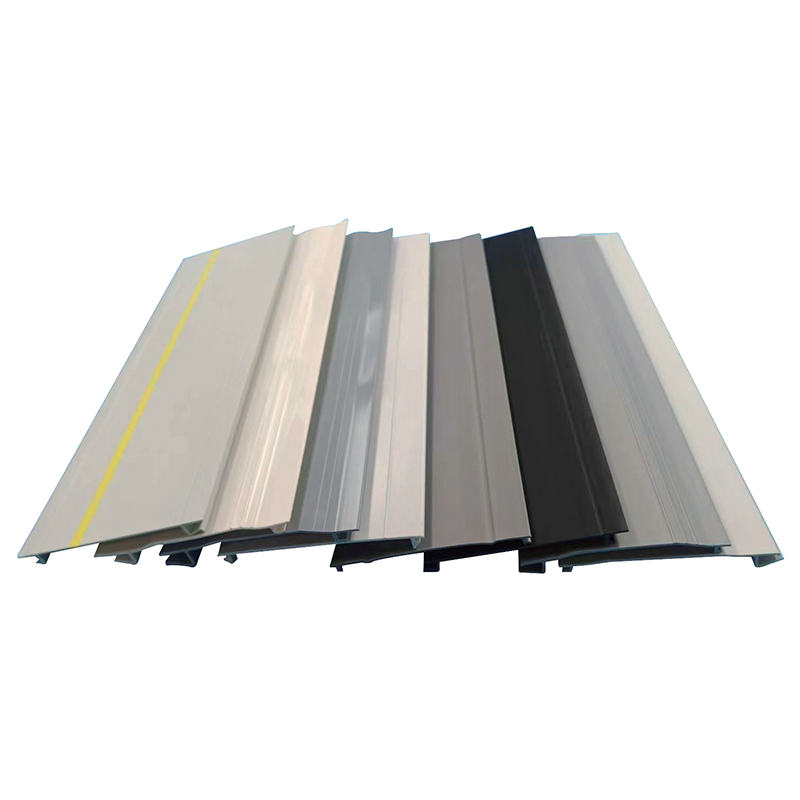 Conveyor Sealing Plate
The conveyor sealing plate is a side enclosure component designed for conveyor equipment f...
-
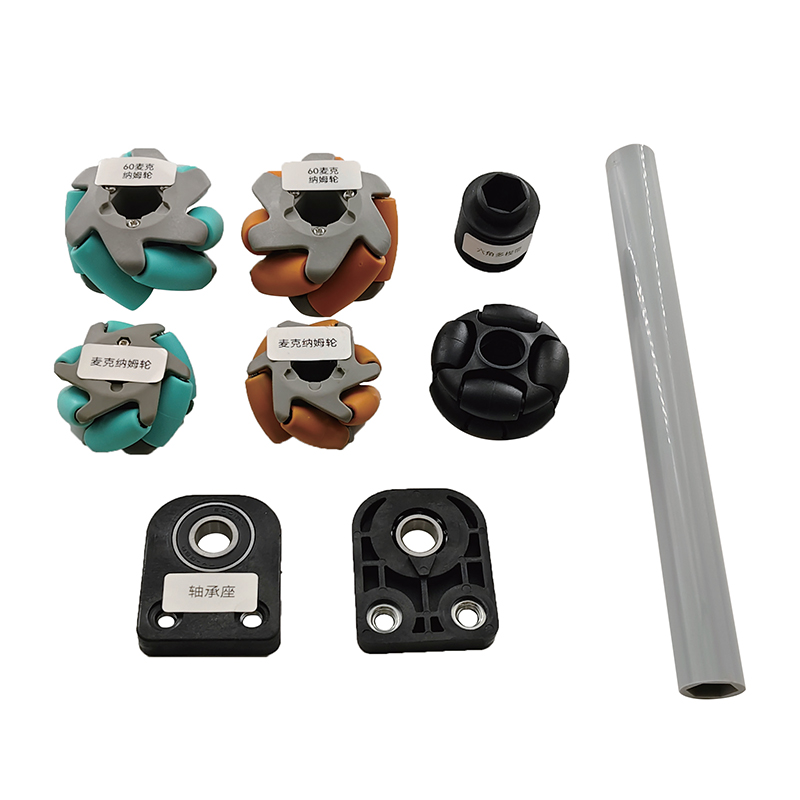 Mecanum Wheel
The MECANUM WHEEL is an omnidirectional wheel characterized by a series of rollers distrib...
-
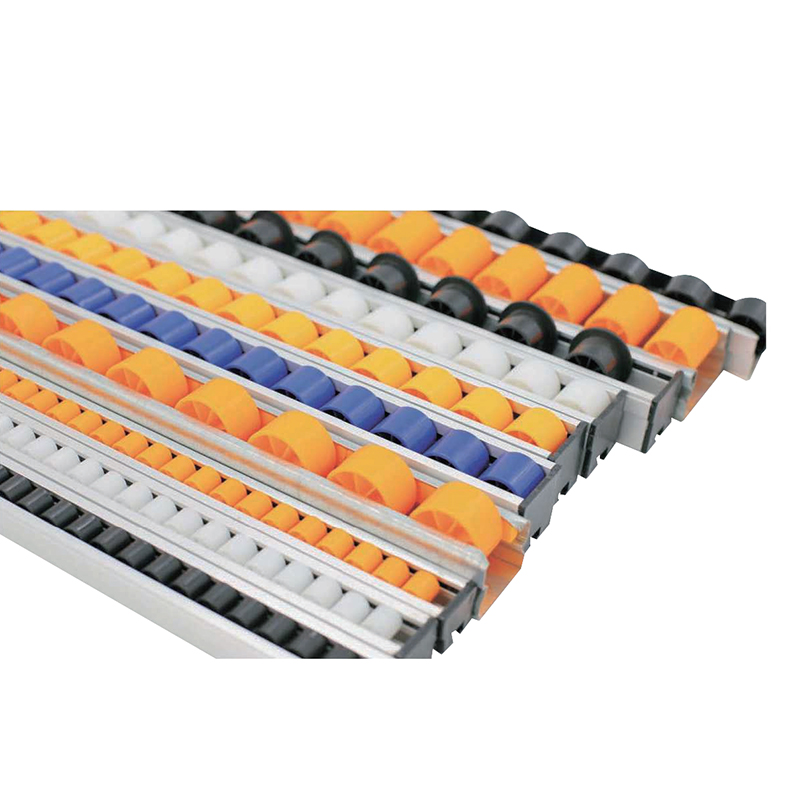 Conveyor Flow Bar
The conveyor flow bar is a rolling component designed for gravity-driven or assisted conve...
-
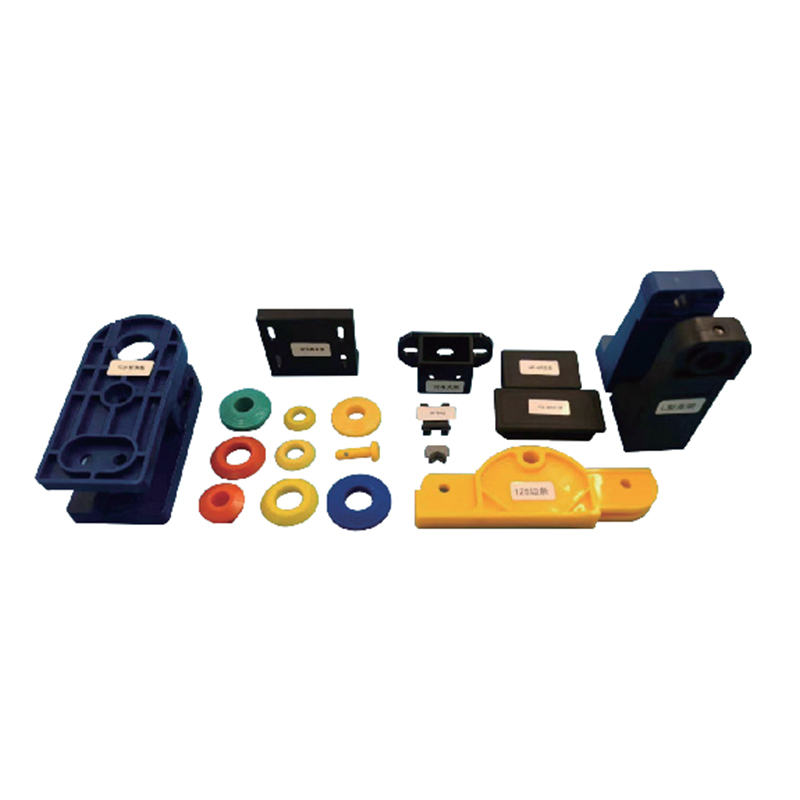 Conveyor Accessories
Conveyor accessories are a collection of functional components designed for industrial con...
About Us
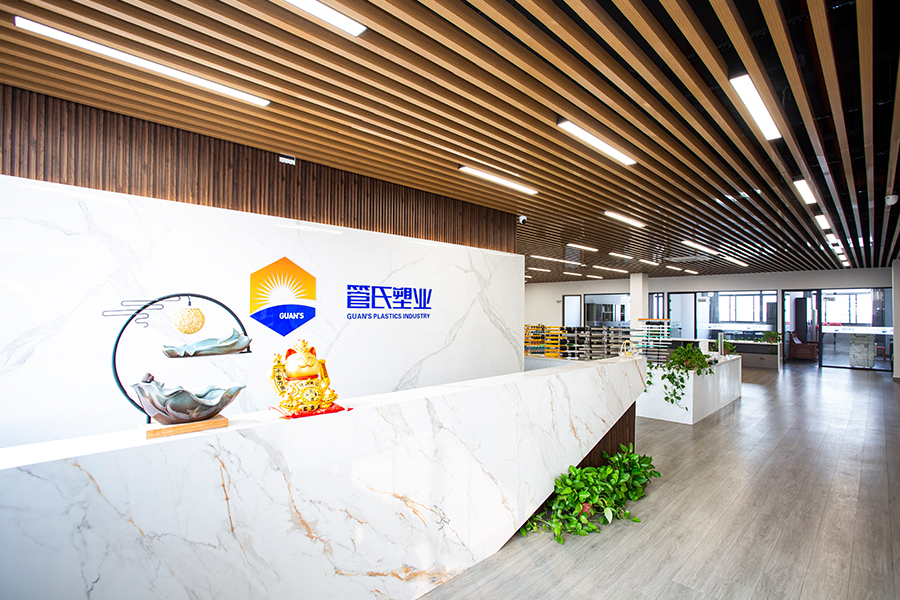
Huzhou Nanxun Guan's Plastic Industry Co., Ltd.
Huzhou Nanxun Guan's Plastic Industry Co., Ltd. was established in 2006, with its headquarters located in Huzhou, Zhejiang. Since its inception, the company has established three plastic product manufacturing bases and a laser cutting workshop in Zhejiang and Jiangsu provinces. We now have a large production, R&D, and operational space, with a growing team of employees. Our annual production volume has reached tens of millions of pieces, making us a well-known plastic product manufacturer and service provider both domestically and internationally.
As China Industrial Conveyor Components Manufacturers and custom Conveyor Plastic Parts factory, our products and services are widely applied in various industries, including logistics, pharmaceuticals, food and beverages, warehousing, organic produce, tobacco, tire manufacturing, and airport ground services. To meet the ever-growing demands of our customers, we have also developed a laser cutting project to further enhance our production capacity and technical capabilities.
News
-
November 3–6, 2026 | Shanghai New International Expo Centre | Hall W5 Invitation Huzhou Nanxun Guanshi Plastic Industry Co., Ltd. cordially invites you to visit...
READ MORE -
A conveyor roller looks simple from the outside: a tube, a shaft and a few small fittings. But the parts that decide whether it runs quietly for years or start...
READ MORE -
If you have ever pulled a roller out of a conveyor frame, you already know that the part which gives up first is rarely the roller tube itself. It is the small...
READ MORE -
Most people who buy a conveyor line eventually see a finished frame. Behind it, there is a supply chain of molds, injection machines, extrusion lines and inspe...
READ MORE -
Conveyor lines rarely stop because of a frame or a motor. Far more often the culprit is a worn sleeve, a cracked roller seat, or a guide rail that has lost its...
READ MORE
Message Feedback
Industry knowledge
How Do Conveyor Plastic Parts Improve Wear Resistance and Service Life in Material Handling Systems?
In modern material handling systems, conveyor components are subjected to continuous friction, impact loads, vibration, moisture, chemicals, and varying operating temperatures. Selecting high-quality Conveyor Plastic Parts is one of the most effective ways to improve wear resistance, reduce maintenance costs, and extend the overall service life of conveyor equipment.
Unlike traditional metal components, engineering plastic conveyor parts offer excellent self-lubricating properties, corrosion resistance, and low-friction performance. These advantages help minimize component wear while maintaining smooth and reliable material flow in industries such as logistics, warehousing, food processing, pharmaceuticals, airport baggage handling, and manufacturing.
Why Wear Resistance Matters in Conveyor Systems
Wear is one of the primary causes of conveyor downtime and component replacement. Continuous contact between chains, belts, guides, sprockets, and transported products gradually removes material from component surfaces.
Excessive wear can result in:
- Reduced conveying efficiency
- Misalignment of conveyor components
- Higher energy consumption
- Increased maintenance frequency
- Unexpected production stoppages
- Shortened equipment lifespan
Properly designed plastic conveyor components help address these challenges by reducing friction and resisting abrasion under demanding operating conditions.
Key Ways Conveyor Plastic Parts Improve Wear Resistance
Low Coefficient of Friction
Many engineering plastics naturally possess low-friction characteristics. Materials such as UHMW-PE, PA (Nylon), POM (Acetal), and specialized wear-resistant compounds allow conveyor systems to operate smoothly with reduced surface contact resistance.
| Material | Typical Friction Coefficient | Wear Resistance Level |
| UHMW-PE | 0.10–0.22 | Excellent |
| POM | 0.20–0.35 | Very Good |
| Nylon (PA) | 0.25–0.40 | Very Good |
| Carbon Steel | 0.50–0.80 | Moderate |
Lower friction reduces surface wear and minimizes heat generation during continuous operation.
Self-Lubricating Properties
Many conveyor plastic components can operate with little or no external lubrication. This characteristic reduces metal-to-metal contact and prevents abrasive wear caused by insufficient lubrication.
Benefits include:
- Reduced maintenance requirements
- Cleaner operating environments
- Lower operating costs
- Improved reliability in food and pharmaceutical applications
Excellent Abrasion Resistance
Engineering plastics are specifically designed to withstand repeated sliding and rolling contact. Components such as wear strips, guide rails, chain guides, and conveyor tracks maintain dimensional stability even after prolonged use.
This is particularly important in high-cycle logistics and warehousing systems where conveyors operate around the clock.
Impact Absorption Capability
Unlike metal components, many plastic materials can absorb impact energy without permanent deformation. This helps protect conveyor systems from damage caused by:
- Falling packages
- Heavy product loading
- Sudden conveyor starts and stops
- High-speed sorting operations
Impact resistance helps prevent cracks, fractures, and premature component failure.
Corrosion and Chemical Resistance
Moisture, cleaning chemicals, acids, and alkaline substances can accelerate wear and degradation in metallic components. Engineering plastics maintain their performance in challenging environments where corrosion resistance is essential.
| Property | Engineering Plastics | Metal Components |
| Corrosion Resistance | Excellent | Moderate to Poor |
| Chemical Resistance | High | Variable |
| Moisture Resistance | High | May Require Protection |
| Maintenance Frequency | Low | Higher |
How Conveyor Plastic Parts Extend Service Life
Reduced Component-to-Component Wear
Plastic guides, wear strips, and support elements create smoother contact surfaces that reduce wear on conveyor chains, belts, and rollers. As a result, multiple components within the system experience less deterioration over time.
Lower Operating Noise and Vibration
Plastic materials naturally dampen vibration and noise. Reduced vibration decreases mechanical stress on bearings, fasteners, and structural components, contributing to longer equipment life.
Improved Dimensional Stability
Precision-manufactured plastic conveyor parts maintain consistent dimensions and alignment. Proper alignment minimizes uneven wear patterns and helps conveyor systems operate efficiently for extended periods.
Reduced Downtime and Replacement Frequency
Longer-lasting components mean fewer shutdowns for maintenance and replacement. This directly improves productivity and lowers total ownership costs.
Applications That Benefit Most from Wear-Resistant Conveyor Plastic Parts
- Automated warehouses and distribution centers
- Food and beverage production lines
- Pharmaceutical manufacturing facilities
- Airport baggage handling systems
- Tobacco processing equipment
- Tire manufacturing plants
- Organic produce sorting systems
- Logistics and parcel handling centers
Manufacturing Quality Also Plays a Critical Role
Material selection alone is not enough to guarantee long service life. Precision manufacturing, dimensional accuracy, and consistent quality control are equally important.
Huzhou Nanxun Guan's Plastic Industry Co., Ltd., established in 2006 and headquartered in Huzhou, Zhejiang, has developed extensive expertise in plastic product manufacturing. With three production bases and a dedicated laser cutting workshop across Zhejiang and Jiangsu provinces, the company has built strong capabilities in large-scale production, product development, and custom processing.
Its products are widely used in logistics, warehousing, pharmaceuticals, food and beverage processing, airport ground services, tobacco, tire manufacturing, and many other material handling applications where durability and wear resistance are critical performance requirements.
Conclusion
Conveyor plastic parts significantly improve wear resistance and service life by reducing friction, resisting abrasion, absorbing impact, preventing corrosion, and minimizing maintenance requirements. When manufactured from high-performance engineering plastics and produced with precise quality standards, these components help material handling systems achieve greater reliability, lower operating costs, and longer operational lifespans.
FAQ
What are the most wear-resistant materials used in conveyor plastic parts?
Common wear-resistant materials include UHMW-PE, POM (Acetal), Nylon (PA), and various reinforced engineering plastics. The best material depends on load capacity, operating speed, environmental conditions, and chemical exposure. Huzhou Nanxun Guan's Plastic Industry Co., Ltd. manufactures plastic components for multiple industries and can help customers select suitable materials based on application requirements.
How do conveyor plastic parts reduce maintenance costs?
Conveyor plastic parts reduce maintenance costs through low-friction operation, self-lubricating performance, corrosion resistance, and extended wear life. These characteristics decrease replacement frequency and reduce downtime. With three manufacturing bases and extensive production capabilities, Huzhou Nanxun Guan's Plastic Industry Co., Ltd. supplies durable plastic solutions designed for long-term industrial use.
Which industries benefit most from conveyor plastic parts?
Industries that experience continuous material movement benefit the most, including logistics, warehousing, food processing, pharmaceuticals, airport baggage handling, tobacco production, and tire manufacturing. Huzhou Nanxun Guan's Plastic Industry Co., Ltd. serves customers across these sectors and provides customized plastic products engineered to improve conveyor efficiency, wear resistance, and overall equipment lifespan.


+86-13250912999
Huzhou Nanxun Guan's Plastic Industry Co., Ltd.
Email: [email protected]
Address: Building 8, North Zone, Dehao Industrial Park, Linghu Town, Nanxun District, Huzhou City, Zhejiang Province, China
Navigation
Products
About us
Copyright © Huzhou Nanxun Guan's Plastic Industry Co., Ltd.
All Rights Reserved.
Privacy
 Custom Conveyor Plastic Parts Manufacturers