
 English
 中文简体
中文简体 русский
 Español
Definition and Structural Characteristics The Open Plastic Seat is a terminal su...

Industry News
Home / News / Industry News / Key Plastic Components for Motorized Flexible Conveyors – Selection & Quality Guide
Key Plastic Components for Motorized Flexible Conveyors – Selection & Quality Guide
Author: admin / 2026-09-18
Content
In the fast-paced world of logistics and material handling, motorized flexible conveyors have become indispensable for loading docks, distribution centers, and assembly lines. Their ability to expand, contract, and curve around obstacles while maintaining powered movement makes them a versatile solution for moving cartons, parcels, and components. But the real workhorses behind these conveyors are the precision-engineered plastic components that ensure smooth operation, low noise, and long service life. As a manufacturer with over two decades of experience in plastic parts for industrial conveying, we have seen how the right selection of roller sleeves, chain supports, flow bars, and guardrails can transform a flexible conveyor from good to exceptional. In this guide, we break down the essential plastic components every designer and maintenance professional should consider when building or upgrading a motorized flexible conveyor system.
Understanding Motorized Flexible Conveyors
Motorized flexible conveyors, often referred to as powered flex conveyors or flexible powered roller conveyors, are typically built on a telescoping frame with powered rollers driven by a chain, belt, or motorized rollers. They are widely used for truck loading and unloading, and for bridging gaps between fixed conveyor lines. The key mechanical elements include:
- Rollers and sleeves – The contact surface that moves the product.
- Drive components – Sprockets, pulleys, and belts that transmit power.
- Frame and guide parts – Side profiles, guardrails, and flow bars that contain and direct the product.
- Lifting and transfer mechanisms – For height adjustment and merge/diverge functions.
While metal structures provide the strength, it is the plastic components that deliver the friction, wear resistance, noise reduction, and cost efficiency required for high-throughput operations. Our company specializes in manufacturing these critical plastic parts, with a product portfolio spanning roller fittings, chain conveyor accessories, fluency strips, guardrails, and synchronous lifting equipment.
Key Plastic Components for Motorized Flexible Conveyors
Below we highlight the most commonly used plastic parts in motorized flexible conveyors, along with their functions and benefits.
Roller Fittings – The Core of Material Movement
The rollers in a flexible conveyor are the primary contact points for the load. Plastic roller sleeves, cone sleeves, and straight sleeves protect the roller tube, reduce metal‑to‑metal contact, and provide a gentle grip on packages. Our Roller Case Series includes cone sleeves, straight sleeves, and universal sleeves made from high‑impact materials that resist wear even under continuous operation. They are easy to replace and available in multiple diameters to fit standard roller tubes.
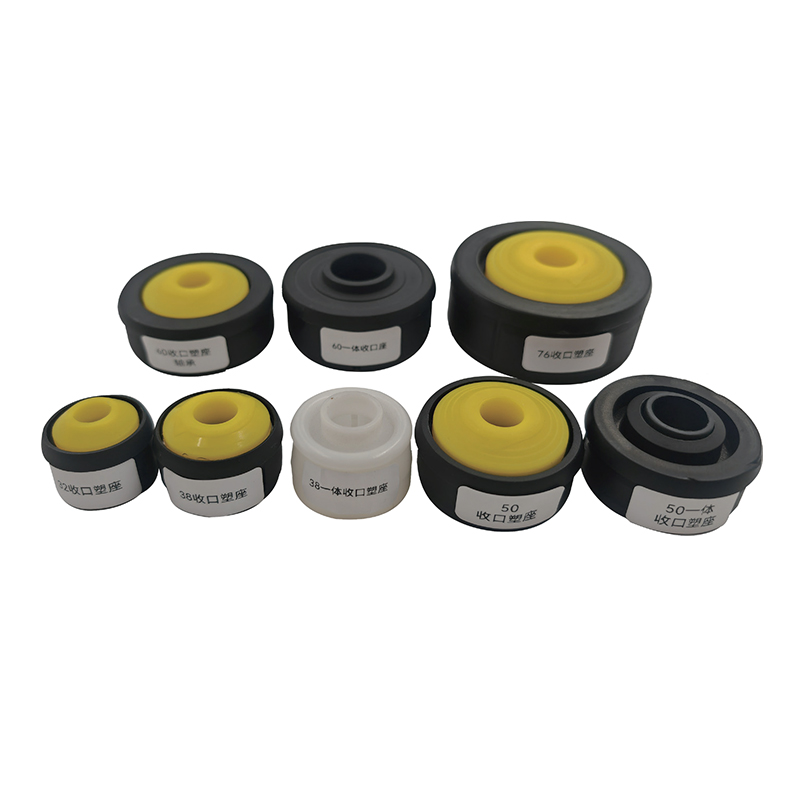
Equally important are the plastic seats that support the roller shafts. A one‑piece roller plastic seat or end‑cap seat must securely hold the roller in place while allowing smooth rotation. Our Plastic Base Series offers precision‑molded seats that resist deformation under load, ensuring consistent performance across the conveyor length.
Drive Components – Power Transmission
Motorized flexible conveyors rely on sprockets, pulleys, or O‑belts to transfer torque from the motor to the rollers. Plastic drive components offer advantages such as reduced inertia, self‑lubrication, and corrosion resistance. Our Power Roller Accessories include chain wheels, double‑slot O‑pulleys, polywedge pulleys, and synchronous pulleys. These are manufactured with tight tolerances to ensure proper engagement with belts and chains, minimizing slippage and downtime. For example, a polywedge pulley provides high friction and quiet operation, ideal for variable‑speed applications in e‑commerce and parcel sorting.
Chain Conveyor Accessories – For Heavy‑Duty Flex Lines
Some motorized flexible conveyors use a chain drive system instead of individual roller drives. In these systems, chain supports, head frames, and tension wheels guide and tension the chain. Our Chain Conveyor Series supplies chain conveyor accessories, chain supports, head frames, and tension wheels made from engineering plastics that withstand cyclical loads and resist wear from chain friction. These parts are designed for easy installation and replacement, reducing maintenance downtime.
Fluency Strips and Guardrails – Guiding and Protecting Products
To keep packages on track, flexible conveyors often incorporate side guide rails and flow bars. Fluency strips (also called flow bars) create a low‑friction surface for gravity or power‑assisted movement, especially on flexible sections that may slope. Our Fluency Strip Series offers conveyor flow bars and accessories that provide a durable sliding surface, reducing noise and product damage. Guardrails and sealing plates protect the conveyor structure and prevent items from falling off the sides. Our Guardrail & Enclosure Series includes conveyor guardrails and sealing plates that are easy to mount and adjust.
Lifting and Transfer Components – Enhancing Versatility
Many flexible conveyor installations require height adjustment or directional changes. Our Synchronized Lifting Equipment Series (models RN‑300‑F, RN‑500‑F, RN‑900‑F) provides mechanical lifters that can be integrated into the conveyor frame to raise or lower sections smoothly. For transfer points, the Top Lifting Transfer Wheel and Mecanum Wheel (Turning Machine Series) enable 90‑degree transfers and omnidirectional movement. These components are precision‑molded to ensure alignment and repeatability, critical for automated material flow.
Selecting the Right Plastic Components
Choosing the appropriate material and design for each component depends on the application conditions: load weight, belt speed, environment (temperature, moisture, dust), and required lifespan. The following table summarizes typical choices for common flexible conveyor parts:
| Component | Common Material Options | Key Consideration |
|---|---|---|
| Roller sleeve | PP, PE, Nylon | Wear resistance, low noise, grip |
| Roller plastic seat | POM, PA66+GF | Load capacity, dimensional stability |
| Chain wheel / pulley | PA6, POM, PU | High strength, low wear, precise tooth profile |
| Flow bar (fluency strip) | UHMWPE, PP | Low coefficient of friction, impact resistance |
| Guardrail bracket | PP, ABS | Impact resistance, easy adjustability |
| Synchronous lifter | PA66, Steel core with plastic covers | High rigidity, accurate alignment |
Our engineering team works with customers to validate material selection based on actual operating conditions. With a large inventory of standard parts and the capability to produce custom molds, we ensure that every component fits the conveyor’s design intent.
Why Quality Plastic Parts Matter
A motorized flexible conveyor is only as reliable as its weakest component. Poorly made plastic parts can lead to premature roller wear, belt slippage, noise, and even breakdowns that halt production. Over the years, we have invested in advanced injection‑molding machines and laser cutting facilities across our three manufacturing bases, achieving a yearly output of tens of millions of parts. Our quality management focuses on consistent dimensions, mechanical properties, and surface finish. Each batch is produced under controlled conditions to eliminate flash, warpage, and shrinkage.
Moreover, using high‑quality plastic components reduces maintenance costs and extends the conveyor’s service life. For instance, a well‑designed 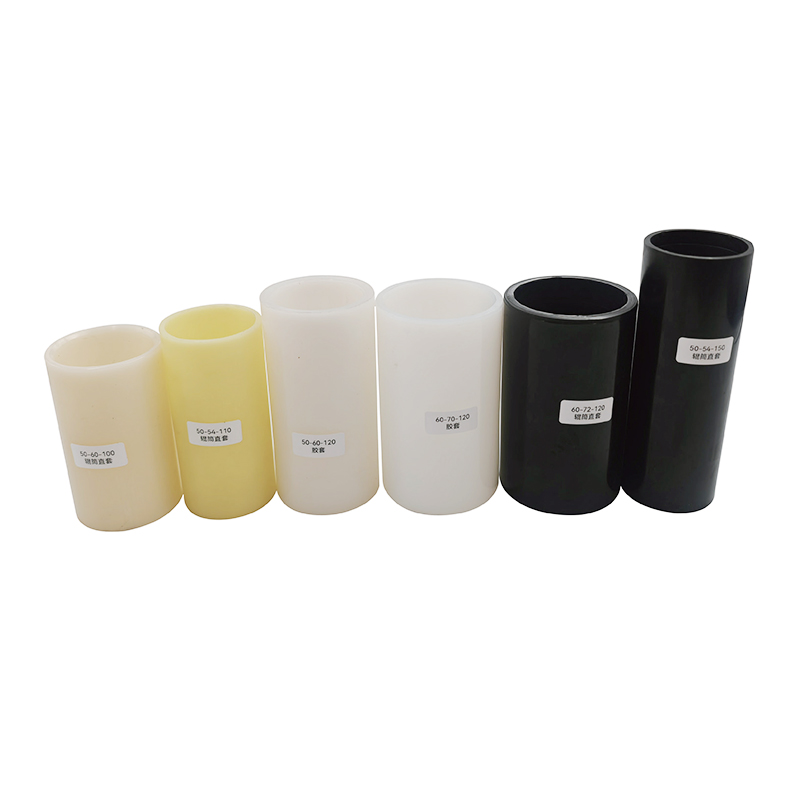 Precision-Machined Roller Sleeve for Conveyor SystemsThis roller sleeve features CNC‑machined coaxiality, optional surface coatings, and excellent cylindricity for high‑speed stability. Its wear resistance and easy maintenance align with the conveyor’s goal of reducing downtime and service costs.View Product → made from impact‑modified nylon can withstand thousands of hours of operation without cracking. Similarly, precision‑molded
 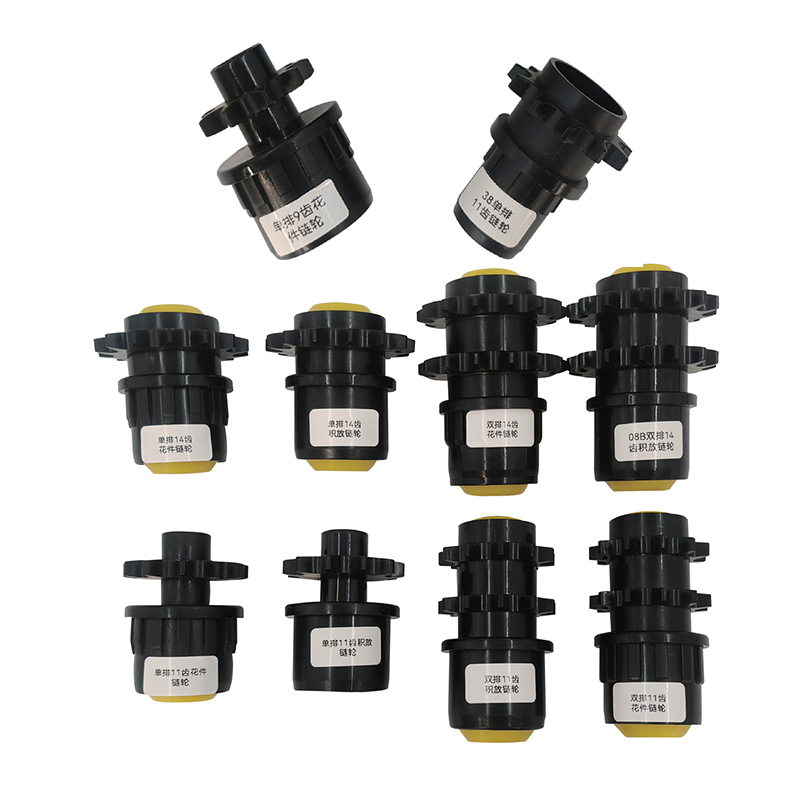 Precision-Molded Chain Wheel for Reliable Drive TransmissionThis chain wheel ensures accurate meshing with the drive chain to prevent skipping and reduce power consumption. Its standardized design simplifies replacement, supporting the conveyor system’s long‑term efficiency and quieter operation.View Product → maintain accurate engagement with the drive chain, preventing skipping and reducing power consumption.
Operators also benefit from quieter operation—a critical factor in warehouses where noise levels are regulated. Many of our plastics are inherently sound‑dampening compared to metal counterparts. This contributes to a more comfortable work environment and meets corporate sustainability goals (our components can be recycled at end of life).
Partnering with a Trusted Manufacturer
When you source plastic components for motorized flexible conveyors, you need a partner who understands the entire material‑handling ecosystem. With 20+ years in the industry, we serve sectors ranging from logistics and warehousing to food & beverage and pharmaceuticals. Our teams collaborate with conveyor OEMs, integrators, and end‑users to develop parts that meet exact specifications. We offer full traceability and fast turnaround, thanks to our 15,000+ sqm smart facilities and 160+ skilled professionals.
For those looking to improve an existing system or design a new one, we recommend reviewing our detailed selection guide on conveyor roller fittings types and materials. This resource dives deeper into the technical properties of each component family and provides real‑world examples of successful applications.
Related products
-
-
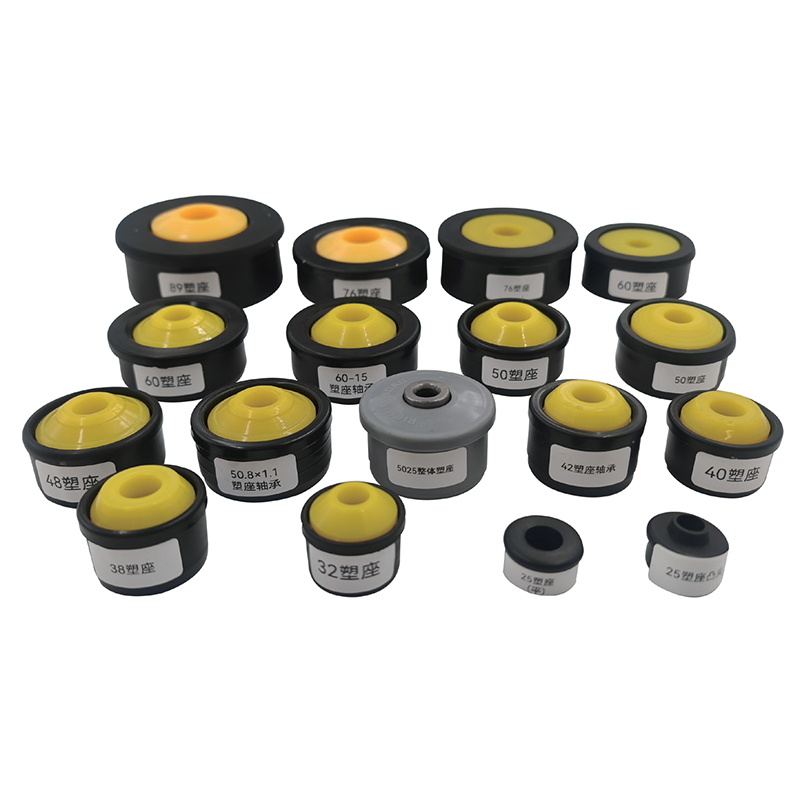 Roller Non-end Cap Plastic Seat
The roller open-end plastic seat is a plastic structural component used for supp...
-
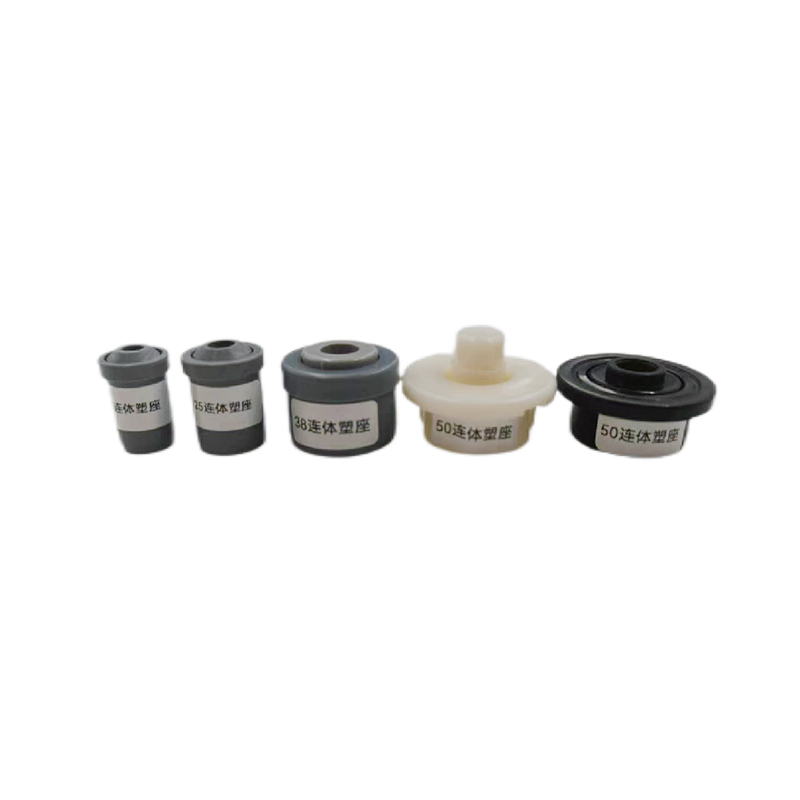 One-piece Roller Plastic Seat
The ONE-PIECE PLASTIC SEAT integrates the bearing housing and mounting bracket i...
-
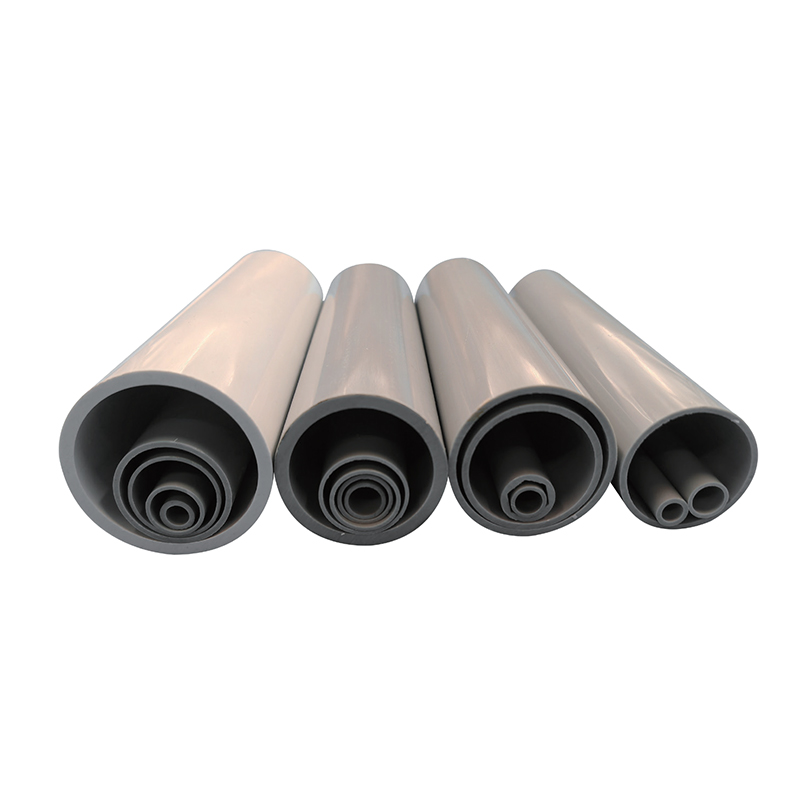 Roller PVC Plastic Pipe
The PVC Plastic Pipe for Rollers is an outer sleeve applied to the surface of ro...
-
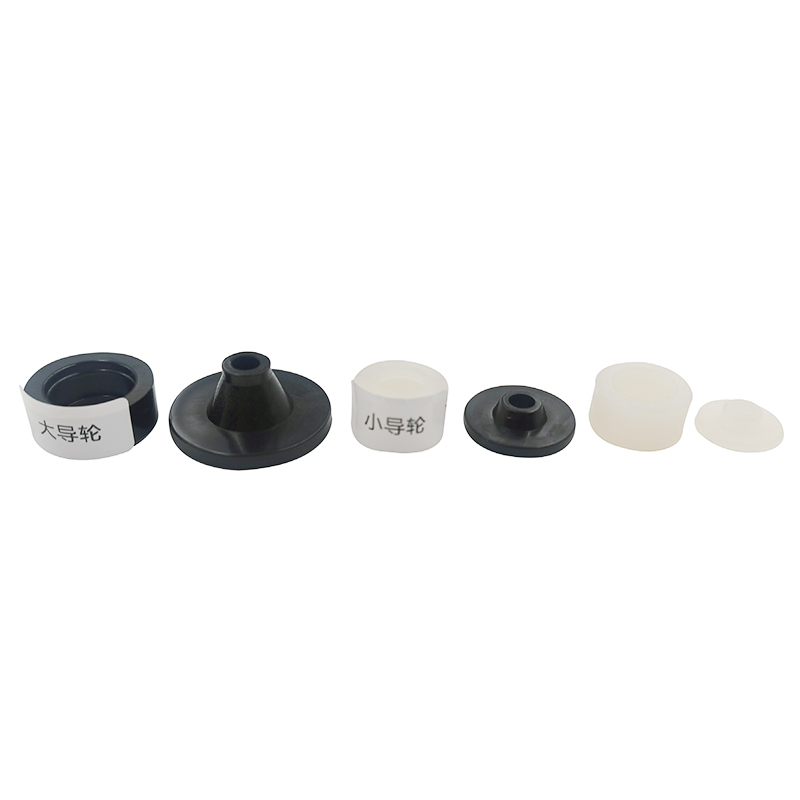 Roller Guide Wheel
The guide wheel serves as a critical directional component in industrial conveyi...
-
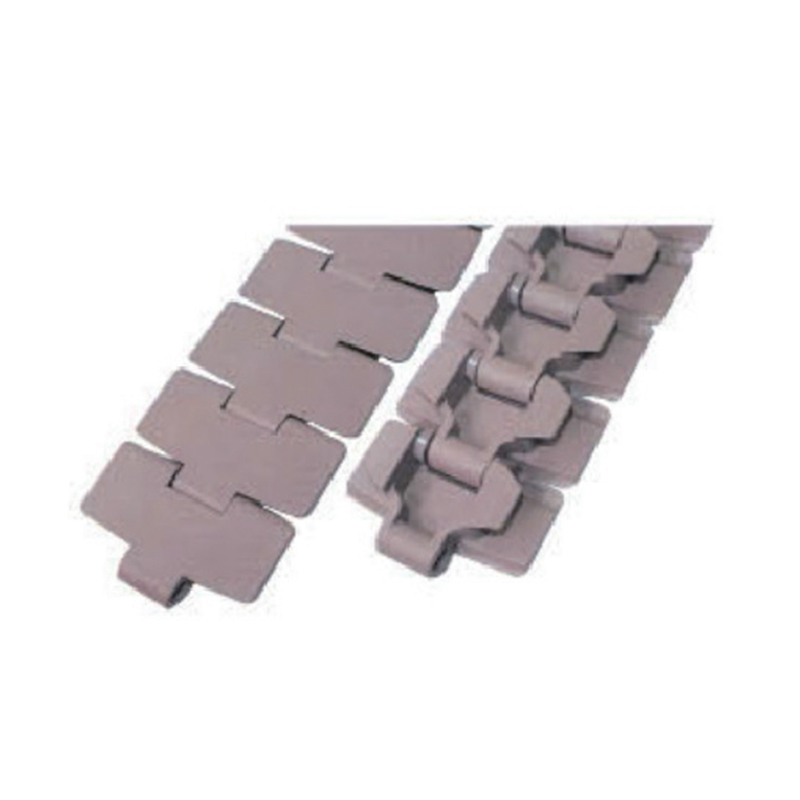 880 Guide Side Bending Chain
The 880 guide side-bending chain is designed for side-guided and curved conveyin...


+86-13250912999
Huzhou Nanxun Guan's Plastic Industry Co., Ltd.
Email: [email protected]
Address: Building 8, North Zone, Dehao Industrial Park, Linghu Town, Nanxun District, Huzhou City, Zhejiang Province, China
Navigation
Products
About us
Copyright © Huzhou Nanxun Guan's Plastic Industry Co., Ltd.
All Rights Reserved.
 Privacy
Wholesale Plastic Conveyor Parts Manufacturers
Privacy
Wholesale Plastic Conveyor Parts Manufacturers