
 English
 中文简体
中文简体 русский
 Español
Conveyor accessories are a collection of functional components designed for indu...

Industry News
Home / News / Industry News / Belt Conveyor Systems: Key Components from a Plastic Parts Manufacturer's Perspective
Belt Conveyor Systems: Key Components from a Plastic Parts Manufacturer's Perspective
Author: admin / 2026-09-16
Content
A belt conveyor system is one of the most widely used methods for moving materials in industrial settings. From logistics and warehousing to food processing and pharmaceuticals, these systems rely on a combination of pulleys, belts, idlers, and a sturdy frame. Over our 20-plus years in the industry, we have seen how careful attention to each supporting component can make a significant difference in system reliability and lifetime. In this article, we break down the essential structure of a belt conveyor, highlight the parts that experience the most wear, and share practical advice from our manufacturing experience. Whether you are planning a new line or maintaining an existing one, understanding these elements will help you make informed choices.
Core Structure of a Belt Conveyor
A typical belt conveyor system consists of a flexible belt looped around a head pulley and a tail pulley. The belt is driven by the head pulley, which is connected to a motor and gearbox. Along the length of the system, idler rollers support the belt and the material being transported. The frame, which is usually made of steel or aluminum, provides the structural backbone. Below is a summary of the primary components.
| Component | Primary Function |
|---|---|
| Head Pulley (Drive Pulley) | Transfers power from the motor to move the belt |
| Tail Pulley (Return Pulley) | Redirects the belt back to the drive end |
| Idler Rollers | Support the loaded belt and maintain belt alignment |
| Conveyor Belt | Carries the material from one point to another |
| Frame | Provides structural support for all components |
| Take-up Device | Maintains tension in the belt to prevent slippage |
Modern belt conveyors also integrate control systems that manage speed, direction, and safety features such as emergency stops and belt misalignment sensors. These systems allow facilities to automate material handling and reduce manual labor.
Key Wear Parts That Affect Belt Conveyor Performance
While the belt itself gets most of the attention, the longevity and efficiency of a conveyor system heavily depend on its supporting plastic and metal components. Many of these parts are subject to friction, impact, and environmental factors like moisture, dust, and temperature extremes. Understanding which components are most prone to wear allows you to plan maintenance and replacements proactively.
Roller Sleeves and Drive Accessories
Roller sleeves protect the underlying roller from abrasion and help maintain a consistent surface for the belt. In applications where the belt runs over a series of rollers, wear on the sleeves can lead to belt tracking issues and premature belt failure. Plastic sleeves, such as our roller straight sleeves and cone sleeves, provide excellent wear resistance and are relatively easy to replace.
Drive accessories like pulleys, sprockets, and various belt profiles also experience considerable stress. We manufacture a complete range of drive accessories for roller conveyors, including chain wheels, double slot O-pulleys, and polywedge pulleys. These 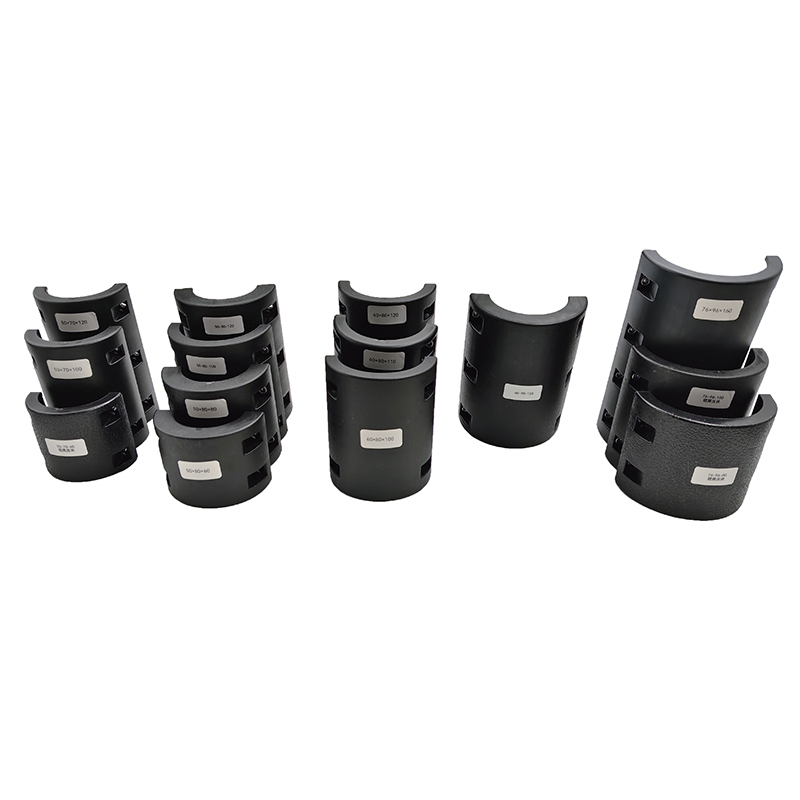 Conveyor Roller Fittings Including Sleeves and PulleysThese roller fittings, such as straight sleeves, cone sleeves, and chain wheels, support alignment and power transmission in roller conveyors, helping reduce noise and vibration while maintaining load handling efficiency.View Product → parts are designed to match common conveyor dimensions and load requirements. Using the correct pulley diameter and tooth profile helps maintain proper belt speed and torque transmission while reducing noise and vibration.
| Wear Part | Common Material | Signs of Wear | Typical Lifespan Factor |
|---|---|---|---|
| Roller Sleeve | Plastic (PP, PE, Nylon) | Grooving, cracking, loss of diameter | Load weight and belt speed |
| Chain Support | Engineering Plastic | Wear steps, elongation of slots | Chain tension, lubrication intervals |
| Flow Bar (Slat) | UHMWPE or PVC | Scratches, deformation, loss of lubricity | Product weight, sliding frequency |
| Guardrail | PVC / Steel / Composite | Bending, coating peeling | Impact from misaligned products |
| Idler Bearing Housing | Plastic or Metal | Noise, vibration, looseness | Environmental contaminants |
Chain Conveyor Alternatives and Complementary Systems
Not every material handling scenario calls for a belt. Chain conveyors, often referred to as chain-driven live roller (CDLR) systems or plate conveyors, are particularly effective for heavy loads, pallet handling, and high-temperature environments. In these systems, chain supports and head frames are critical for maintaining alignment and distributing load smoothly. We produce a specialized 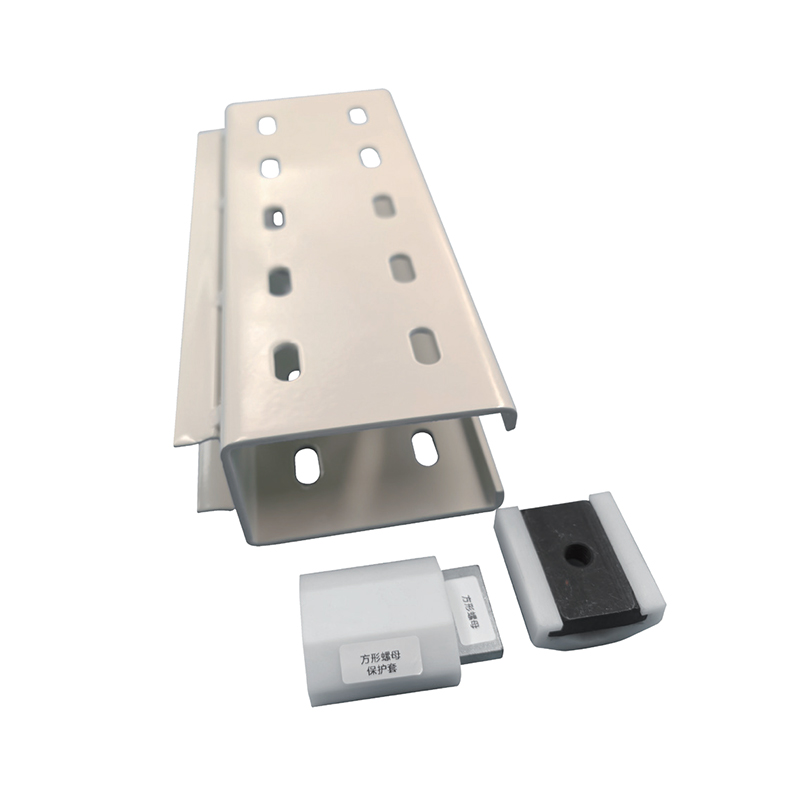 Chain Conveyor Accessories for Maintenance and AdjustmentThis range of chain conveyor accessories—tensioning devices, guide rails, and lubrication systems—addresses common issues like chain wear and misalignment, extending system life and enabling smooth heavy load transport.View Product → range of chain conveyor accessories, including chain supports, head frames, and tension wheels, ensuring a reliable interface between the chain and the conveying surface.
When to Choose a Chain Conveyor Over a Belt
Choosing the right conveying method depends on the product, the environment, and the layout constraints. Below is a straightforward comparison.
| Factor | Belt Conveyor | Chain Conveyor |
|---|---|---|
| Load Capacity | Light to medium | Medium to heavy |
| Ideal Products | Packages, bulk materials, small items | Pallets, drums, heavy parts, high temperature |
| Maintenance Complexity | Moderate (belt replacement, pulley alignment) | Higher (chain lubrication & tension) |
| Noise Level | Low to moderate | Moderate to high |
| Common Industries | Logistics, food, pharma, packaging | Automotive, foundries, tire manufacturing, recycling |
Lifting, Transferring, and Steering at Conveyor Junctions
In many modern facilities, simple straight conveyors are not enough. Products need to be lifted to a higher level, transferred from one conveyor line to another, or steered in different directions. This is where specialized modules like synchronous lifters, top lifting transfer wheels, and omnidirectional wheels come into play. We have developed several series to address these requirements, including the 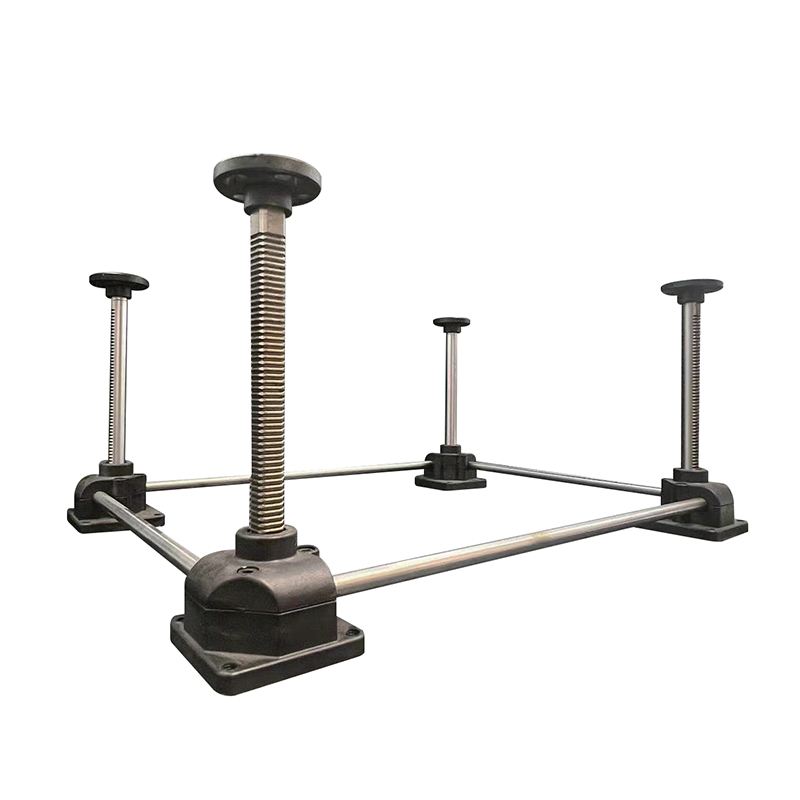 Synchronous Lifters and Transfer Wheels for Conveyor TransitionsSynchronous lifters like RN-300-F and top lifting transfer wheels enable vertical lifting and omnidirectional movement in tight spaces, seamlessly integrating into existing layouts for efficient product merging or diverting.View Product → Lifting and Transplanting Series, which offers synchronized lifting equipment and transfer wheel assemblies designed for seamless integration into existing conveyor layouts.
For example, our RN-300-F, RN-500-F, and RN-900-F synchronous lifters can raise a product vertically while maintaining its orientation, which is essential for merging or diverting in high-throughput lines. The top lifting transfer wheel and Mecanum wheel enable omnidirectional movement and smooth directional changes without complex turntables. These plastic-based solutions reduce overall system weight, minimize corrosion concerns, and offer a cost-effective alternative to fully metallic assemblies.
Practical Maintenance Tips from the Shop Floor
Over the years, we have seen that most belt conveyor issues stem from just a few root causes. Here is a short list of common problems and what we recommend checking first.
- Belt runs to one side at a specific point: Check the idler rollers and roller sleeves at that section. If the sleeve is worn unevenly, it can cause the belt to drift. Also verify that the frame is level.
- Belt slips on the drive pulley: Inspect the take-up device. Insufficient tension or lubrication on the take-up screw can lead to slip. Additionally, verify that the pulley lagging (if present) has not worn down.
- Excessive belt edge wear: This often indicates that the belt is tracking against a guardrail or that the pulleys are not square to the frame. Check the alignment of the head and tail pulleys.
- Unusual noise from the conveyor: Listen for the source. Roller bearings that are worn or contaminated will produce a grinding sound. Guardrails that have been bent out of shape may also rub against the belt edge.
Proactive maintenance is always better than reactive repairs. Keeping a stock of common spare parts such as roller sleeves, flow bars, and retaining rings can dramatically reduce downtime in a production environment. We offer a variety of these parts, crafted from high-quality plastic materials to withstand the demands of continuous operation.
Conclusion
Belt conveyor systems remain a backbone of material handling across industries. While the belt and pulleys are the most visible components, the performance and longevity of the entire system depend on the strength of its supporting parts. Plastic components like roller sleeves, chain supports, flow bars, and lifting modules are not just passive accessories — they are active contributors to system efficiency, safety, and uptime.
With over twenty years of experience manufacturing plastic conveying components, we have had the opportunity to collaborate with integrators and end-users across logistics, pharmaceuticals, warehousing, and many other sectors. Our portfolio covers everything from roller case series and precision-molded plastic bases to chain conveyor accessories and synchronous lifters. If you are evaluating a new conveyor system or looking to improve the reliability of an existing line, we welcome you to consult our team or explore our product range for components that fit your specific requirements. After all, the best conveyor is one that keeps running — and that starts with the right parts in the right places.
Related products
-
-
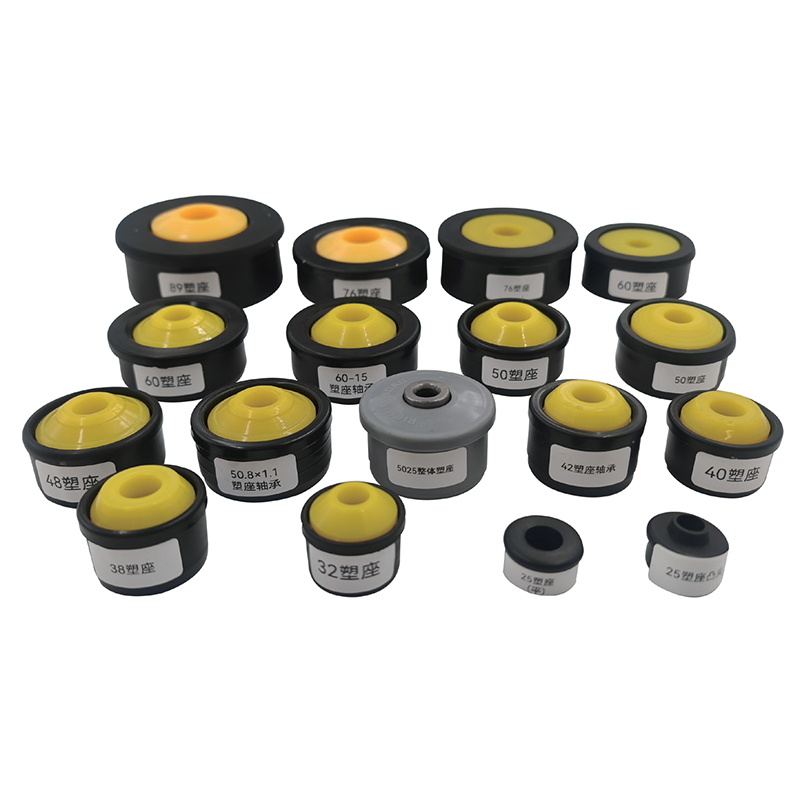 Roller Non-end Cap Plastic Seat
The roller open-end plastic seat is a plastic structural component used for supp...
-
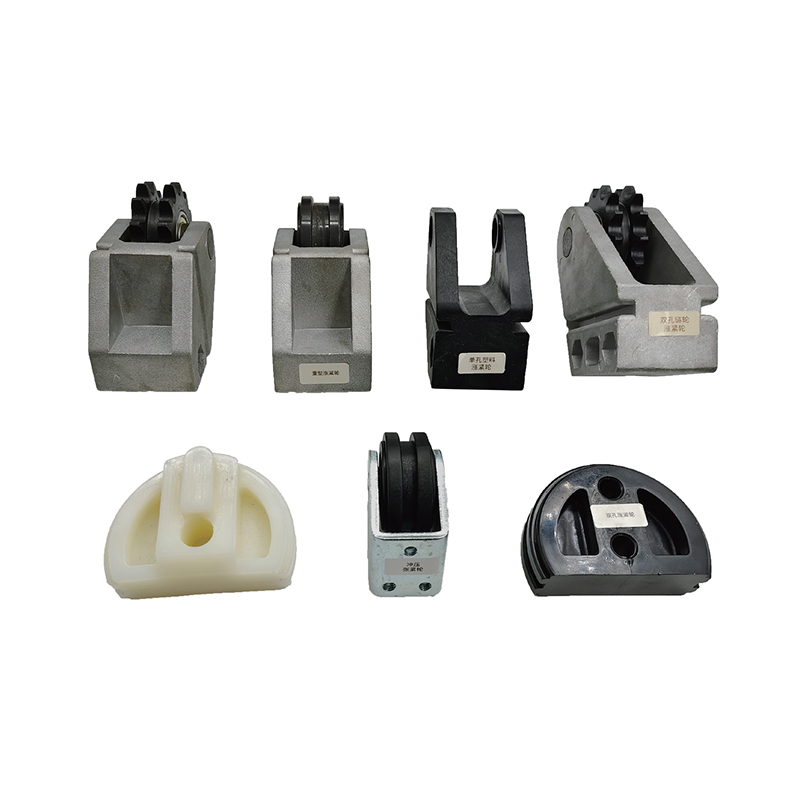 Chain Conveyor Tension Wheel
The chain conveyor tension wheel is a tension adjustment device used in chain dr...
-
 Chain Conveyor Accessories
Chain conveyor accessories are functional components designed for use with chain...
-
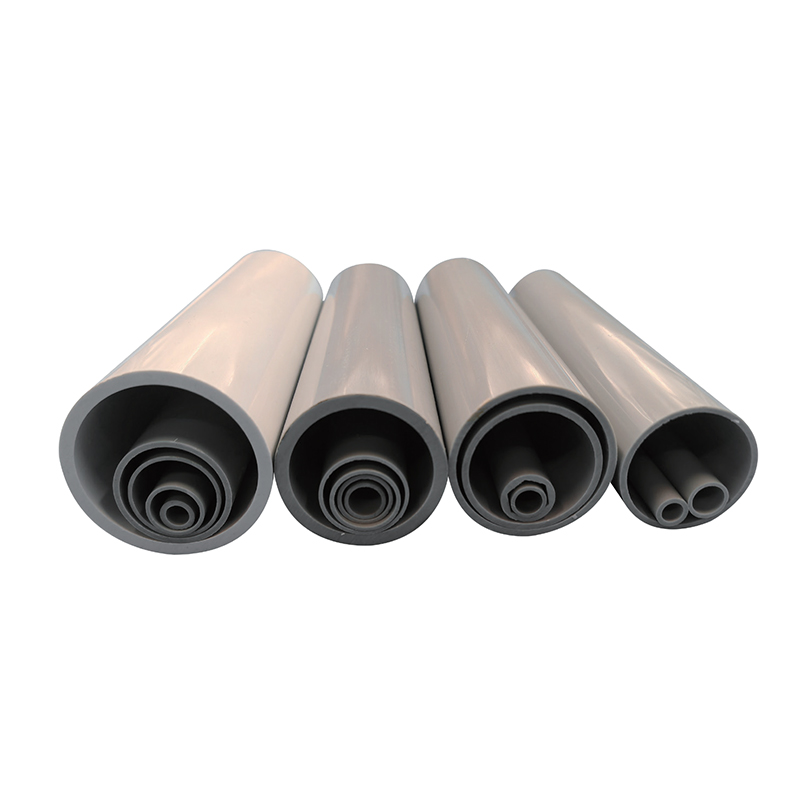 Roller PVC Plastic Pipe
The PVC Plastic Pipe for Rollers is an outer sleeve applied to the surface of ro...
-
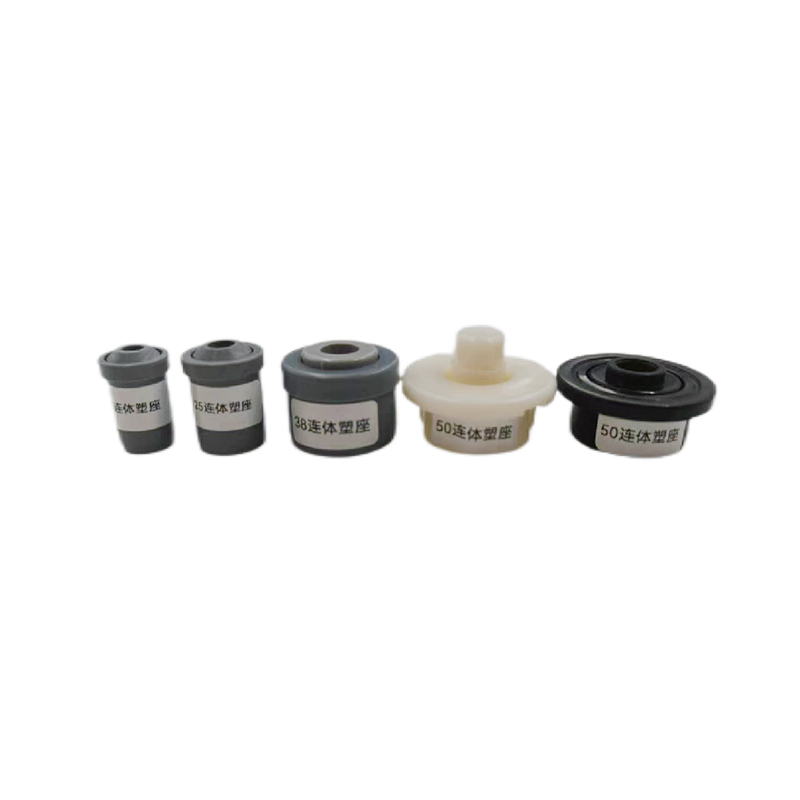 One-piece Roller Plastic Seat
The ONE-PIECE PLASTIC SEAT integrates the bearing housing and mounting bracket i...


+86-13250912999
Huzhou Nanxun Guan's Plastic Industry Co., Ltd.
Email: [email protected]
Address: Building 8, North Zone, Dehao Industrial Park, Linghu Town, Nanxun District, Huzhou City, Zhejiang Province, China
Navigation
Products
About us
Copyright © Huzhou Nanxun Guan's Plastic Industry Co., Ltd.
All Rights Reserved.
 Privacy
Wholesale Plastic Conveyor Parts Manufacturers
Privacy
Wholesale Plastic Conveyor Parts Manufacturers