
 English
 中文简体
中文简体 русский
 Español
The guide wheel serves as a critical directional component in industrial conveyi...

Industry News
Home / News / Industry News / Conveyor Roller End Caps: Types, Materials, Selection Guide for Buyers
Conveyor Roller End Caps: Types, Materials, Selection Guide for Buyers
Author: admin / 2026-09-24
Content
- 1 What Conveyor Roller End Caps Do
- 2 Common End Cap Designs and Where Each Works Best
- 3 Materials: Why Plastic Is Often the Right Choice
- 4 Failure Modes the Right End Cap Prevents
- 5 Drive and Specialized End Caps for Powered Rollers
- 6 How to Specify the Right Conveyor Roller End Cap
- 7 End Caps Across Industries
Conveyor roller end caps are small parts with a large share of responsibility. Fitted at both ends of a roller tube, they house the bearing, retain lubricant, keep dust and moisture away from the rotating assembly, and keep the shaft properly aligned while the roller runs under load. When an end cap fails, the first symptom is usually a noisy or seized roller, and on a busy sortation line that single roller can stop an entire zone. After two decades of producing plastic components for conveying equipment, our team has seen how often a well-chosen end cap prevents a much larger maintenance problem downstream.
What Conveyor Roller End Caps Do
At a glance, an end cap looks like a simple disc or cup. In operation, it performs several duties at the same time:
- Bearing support. The cap provides a stable seat for the bearing so the roller can spin smoothly around a fixed shaft.
- Sealing. It keeps dust, water, and cleaning chemicals out of the bearing cavity while retaining grease inside.
- Retention. The cap holds the bearing and shaft in position, preventing unwanted axial movement.
- Alignment. It maintains roller concentricity, which reduces vibration and extends belt and chain life.
- Protection. The cap absorbs impact at the roller ends and shields the tube edge from damage during handling.
These functions matter in almost every conveyor environment, from a clean pharmaceutical line to a dusty tire manufacturing plant. The required level of protection changes with the application, which is why end cap design and material choice deserve more attention than they usually receive.
Common End Cap Designs and Where Each Works Best
Conveyor roller end caps are manufactured in several construction styles. The design determines how the cap is mounted, how the bearing is protected, and how easy the roller is to maintain.
| Design | Typical Use | Key Advantages | Main Trade-Offs |
|---|---|---|---|
| Press-fit plastic cap | Light-duty gravity conveyors and flow racks | Low cost and fast assembly | Less secure under heavy shock loading |
| Snap-in or bolt-on plastic cap with bearing seat | Powered roller conveyors and modular transfer lines | Serviceable, easy replacement, corrosion resistant | Slightly more components to manage |
| Metal housing with bearing insert | Heavy-load roller and high-temperature lines | High strength and dimensional stability | Heavier, prone to corrosion, more expensive |
| Sprocket or pulley integrated drive cap | Powered and accumulating conveyors | Combines drive and support in one component | Requires accurate pitch and tooth matching |
Each style has its place. For typical material handling loads, a molded plastic cap with an integrated bearing seat offers the most balanced combination of cost, durability, and serviceability.
Materials: Why Plastic Is Often the Right Choice
Material selection is the first decision that affects the operating life of a roller. Plastic end caps made from HDPE, nylon, or polypropylene have become the default choice for a wide range of conveyors, and the reasons are practical:
- Weight reduction. Lighter caps reduce the total weight of the roller, making handling and maintenance easier.
- Corrosion and chemical resistance. Plastic does not rust and withstands wash-down agents better than painted or plated steel.
- Noise damping. Plastic surfaces reduce the metallic chatter that metal caps can create at higher speeds.
- Design freedom. Injection molding allows the bearing seat, ribs, and mounting geometry to be formed in one piece.
- Consistent dimensions. A well-maintained mold produces identical caps across large production runs.
One of the most popular configurations in our range is the roller end cap plastic seat, which combines the bearing seat, the cap body, and the mounting geometry in a single molded part. This reduces assembly steps and keeps the bearing pocket protected throughout the life of the roller.
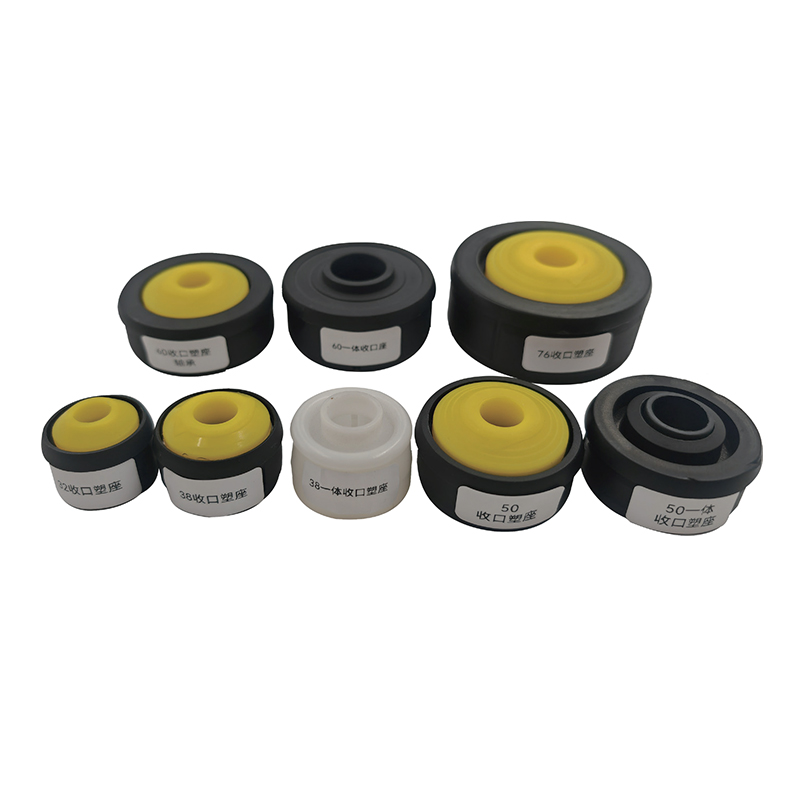 Integrated Plastic End Cap with Bearing Seat for Conveyor RollersThis molded component combines bearing housing, sealing, and mounting in one piece, reducing assembly steps while protecting the bearing. Its lightweight, corrosion-resistant design suits logistics and sorting conveyors.View Product →
Metal caps are still necessary for extreme loads or temperatures above the working range of engineering plastics, but many plants have switched to plastic caps even in applications where steel was once the obvious standard. If you are comparing end caps as part of a complete roller assembly, our guide to conveyor roller fittings types and materials makes the trade-offs between sleeves, seats, rings, and caps easier to evaluate.
Failure Modes the Right End Cap Prevents
Most premature roller failures can be traced back to the end cap or its assembly. Recognizing the common failure modes makes it easier to choose a cap that will not be the weak link in your line:
- Bearing contamination. Missing or degraded seals allow dust and moisture into the bearing, causing early wear and noise.
- Cap cracking. Repeated impact or overtightened fasteners can crack a poorly designed cap, allowing the bearing to shift.
- Axial shaft movement. Weak retention lets the roller drift along the shaft, leading to misalignment and uneven belt tracking.
- Lubricant leakage. A loose fit between cap and tube lets grease escape and contaminants enter.
- Corrosion and galvanic issues. In humid or wash-down environments, unprotected metal caps may corrode and seize onto the shaft.
Retaining rings play a supporting role in this system. A retaining ring keeps the bearing and the cap seated correctly on the shaft, preventing axial drift that would otherwise wear the cap seat and create play in the roller. We manufacture roller retaining rings to match the same tolerances as our end cap seats so the two components work reliably together.
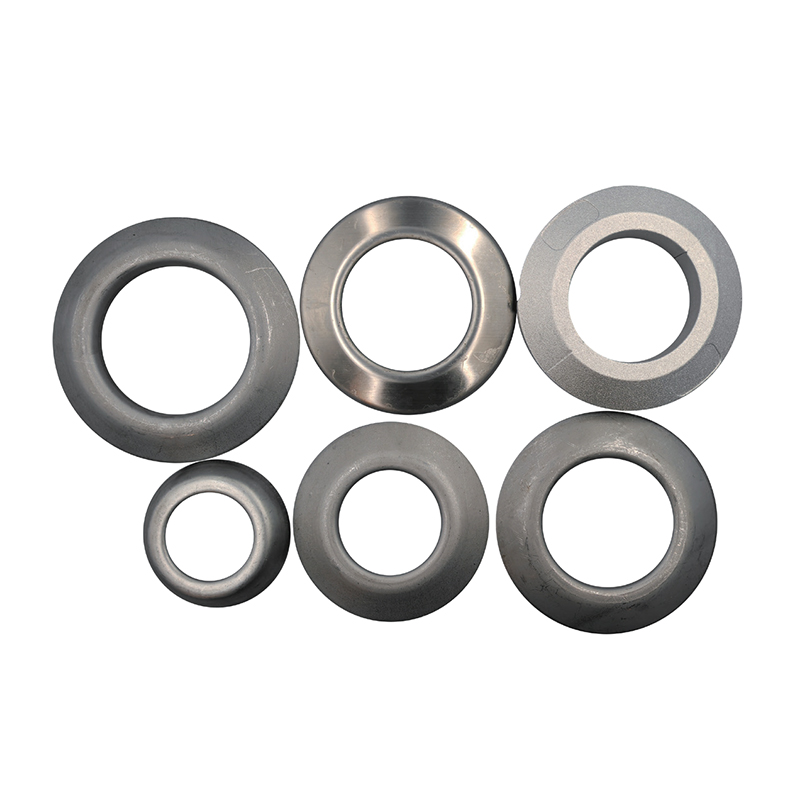 Axial Retaining Ring for Conveyor Roller Shaft PositioningThis compact ring keeps bearings and caps correctly seated on the shaft, preventing axial drift and wear. Designed to match cap seat tolerances, it supports reliable operation in continuous conveyor systems.View Product →
Drive and Specialized End Caps for Powered Rollers
On powered conveyors, the drive-side cap does double duty: it supports the bearing and transmits torque from the drive train. Sprocket caps, pulley caps, and O-belt caps must be manufactured with tighter tolerances, because the alignment of the drive element directly affects chain and belt wear.
Chain wheels used in these assemblies are matched to the pitch and tooth profile of the conveying chain, and we regularly supply chain wheels together with roller end cap seats as a matched set. This approach removes a common source of field problems: mismatched drive components that look interchangeable but are not.
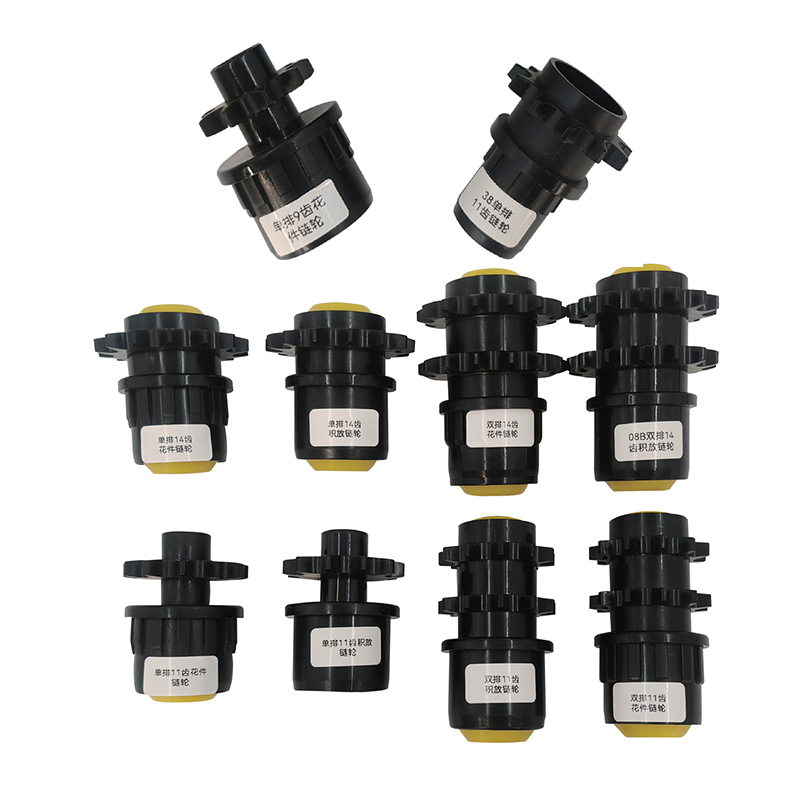 Chain Wheel for Conveyor Drive Transmission SystemsSized to mate with specific chain pitch and tooth profiles, this wheel enables synchronized power transfer. Supplied as a matched set with end cap seats to avoid field mismatches in powered roller lines.View Product →
If a roller is going to run in a powered line, we recommend specifying the drive cap at the same time as the idler cap. Doing so avoids the situation where the idler end is well protected while the drive end becomes the first component to fail.
How to Specify the Right Conveyor Roller End Cap
Here is a practical checklist that we use with customers when they are selecting end caps for a new line or for a replacement program:
- Define the load and speed. Heavier loads require a thicker cap wall and a stronger bearing seat.
- Confirm the shaft and tube dimensions. The cap must match the inner diameter of the roller tube and the outer diameter of the shaft or bearing.
- Identify the operating environment. Temperature, humidity, dust, and cleaning agents all affect material choice.
- Decide how the roller will be serviced. Snap-in or bolt-on caps make bearing replacement faster than pressed caps.
- Treat the drive side separately. Powered rollers need drive caps matched to the chain or belt being used.
- Provide a drawing or sample. Even a rough sketch helps our engineering team confirm the fit before production.
Bring your roller tube diameter, shaft diameter, and a sample if you have one. Our engineering team will confirm the fit quickly and recommend the cap design that matches your production volume.
End Caps Across Industries
Conveyor roller end caps are a cross-industry component. In logistics and warehousing, they keep sortation conveyors running around the clock. In food and beverage facilities, plastic end caps withstand wash-down chemicals without rusting. In pharmaceutical lines, smooth plastic surfaces are easy to keep clean and do not shed particles. Tobacco plants, tire manufacturing facilities, and airport ground service baggage systems all depend on the same principle: a properly capped roller keeps the line moving.
Because our factory serves more than twenty industries across China and international markets, we keep a broad library of standard tooling for end caps and related roller fittings. That experience means even a new cap design can move from drawing to production surprisingly fast.
When a conveyor roller stops turning, the entire line feels it. Choosing the right end cap is a small but decisive step toward reliable operation, lower maintenance cost, and longer roller life. If you are new to specifying these parts, an overview of industrial conveyor components and why they matter can help you frame the whole system before you dive into cap selection. And if you are already designing your next conveyor, send us your drawings. We will recommend an end cap material, design, and production approach that fits your line.
Related products
-
-
 Roller End Cap Plastic Seat
Definition and Structural Characteristics The Open Plastic Seat is a terminal su...
-
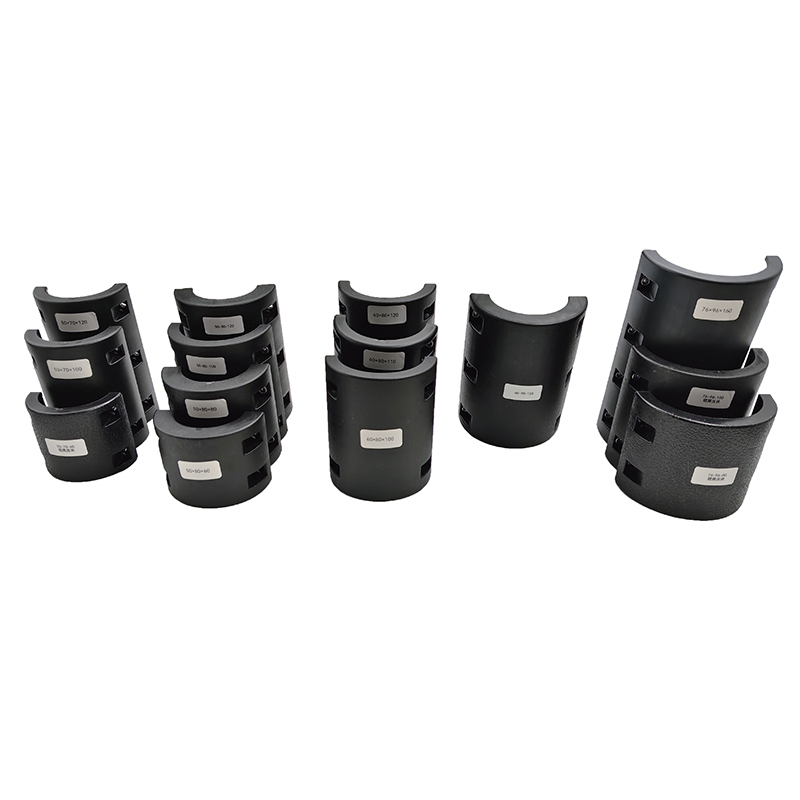 Roller Straight Sleeve
The Roller Straight Sleeve is a functional covering component installed on the o...
-
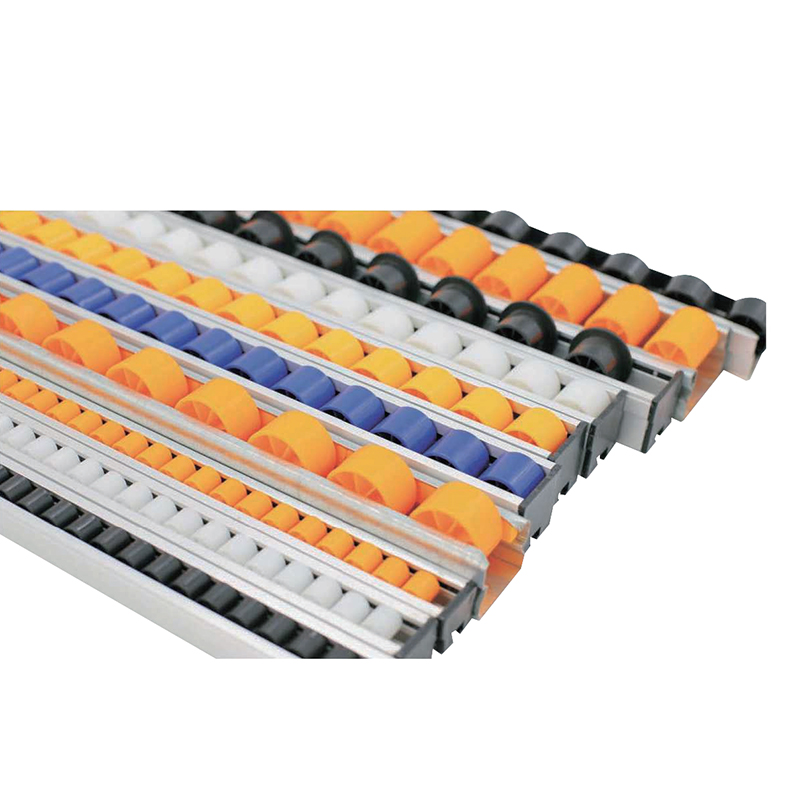 Conveyor Flow Bar
The conveyor flow bar is a rolling component designed for gravity-driven or assi...
-
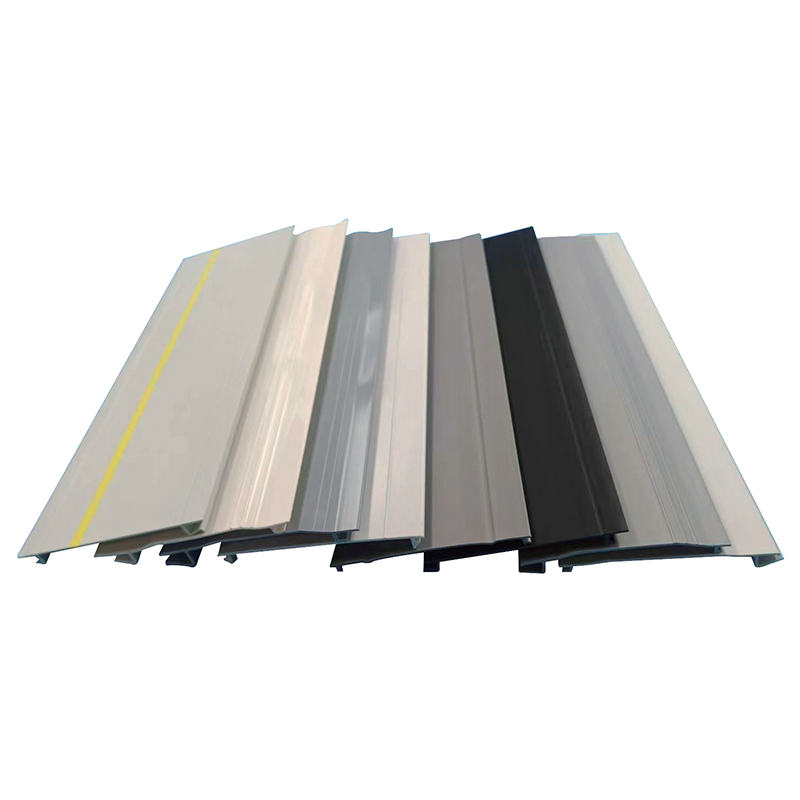 Conveyor Sealing Plate
The conveyor sealing plate is a side enclosure component designed for conveyor e...
-
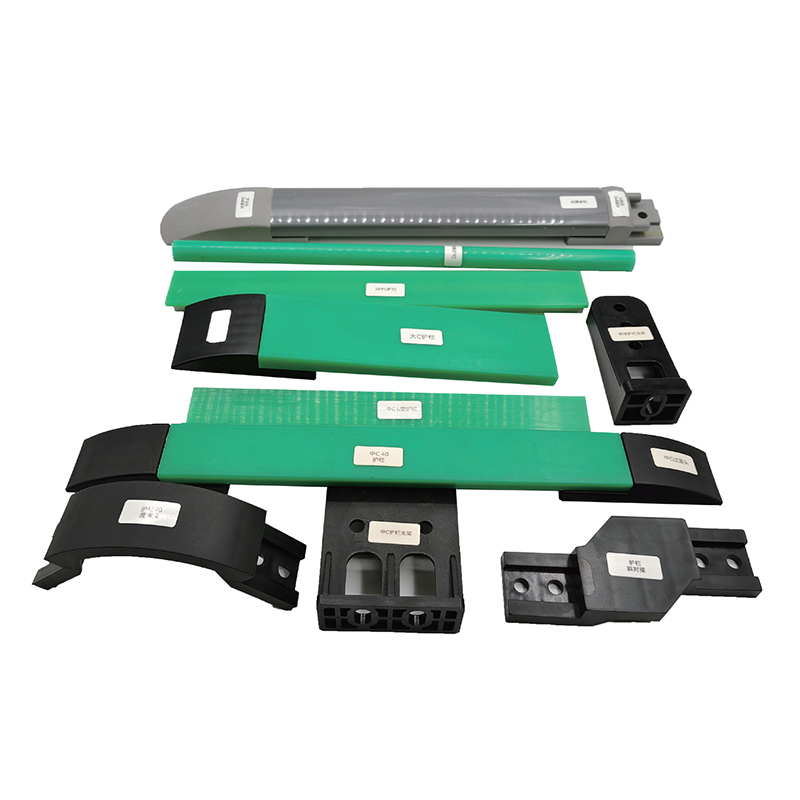 Conveyor Guardrail
The conveyor guardrail is a modular protective structure installed along the per...


+86-13250912999
Huzhou Nanxun Guan's Plastic Industry Co., Ltd.
Email: [email protected]
Address: Building 8, North Zone, Dehao Industrial Park, Linghu Town, Nanxun District, Huzhou City, Zhejiang Province, China
Navigation
Products
About us
Copyright © Huzhou Nanxun Guan's Plastic Industry Co., Ltd.
All Rights Reserved.
 Privacy
Wholesale Plastic Conveyor Parts Manufacturers
Privacy
Wholesale Plastic Conveyor Parts Manufacturers