
 English
 中文简体
中文简体 русский
 Español
Definition and Structural Characteristics The Open Plastic Seat is a terminal su...

Industry News
Home / News / Industry News / Plastic Roller End Caps: Applications, Selection Criteria, and Practical Guidance
Plastic Roller End Caps: Applications, Selection Criteria, and Practical Guidance
Author: admin / 2026-09-24
Content
Plastic roller end caps rarely get the spotlight in conveyor design, but they are among the most quietly important components on a live line. They keep the bearing zone clean, hold the roller in the frame, lower running noise, and stop debris from creeping into rotating parts. When the wrong cap is chosen, maintenance teams feel it in unplanned downtime, extra spare parts, and unnecessary safety checks. This guide covers what plastic roller end caps do, which materials they are made from, how to select them, and how they fit into the roller assembly.
What Are Plastic Roller End Caps?
At the most basic level, a plastic roller end cap is a molded component that closes the open end of a conveyor roller tube. In most conveyor layouts, the cap does not work alone. It sits at the junction between the roller tube, the bearing, the shaft, and the frame, so it affects how the whole assembly behaves. Four roles matter most:
- Axial retention — the cap holds the roller in position and prevents sideways movement under load.
- Bearing protection — it shields the bearing and shaft journal from dust, moisture, and product residue.
- Noise reduction — a correctly fitted cap reduces vibration and metal-to-metal contact at the end of the roller.
- Safety and finish — it covers sharp metal edges and gives the conveyor a cleaner look.
Some end caps are molded together with the frame-mounting base to create a single plastic seat. This one-piece design is common on medium-duty conveyor lines where fast assembly and consistent alignment matter more than on-site adjustability.
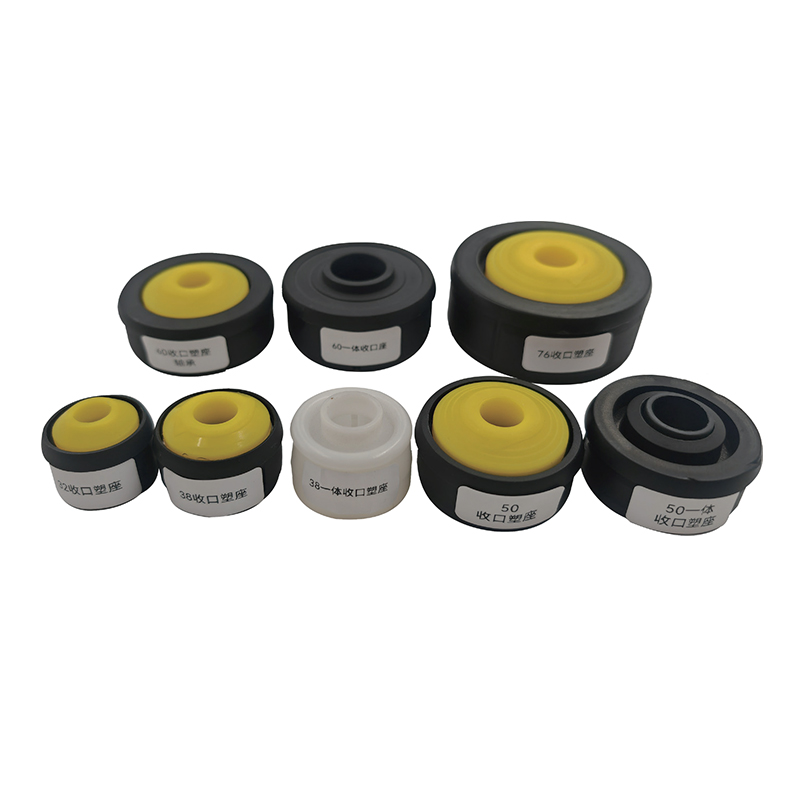 One-Piece Roller End Cap with Integrated SeatThis plastic end cap combines the cap and frame-mounting seat into a single molded part, simplifying assembly and alignment on medium-duty conveyors while providing sealing and corrosion resistance.View Product →
The combined cap-and-seat part removes one assembly step and keeps replacement simple.
Common Materials for Plastic Roller End Caps
Material choice is just as important as geometry. End caps have to hold their shape over thousands of hours of running, absorb temperature swings, and often survive washdowns or chemical exposure.
| Material | Key properties | Typical applications |
|---|---|---|
| PE (polyethylene) | Impact resistance, chemical resistance, low cost | General-duty conveyors, moist environments |
| PP (polypropylene) | Lightweight, fatigue resistance, low friction | Light-to-medium roller conveyors |
| PA (nylon) | High strength, excellent wear resistance | Heavy-duty rollers, frequent start-stop lines |
| ABS | Rigid, dimensionally stable, good surface quality | Precision caps, moderate load applications |
| PVC | Corrosion resistance, matches PVC roller tubes | Dedicated PVC pipe roller systems |
Each material has a clear role. For a standard logistics line that runs dry and clean, PE offers the best balance of cost and toughness. For a food facility that washes down every shift, a chemical-resistant grade is usually the better fit. For heavy loads and continuous operation, nylon delivers the longest service life.
It also pays to check how the cap material interacts with the roller sleeve, retaining ring, and seat. Mixing incompatible materials can cause uneven wear, noise, or difficult disassembly. When in doubt, stay within one supplier's matched component family.
Key Types and Configurations
Conveyor builders approach roller ends in several ways. The right configuration is a trade-off between cost, assembly speed, and maintainability.
End-Cap Plastic Seats
A single-piece end-cap seat combines the cap and the frame-mounting base. It suits standard line sections where all rollers share the same frame dimensions, because it reduces part count and speeds up installation.
Separate Caps with Retaining Rings
On rollers that need scheduled bearing access, a separate cap and retaining ring are often the preferred configuration. The ring locks the bearing and shaft axially, while the cap keeps contamination out of the bearing pocket. If the cap is damaged, it can be swapped without removing the retaining ring.
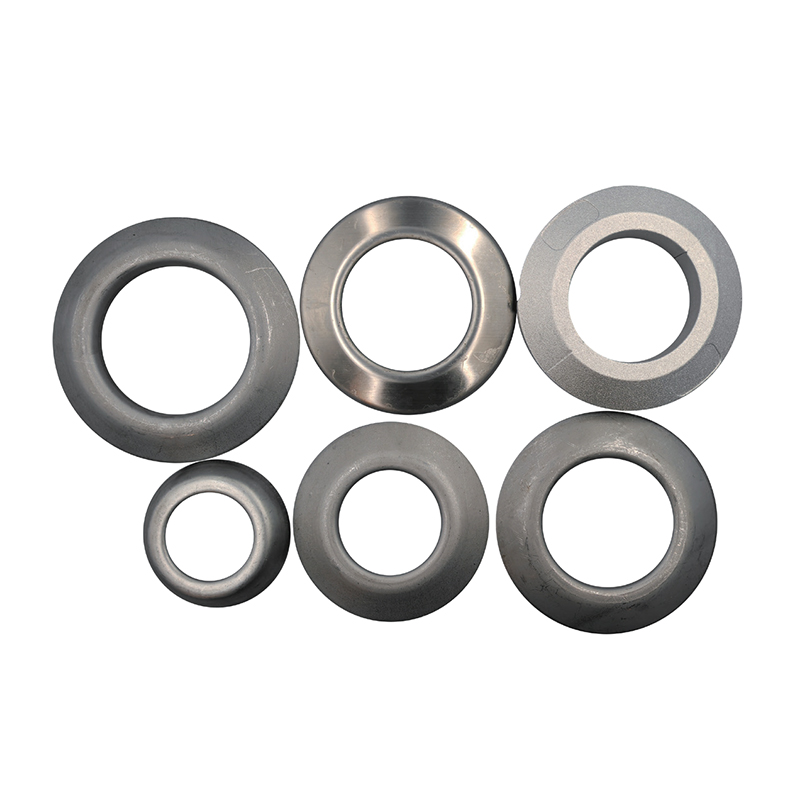 Roller Retaining Ring for Axial PositioningA separate retaining ring locks the bearing and shaft axially, allowing the cap to be replaced without removing the ring. It is ideal for rollers that need scheduled bearing access.View Product →
Caps Matched with Roller Sleeves
Some conveyor designs add a sleeve over the roller tube to protect the tube surface or adjust the roller diameter. In those assemblies, the end cap profile must match the sleeve so that the cap, sleeve, and seat line up correctly.
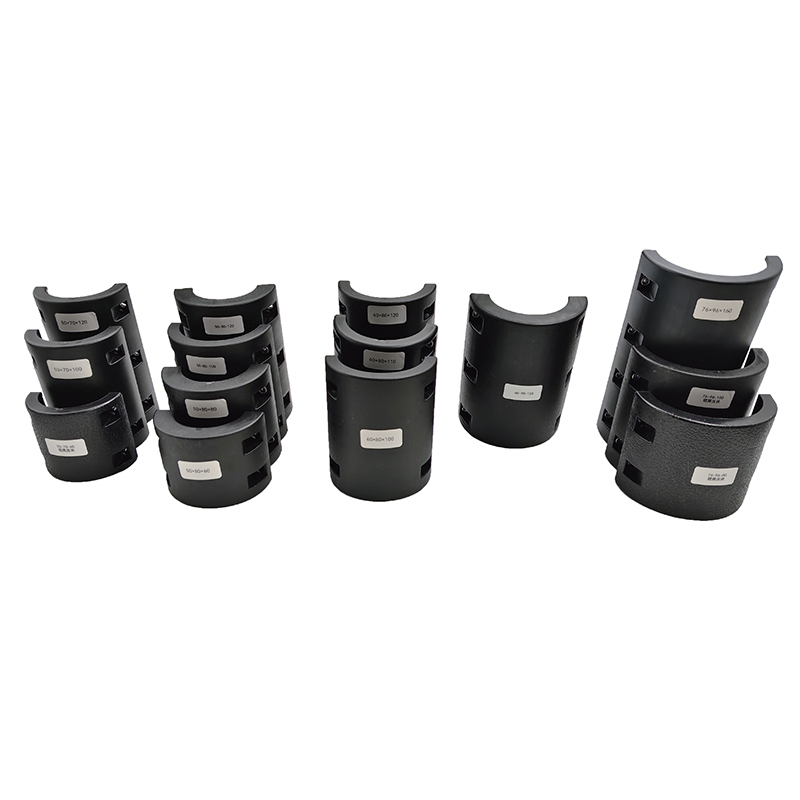 Replaceable Roller Straight SleeveThis straight sleeve fits over the roller tube to protect its surface or adjust diameter, ensuring correct alignment with matched end caps and supporting easy maintenance without full roller replacement.View Product →
Whichever configuration is chosen, the goal stays the same: keep the roller running true, keep contamination out, and keep future maintenance simple.
How to Select the Right Plastic Roller End Cap
To select the right end cap, start with the roller itself and work outward:
- Roller tube diameter and wall tolerance — the cap must fit the actual inner diameter without excessive clearance or interference.
- Shaft diameter and bearing type — confirm that the cap accommodates the bearing and shaft arrangement.
- Working environment — consider temperature, moisture, dust, chemicals, and washdown frequency.
- Load and speed — heavier loads and higher speeds require stronger materials and tighter tolerances.
- Maintenance access — decide whether the cap should be quickly removable or can be a permanent press fit.
Beyond the cap itself, look at the whole roller fittings group. End caps, seats, sleeves, retaining rings, and pulleys all work as one system. Our conveyor roller fittings series covers the full set of roller components, so every part can be matched from a single source.
For a deeper comparison of roller fitting types and materials, the roller fittings selection guide offers a practical reference for engineers and procurement teams.
Installation and Maintenance
End caps look simple, but installation quality determines the life of the assembly. These steps are typical for press-fit plastic end caps:
- Clean the roller tube end and check the inner diameter for burrs or deformation.
- Verify the cap orientation, especially if the part has locating features or a keyway.
- Press the cap in with uniform force, or tap it around the outer rim with a soft hammer.
- Fit the retaining ring if the design requires axial locking.
- Rotate the roller by hand to confirm smooth movement before reinstalling it in the frame.
Field teams often ask what to do when an end cap will not come off. Most stuck caps come from over-tight press fits, surface corrosion, or heat-softened material. Even heat and a soft drift usually solve it. If caps seize repeatedly, a service-friendly cap-and-seat design may be better.
Routine maintenance is also straightforward:
- Inspect caps quarterly for cracks, deformation, or loosening.
- Keep cap surfaces free of product buildup to avoid balance issues.
- Replace the cap and any worn retaining ring whenever the bearing is replaced.
- Use cleaning agents that are compatible with the cap material.
Industry Applications
Plastic roller end caps appear in almost every industry that runs roller conveyor systems. The key is to match cap material and configuration to the operating environment.
| Industry | Key requirement | How the end cap helps |
|---|---|---|
| Logistics and warehousing | Continuous operation, low noise | Smooth molded surfaces reduce noise and wear |
| Pharmaceutical | Clean surfaces, no contamination pockets | Sealed cap design protects the bearing pocket |
| Food and beverage | Moisture resistance and washdown capability | Chemical-resistant materials tolerate cleaning agents |
| Tire manufacturing | Heavy loads and abrasive conditions | Impact-resistant, high-strength materials extend service life |
| Airport ground services | Long runtimes, predictable maintenance | Modular cap-and-seat systems speed up replacement |
In every case, the end cap does more than close a tube — it is part of the line's reliability plan.
Why Work with an Experienced Roller Component Manufacturer
We have manufactured plastic components for conveying systems since 2006. Today we run three production bases in Zhejiang and Jiangsu provinces plus a laser cutting workshop, and we turn out tens of millions of parts every year. That scale brings consistent quality, stable supply, and flexibility for both serial production and spare-part orders.
Because we make the whole roller component family under one roof — caps, seats, sleeves, retaining rings, chain wheels, pulleys, flow bars, and more — customers can source matched components without mixing suppliers. That simplifies quality control and keeps material behavior consistent across the conveyor line.
Our team has worked with customers in logistics, pharmaceutical, food and beverage, warehousing, tire, tobacco, and airport ground support industries. Over the years we have learned that small parts deserve the same engineering discipline as large structures. That is why every plastic roller end cap we ship is molded, inspected, and packed with the production line in mind.
Plastic roller end caps may be small, but they carry a large share of a conveyor's reliability. Choosing the right material, the right configuration, and the right manufacturing partner will show up in lower maintenance hours and longer equipment life. If you are designing a new line or restocking spare parts, start with the roller end — and build from there.
Related products
-

-
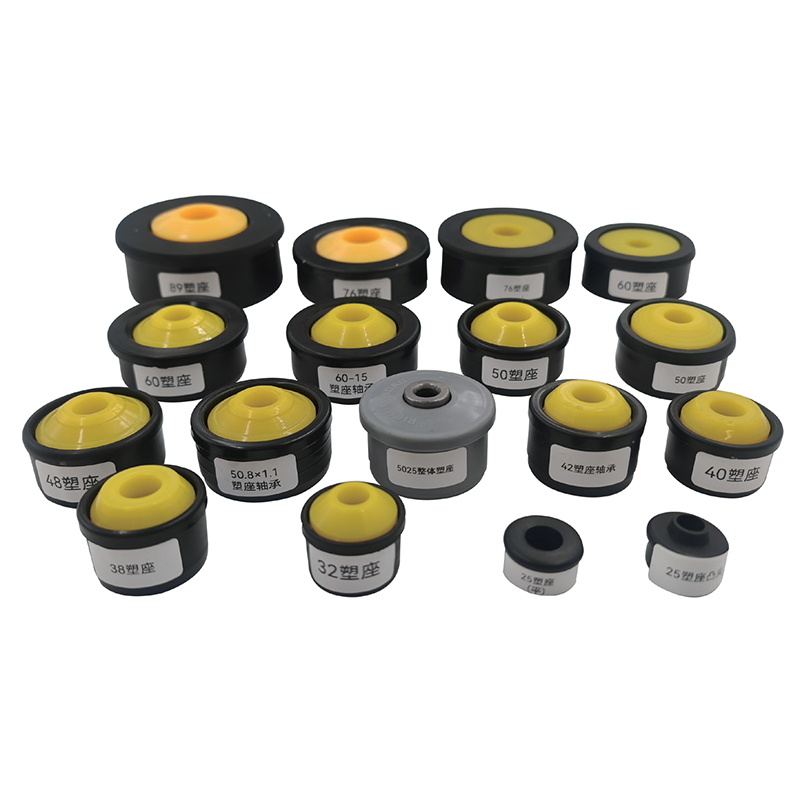 Roller Non-end Cap Plastic Seat
The roller open-end plastic seat is a plastic structural component used for supp...
-
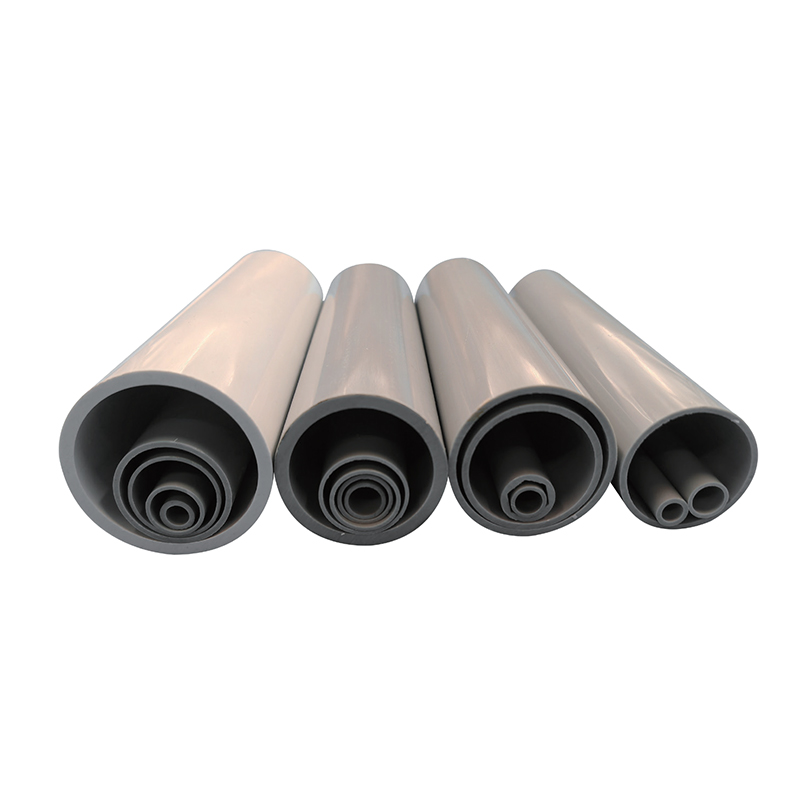 Roller PVC Plastic Pipe
The PVC Plastic Pipe for Rollers is an outer sleeve applied to the surface of ro...
-
 Roller Straight Sleeve
The Roller Straight Sleeve is a functional covering component installed on the o...
-
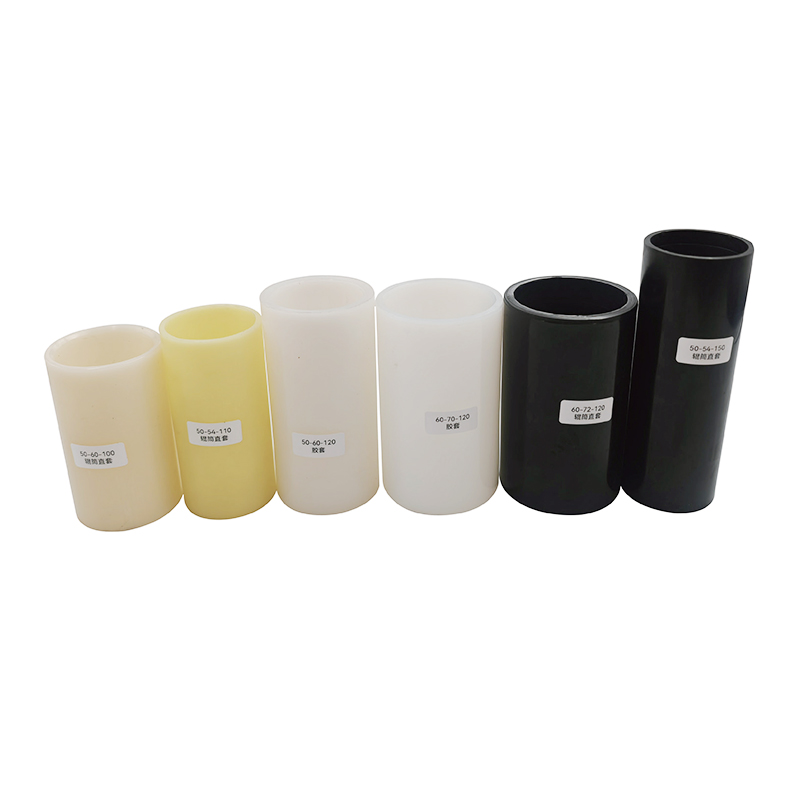 Roller Sleeve
ROLLER SLEEVE is manufactured from precision tube materials, utilizing CNC machi...
-
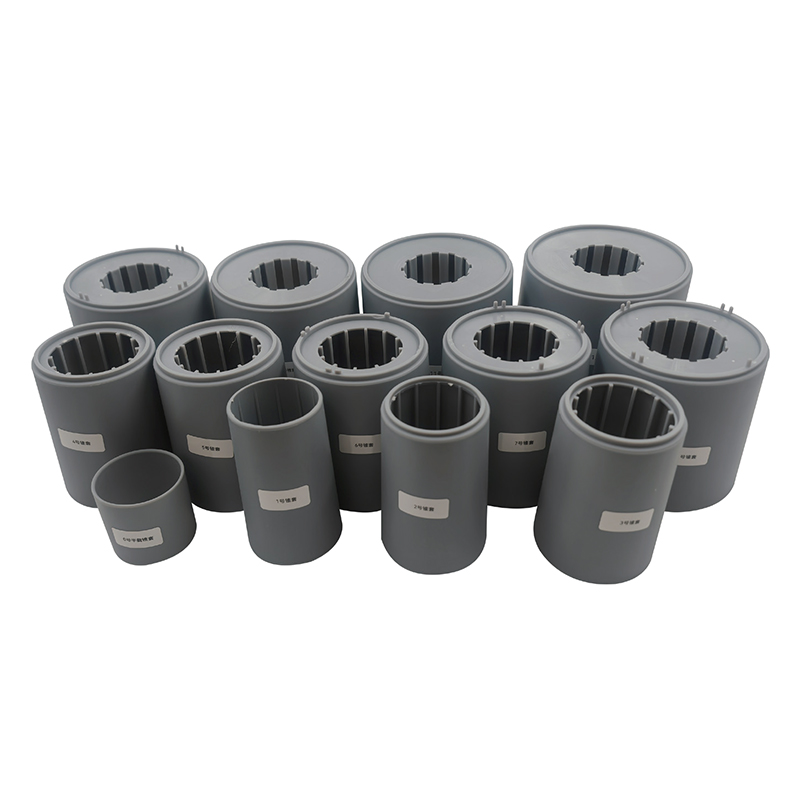 Roller Cone Sleeve
The Roller Cone Sleeve is a mechanical connecting component used in roller drive...


+86-13250912999
Huzhou Nanxun Guan's Plastic Industry Co., Ltd.
Email: [email protected]
Address: Building 8, North Zone, Dehao Industrial Park, Linghu Town, Nanxun District, Huzhou City, Zhejiang Province, China
Navigation
Products
About us
Copyright © Huzhou Nanxun Guan's Plastic Industry Co., Ltd.
All Rights Reserved.
 Privacy
Wholesale Plastic Conveyor Parts Manufacturers
Privacy
Wholesale Plastic Conveyor Parts Manufacturers