
 English
 中文简体
中文简体 русский
 Español
This series of conveyor roller bearings offers 14 standard models suitable for l...

Industry News
Home / News / Industry News / Choosing the Best Plastic Skate Wheel Bearing for Industrial Conveyor Systems
Choosing the Best Plastic Skate Wheel Bearing for Industrial Conveyor Systems
Author: admin / 2026-08-26
Content
Choosing the right plastic skate wheel bearing is not a generic purchasing decision. In gravity or powered conveyor lines, this small component carries the weight of each roller and directly influences line speed, noise, and maintenance intervals. When a bearing collapses or wears unevenly, the entire roller stops turning, which causes product jams and unexpected downtime. The good news is that a properly selected plastic skate wheel bearing can run for years with minimal attention. This article explains the real factors that matter when specifying one, so you can match the bearing to your application instead of accepting a one-size-fits-all part.
What a Plastic Skate Wheel Bearing Does in a Conveyor
A skate wheel bearing is a rotary component that fits inside a plastic wheel or roller. It allows the wheel to turn around a fixed shaft while supporting a load. In conveyor systems, these bearings appear in flow bars, roller tracks, and transfer units. They reduce rolling resistance, so product weight moves with less force. They also keep the wheel aligned with the shaft, which prevents wobble and uneven wear.
Plastic skate wheel bearings are especially common in environments where metal corrosion is a concern. Food processing lines, pharmaceutical plants, and warehouses with high humidity often prefer non-metal components. The plastic housing does not rust, and many engineering plastics have good self-lubricating properties. That means the bearing can continue to run in a standard roller without frequent greasing or replacement.
Because the company behind this article has manufactured plastic conveyor components for more than two decades, the configurations described below are based on real production experience across logistics, pharmaceutical, beverage, and other industries.
Selecting by Load and Speed
The first step in choosing a plastic skate wheel bearing is to define the load and speed conditions. The bearing must handle both static load from stationary products and dynamic load when products move over the roller. If the load exceeds the bearing's rating, the plastic housing may deform or crack. This creates friction and eventually stops the wheel.
Speed matters too. In a powered conveyor, the roller spins continuously. High-speed operation generates heat, which can soften some plastics and affect the bearing's dimensional stability. For most manual or gravity conveyor lines, speed is low enough that standard plastic bearings work well. For powered lines, you need to match the bearing design to the actual roller speed.
A typical mistake is to select a bearing based only on wheel diameter. Roll diameter and shaft size are important, but the bearing contact surface also determines how much load it can carry. A larger contact area spreads the load and reduces pressure per unit area. If your conveyor carries heavy boxes or metal parts, look for a bearing with a wider race or a multi-ball configuration.
Bearing Configurations for Skate Wheel Applications
Plastic skate wheel bearings come in a few practical configurations. The differences affect how the wheel behaves under load, how it handles side forces, and how easy it is to install or replace. The following table gives a quick comparison.
| Configuration | Typical Use | Key Advantage |
|---|---|---|
| Standard skate wheel bearing | Gravity rollers, small-diameter wheels | Compact, simple to replace |
| With-pearl skate wheel bearing | Rollers that need smoother rotation | Multiple balls distribute load |
| Beaded omnidirectional wheel | Curved or transfer sections | Allows movement in multiple directions |
The standard skate wheel bearing has a simple structure. It is usually a plastic ring with a bore that accepts the roller shaft. Inside, a single row of balls or rollers helps reduce rotational friction. This format is best for straightforward gravity roller sections where loads are moderate and the roller does not need to change direction.
For a basic industrial application, you can review the design of a standard skate wheel bearing to see how the housing and ball arrangement support a smooth rotation.
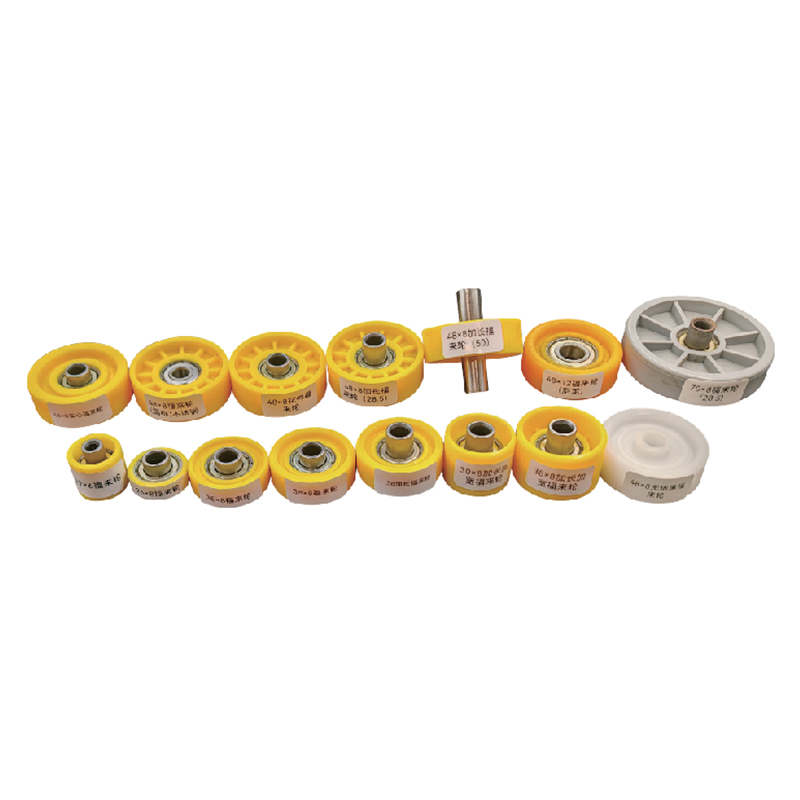 Conveyor Roller Bearings for Light to Medium Duty SystemsThis series offers 14 standard models in various structural types, with inner diameters of 5mm or 8mm, suitable for assembly and maintenance in belt conveyors, roller conveyors, and packaging lines.View Product →
With-Pearl Skate Wheel Bearing
A with-pearl skate wheel bearing adds loose plastic or ceramic balls between the outer ring and the wheel hub. This gives a more even load distribution across the rotation path. It also reduces the amount of surface contact, which can lower friction and noise. This configuration is useful when rollers run at higher speeds or when you need a quieter line than a basic plastic bearing can provide.
If your conveyor runs continuously and carries fragile products, a with-pearl skate wheel bearing may be the better choice.
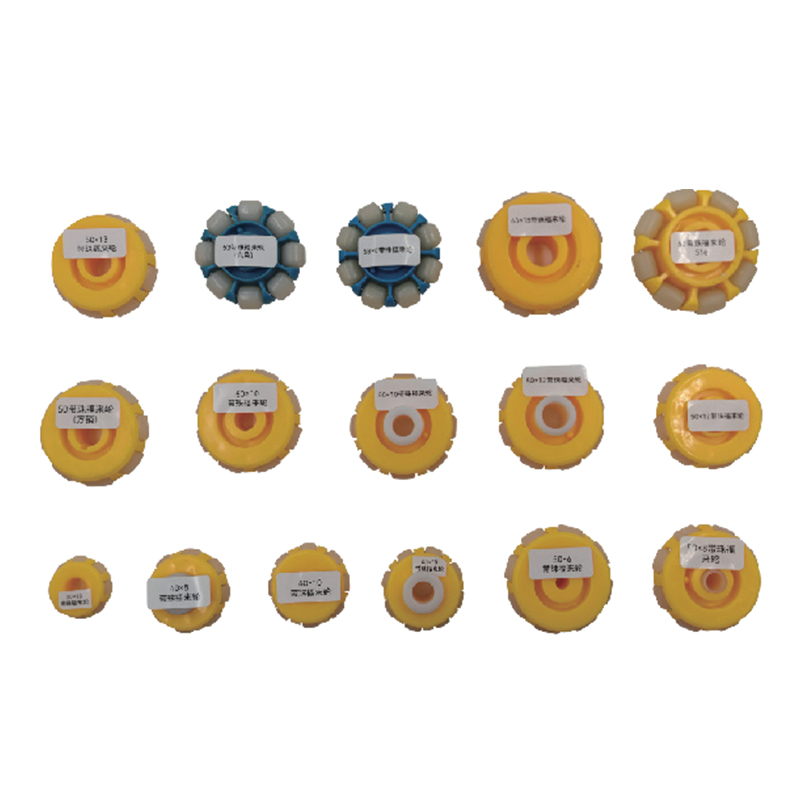 Integrated Bearing Skate Wheel for Multi-Angle MovementThe integrated bearing caster features a multi-layer ball bearing system for omnidirectional rotation, reducing motion resistance and supporting smooth, low-friction mobility in industrial applications.View Product →
Beaded Omnidirectional Wheel
A beaded omnidirectional wheel is different. Instead of a fixed axial bore, it has a spherical or multidirectional design that lets the wheel turn not only on its shaft but also change the direction of travel. These wheels are used at transfer points, curve sections, and in pallet handling units where products need to be moved sideways or rotated.
For transfer sections in a logistics center, a beaded omnidirectional wheel can provide the flexibility that a conventional roller cannot.
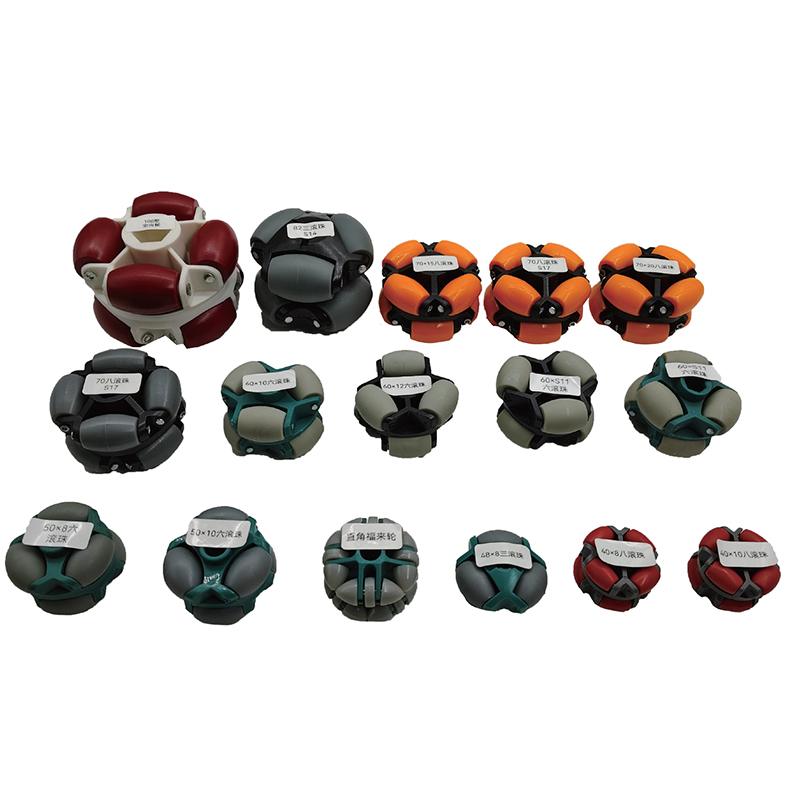 Multi-Directional Beaded Wheel for Flexible ConveyingThe beaded omnidirectional wheel uses multiple independently rotating beads to enable free movement in various directions, aiding in material transfer and positioning without powered drive.View Product →
Environmental and Chemical Considerations
The working environment is a decisive factor in plastic bearing selection. In food and beverage plants, components may be washed with aggressive detergents and sanitizing agents. In pharmaceutical manufacturing, chemical resistance and the absence of metal corrosion are often mandatory. Among the materials typically used for plastic bearings, polyoxymethylene (POM) and polyamide (PA) offer good wear resistance and mechanical strength. Polypropylene (PP) can also be used when chemical resistance is more important than load capacity.
Temperature is another consideration. Most standard plastics become brittle at very low temperatures and soften at very high temperatures. If your conveyor operates near an oven or in a cold storage area, you need to check the material's operating range. The bearing's housing and balls must both be rated for the same temperature band, or the assembly will fail.
Humidity also affects bearing performance. Some plastics absorb moisture, which changes their dimensions slightly. In a high-humidity environment, choose a bearing with a low water absorption material to avoid dimensional drift that could make the wheel bind on the shaft.
Mounting, Fit, and Tolerances
A bearing that is the wrong size or shape will cause problems even if the load and speed are acceptable. Fit is critical. The bearing outer diameter must match the wheel's inner hole, while the inner bore must match the shaft. A loose fit lets the bearing wobble, which can lead to rollout or vibration. A tight fit can cause the plastic to deform during installation.
In practice, manufacturers use standard tolerances for plastic parts, and these tolerances are wider than those used for metal bearings. Plastic expands and contracts with moisture and temperature. Therefore, when selecting a bearing, you should ask the manufacturer for the actual tolerance range and check it against your roller design.
The shaft is another common source of failure. A shaft with scratches or burrs can gouge the plastic bearing bore and make it wear quickly. A smooth, polished shaft is important for the bearing to reach its lifecycle. In a replacement situation, always inspect the shaft surface before installing a new bearing.
Why Plastic Instead of Metal
Choosing a plastic skate wheel bearing over a metal one is not always about cost. It is often about performance. Plastic bearings are significantly lighter, which reduces the weight of moving conveyor parts. They are quieter in operation because plastic against metal or plastic against plastic produces less noise than metal-on-metal contact.
Plastic also has natural lubricity. Many engineering plastics can run without adding extra grease, which is important in cleanroom environments or food processing lines where oil contamination is prohibited. Metal bearings usually require a lubricant, and that lubricant can attract debris or leak onto products.
However, metal bearings still have an edge in extreme loads and high temperatures. If your conveyor handles heavy metal parts in a hot environment, a plastic bearing may not be enough. In most moderate industrial conditions, though, plastic bearings are a reliable and cost-effective solution.
Practical Summary
To specify a plastic skate wheel bearing, start with the three key numbers: static load per wheel, roller speed, and the maximum ambient temperature. Then match the bearing configuration to your roller design. Standard bearings are fine for simple gravity lines. With-pearl bearings offer smoother operation for powered conveyors. Beaded omnidirectional wheels are the only sensible choice for transfer sections that need directional change.
Finally, remember to check the shaft condition and choose a material that suits your environment. When you do this, the bearing will not be the weak link in your conveyor line. A well-selected plastic skate wheel bearing can deliver consistent performance for many years, and it will save you time and money in maintenance.
Related products
-

-
 With Pearl Skate Wheel Bearing
The skate wheel with ball bearings (integrated bearing caster) is an industrial ...
-
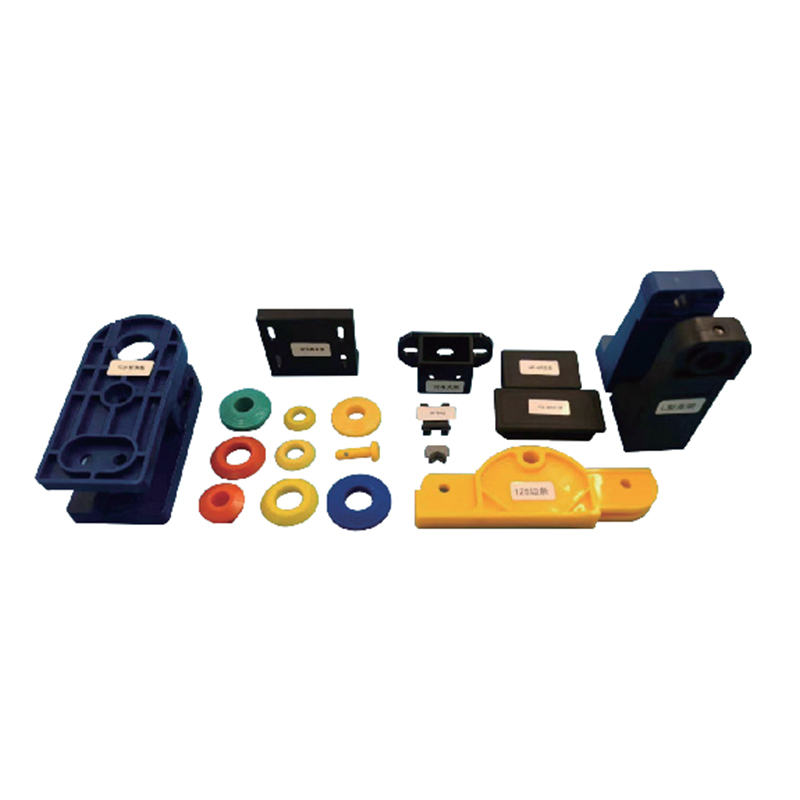 Conveyor Accessories
Conveyor accessories are a collection of functional components designed for indu...
-
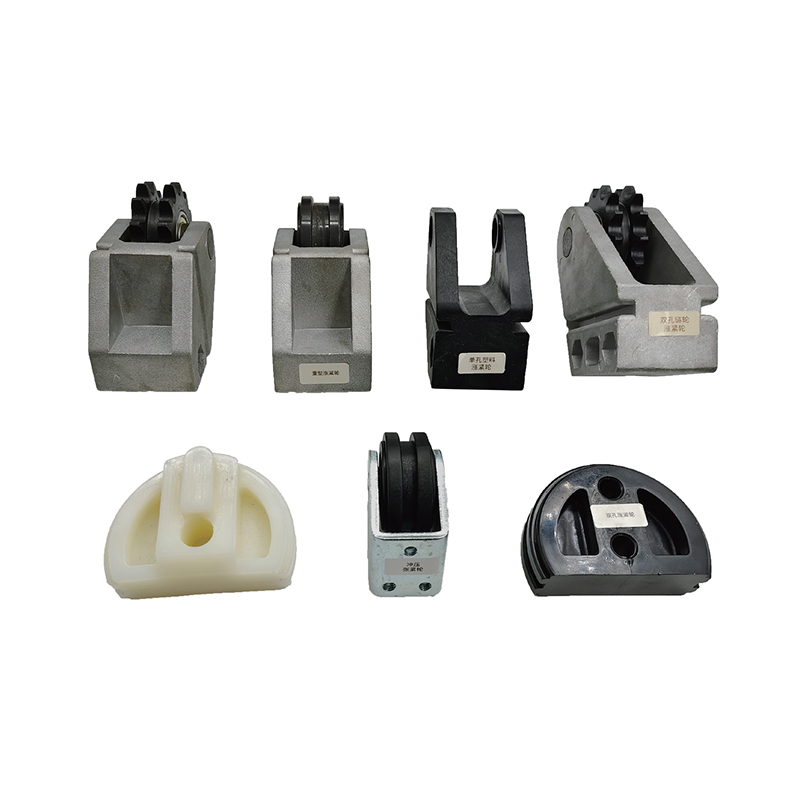 Chain Conveyor Tension Wheel
The chain conveyor tension wheel is a tension adjustment device used in chain dr...
-
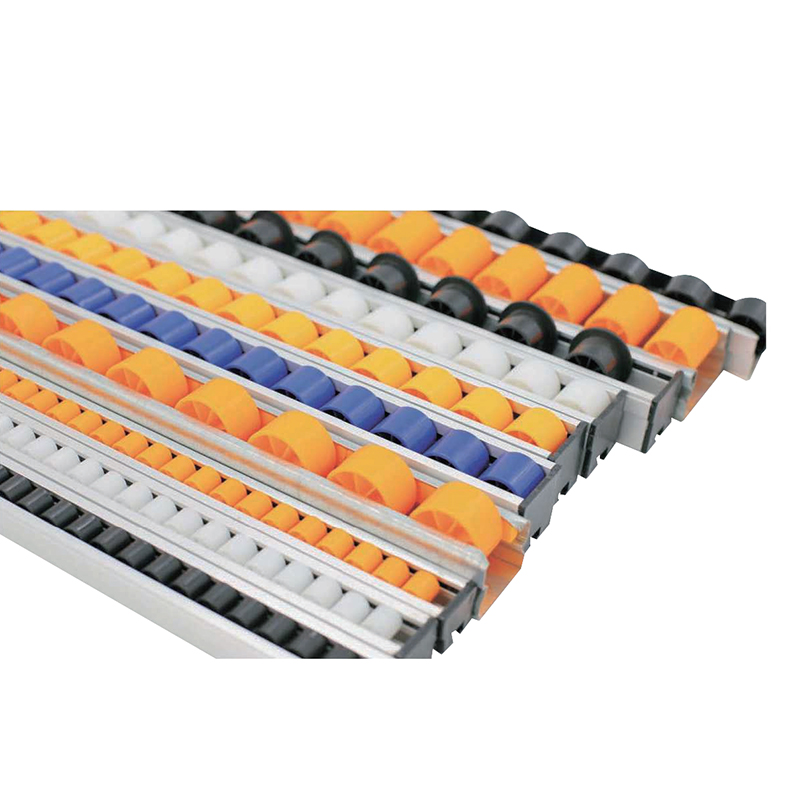 Conveyor Flow Bar
The conveyor flow bar is a rolling component designed for gravity-driven or assi...
-
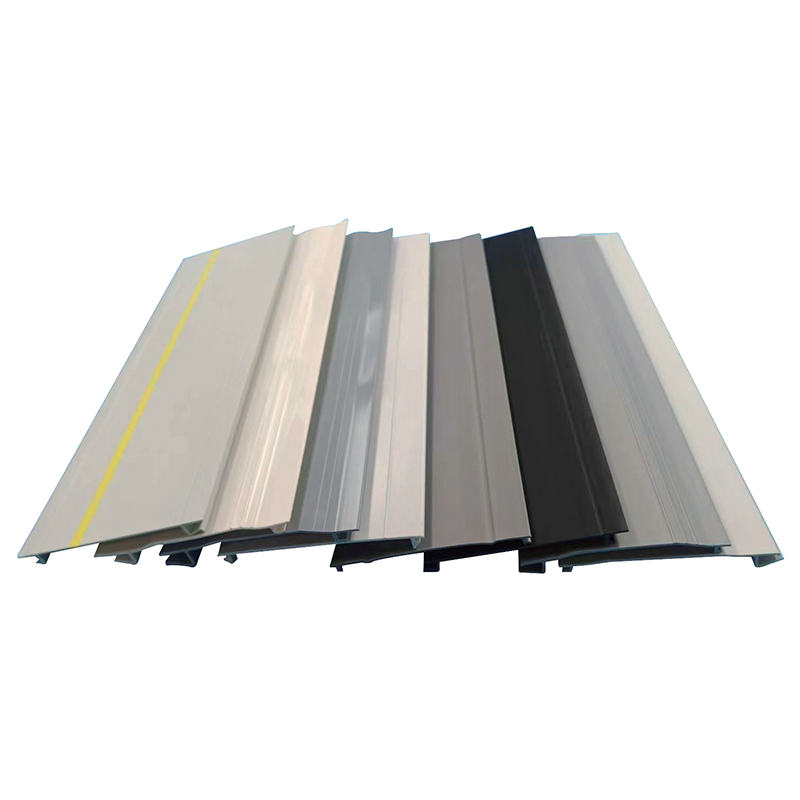 Conveyor Sealing Plate
The conveyor sealing plate is a side enclosure component designed for conveyor e...


+86-13250912999
Huzhou Nanxun Guan's Plastic Industry Co., Ltd.
Email: [email protected]
Address: Building 8, North Zone, Dehao Industrial Park, Linghu Town, Nanxun District, Huzhou City, Zhejiang Province, China
Navigation
Products
About us
Copyright © Huzhou Nanxun Guan's Plastic Industry Co., Ltd.
All Rights Reserved.
 Privacy
Wholesale Plastic Conveyor Parts Manufacturers
Privacy
Wholesale Plastic Conveyor Parts Manufacturers