
 English
 中文简体
中文简体 русский
 Español
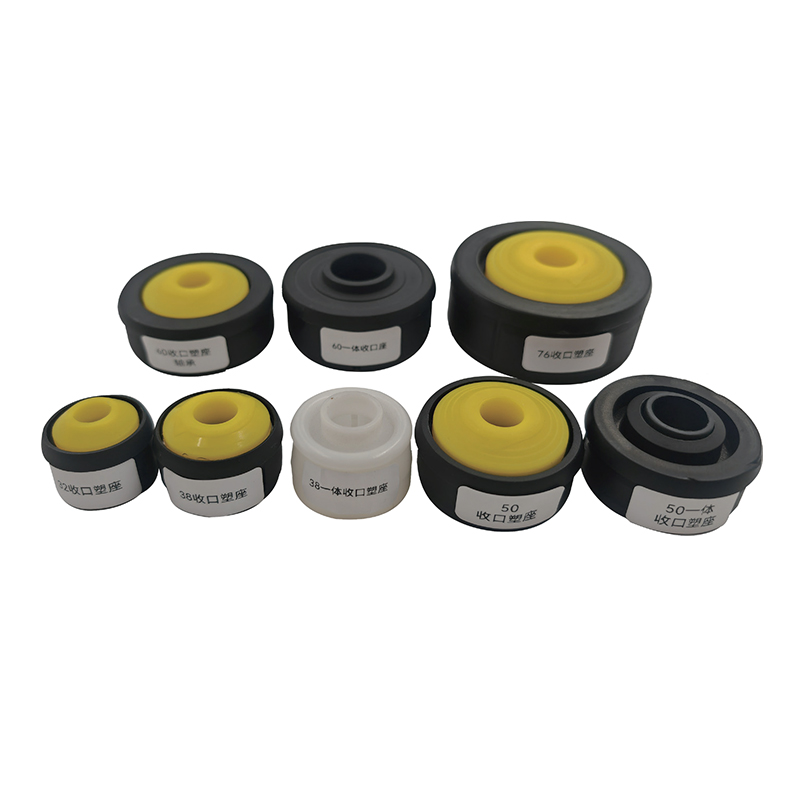
Definition and Structural Characteristics The Open Plastic Seat is a terminal su...

Industry News
How Are Plastic Roller Brackets Made? Injection Molding Guide
Author: admin / 2026-08-19
Content
- 1 The Dominant Process: Injection Molding for Plastic Roller Brackets
- 2 Step by Step: The Plastic Injection Molding Process for Small Components
- 3 How Are Custom Plastic Parts Made? Design to Production
- 4 What Affects the Quality of Injection Molded Parts
- 5 Improving Dimensional Accuracy of Plastic Components
- 6 Injection Molded Plastic Parts for Industrial Applications
- 7 The Broader Plastic Component Manufacturing Process
The Dominant Process: Injection Molding for Plastic Roller Brackets
Nearly all high-volume plastic roller brackets are manufactured by injection molding. The process forces molten thermoplastic into a precisely machined steel mold under high pressure, typically 50–150 MPa. Within seconds, the material cools and solidifies into the bracket shape, and the mold opens to eject the finished part. This cycle repeats every 15–45 seconds, depending on wall thickness and material, yielding consistent parts at a per-unit cost that can drop to $0.30–1.50 for standard glass-filled nylon brackets in large quantities.
Alternative processes like machining from stock shapes or 3D printing do exist, but they cannot match the combination of speed, surface finish, and mechanical properties that injection molding provides for a component that must hold a bearing to tight tolerances. The entire plastic component manufacturing process for a bracket revolves around the mold, the material selection, and the molding parameters.
Step by Step: The Plastic Injection Molding Process for Small Components
The plastic injection molding process for small components like roller brackets follows a tightly controlled sequence designed to produce dimensionally stable parts. First, resin pellets—often nylon 6 with 30% glass fiber—are dried to a moisture content below 0.15% to prevent hydrolysis and splay marks. The dried material is fed into a heated barrel where it melts at 240–290°C, depending on the polymer. A rotating screw then injects the melt into the clamped mold.
Inside the mold, the plastic fills the cavity, packing additional material under holding pressure to compensate for shrinkage. For a bracket with a 2 mm wall thickness, holding pressure is typically maintained for 5–10 seconds, followed by cooling for another 10–20 seconds. Once the part temperature drops below the material's heat deflection point, the mold opens and ejector pins push the bracket out. The sprue and runner system—if using a cold runner—is trimmed and often reground for reuse.
- Material drying and feeding: reduces moisture-related defects.
- Melt plastication: screw rotation and heater bands bring polymer to uniform melt temperature.
- Injection and packing: fills the cavity and minimizes sink marks and voids.
- Cooling and ejection: solidifies the part and releases it from the mold.
How Are Custom Plastic Parts Made? Design to Production
The path from a concept to a finished batch of custom injection molding parts starts with a 3D CAD model and a thorough design for manufacturability review. For a roller bracket, critical features include the bearing bore diameter—often held to ±0.03 mm—and the mounting hole positions relative to the bore. Prototypes are frequently produced via CNC machining or additive manufacturing to validate form and fit before investing in a steel mold that can cost $10,000–$50,000 depending on complexity and number of cavities.
Once the mold is cut, a first-article inspection confirms that the molded part matches the CAD model. Adjustments to gate location, cooling line placement, or process parameters are common. After approval, the mold moves to production, where it may run for 500,000 to over 1 million cycles with proper maintenance. This is the core of custom injection molding parts manufacturing for industrial clients: a one-time mold investment followed by repeatable, low-cost part production.
| Method | Typical Tolerance | Volume Suitability | Relative Cost per Part |
|---|---|---|---|
| Injection Molding | ±0.03–0.10 mm | High (1,000–1,000,000+) | Low |
| CNC Machining | ±0.05–0.10 mm | Low–Medium (1–500) | High |
| 3D Printing (SLS/FDM) | ±0.15–0.30 mm | Prototyping or very low volume | Medium–High |
What Affects the Quality of Injection Molded Parts
Answering what affects the quality of injection molded parts involves four interdependent areas: material preparation, mold condition, process consistency, and part design. Inconsistent moisture content in nylon pellets leads to brittle parts and visible splay. Mold temperature that deviates by as little as 10°C can change the crystallinity of the polymer in the gate area, altering the bracket's stiffness. Worn mold cavities increase flash and dimensional variation. Process parameters such as injection speed and holding pressure must be maintained within narrow windows; a drop in holding pressure of 10 MPa can cause sink marks around the bearing bore.
Data from production monitoring reveals that over 60% of quality defects in injection molded industrial parts stem from either improper drying or inconsistent mold temperature control. Regular preventive maintenance on the mold—cleaning vents, checking ejector pin alignment—and using in-line cavity pressure sensors can reduce the rejection rate from a typical 1–2% to below 0.5% in a mature process.
Improving Dimensional Accuracy of Plastic Components
To improve dimensional accuracy of plastic components like roller brackets, controlling shrinkage is the central challenge. Semi-crystalline materials such as nylon shrink by 1.0–2.0% upon cooling, while amorphous materials like polycarbonate shrink only 0.5–0.7%. The mold must be cut larger by the expected shrinkage factor, but variations in wall thickness, gate freeze-off time, and cooling rate can cause non-uniform contraction. Uniform wall thickness—ideally 2–3 mm throughout the bracket—is the single most effective design rule for accuracy.
Process controls also make a measurable difference. Maintaining melt temperature within ±2°C and packing pressure within ±3 MPa from shot to shot keeps the part weight consistent, which correlates directly to dimensions. In one study of a glass-filled nylon bracket, stabilizing the post-molding cooling environment to 20°C ±1°C reduced bore diameter variation by 35% compared to parts cooling at room ambient. Additionally, a post-molding annealing step—heating the parts to 80°C for two hours—can relieve internal stresses and stabilize dimensions for precision assemblies.
Injection Molded Plastic Parts for Industrial Applications
Injection molded plastic parts for industrial applications extend far beyond roller brackets. Material handling systems use glass-filled nylon flanged wheels molded with integral bearings. Packaging machinery incorporates acetal linkages and cams that operate without external lubrication for millions of cycles. The common thread is the ability to produce complex, multi-functional geometries in a single shot, eliminating secondary assembly. A conveyor idler bracket can now include the bearing housing, a mounting flange, and a snap-fit dust cover all from one mold, reducing part count from three to one.
The trend in custom injection molding parts manufacturing is toward higher levels of integration and in-mold assembly. Overmolding a thermoplastic elastomer seal onto a rigid nylon bracket in one tool is increasingly common, providing an IP65 seal without separate gaskets. This level of integration demands careful control of the plastic component manufacturing process, from the sequencing of injection units to the precise alignment of the rotating core.
The Broader Plastic Component Manufacturing Process
While injection molding dominates, a complete view of the plastic component manufacturing process includes several alternative methods. Extrusion produces continuous profiles that are cut to length for roller covers or guide rails. Rotational molding creates large, hollow parts like tanks, unsuitable for small brackets but relevant for complete conveyor housings. Thermoforming shapes thin sheets into covers and guards. For small brackets, however, the unmatched precision and repeatability of injection molding make it the standard, with an estimated 90% of all plastic roller brackets produced by this method.
Selecting the right manufacturing partner means verifying their capability to control the injection process tightly and maintain tooling. Shops with scientific molding capabilities—using in-cavity sensors and documented process windows—consistently deliver parts with better dimensional accuracy and lower scrap rates than those relying solely on operator experience.
Related products
-
-
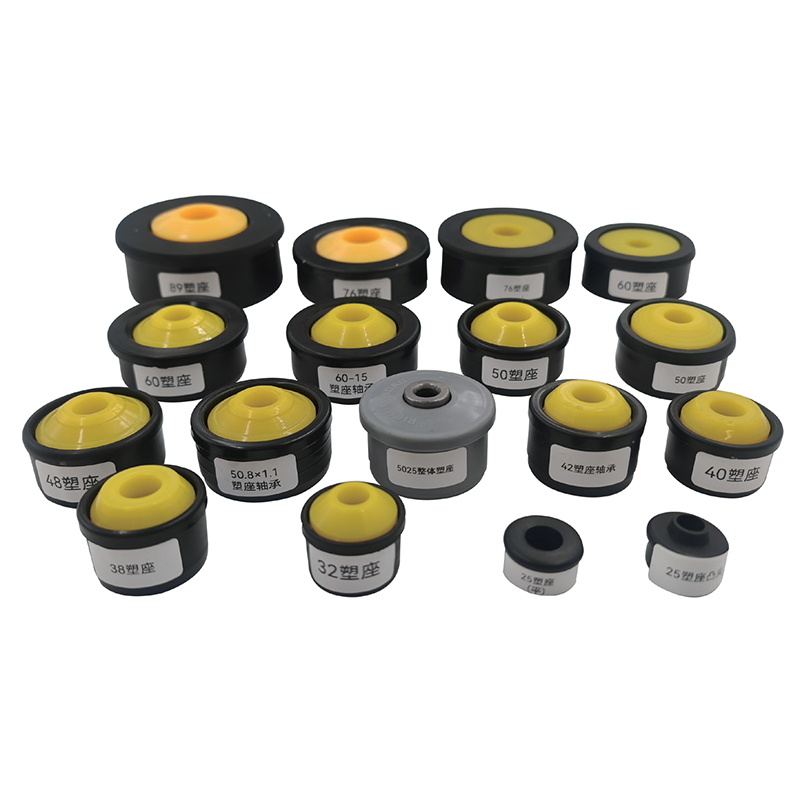 Roller Non-end Cap Plastic Seat
The roller open-end plastic seat is a plastic structural component used for supp...
-
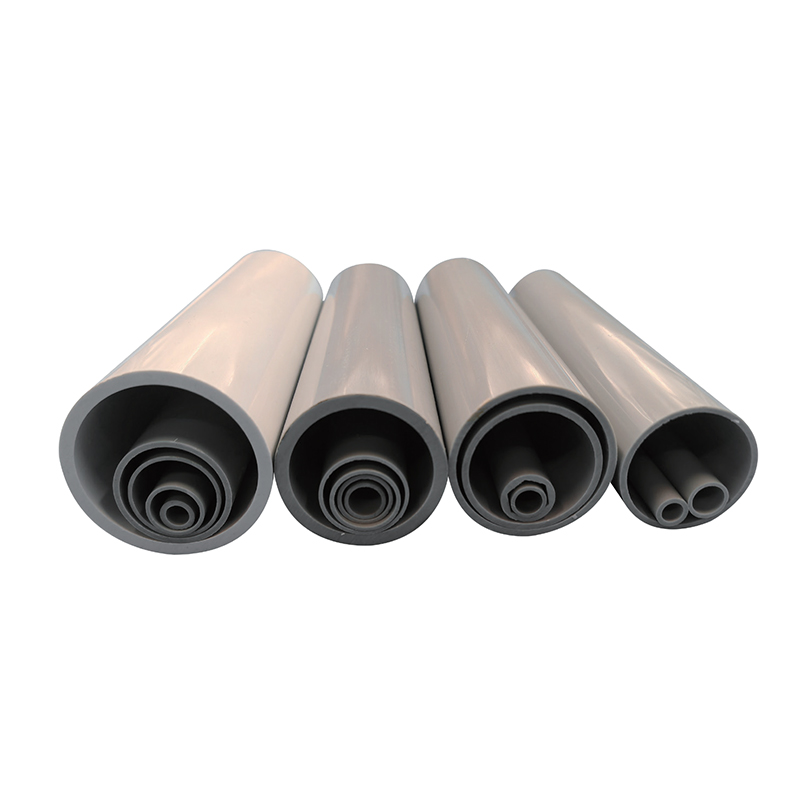 Roller PVC Plastic Pipe
The PVC Plastic Pipe for Rollers is an outer sleeve applied to the surface of ro...
-
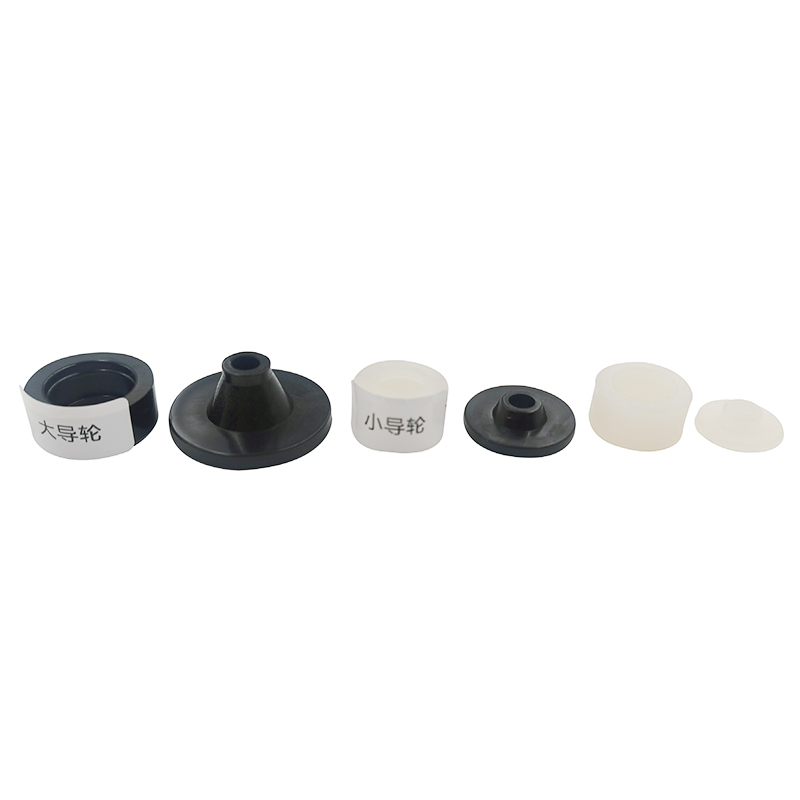 Roller Guide Wheel
The guide wheel serves as a critical directional component in industrial conveyi...
-
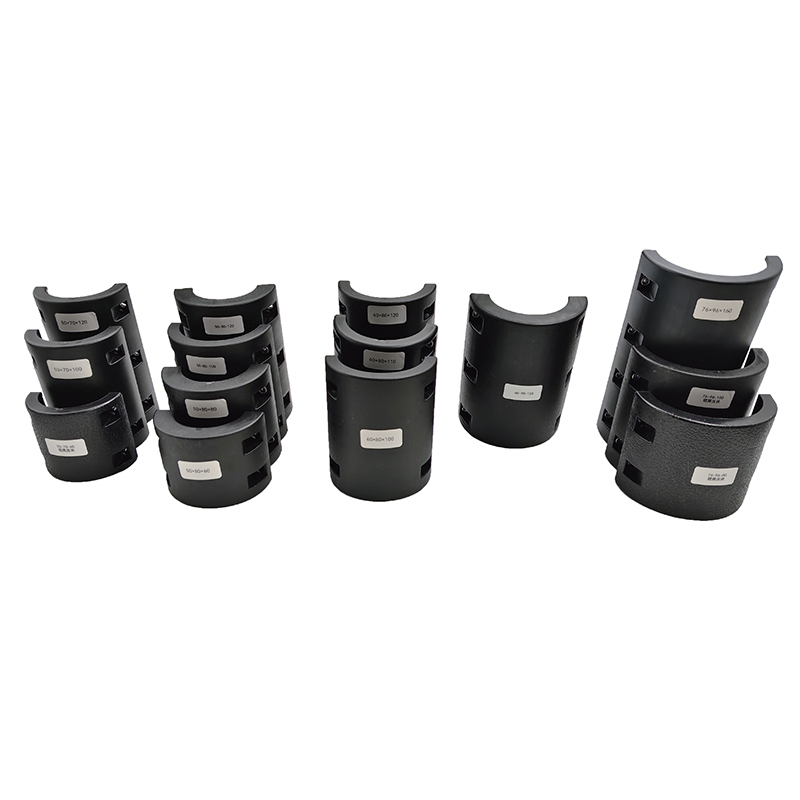 Roller Straight Sleeve
The Roller Straight Sleeve is a functional covering component installed on the o...
-
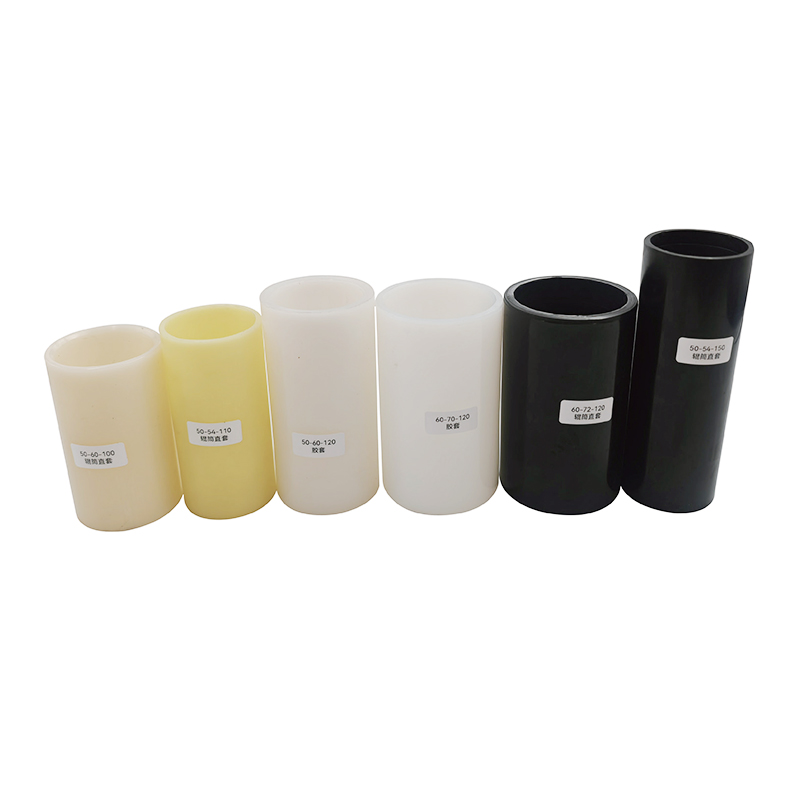 Roller Sleeve
ROLLER SLEEVE is manufactured from precision tube materials, utilizing CNC machi...


+86-13250912999
Huzhou Nanxun Guan's Plastic Industry Co., Ltd.
Email: [email protected]
Address: Building 8, North Zone, Dehao Industrial Park, Linghu Town, Nanxun District, Huzhou City, Zhejiang Province, China
Navigation
Products
About us
Copyright © Huzhou Nanxun Guan's Plastic Industry Co., Ltd.
All Rights Reserved.
 Privacy
Wholesale Plastic Conveyor Parts Manufacturers
Privacy
Wholesale Plastic Conveyor Parts Manufacturers