
 English
 中文简体
中文简体 русский
 Español
The conveyor sealing plate is a side enclosure component designed for conveyor e...

Industry News
Conveyor Sealing Plates: Selection & Dust Control Guide
Author: admin / 2026-08-05
Content
- 1 Conveyor Sealing System Selection
- 2 Conveyor Dust Seal Material Options
- 3 UHMW Conveyor Sealing Plate
- 4 Conveyor Skirt Rubber vs Plastic
- 5 Conveyor Sealing Strip Selection
- 6 Wear-Resistant Conveyor Components
- 7 Conveyor Maintenance Solutions
- 8 Conveyor Belt Dust Protection
- 9 Conveyor Liner Material Selection
- 10 Factors Affecting Conveyor Sealing Performance
How to Choose a Conveyor Sealing Plate
Conveyor sealing plates form the barrier between the moving belt and the conveyor frame at loading and transfer points, preventing bulk material — dust, fines, spillage — from escaping the belt edges where containment matters most for cleanliness, safety, and material loss prevention. Selecting the right sealing plate comes down to matching material wear resistance, belt speed, material abrasiveness, and mounting configuration to the specific conveyor application, since a mismatch on any of these factors typically shows up as premature wear, poor sealing performance, or unnecessary belt wear from an overly aggressive seal.
Sealing plates work alongside skirt rubber and sealing strips as part of a complete belt-edge sealing system, and while these components are sometimes evaluated individually, effective dust and spillage control generally depends on the whole system being matched consistently rather than optimizing any single component in isolation.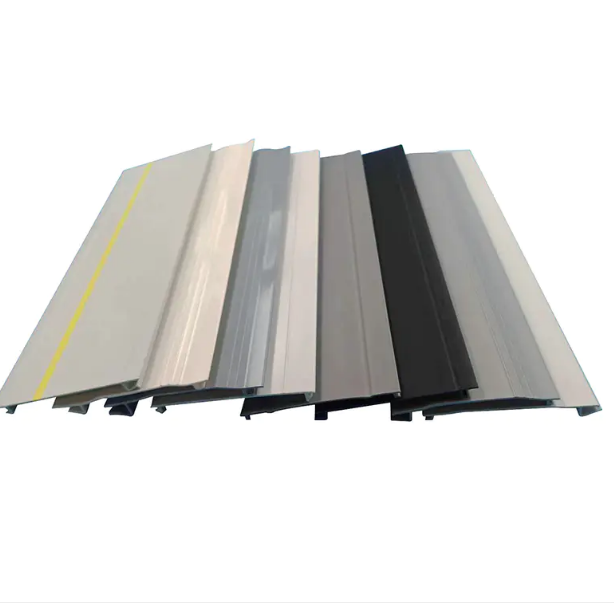
Conveyor Sealing System Selection
- Assess material abrasiveness and particle size, since fine, sharp, or highly abrasive materials wear sealing components faster than coarse, non-abrasive bulk materials
- Confirm belt speed, since higher speeds increase both wear rate on sealing components and the mechanical demands on the sealing system's mounting and adjustment mechanisms
- Evaluate loading point impact conditions, since heavy material drop height and impact force affect both sealing plate durability and belt tracking
- Match sealing plate material to expected wear life and maintenance access for the specific conveyor location
- Confirm mounting and adjustment compatibility with the existing conveyor frame and skirt board configuration
Conveyor Dust Seal Material Options
| Material | Characteristics |
|---|---|
| UHMW polyethylene | Excellent abrasion resistance, low friction, common for sealing plates and liners |
| Rubber skirting | Flexible, conforms to belt surface irregularities, good for dust and spillage sealing at the belt edge |
| Urethane | Good abrasion and tear resistance, often used for sealing strips requiring flexibility with durability |
| Ceramic-lined components | Extreme abrasion resistance for the most demanding high-wear locations |
UHMW Conveyor Sealing Plate
UHMW (ultra-high molecular weight) polyethylene is one of the most widely specified materials for conveyor sealing plates because it combines excellent abrasion resistance with a naturally low coefficient of friction against the belt surface, reducing wear on both the sealing plate itself and the belt it contacts. This low-friction characteristic matters significantly for belt longevity, since a sealing plate that generates excessive friction against the belt's underside or edge can accelerate belt wear and increase the power required to drive the conveyor, working against the very purpose the sealing plate is meant to serve.
Why UHMW performs well here
UHMW's molecular structure gives it exceptional resistance to abrasive wear compared to standard polyethylene or many metals, while remaining self-lubricating enough that it doesn't require additional lubrication to maintain low-friction contact with the belt over extended service life.
Conveyor Skirt Rubber vs Plastic
Skirt rubber offers superior conformability to belt surface irregularities, while plastic (typically UHMW) sealing components offer superior wear resistance and lower friction over extended service life. Rubber's flexibility allows it to maintain contact with a belt surface that isn't perfectly flat or that has minor surface irregularities, sealing effectively even when contact pressure and surface contour vary slightly along the belt's length or across its width.
| Factor | Rubber Skirting | Plastic (UHMW) |
|---|---|---|
| Conformability | Higher, flexes to match belt surface | Lower, more rigid |
| Wear resistance | Lower than UHMW under abrasive conditions | Higher, especially against abrasive fines |
| Friction against belt | Higher | Lower, self-lubricating characteristic |
| Best suited for | Irregular belt surfaces, general dust sealing | High-abrasion material handling, longer service life needs |
Many conveyor sealing systems combine both materials strategically — using rubber skirting for its conformability at the immediate belt-edge contact point, paired with a UHMW backing plate or wear strip that provides structural support and long-term durability, capturing the practical advantages of each material where they matter most within the sealing assembly.
Conveyor Sealing Strip Selection
Sealing strips run along the belt edge at loading and transfer points, and selection depends on balancing sealing effectiveness against belt wear — a strip pressed too firmly against the belt seals more effectively but accelerates both belt and strip wear, while one that's too loose allows dust and fines to escape past the seal. Adjustable sealing strip systems allow ongoing compensation for wear, letting maintenance personnel periodically adjust contact pressure as the strip wears down, rather than requiring full replacement at the first sign of reduced sealing performance.
Wear-Resistant Conveyor Components
Beyond sealing plates and skirting specifically, conveyor systems handling abrasive bulk materials rely on a broader set of wear-resistant components — chute liners, impact beds, and transfer point wear plates — all selected using similar logic around material abrasiveness, impact energy, and expected service life before replacement. Matching wear-resistant material selection to the specific abrasiveness and impact conditions at each location along the conveyor, rather than specifying a single material uniformly across the entire system, typically produces better cost efficiency, since the most demanding locations justify premium wear-resistant materials while less demanding sections can use more economical options.
Conveyor Maintenance Solutions
Effective conveyor sealing maintenance combines scheduled inspection with a proactive replacement or adjustment approach, rather than waiting for visible dust escape or spillage to prompt action — by that point, wear has often progressed significantly, and belt or frame damage from prolonged material escape may have already begun. Adjustable sealing systems that allow periodic tightening as components wear extend the useful service life of sealing plates and strips considerably compared to fixed, non-adjustable installations, reducing overall replacement frequency and associated downtime.
Conveyor Belt Dust Protection
Dust protection on a conveyor system serves both an operational purpose — preventing material loss and reducing housekeeping burden — and a safety and regulatory purpose, since airborne dust from bulk material handling can create respiratory hazards, combustible dust risks in certain material types, and visibility issues around the conveyor line. A well-sealed transfer and loading point significantly reduces airborne dust generation at the source, which is generally more effective and lower-maintenance than relying solely on downstream dust collection systems to manage dust that's already escaped into the surrounding environment.
Conveyor Liner Material Selection
Conveyor liner material — used in chutes, hoppers, and transfer points where bulk material impacts and slides against fixed surfaces — follows selection logic similar to sealing plate material, weighing abrasion resistance, impact resistance, and friction characteristics against the specific material being handled. Higher-impact locations, such as directly beneath a loading chute, often warrant impact-resistant liner materials distinct from the lower-impact, higher-sliding-wear liner materials appropriate for chute walls where material primarily slides rather than impacts directly.
Factors Affecting Conveyor Sealing Performance
- Belt surface condition: wear, damage, or splice irregularities on the belt itself can compromise sealing regardless of sealing component quality
- Sealing contact pressure: too little allows material escape; too much accelerates both belt and sealing component wear
- Material characteristics: particle size, moisture content, and abrasiveness all affect how well a given sealing system performs
- Belt speed and tracking: higher speeds and poor belt tracking both increase wear and reduce sealing consistency
- Maintenance frequency and adjustment practices: even well-selected sealing components underperform without regular inspection and adjustment as wear progresse
Related products
-
-
 Conveyor Guardrail
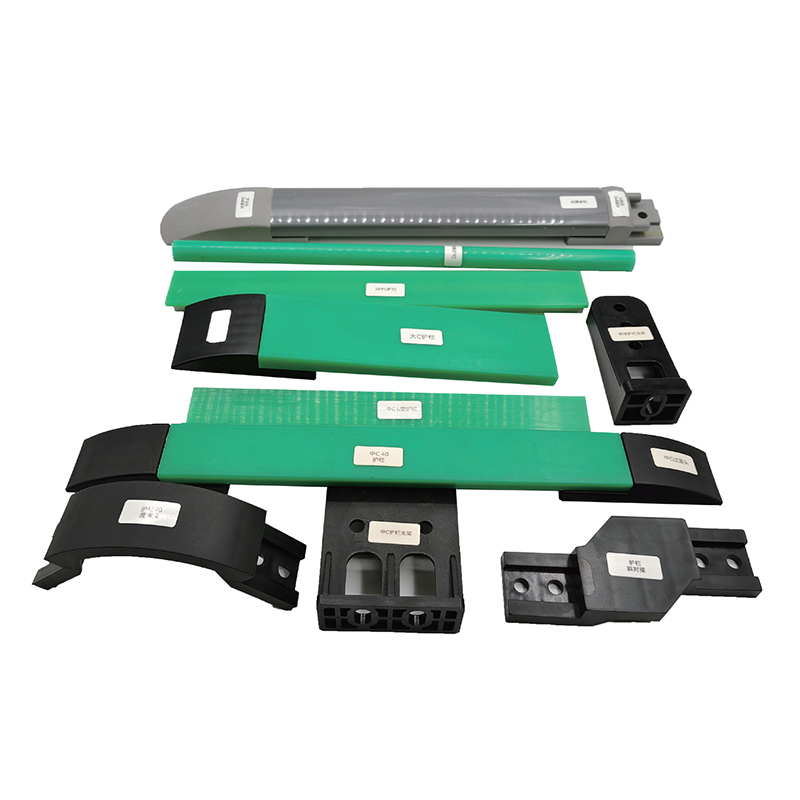
The conveyor guardrail is a modular protective structure installed along the per...
-
 Conveyor Flow Bar
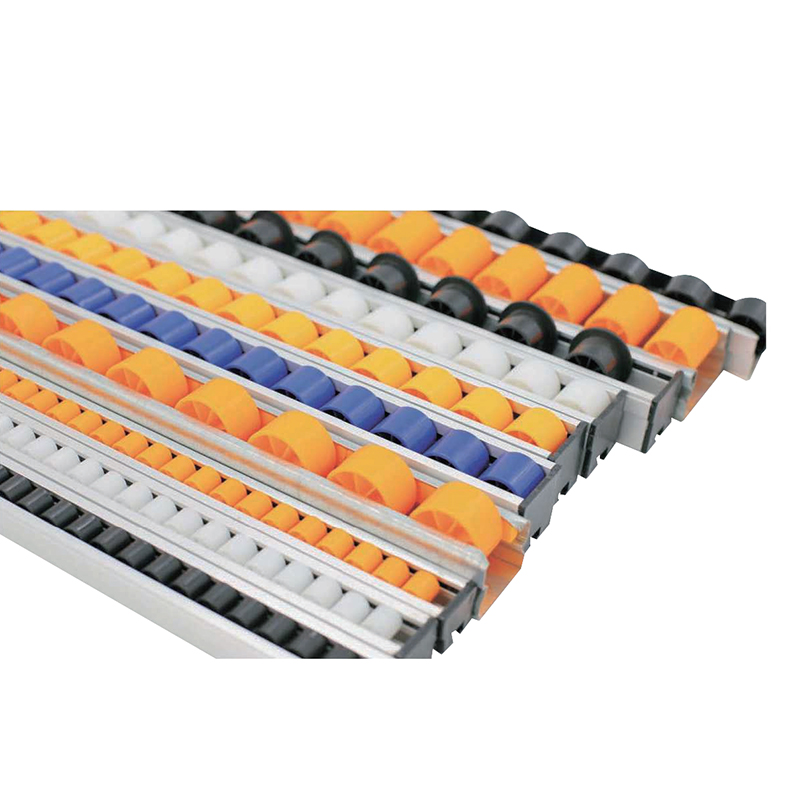
The conveyor flow bar is a rolling component designed for gravity-driven or assi...
-
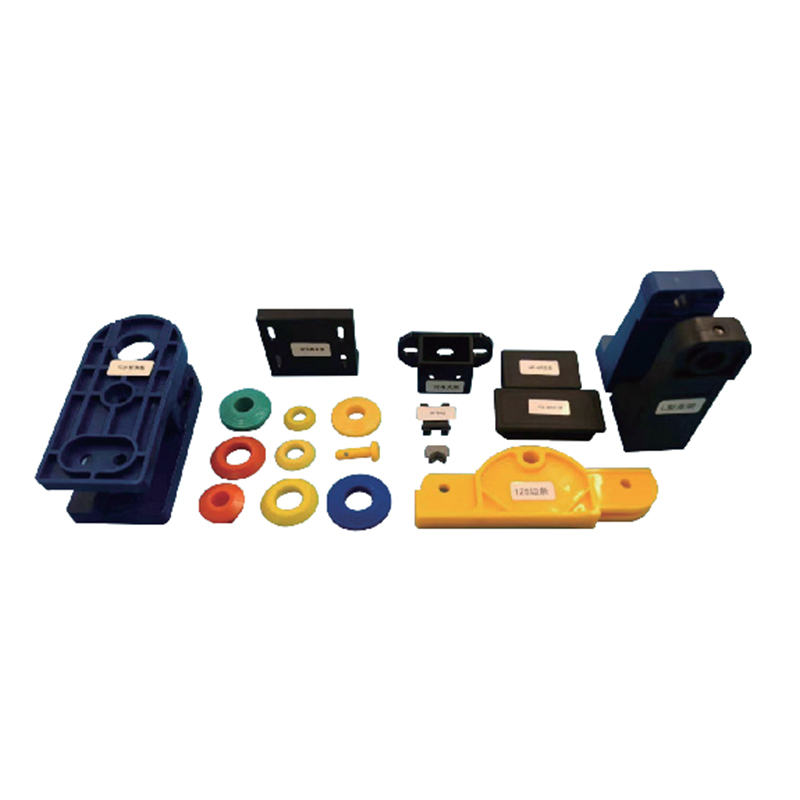 Conveyor Accessories
Conveyor accessories are a collection of functional components designed for indu...
-
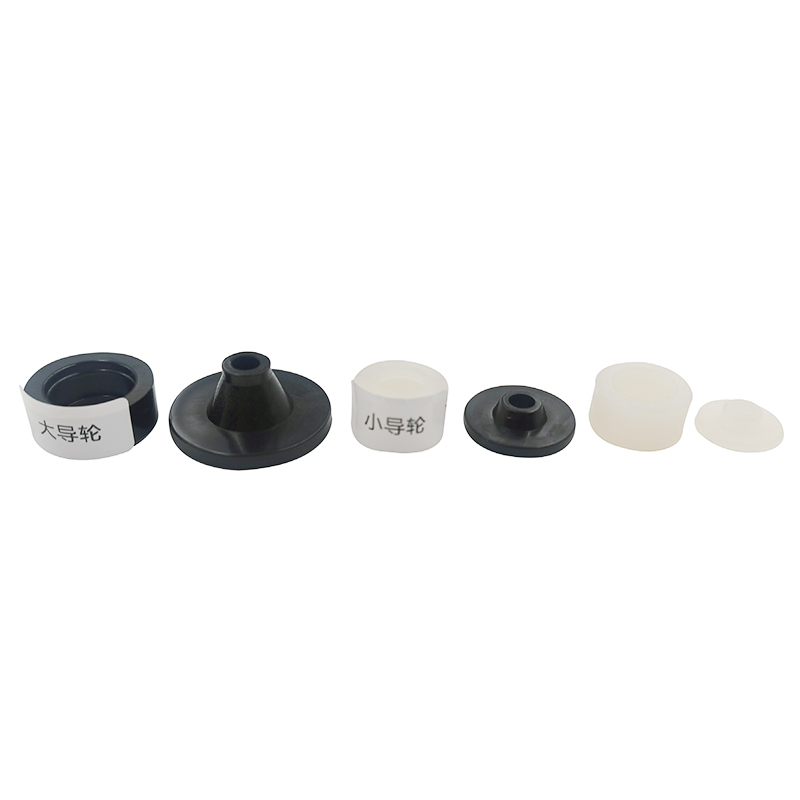 Roller Guide Wheel
The guide wheel serves as a critical directional component in industrial conveyi...
-
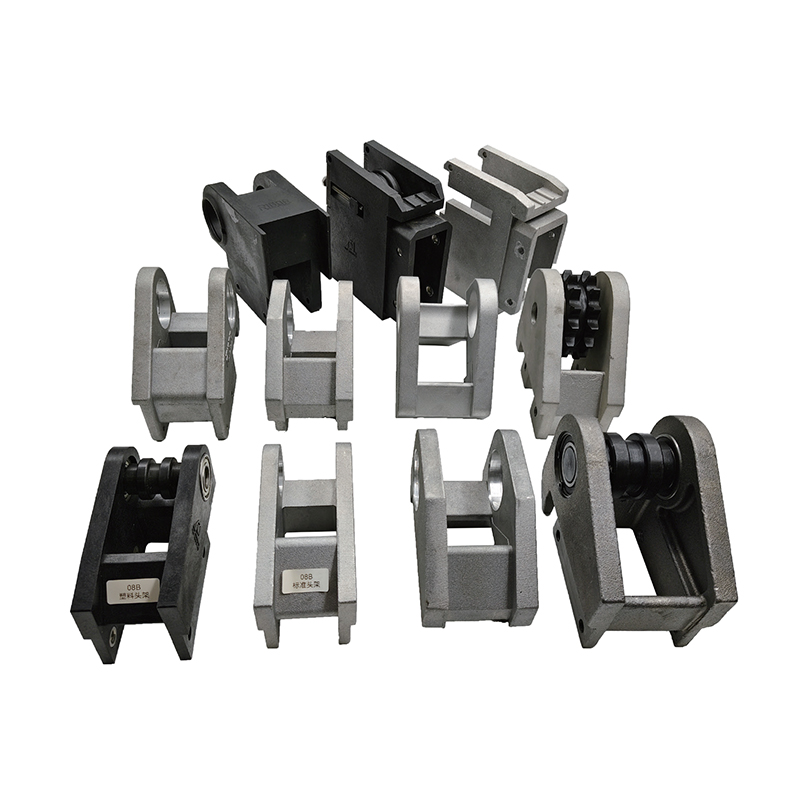 Chain Conveyor Head Frame
1. Product Definition The chain conveyor head frame serves as the primary drive-...


+86-13250912999
Huzhou Nanxun Guan's Plastic Industry Co., Ltd.
Email: [email protected]
Address: Building 8, North Zone, Dehao Industrial Park, Linghu Town, Nanxun District, Huzhou City, Zhejiang Province, China
Navigation
Products
About us
Copyright © Huzhou Nanxun Guan's Plastic Industry Co., Ltd.
All Rights Reserved.
 Privacy
Wholesale Plastic Conveyor Parts Manufacturers
Privacy
Wholesale Plastic Conveyor Parts Manufacturers