
 English
 中文简体
中文简体 русский
 Español
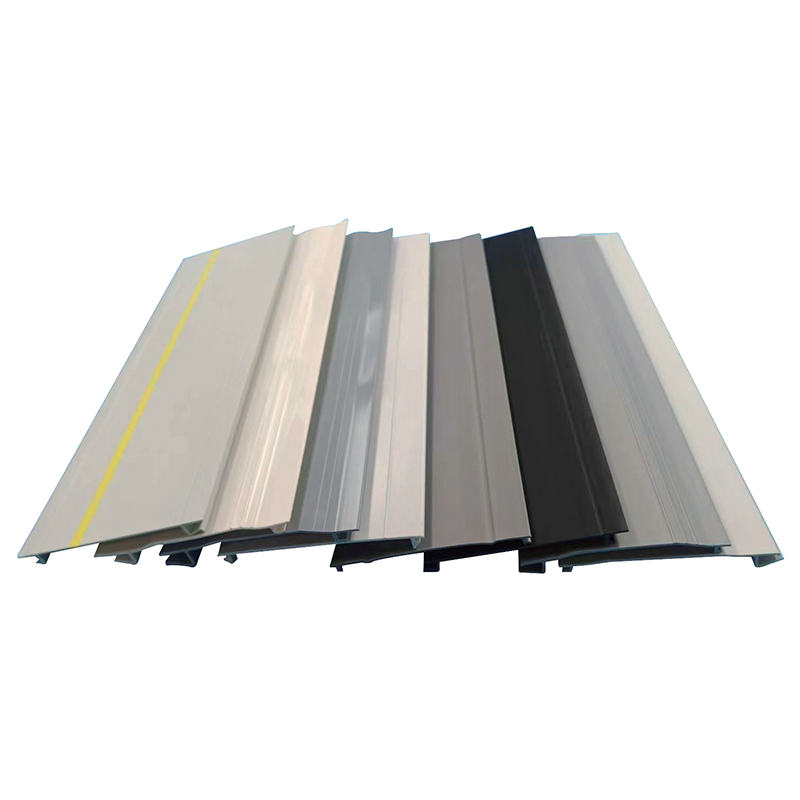
The conveyor sealing plate is a side enclosure component designed for conveyor e...

Industry News
Conveyor Dust Sealing Systems: Components & Best Practices
Author: admin / 2026-08-12
Content
- 1 What Is a Conveyor Dust Seal Plate
- 2 Conveyor Sealing Plate Function and Design
- 3 Conveyor Dust Sealing System: How the Components Work Together
- 4 Conveyor Dust Control Solutions
- 5 Conveyor Belt Sealing System Design Considerations
- 6 Conveyor Skirt Sealing at Loading Points
- 7 Material Containment System Considerations
- 8 Conveyor Spillage Prevention
- 9 Dust Suppression for Conveyor Systems
- 10 Bulk Material Handling Equipment and Sealing Requirements
- 11 Conveyor Transfer Point Sealing
- 12 Conveyor Accessories for Mining Applications
What Is a Conveyor Dust Seal Plate
A conveyor dust seal plate is a wear-resistant panel — typically UHMW polyethylene, rubber, or a combination construction — mounted along the belt edge at loading, transfer, and discharge points to contain bulk material within the belt's carrying surface. Its function is to close the gap between the moving belt and the fixed conveyor structure, a gap that would otherwise allow dust, fines, and spillage to escape at exactly the points where material handling activity, and therefore material disturbance, is highest.
Sealing plates work in combination with skirt boards, sealing strips, and often rubber wing seals to form a complete containment system rather than functioning as a single standalone barrier — effective sealing at a transfer point typically depends on how well these components work together across the full length of the loading zone, not on any single component in isolation.
Conveyor Sealing Plate Function and Design
Sealing plates are typically mounted to the skirt board frame along the belt edges, positioned to maintain light, consistent contact with the belt surface across the full length of the loading zone — where material impact and disturbance from the loading process are most likely to push fines and dust toward the belt edge. Adjustability is a key design feature in most sealing plate systems, allowing the plate's contact position to be periodically readjusted as the plate wears down, extending its useful service life well beyond what a fixed, non-adjustable design would achieve.
Conveyor Dust Sealing System: How the Components Work Together
| Component | Role in the Sealing System |
|---|---|
| Skirt board | Structural frame containing material within the loading zone above the belt |
| Sealing plate/liner | Wear-resistant surface protecting the skirt board and reducing belt friction |
| Sealing strip/skirt rubber | Flexible edge component maintaining direct contact with the belt surface |
| Wing seal/edge seal | Additional edge sealing at the outermost belt-frame interface |
| Impact bed/cradle | Supports the belt beneath the loading zone, reducing belt sag that can compromise sealing |
Conveyor Dust Control Solutions
Beyond belt-edge sealing specifically, comprehensive conveyor dust control typically layers several complementary approaches: source containment through effective sealing at loading and transfer points, dust suppression through moisture or chemical treatment of the material itself, and mechanical dust collection systems that capture and filter airborne dust that does escape containment. Source containment through effective sealing is generally the most cost-effective first line of defense, since preventing dust generation and escape at the point of disturbance reduces the burden on downstream suppression and collection systems, which are typically more expensive to operate and maintain on an ongoing basis.
Conveyor Belt Sealing System Design Considerations
Designing an effective belt sealing system requires accounting for the full range of conditions the belt and sealing components will experience — belt tracking variation, splice locations passing through the sealed zone, temperature effects on both belt and sealing material, and the specific material characteristics being handled. Belt splices deserve particular attention, since a splice passing through a tightly sealed zone can catch or drag against a poorly designed sealing system, creating both a maintenance issue and a potential belt damage risk if the sealing components aren't designed to accommodate this periodic disturbance.
Conveyor Skirt Sealing at Loading Points
Skirt sealing at the loading point faces the most demanding conditions in the entire conveyor sealing system, since this is where material first contacts the belt, generating the greatest disturbance, impact, and dust generation of any point along the conveyor's length. Loading zone skirt length is typically extended well beyond the immediate impact point, allowing material to settle onto the belt and achieve stable, centered loading before the belt exits the sealed zone — a shorter skirt zone increases the risk of material escaping before it has settled, regardless of how well the sealing components themselves perform.
Material Containment System Considerations
Effective material containment extends beyond the sealing components alone to encompass the broader loading zone design — chute geometry that directs material onto the belt centerline with minimal impact velocity, adequate belt support beneath the loading zone to prevent sagging that would open gaps in the seal, and skirt board height and length sized appropriately for the specific material flow characteristics and loading conditions. A well-designed loading chute reduces the sealing system's workload by minimizing material disturbance and impact energy at the point of loading, complementing rather than substituting for a properly specified sealing system.
Conveyor Spillage Prevention
Spillage has real operational costs
Beyond the obvious material loss, conveyor spillage creates housekeeping burden, potential slip and fall hazards around the conveyor, and in some material types, fire or combustible dust risk — making spillage prevention a safety and operational efficiency issue as much as a material cost issue.
Effective spillage prevention combines proper sealing system selection and maintenance with attention to belt tracking and loading practices, since a well-sealed system can still spill material if the belt itself is mistracking or if loading practices consistently overload the belt's carrying capacity at a given point, pushing material past what the sealing system was designed to contain.
Dust Suppression for Conveyor Systems
Dust suppression through moisture addition or chemical binding agents treats the material itself to reduce its tendency to become airborne, complementing physical sealing rather than replacing it — even well-moistened material can still generate escaping fines if the physical sealing system at loading and transfer points is inadequate. Suppression methods need to be matched carefully to the material and downstream process requirements, since adding moisture to a material that needs to remain dry for downstream processing isn't a viable dust control strategy regardless of its effectiveness at suppressing dust generation.
Bulk Material Handling Equipment and Sealing Requirements
Bulk material handling systems across mining, aggregate, agricultural, and industrial processing applications share the same fundamental sealing challenges, though the specific severity varies significantly with material abrasiveness, moisture content, particle size distribution, and handling volume. Higher-throughput, more abrasive material handling operations generally justify more robust, higher-wear-resistance sealing specifications than lower-volume or less abrasive material handling, since the cost of premium sealing components is offset more readily by reduced downtime and material loss at higher operating volumes.
Conveyor Transfer Point Sealing
Transfer points — where material moves from one conveyor onto another — combine the challenges of both a discharge point and a loading point simultaneously, making them among the most demanding sealing locations in a conveyor system. Effective transfer point sealing typically requires coordinated design across both the discharging and receiving conveyor sections, since material behavior and dust generation at this junction depend on the interaction between the two conveyor speeds, belt widths, and the transfer chute geometry connecting them, not on either conveyor's sealing system in isolation.
Conveyor Accessories for Mining Applications
Mining conveyor systems typically face some of the most demanding sealing conditions of any bulk material handling application — highly abrasive ore or aggregate material, high throughput volumes, and often harsh outdoor or underground operating environments all combine to accelerate wear on sealing and containment components. Mining operations commonly specify heavier-duty sealing plate and skirt rubber materials, along with more frequent inspection and maintenance schedules, than would be typical in lighter-duty industrial or agricultural conveyor applications, reflecting both the higher material abrasiveness and the higher cost of unplanned downtime in continuous mining operations.
Related products
-
-
 Conveyor Guardrail
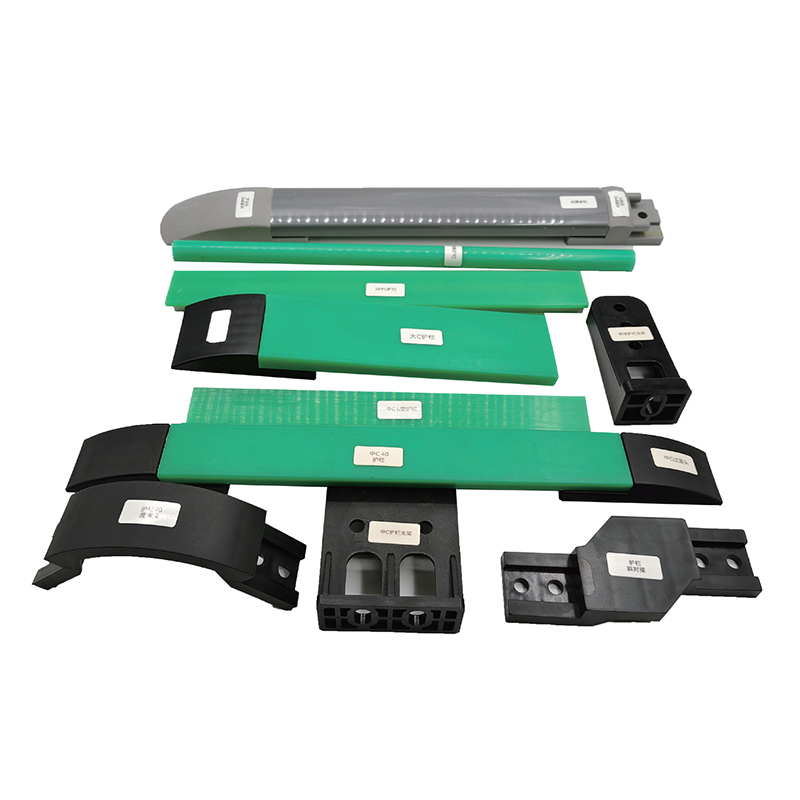
The conveyor guardrail is a modular protective structure installed along the per...
-
 Conveyor Flow Bar
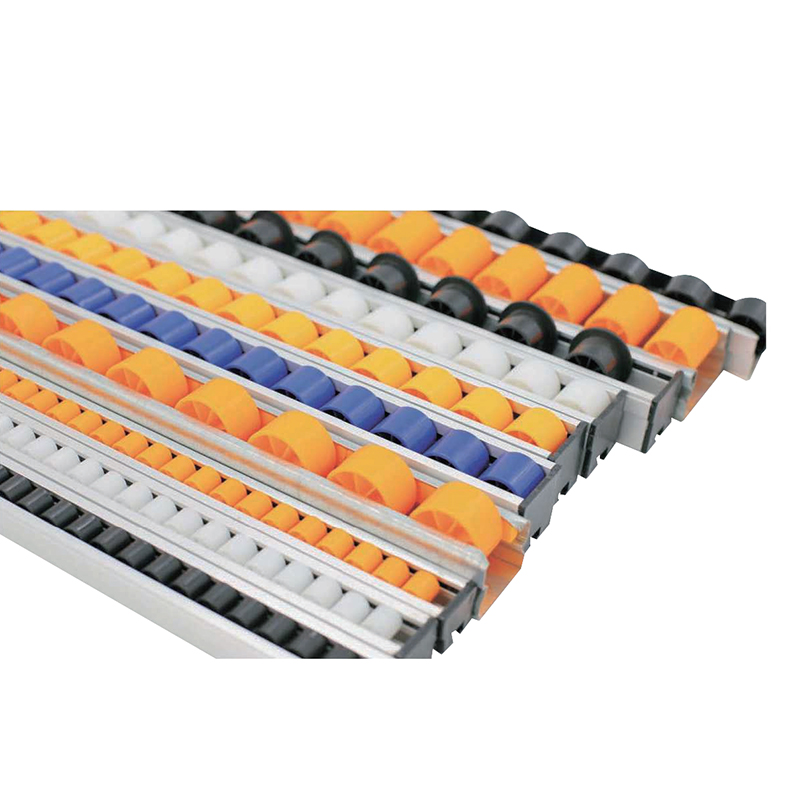
The conveyor flow bar is a rolling component designed for gravity-driven or assi...
-
 Conveyor Accessories
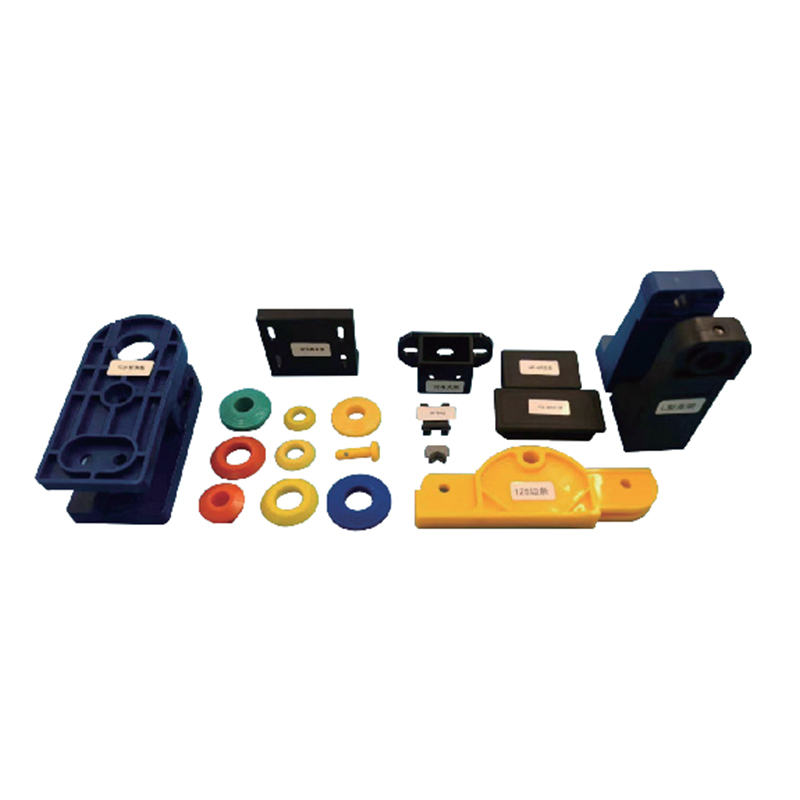
Conveyor accessories are a collection of functional components designed for indu...
-
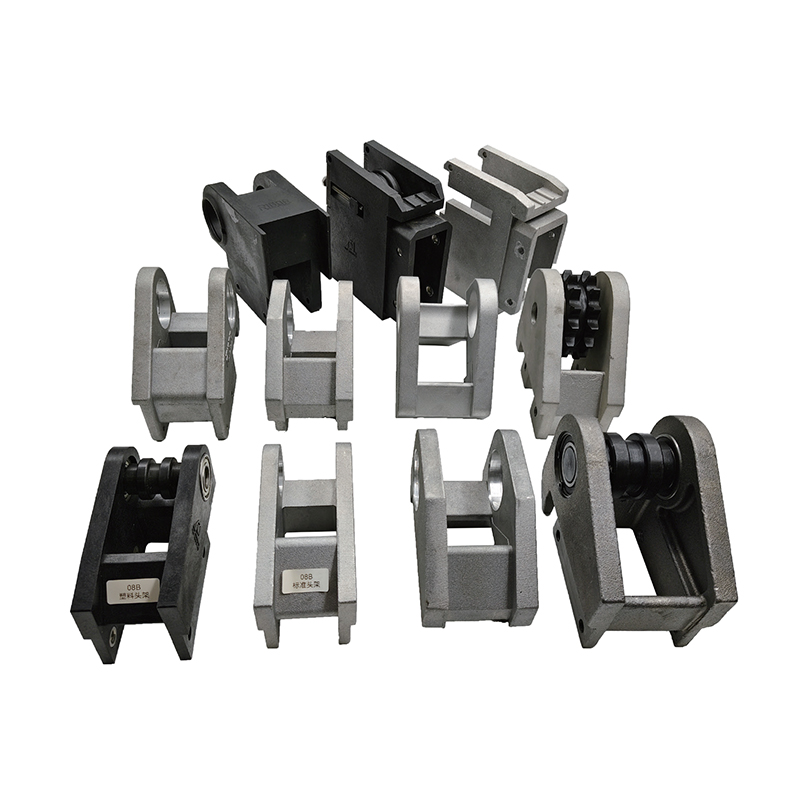 Chain Conveyor Head Frame
1. Product Definition The chain conveyor head frame serves as the primary drive-...
-
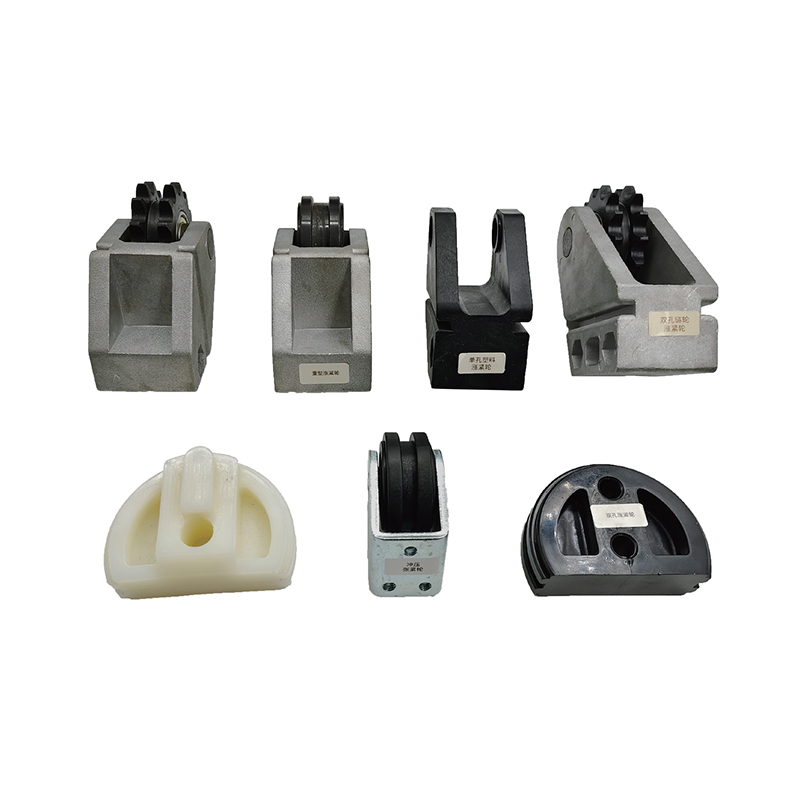 Chain Conveyor Tension Wheel
The chain conveyor tension wheel is a tension adjustment device used in chain dr...


+86-13250912999
Huzhou Nanxun Guan's Plastic Industry Co., Ltd.
Email: [email protected]
Address: Building 8, North Zone, Dehao Industrial Park, Linghu Town, Nanxun District, Huzhou City, Zhejiang Province, China
Navigation
Products
About us
Copyright © Huzhou Nanxun Guan's Plastic Industry Co., Ltd.
All Rights Reserved.
 Privacy
Wholesale Plastic Conveyor Parts Manufacturers
Privacy
Wholesale Plastic Conveyor Parts Manufacturers