
 English
 中文简体
中文简体 русский
 Español
The beaded omnidirectional wheel is a functional component designed for multi-di...

Industry News
Plastic Omni Wheel: Rollet Design, Array Configs & Material Selection
Author: admin / 2026-06-10
Content
What Makes a Plastic Omni Wheel Different From a Standard Conveyor Wheel
A plastic omni wheel — also referred to as a multidirectional wheel or omnidirectional transfer wheel — is distinguished from a standard conveyor roller or caster by its ability to allow free passive movement in a direction perpendicular to its driven axis. The wheel achieves this through a ring of smaller rollets (barrel-shaped sub-rollers) mounted around the circumference of the main wheel body, oriented at 90° to the primary rolling direction. When the wheel is driven forward, it conveys load in the drive direction. When an external lateral force is applied — from a divert arm, a transfer belt, or another driven omni wheel — the rollets rotate freely, allowing the load to slide sideways without resistance.
The plastic construction of the wheel body and rollets is what differentiates this category from older steel or aluminum omni wheel designs. Engineering polymers — typically polypropylene, nylon, or acetal — reduce the overall wheel weight by 40–60% compared to metal equivalents, lower the noise level during operation, eliminate corrosion as a maintenance concern, and reduce the cost of the component to a level that makes large-array installations economically practical.
The trade-off is load capacity: plastic omni wheels are generally rated for individual loads between 5 kg and 80 kg per wheel depending on wheel diameter and rollet configuration, compared to several hundred kilograms for heavy-duty metal designs. For the vast majority of parcel logistics, e-commerce fulfillment, food and beverage, and pharmaceutical conveyor applications, this load range is entirely adequate.
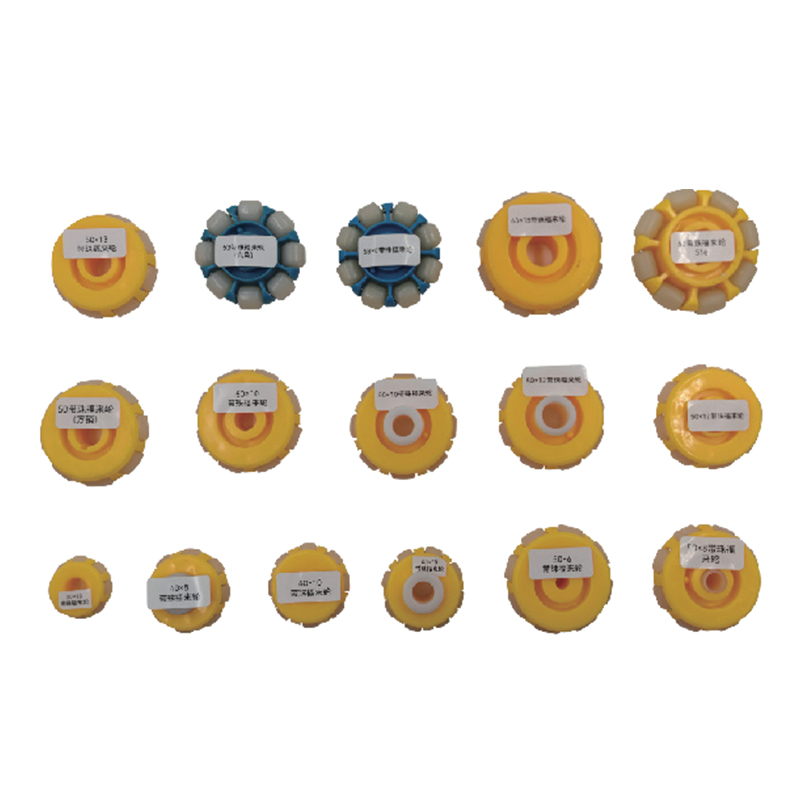
Rollet Design and Its Effect on Transfer Smoothness and Load Contact
The rollet — the small sub-roller that enables lateral free movement — is the most performance-sensitive component in a plastic omni wheel. Its diameter, length, crown profile, material hardness, and bearing type collectively determine the transfer smoothness, the effective load contact area, and the noise level of the wheel in operation. Choosing an omni wheel without evaluating the rollet specification is equivalent to choosing a conveyor belt without specifying the surface texture.
Key rollet design parameters and their practical consequences:
- Rollet count per wheel: A higher rollet count reduces the step height between adjacent rollets as a load transitions from one rollet to the next. Wheels with 8–10 rollets per circumference are standard for general logistics; wheels with 12–16 rollets are used in precision transfer applications — pharmaceutical packaging lines, for instance — where a smooth, vibration-free transfer surface is necessary to prevent product tipping or label distortion during lateral movement.
- Rollet crown profile: A barrel-crowned rollet maintains a consistent contact patch width regardless of the load approach angle, distributing load across a defined length of the rollet rather than concentrating it at the rollet tip. Cylindrical rollets with no crown are less expensive to produce but create edge-loading conditions at oblique contact angles that accelerate rollet bearing wear and produce audible click noise as each rollet engages under load.
- Rollet bearing type: Plastic omni wheels use either plain bore (friction) rollets or ball-bearing-supported rollets. Plain bore rollets are adequate for light loads (under 15 kg per wheel) and low-speed applications. Ball-bearing rollets are necessary above this threshold to prevent rollet drag that creates a frictional resistance to lateral movement and degrades the angular accuracy of the transfer direction.
- Rollet material hardness: Harder rollet materials (Shore D 70–80, typical for acetal or PA) provide better wear resistance under abrasive product bases such as corrugated cardboard. Softer rollet compounds (Shore A 80–95 polyurethane overmolding) are used in noise-sensitive environments or where the product base is fragile — glass bottles, medical device trays — and requires a compliant contact surface to prevent marking or impact damage during lateral transfer.
Array Configurations: Driven, Passive, and Mixed Layouts
Plastic omni wheels deliver their full functional benefit only when arranged in a deliberate array configuration that matches the intended load routing task. A single omni wheel produces no net directional change — it is the geometric and rotational relationship between multiple wheels in the array that creates controlled multidirectional movement.
| Array Configuration | Typical Layout | Transfer Angle Range | Primary Application |
|---|---|---|---|
| 90° driven array | Two drive rows at 90° | 0°, 90°, 45° diagonal | Right-angle divert stations |
| 45° dual-drive array | Two drive rows at ±45° | 0°–360° (any direction) | Omni-sortation tables |
| Passive ball-transfer table | Grid of passive omni wheels | Manual / gravity-driven | Packing stations, palletizing |
| Mixed active/passive array | Driven wheels + passive infeed | Fixed transfer angle | Merge and accumulation zones |
The 45° dual-drive array is the most versatile configuration and the basis for most modern omni-sortation tables used in e-commerce fulfillment centers. By independently controlling the speed of two motor-driven wheel rows oriented at ±45° to the conveyor centerline, the array can steer a load to any heading between 0° and 360° without mechanical divert arms, reducing the hardware complexity and maintenance requirements of high-throughput sortation compared to traditional belt-divert or tilt-tray alternatives. Wheel pitch within the array — the center-to-center spacing between adjacent wheels — must be set below half the minimum product footprint dimension to ensure that every load is simultaneously in contact with at least two wheels in each drive direction at all times.
Material and Regulatory Considerations for Industry-Specific Applications
The polymer composition of a plastic omni wheel — both the main wheel body and the rollets — determines its suitability for the chemical, temperature, and regulatory environment of the intended application. General-purpose polypropylene wheels adequate for dry logistics warehousing are not appropriate for food processing washdown zones or pharmaceutical clean rooms without explicit material qualification.
Industry-specific material requirements for plastic omni wheel selection:
- Food and beverage: Wheel body and rollet materials must comply with FDA 21 CFR or EU Regulation 10/2011 for food-contact plastics. Acetal (POM) and food-grade polypropylene are the most common compliant materials. The wheel design must also eliminate horizontal surfaces that accumulate food debris — a requirement that favors open-spoke wheel body geometry over solid disc designs in direct-contact zones.
- Pharmaceutical and clean room: Non-particle-generating materials are required wherever product contamination risk exists. UHMW-PE and FDA-grade acetal generate significantly less wear debris than standard engineering polymers at equivalent loads, making them the preferred choices for clean room omni wheel installations. Wheels should also be validated for compatibility with HPV sterilization and IPA cleaning cycles without surface degradation.
- Cold chain and refrigerated storage: Standard polypropylene retains adequate impact resistance down to approximately −10°C. Below this threshold, impact-modified PP copolymer or HDPE grades with confirmed low-temperature Charpy impact values should be specified to prevent brittle fracture of the wheel body or rollet housing under the inertial loads of cold-environment operation.
- Antistatic requirements: In tobacco processing, electronics distribution, and explosive atmosphere zones, standard polymer omni wheels accumulate electrostatic charge that can reach discharge potentials sufficient to trigger sensor false-reads or — in classified hazardous areas — ignition events. Carbon-loaded antistatic polymer formulations with surface resistivity between 10⁵ and 10⁹ Ω/sq dissipate charge continuously without requiring periodic grounding maintenance.
When evaluating suppliers for plastic omni wheels in regulated industries, requesting material compliance certificates alongside dimensional drawings provides the documentation basis for qualification records and regulatory audits. A supplier that can provide batch-level material traceability — confirming the resin grade and any additives used in a specific production run — offers a measurably lower compliance risk than one supplying only generic product data sheets.
Related products
-
-
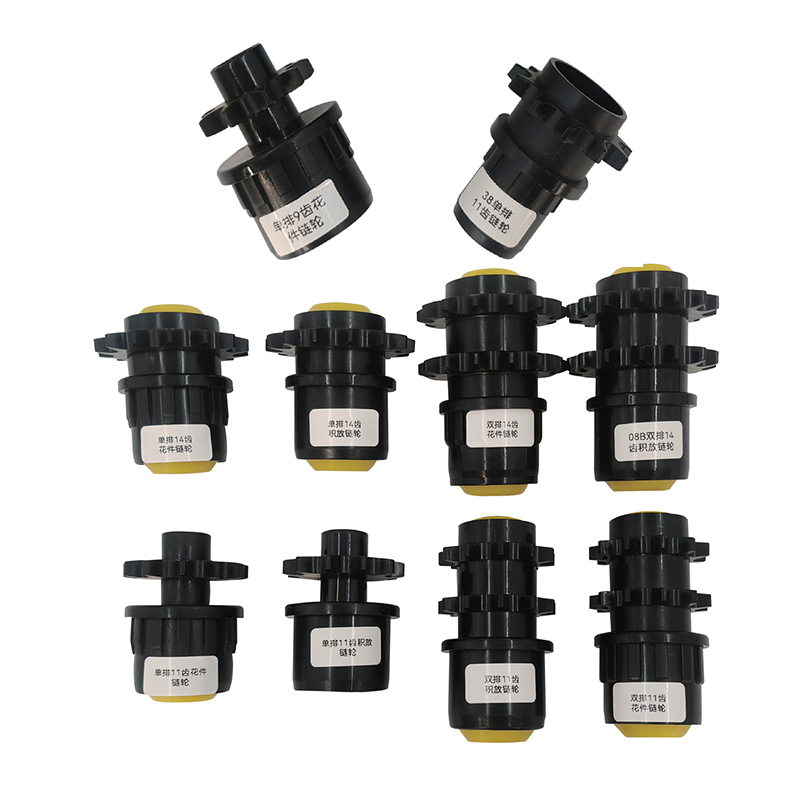 Chain Wheel
A chain wheel is a transmission component used in combination with chains to tra...
-
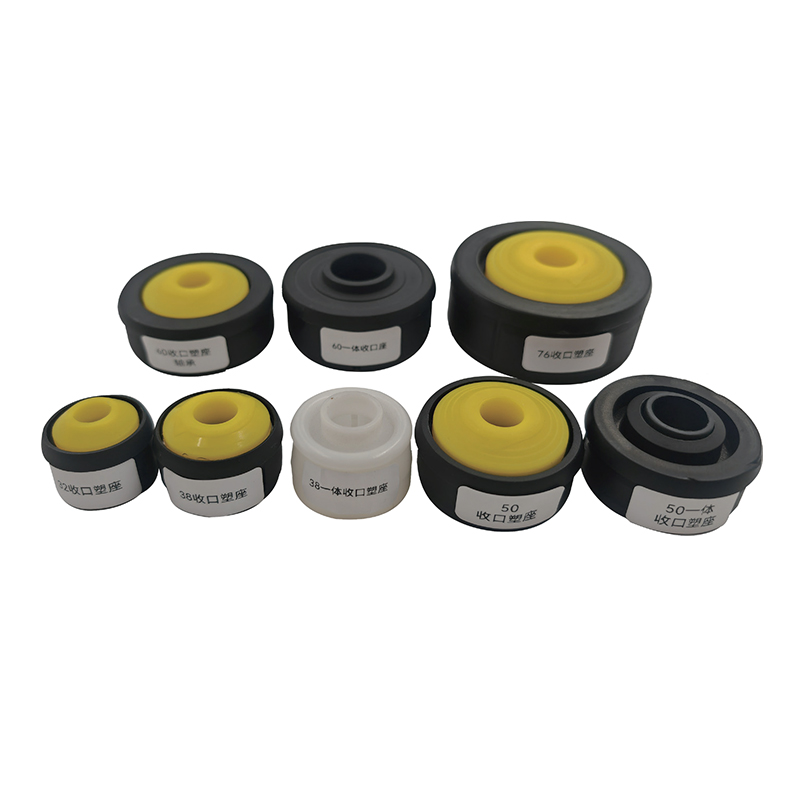 Roller End Cap Plastic Seat
Definition and Structural Characteristics The Open Plastic Seat is a terminal su...
-
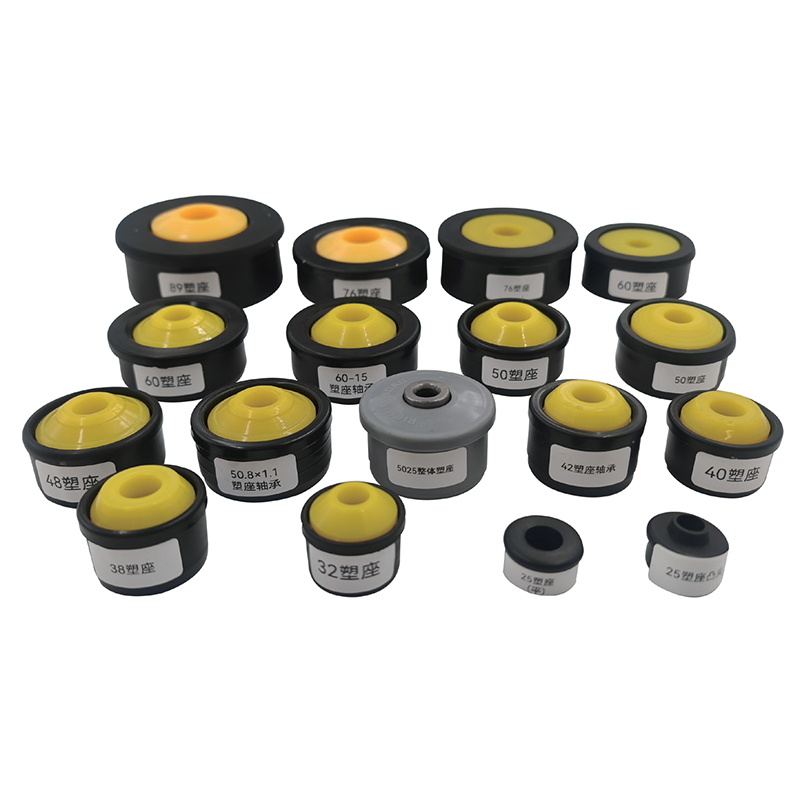 Roller Non-end Cap Plastic Seat
The roller open-end plastic seat is a plastic structural component used for supp...
-
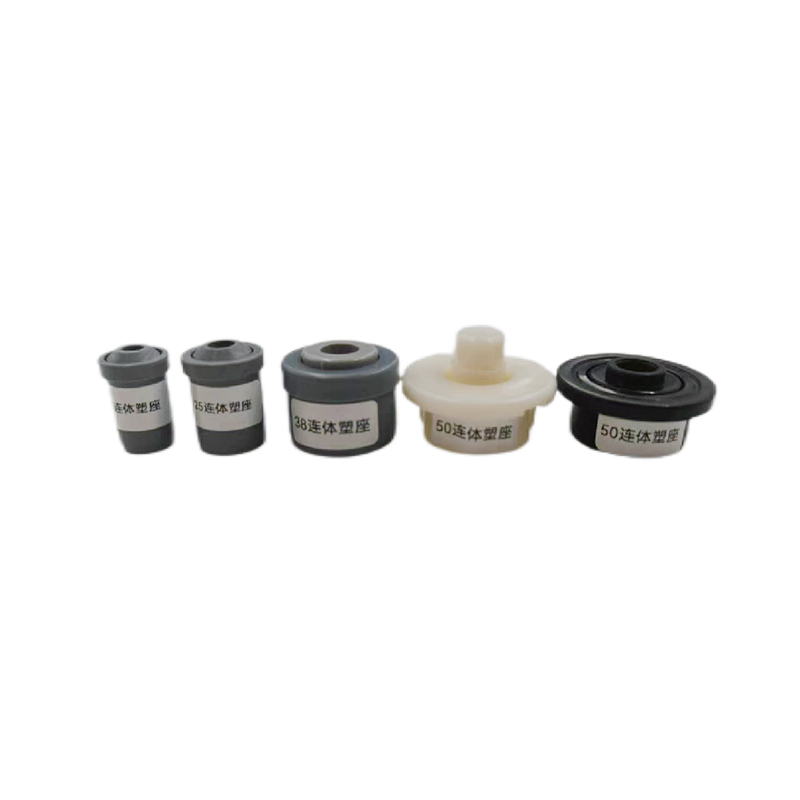 One-piece Roller Plastic Seat
The ONE-PIECE PLASTIC SEAT integrates the bearing housing and mounting bracket i...
-
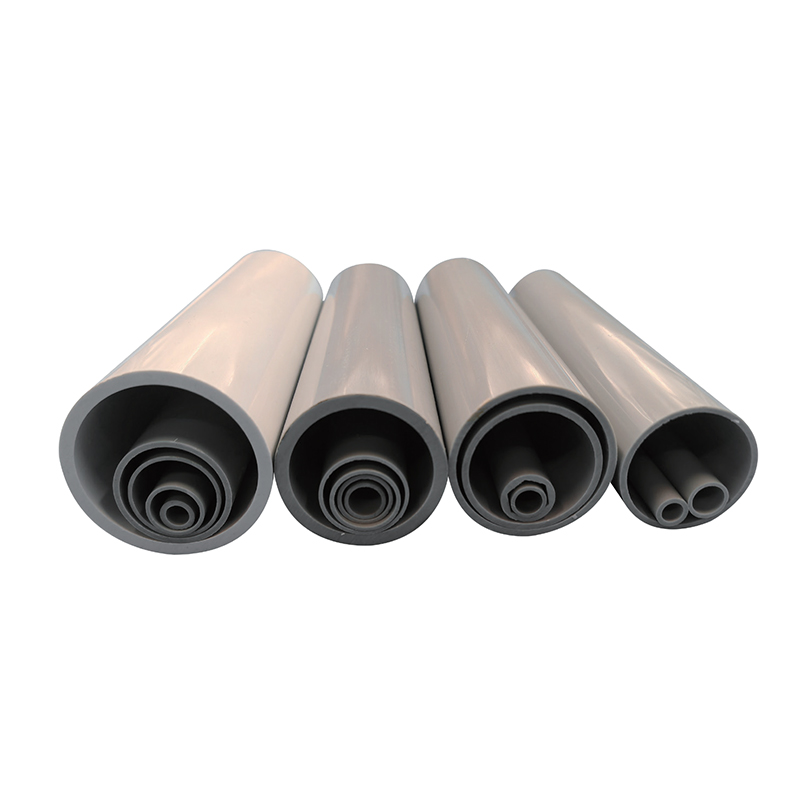 Roller PVC Plastic Pipe
The PVC Plastic Pipe for Rollers is an outer sleeve applied to the surface of ro...


+86-13250912999
Huzhou Nanxun Guan's Plastic Industry Co., Ltd.
Email: [email protected]
Address: Building 8, North Zone, Dehao Industrial Park, Linghu Town, Nanxun District, Huzhou City, Zhejiang Province, China
Navigation
Products
About us
Copyright © Huzhou Nanxun Guan's Plastic Industry Co., Ltd.
All Rights Reserved.
 Privacy
Wholesale Plastic Conveyor Parts Manufacturers
Privacy
Wholesale Plastic Conveyor Parts Manufacturers